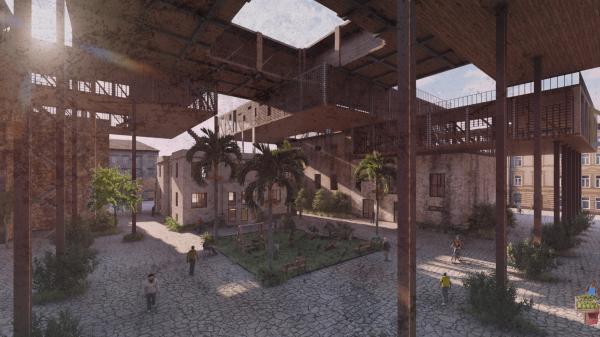
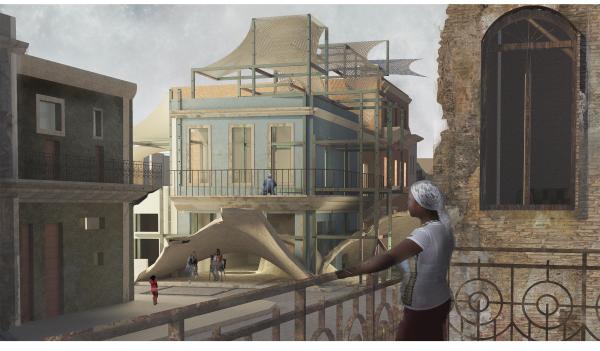
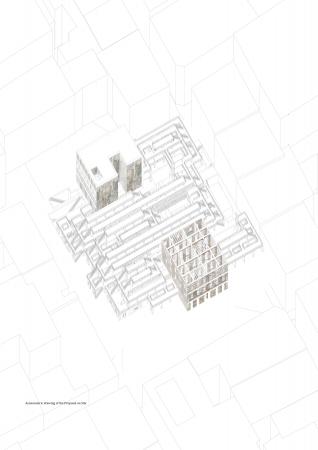
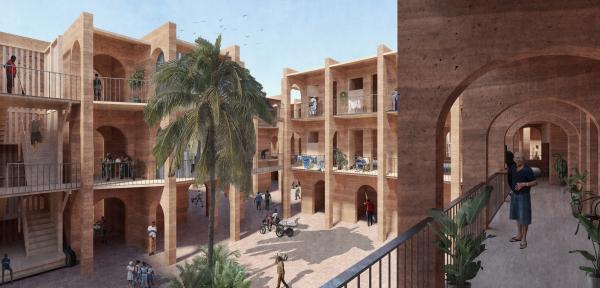
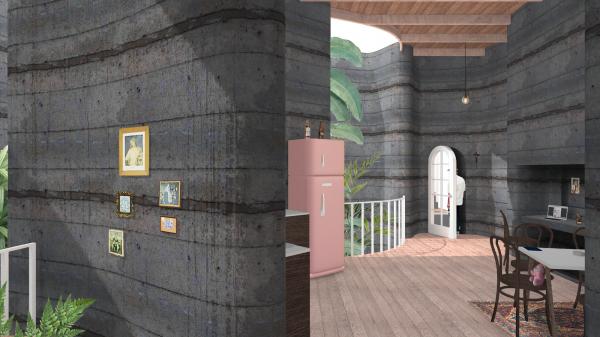
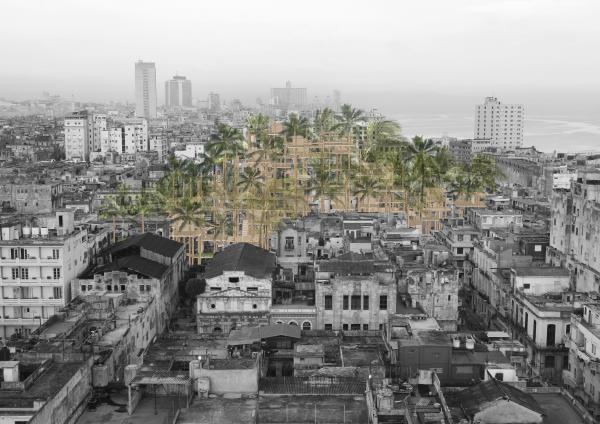
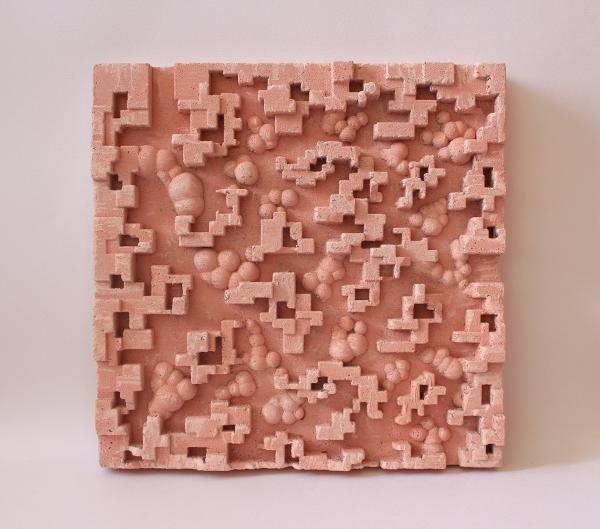
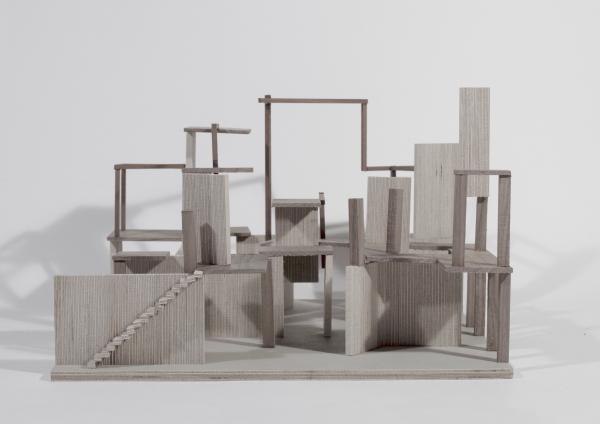
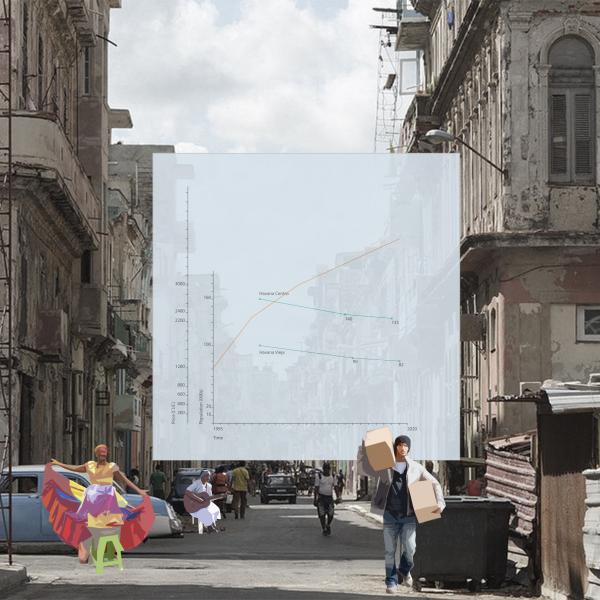
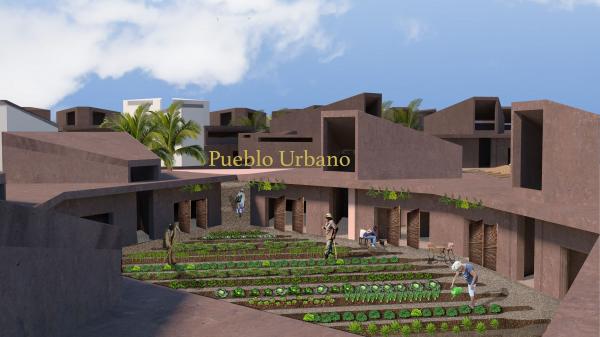
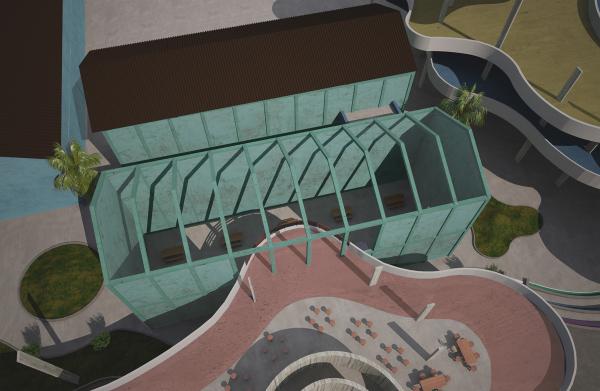
This year, Experimental Unit 8 has been exploring alternative models of collective housing departing from Cuba’s tradition of home swapping or permuta. Distributed across Havana, these new models act as prototypes that infiltrate, restructure or re-empower existing socio-spatial urban fabric. For this purpose, each student has developed a proposal on one pre-existing block within Havana’s historical city grid (Havana Vieja, Havana Centro and Vedado). A close understanding of selected site, its community, social, cultural and physical context, and its translation into operative documents allowed students to developed highly specific responses. These in-depth investigations also unveiled particular social, ecological and idiosyncratic dynamics initiated during the post-soviet scarcity years of the so-called “Special Period” still in place today. Kinship and reciprocity bonds between members of the community, collective forms of construction or microbrigadas and urban agriculture fields ororganoponicos were taken on board by students’ as systems to absorb different scenarios related to US embargo. Local material systems derived from different traditions installed into Cuban context, including imported concrete panel systems, long-established wooden craftsmanship and traditional rammed earth constructions, were studied and use as sustainable approaches to design more resilient contemporary housing models.
.jpg)