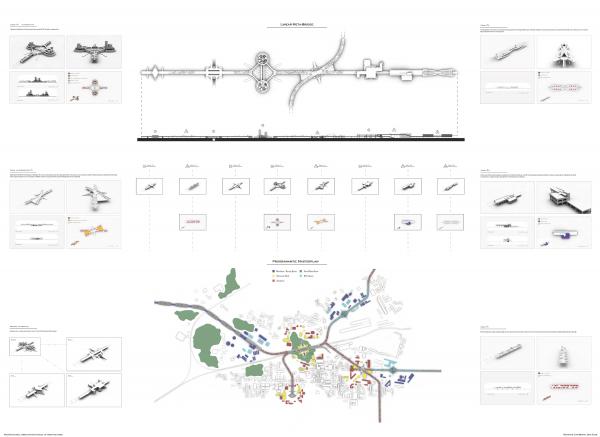
Experimental 9
City in Transition: Beyond Old and New
This unit is a part of a long-term project on the contemporary European city. Its research agenda seeks to develop broader visions for cities in transition, in contrast to the antagonistic displacements by modernists and contextual revisions by postmodernists. Most importantly, it seeks to link theoretical urban projects with explicit architectural briefs.
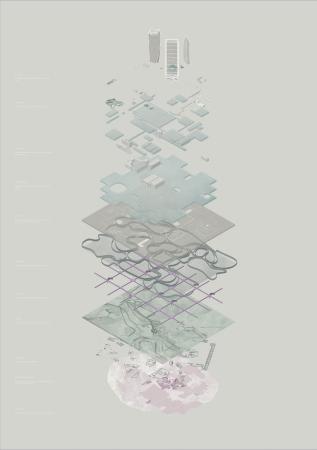
We seek architecture that can better reflect and drive urban change. There is a need to respond to urgent, often concurrent pressures: cultural legacy and technological progress, local identity and global exchange, preservation and renewal. This demands new ways to relate all of the infrastructures of connection and production, along with their programmatic variables, to more stable and resilient architectural structures.
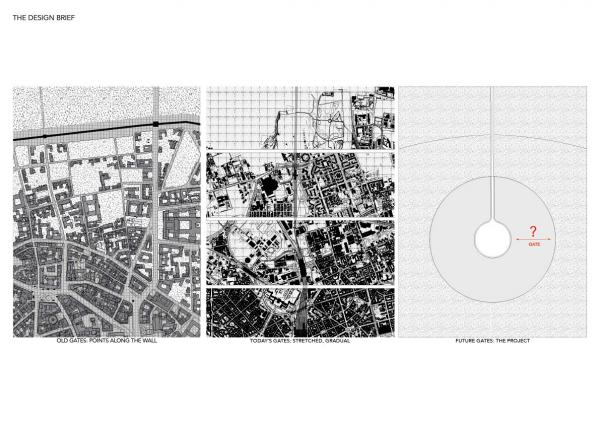
We will start off with a set of topical redevelopment sites that are symptomatic of deeper issues within the profession and the discipline of architecture. We will unravel the hidden conflicts between systems, agencies and practices, and articulate these as inherently architectural problems, temporarily disengaging from the prescribed domains of fixed design elements. We seek fundamental shifts in the production of mediating and inclusive projects that go beyond megastructures, hybrids, or condensers.
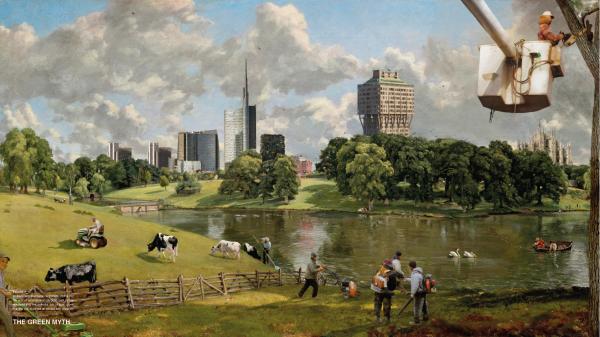
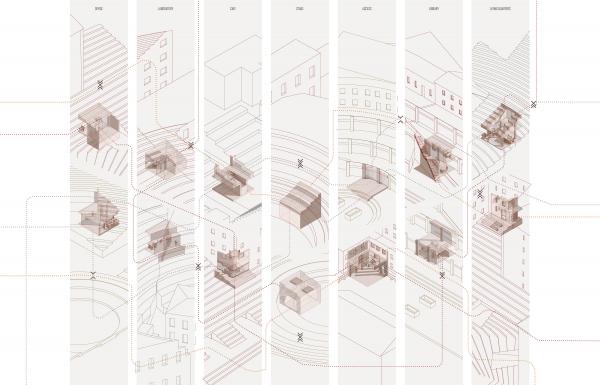
The unit will continuously confront the old and the new. It will dare to challenge what we know about archetypes, typologies and diagrams, while fully exploiting the cultural and spatial contexts of our propositions. Learning from the city as an ideological battle ground, projects will shift between urban diagnostics and historical research; manifestos and design provocations; conceptual maps and detailed drawings, allowing students to develop their own personal design methodologies. The unit will operate as a research-design laboratory and a forum for debate, collaboration and exchange, actively engaging with contemporary architectural culture through various platforms. Together, we can show that architecture can adapt and evolve in response to both urban contingencies and our collective design intelligence, and find its way back to the forefront of urban transitions.
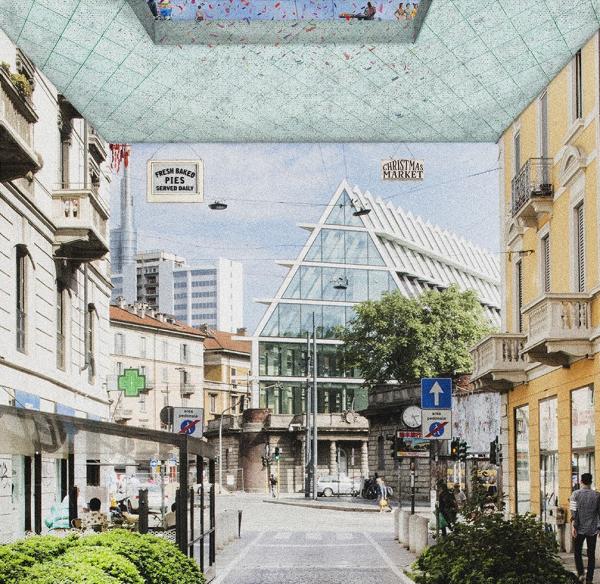
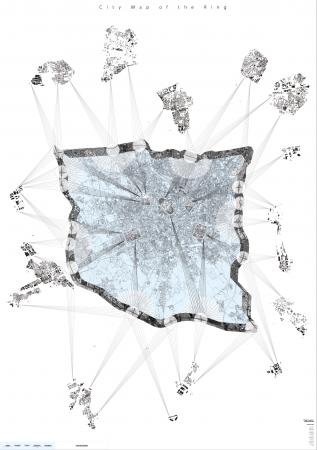
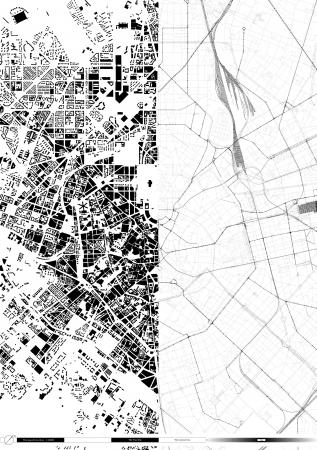

 PR Burried Legacy.jpg)