Diploma 4
Climate Peace
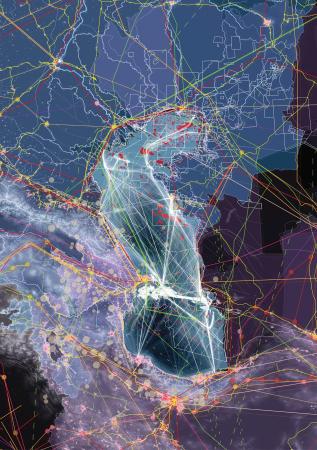
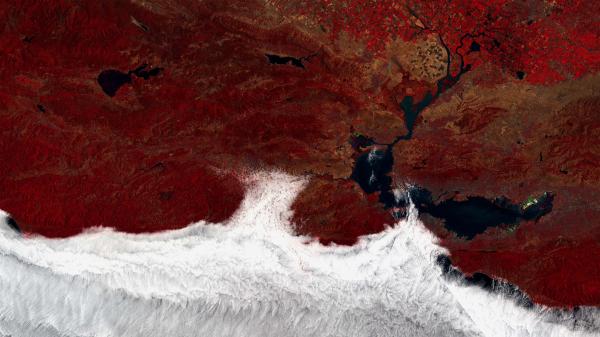
In the Anthropocene, territories are intensified, destabilised and opened up on all sides. The impacts of human activity are changing the structures and energy levels of the Earth at such a scale that it is rapidly entering into a new stage of its history. The world-systems of modernity have extended over the planet to completely overtake the drive of the complex, interrelated material and environmental processes that shape the Earth System: a new form of intensity, conceivable only through the vast machine of remote sensing, complex models and the integrated sciences that operate at planetary level; a new territory where individuals, groups, nations, corporations and international organisations are all being thrust into new forms of power, violently crossing and reshaping boundaries, re-evaluating the very territories they rely on to survive. This radical instability of world-systems and the Earth System requires the re-evaluation of agency, new forms of cohabitation and new relations between material fluxes and polities; a new architecture of peace.
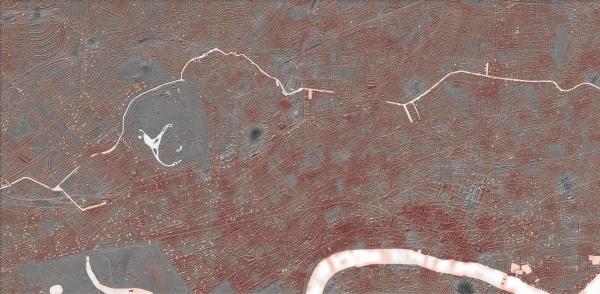
Negotiations are complex articulations of forms of polities. They are procedures through which particular polities and their internal and external systems are articulated, in which human and material processes are linked. The relative stability of the Earth since the last Ice Age has enabled humans to develop civilisations, agriculture, architecture, language, commerce, industry and the arts against an inert backdrop. Human institutions and their material spaces of operation are deeply connected to energy resources. The intense human use of energy in the Anthropocene has transformed the inert backdrop of nature into a new agent of planetary change. This process has left deep traces in the geological structures of the planet and the global concentrations of CO2 in the atmosphere, as well as in the deep oceans, the sediments of rivers and the vast, intricate stratigraphy of contemporary, global cities.
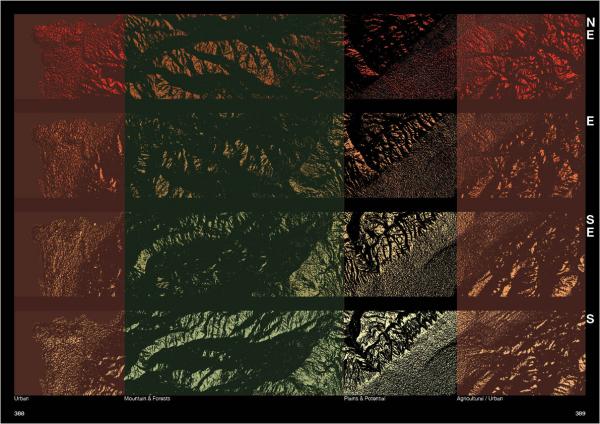
A new architecture of peace in the Anthropocene is inherently unstable, open. It operates by aligning solutions for climate change mitigation with radical divestment from fossil fuels, shaping polities and material spaces at the same time. The projects of DIP4 engage new solutions for this transient, unstable moment. Rather than prefiguring a stable overall spatial configuration, they are aimed at inserting into mineralogical and biological spaces a set of propensities towards change in order to calibrate and intensify their non-deterministic, transformative processes.