MSc/MArch
Sustainable Environmental Design
The MSc and MArch in Sustainable Environmental Design (SED) are respectively 12-month and 16-month postgraduate programmes in an area of specialisation that is in the forefront of both architecture and engineering, as well as sharing ground with many other disciplines. The programme’s pedagogy is project-led, practice-oriented and evidence-based engaging students in real-life projects across climates, urban morphologies and building typologies. Design with climate and climate change, and carbon neutral planning are key drivers of the SED research agenda.
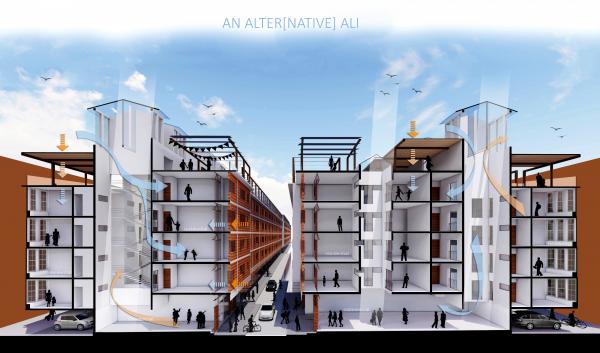
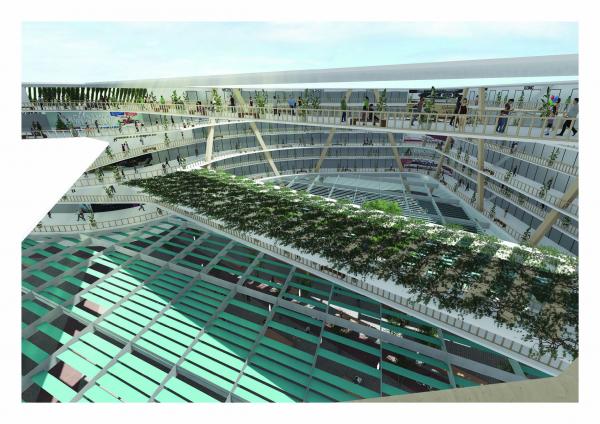
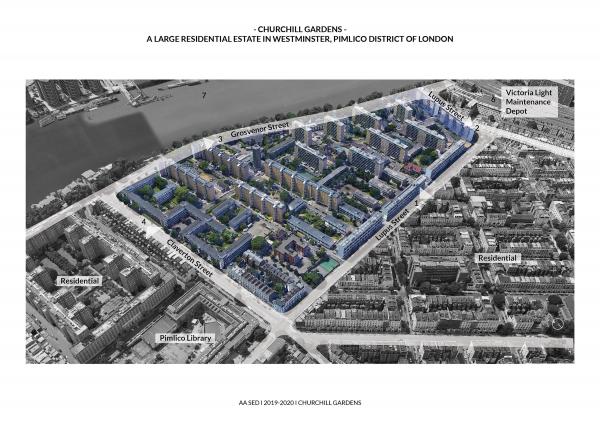
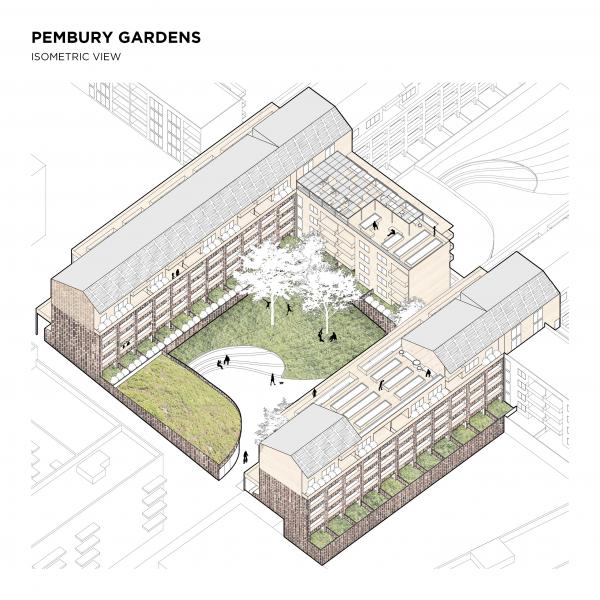
The taught programme is structured in two consecutive phases. Phase 1 (Terms 1 & 2) is organised around team projects that engage MSc and MArch students in experimental fieldwork and computational studies using the knowledge and tools introduced in weekly lectures and workshops. In Term 1, Refurbishing the City, a continuing SED research agenda, launched a new round of London building case studies in collaboration with local architectural and engineering practices. On-site observations and measurements were followed by use of advanced computational tools exploring present and future environmental design scenarios. The outcomes of Term 1 building studies provided starting points for design research on mixed-use building programmes in Term 2.
In Phase 2 (Terms 3 & 4), individual research for the MSc and MArch dissertation projects has involved a diverse range of geographic locations, microclimatic conditions, urban morphologies and building typologies. New and completed dissertation projects this year include proposals for sites in Beijing, Beirut, Dubai, Hong Kong, Istanbul, Levittown NY, Lima, Mexico, Sicily, Thailand, Wuhan and Xiamen in China, as well as in Ahmedabad, Coimbatore, Chandigarh, Chennai, Gurgaon, Hyderabad, Jodhpur, New Delhi and Pune in India. Three online events involving SED alumni from across some sixteen time zones provided unique opportunity for reflection on how the programme’s methods and concerns have influenced architectural pedagogy as well as practice.
Staff: Simos Yannas, Paula Cadima, Jorge Rodriguez Alvarez, Nick Baker, Gustavo Brunelli, Mariam Kapsali, Byron Mardas
sed.aaschool.ac.uk
.jpg)