Experimental 14
Hoary Building
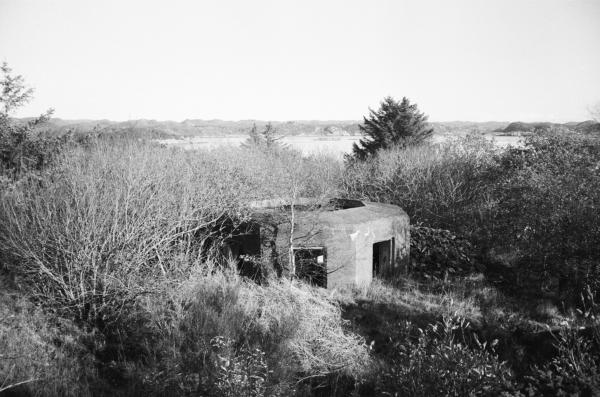
The tabula rasa, long the ideological preserve of every wide-eyed architect and urban planner, is a spent concept. So are the resource-devouring manifestations typically designed to occupy it. We’re into the radical re-imagination of existing buildings.
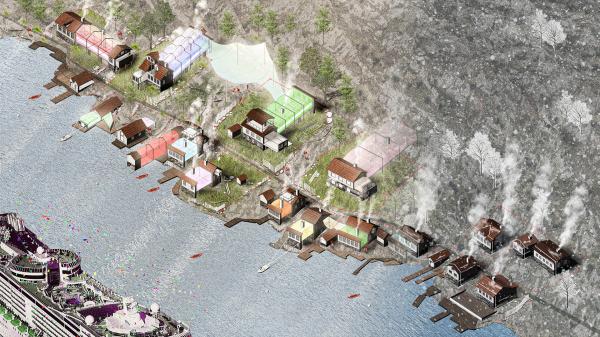
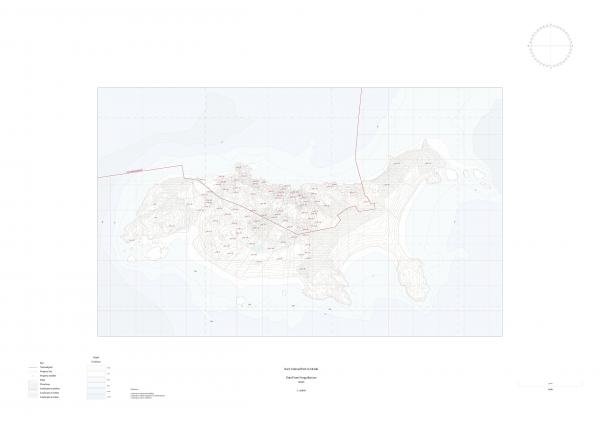
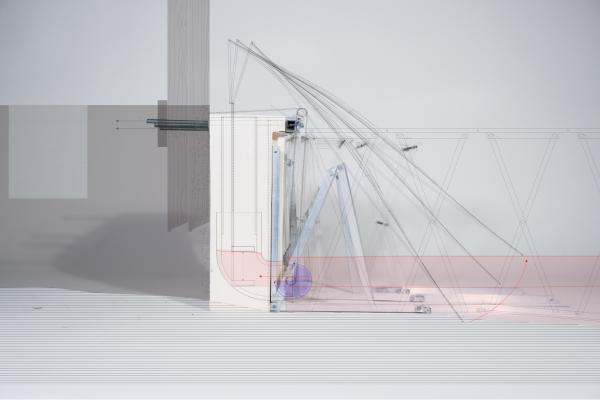
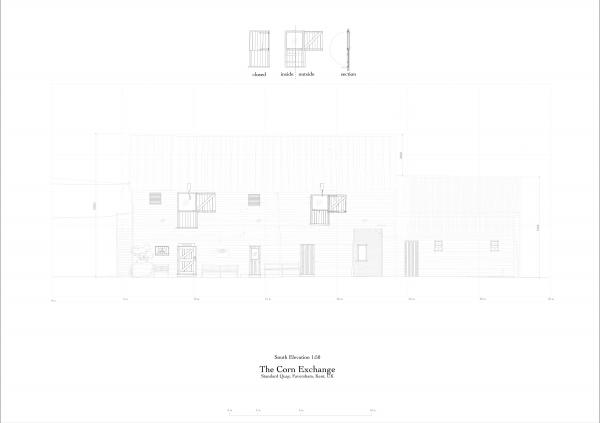
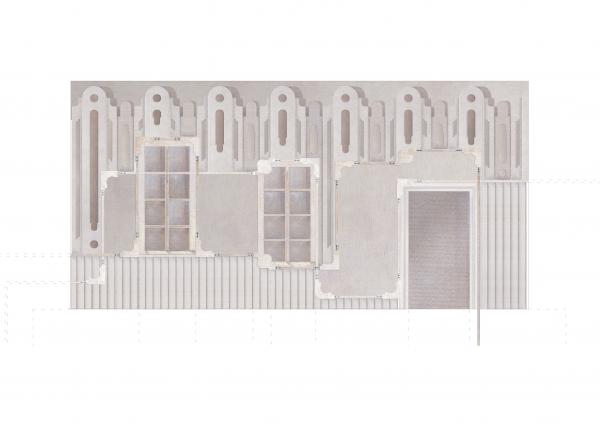
With forensic, scientist-like attention we will survey, scan, draw, model, read, write, dive into archives and undertake first-hand research in order to understand existing building stock (and the effects of climate on them). Then, in surgical-like operations we will intervene, dissect, re-use, re-build, add and subtract to transform them into completely different entities. This means that we will carry out typological transformations, material reconfigurations, spatial re-imaginings and contextual re-interpretations in reaction to changing times. Nothing in our work is entirely new; it is always rooted in some way within that which was there before and it balances precision and imperfection. We are also not shy about restoration, a process in which our emphasis will be on objects, materials, colours, rituals and atmospheres.
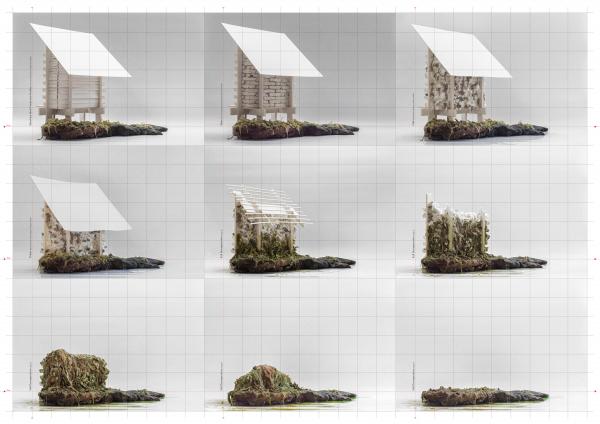
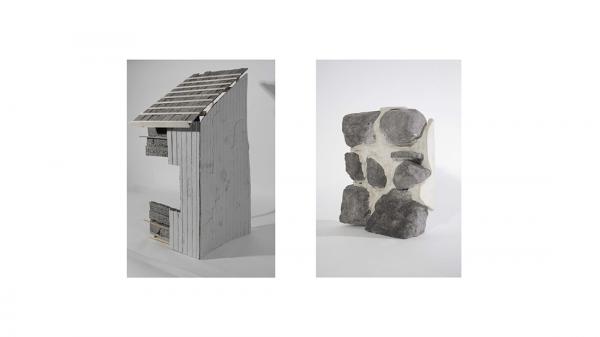
We are committed to inventing and developing new materials from untapped, undiscovered and overlooked resources. Felling forests, quarrying the countryside and manufacturing eye-watering quantities of concrete and steel is no longer an imaginative or sustainable future. We will discover waste resources, methods of re-use and lost or abandoned traditions that not only contribute to a sustainable future, but have the power to create totally different spaces, moods, forms and feels.
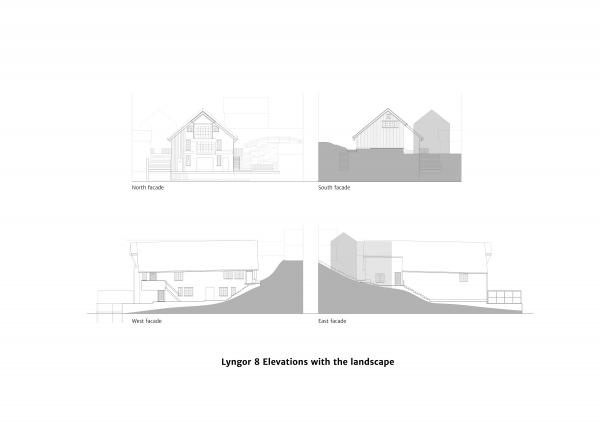
In order to provide a contained cultural framework, our work will be based in Norway. The Nordic context is manageable in scale and a historical periphery dependent on merging vernacular with continental ideas. It is the blending of ‘types’ that keeps us from ethnocentric pitfalls, spurious local connotations, and singular notions of authenticity. We will design buildings and develop projects that engage with the idiosyncratic qualities of Italian Mannerism, draw from Venturi’s Complexity and Contradiction in Architecture, trace the lines of Nordic building traditions – from vernacular structures to regional modernism – and are positioned in relation to two other seminal references: Christian Norberg-Schulz’s Genius Loci and Kenneth Frampton’s Critical Regionalism.