Diploma 15
One Ordinary and Another
Ordinary things contain the deepest mysteries… everything ordinary seems at once neutral and indispensable, but it is a delusion’ – Robin Evans, Figures, Doors and Passages, 1978
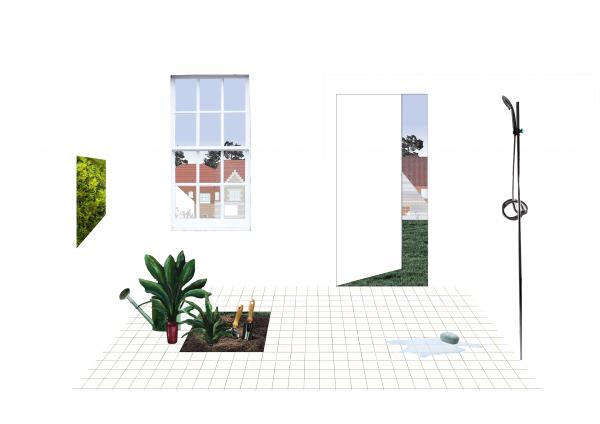
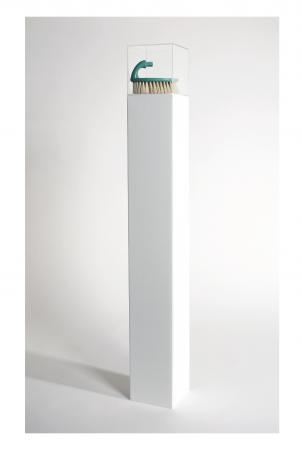
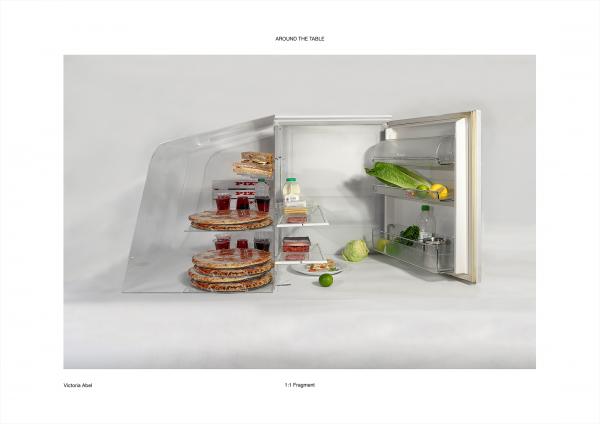
- The Home: The unit will concentrate on the broad idea of the home. We will look at everyday elements that reflect cultural values, re-imagine the relationship between them and the human body, and question the distinction between commodity and delight.
- Cut, Re-divide, Combine: Architectural plans reflect human relationships. We will investigate existing and historic conventions, and re-evaluate the potential of domestic thresholds, from the partition to the party wall.
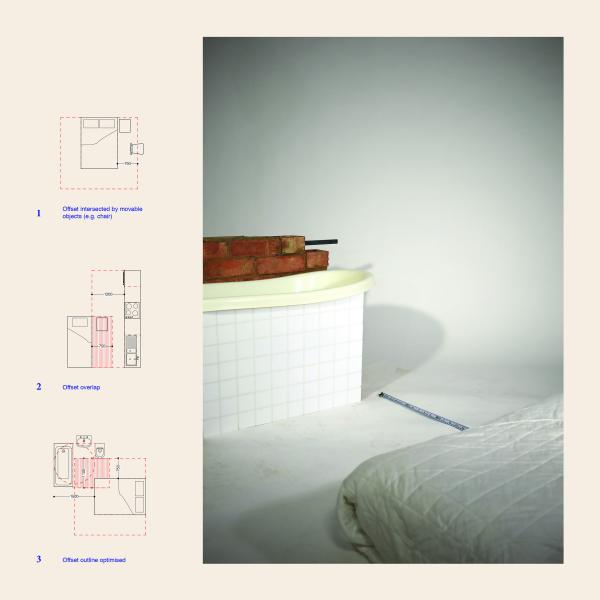
- Codify: Classification methods are as much ideological tools as they are forms of efficient translation. The unit will look at how to redefine the measure of the home by creating new codes for domestic space.
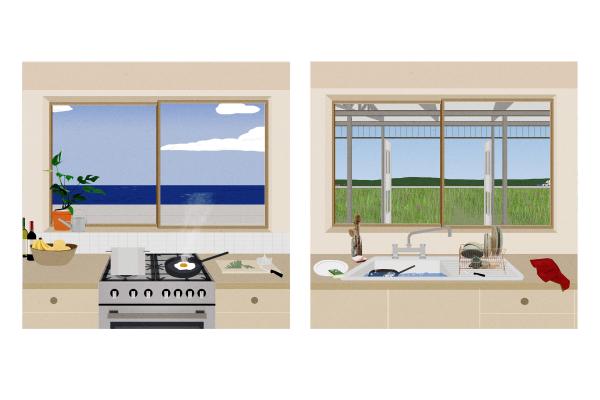
- Communicate: From sections to flat pack instructions, every prevailing form of domestic representation reflects the agenda of its period. We will explore how to control the subject of an image and conduct a series of spatial experiments that dismantle domestic typologies.
- Collide: The unit will explore alternative densification strategies by dissolving the house into its environment. Using programmatic crossovers to corrupt a conventional understanding of housing, we will look to develop a different kind of ordinary.
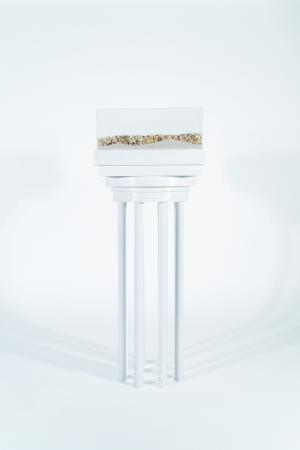
- Iterations: We will use this post-programme framework to generate a series of investigative studies. These will be model-based iterations, each with a clear diagrammatic strategy that pinpoints a single conceptual move.
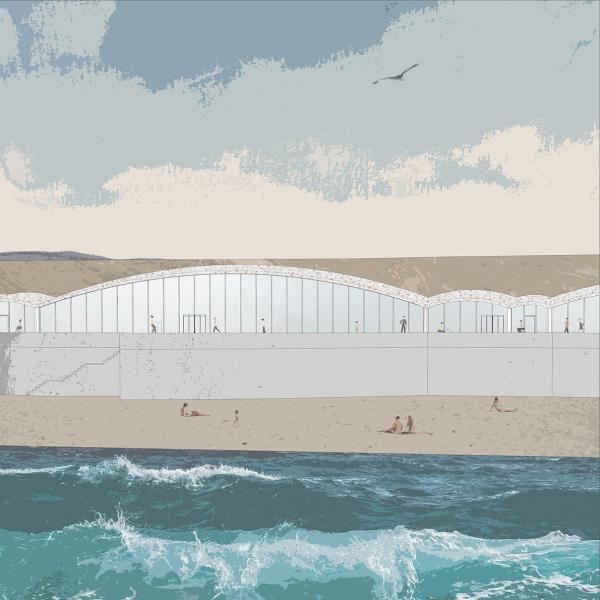
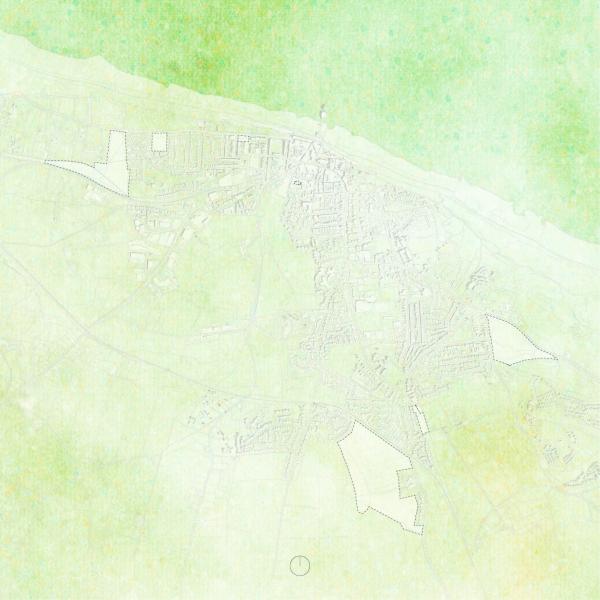
- Settle Down: The unit will land these experiments within a very ordinary site somewhere in the UK, encouraging neighbourhood-scale network interventions. By exploring the universal within the site-specific, we will address questions of political context, the potential of planning rules, the idea of community and the individual.
- An Economy of Means: Designs will be conceptually value-engineered to ensure an economy of means, not just less.
- Rigour, Always: The unit will encourage iterative design, serial model-making, a strong exploration of representation and a realistic grounding for projects. We expect rigour in research and design, and a crossover between studio and core studies throughout the year.