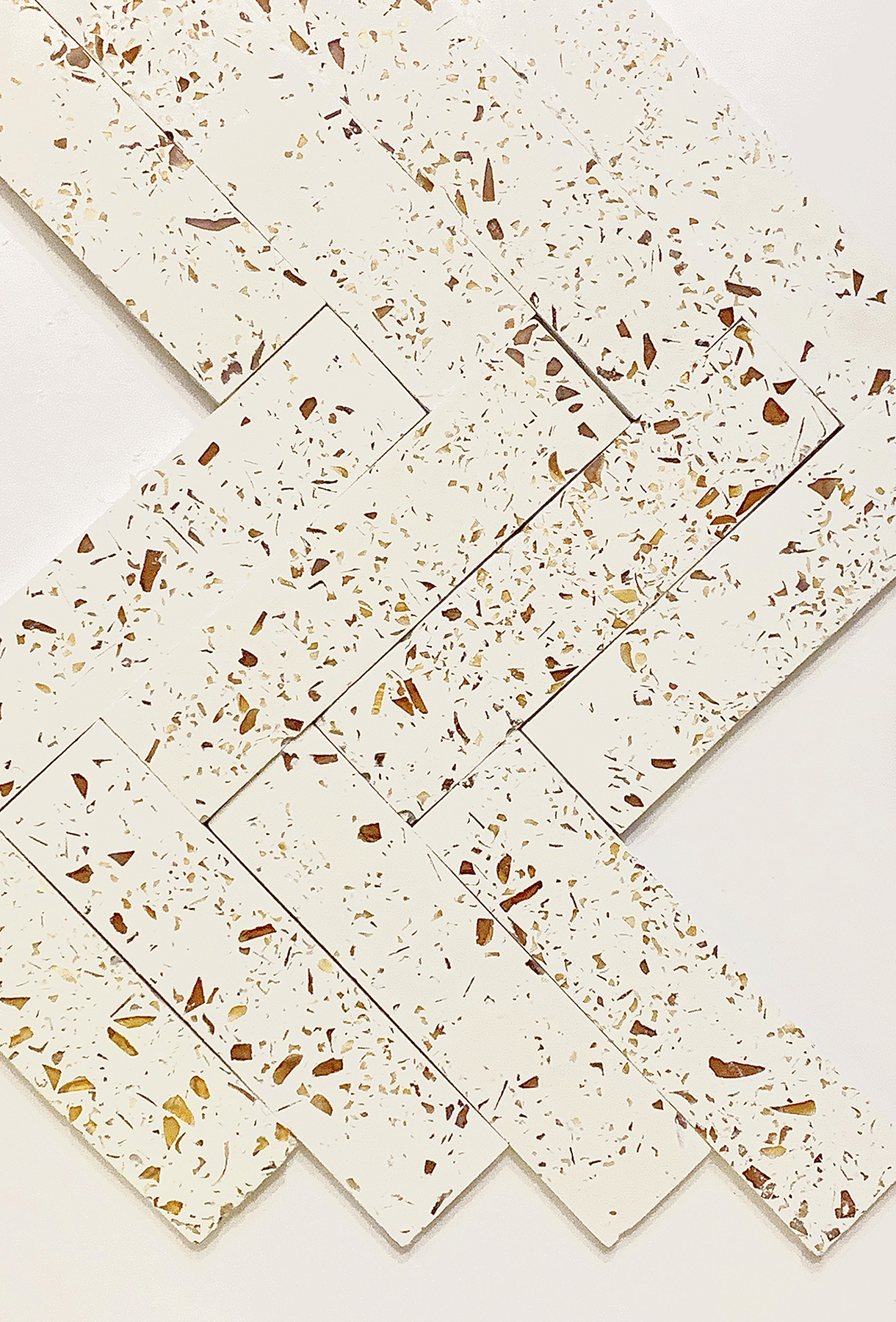
Another Ordinary Coastal Living
Gigi Tsz Yan Wong, MArch (Year: 5)
The project looks at introducing new ruralism to coastal towns that are currently in decay and decline. Taking Cromer as a testing ground to revitalise seaside towns, a new infrastructure that brings work into the coast. As the past few months have shown, we are no longer are limited to working in cities so why not work by the sea - a calmer and beautiful environment to be in. This brings a new economy to Cromer - instead of only relying on seasonal flux and tourism, the newly built infrastructure is a series of spaces for work and living. The intervention sits in a leftover space between Cromer and Overstrand, linking and creating a network between the two towns.
On a grander scale themes of designing through families, change and repetition was explored. As well as the matter of the in-between space. It also opens up awareness regarding the current seaside erosion issues through the proposal of a living seawall.
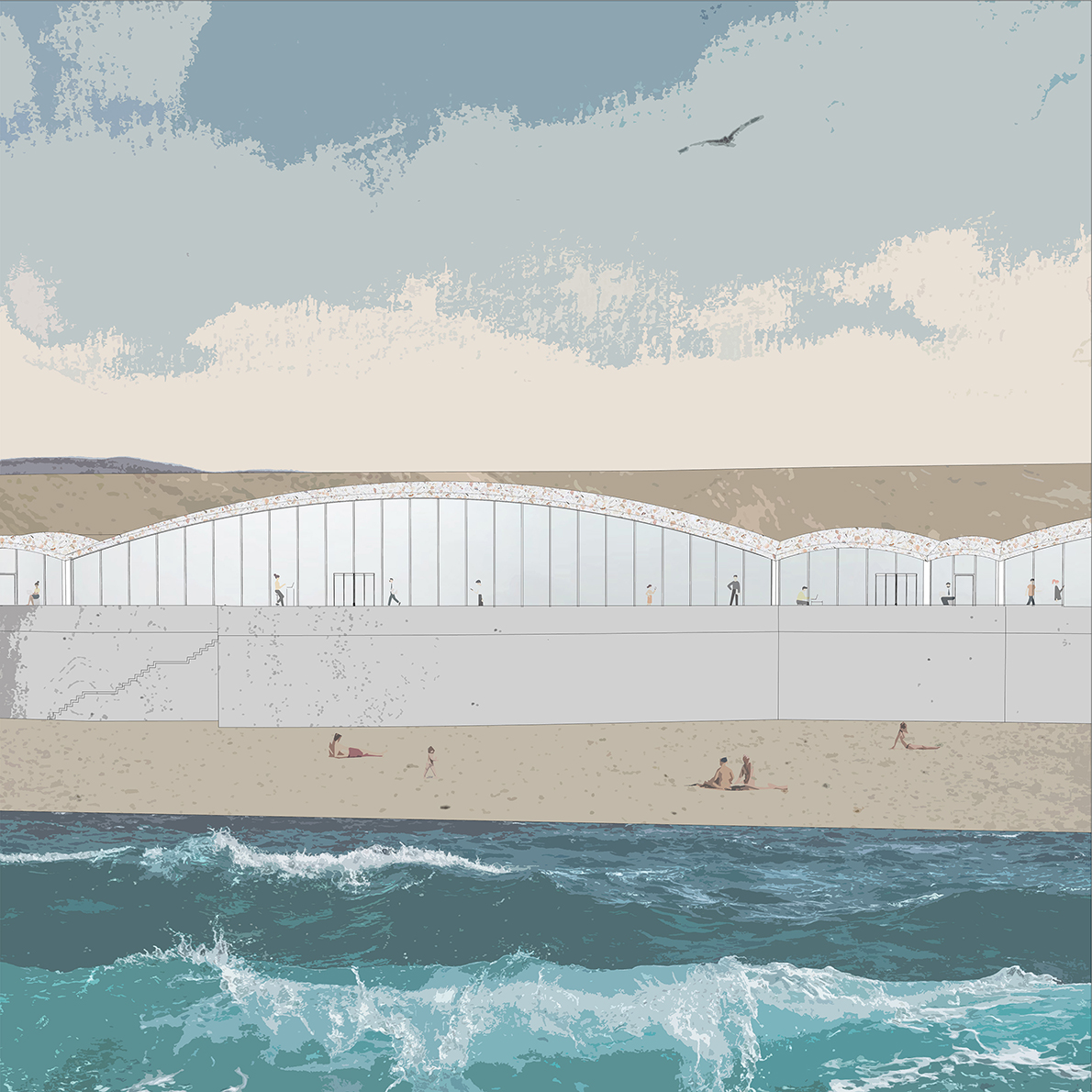
Blurring the line between work + play
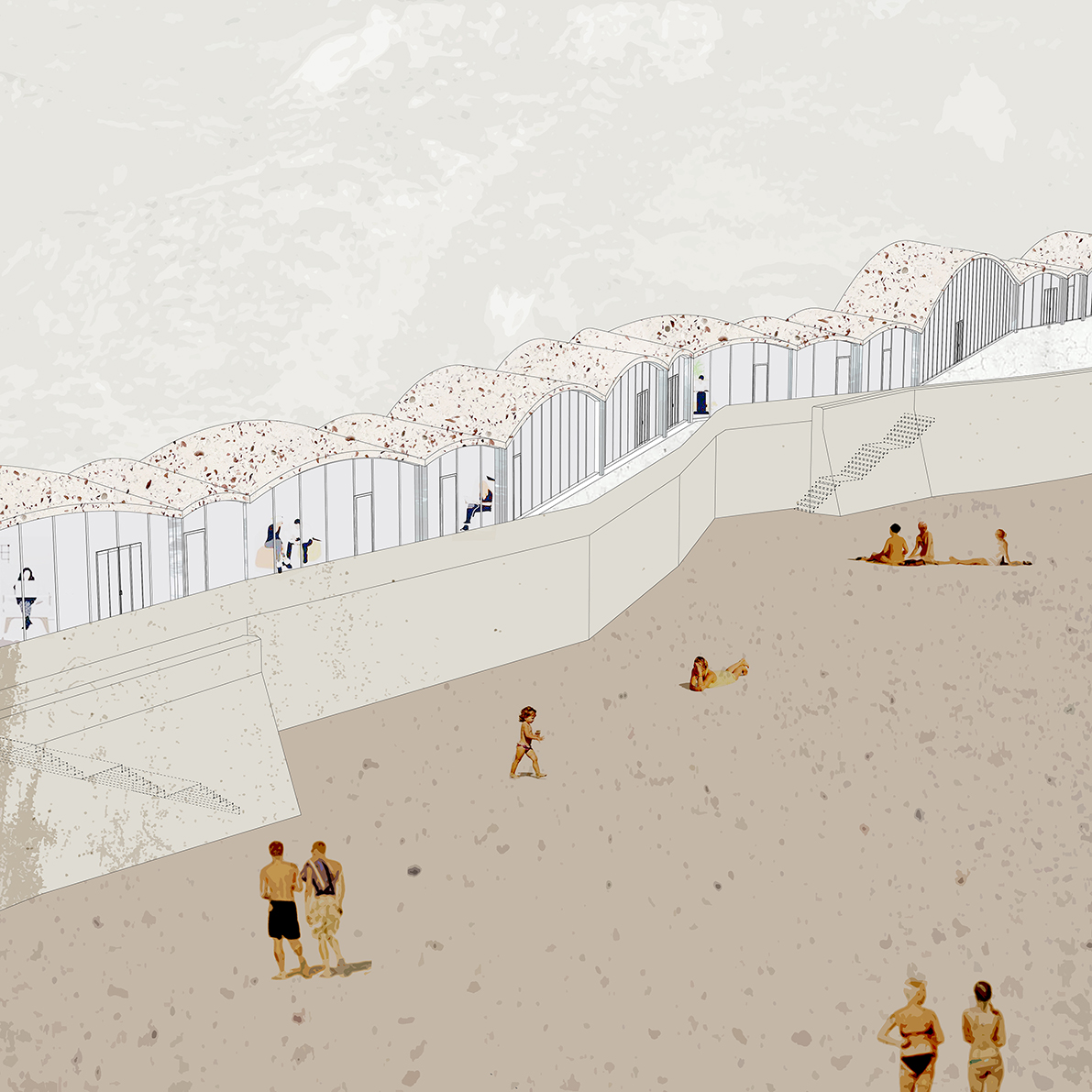
Collage_Beach copy
Blending into the site with materiality- the proposal is an extension of the landscape
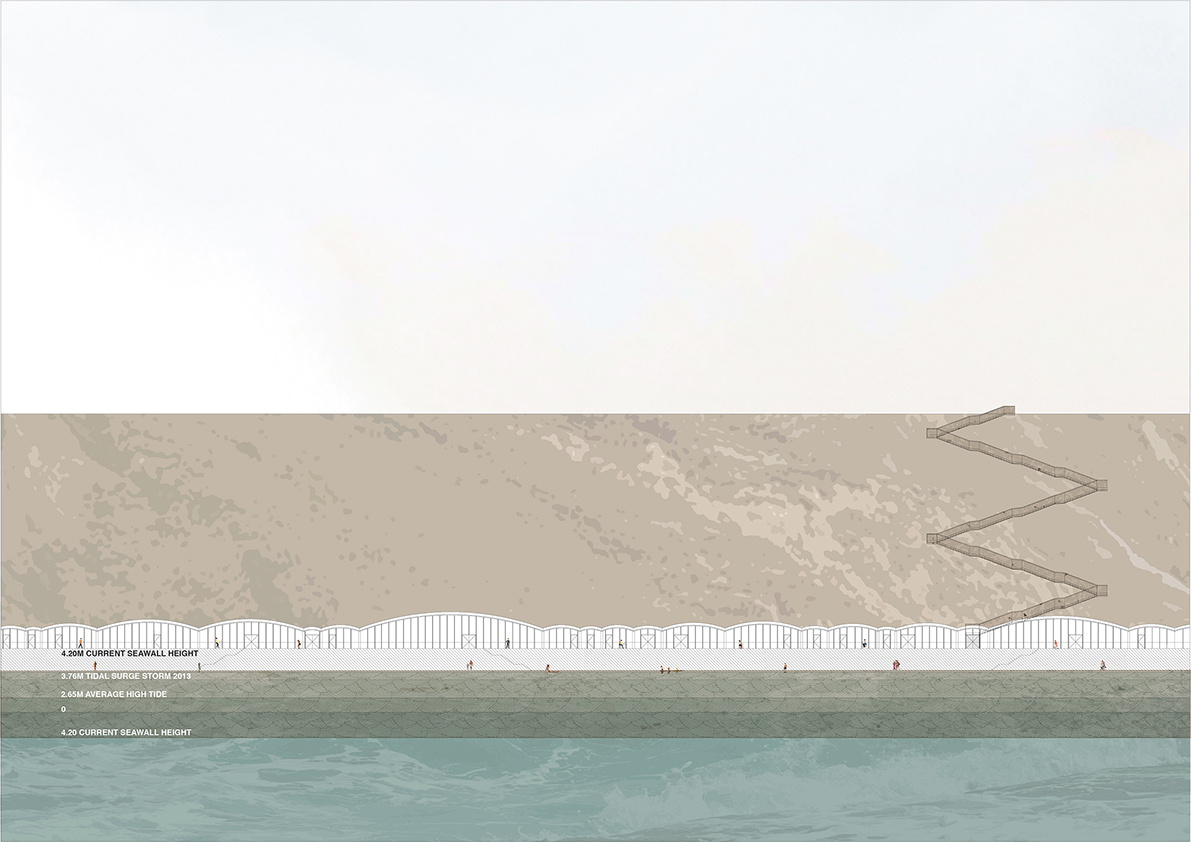
The roof geometry and height reflected the space underneath and creates a changing rhythm, the heights are based on the calculations of predicted sea level rise
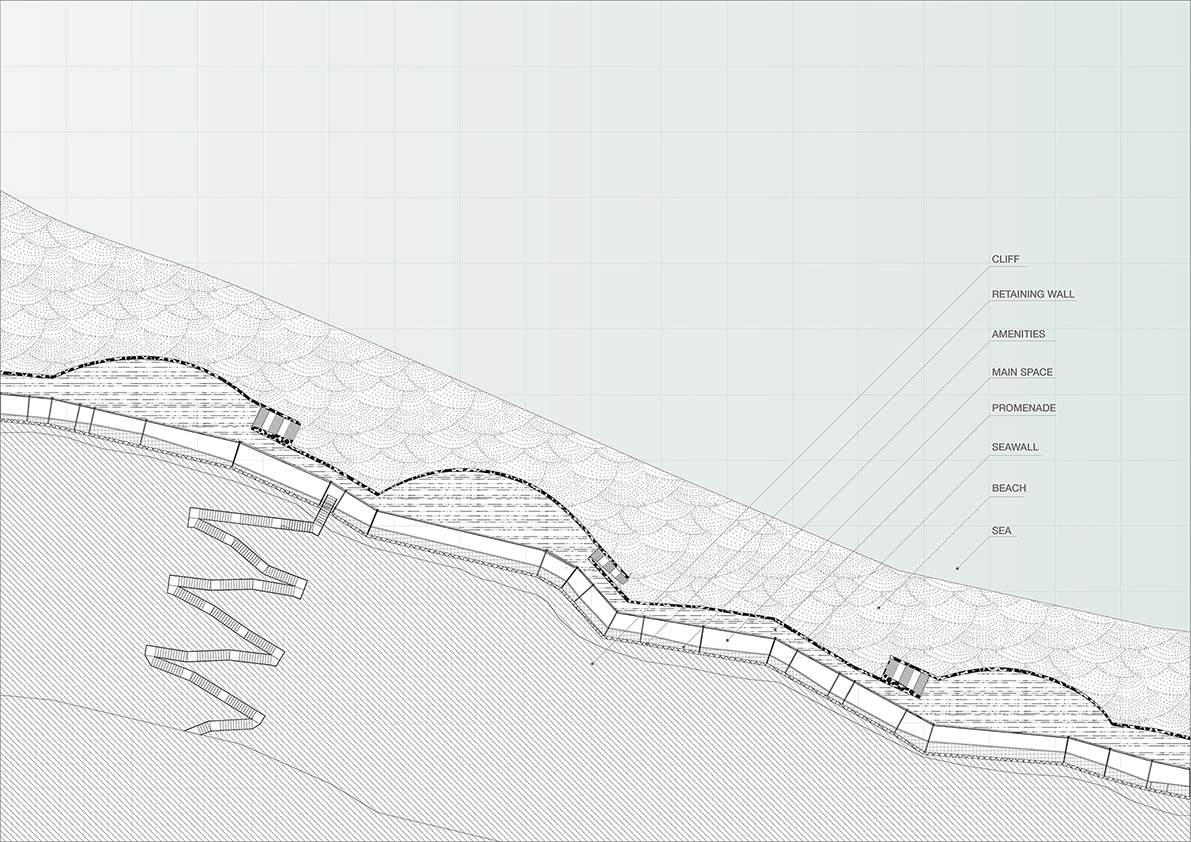
Repetition and Change- The geometry is generated through the coastal landscape, then formed from the existing cliff junctions that articulated the main partitions and change in angle. The structure is
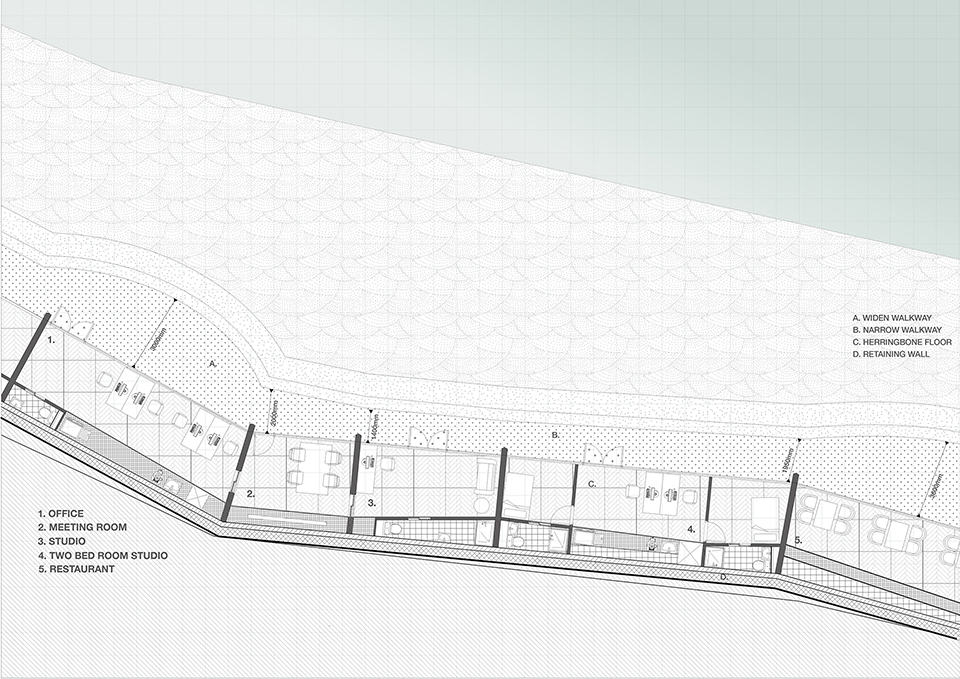
The inhabitable seawall - different variations of living
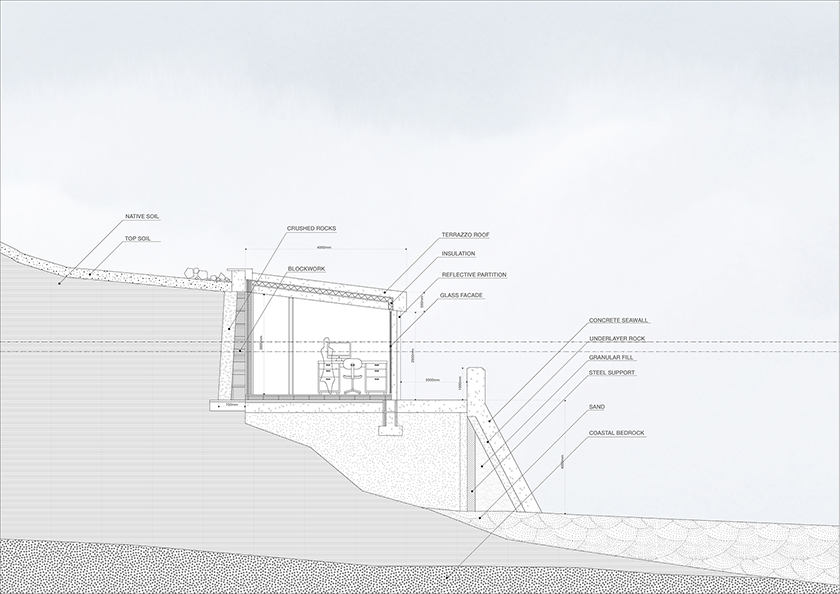
Cross Section
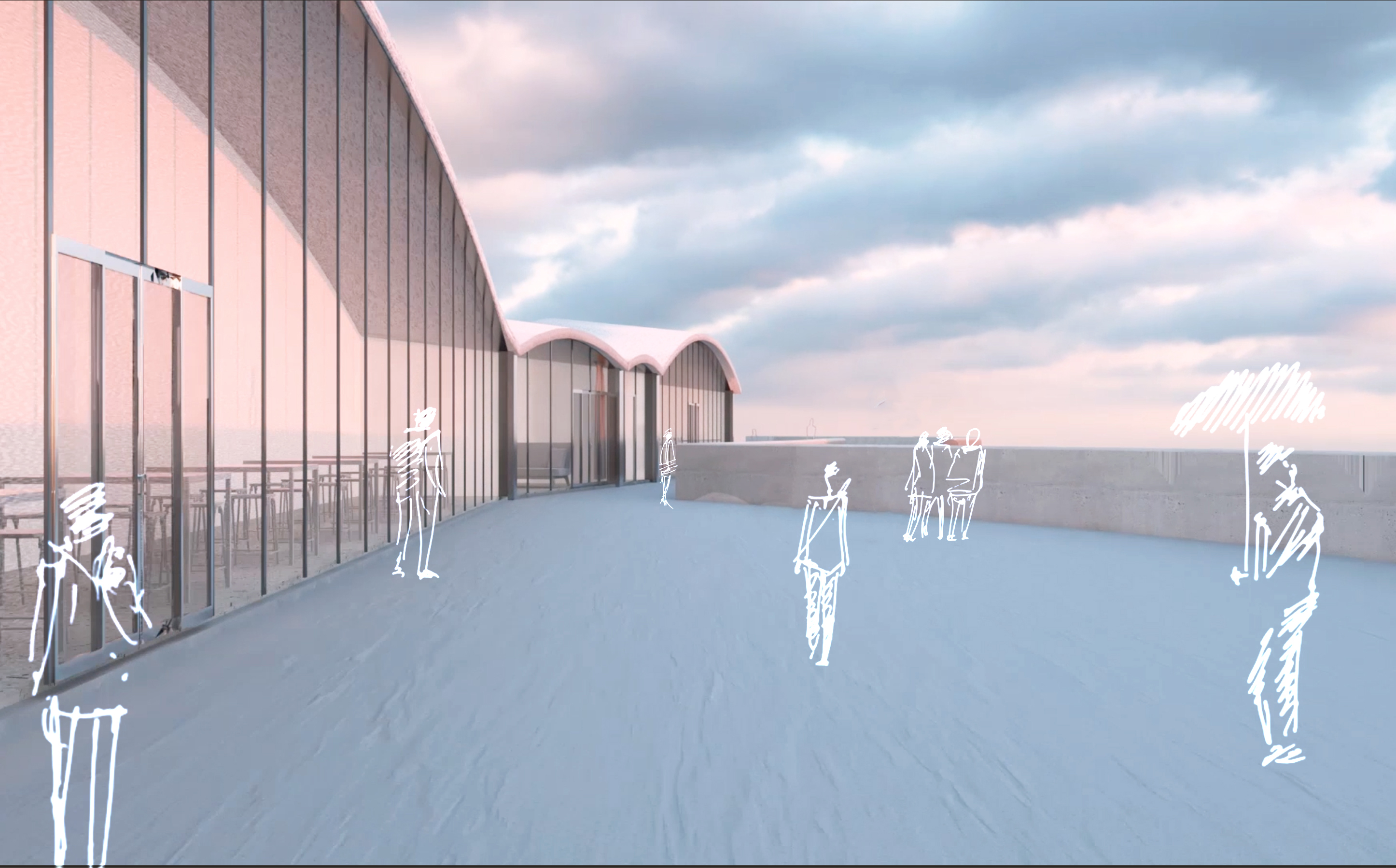
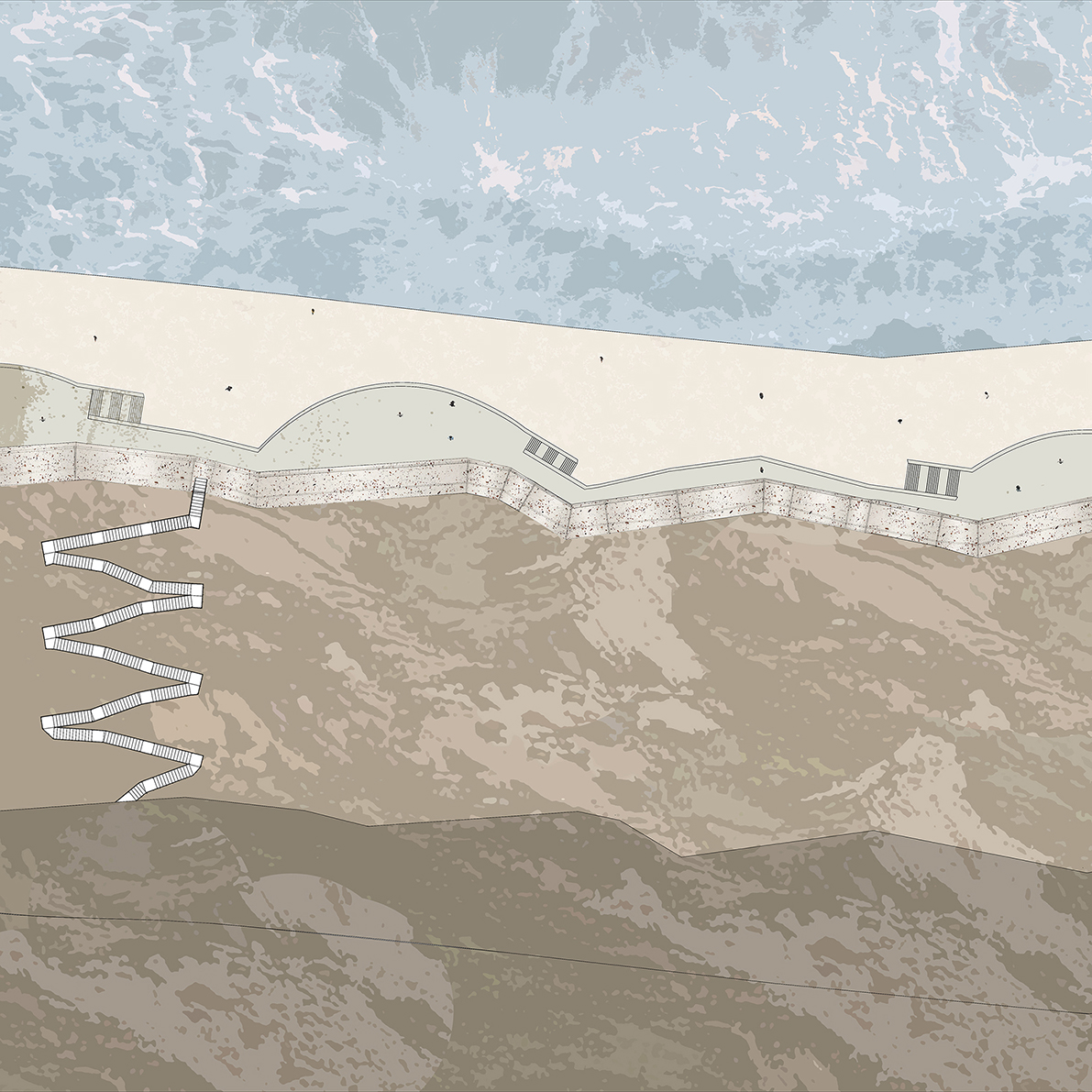
The promenade changes in width based on the set programme of the unit ie. outside a bedroom it will be narrower, but adjacent to a public space it's wider to allow social gatherings as illustrated
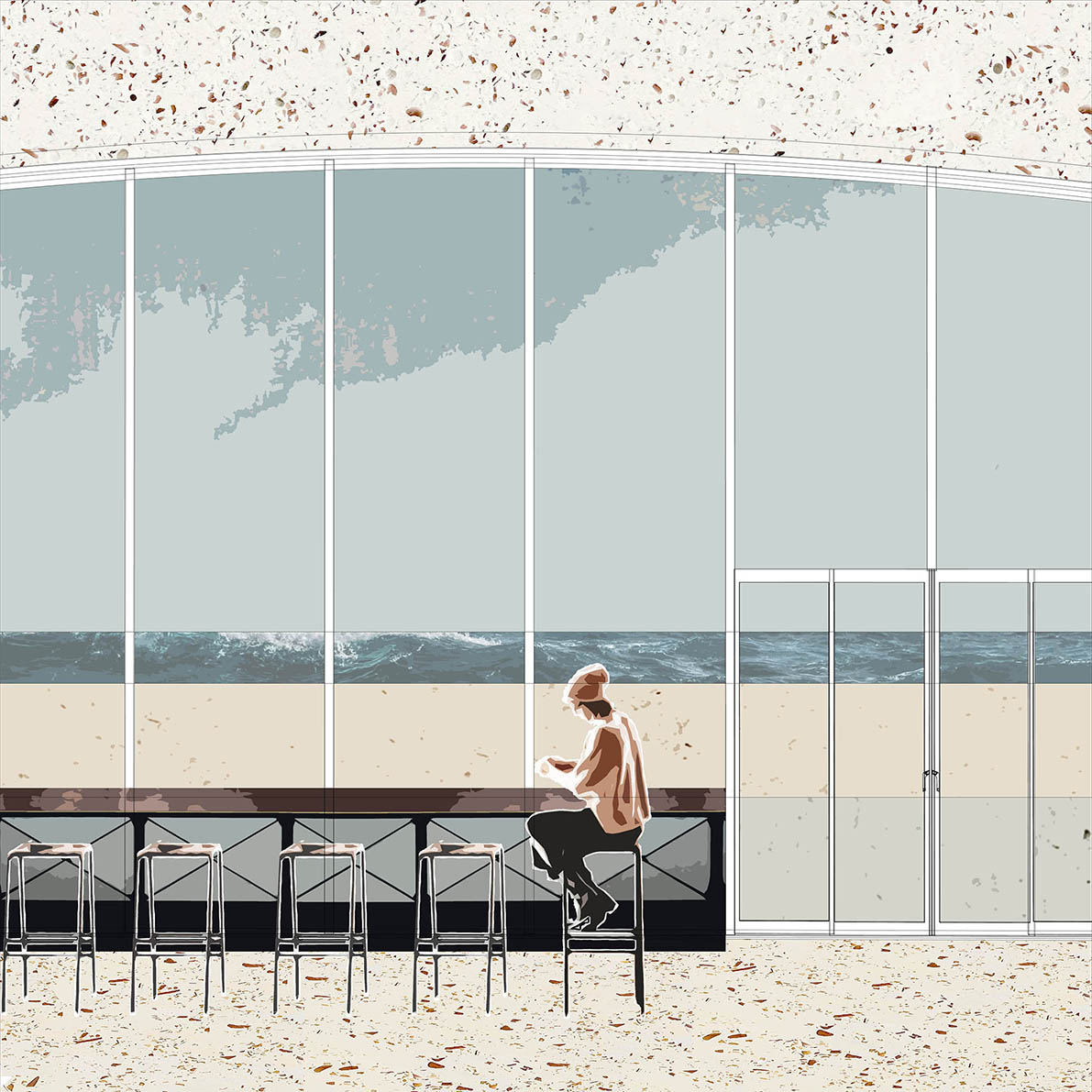
Other than work + living spaces, large opening public units are there to support the other units, such as restaurants and co-working spaces