London is dominated by two opposing values: one financial and the other historical; one erases and replaces, the other uncovers and de-temporalises. That which is squeezed in between these forces occupies the uncertain ground that DIP11 will respond to creatively, proposing values that could counter the dominant patterns of neo-liberal urban transformation.
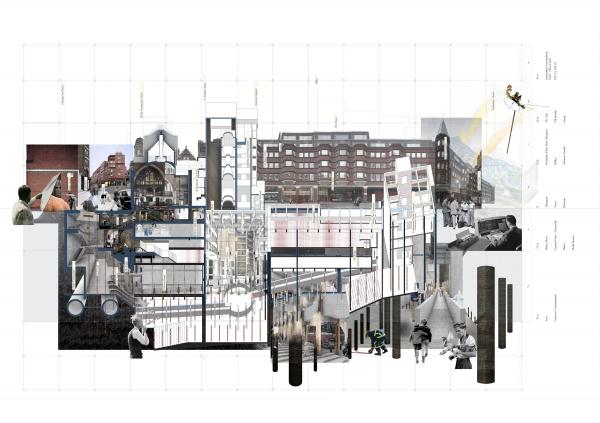
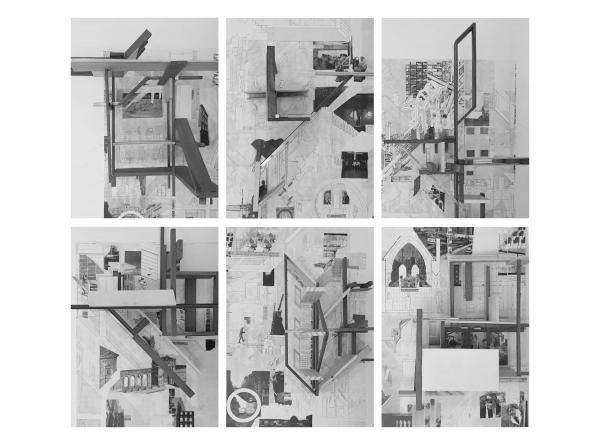
We see London as a project of collage. Its unique architecture and successful spaces often occur by accident, celebrated as characterisations of its dysfunctional charm. The unit therefore engages with the unspoken rules that encourage freedom within this framework of collaging, questioning how design can challenge our capacity to appreciate imperfection, explore the ambiguities that lie between new and old, and grant importance to slowness and smallness in a fast-changing urban landscape.
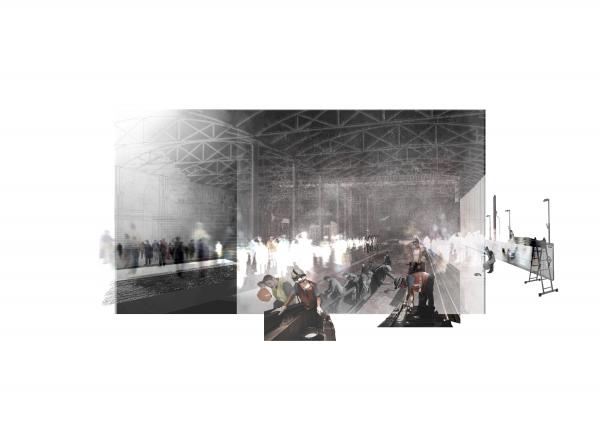
The unit will document inner-London communities, charting the various ways of life inside the city that are affected by the rapid forces of contemporary development as the sense of cultural tolerance linked to London’s post-colonial past simultaneously and slowly declines.
PIECING TOGETHER
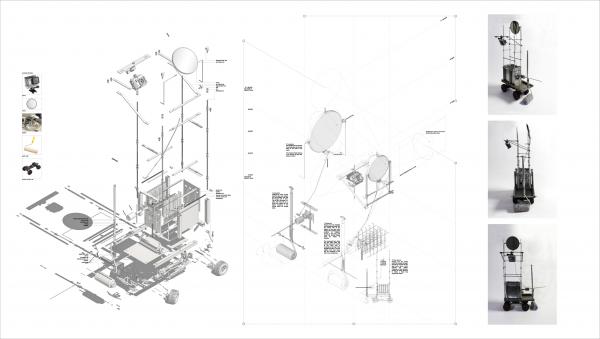
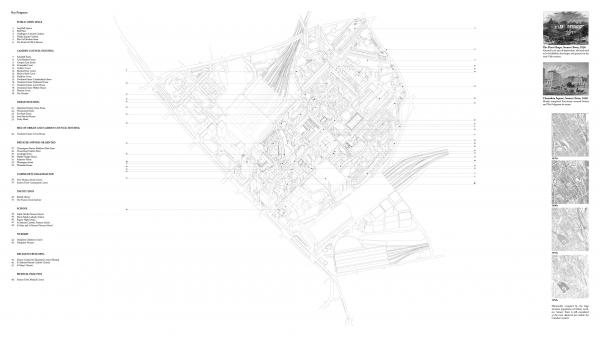
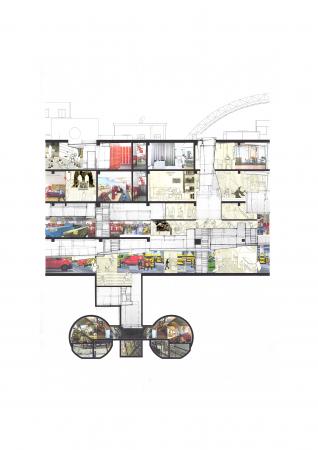
The year begins by collectively forming a field map of London. Each member of the unit will identify a community existing within a three-mile radius of the AA, making portraits that represent who they are, the values that they share and how they operate. Field maps and cross-sections will be associated with catalogues of objects, knowledge and resources. We will design ways of engaging with the community, making tools that trigger active communication by forcing the different languages, values and meanings present to be challenged playfully.
MATERIAL INTELLIGENCE: MEMORY BANK, STORYTELLING OBJECTS
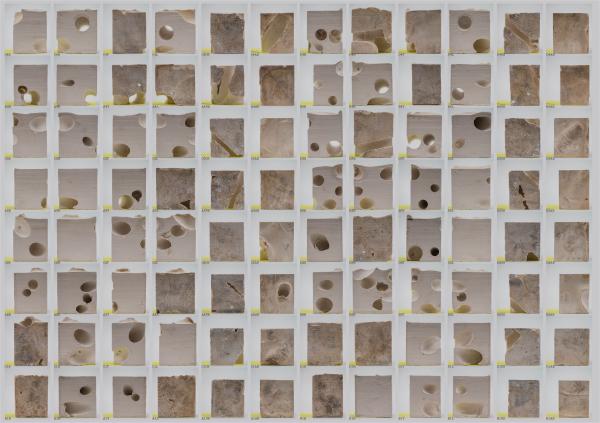
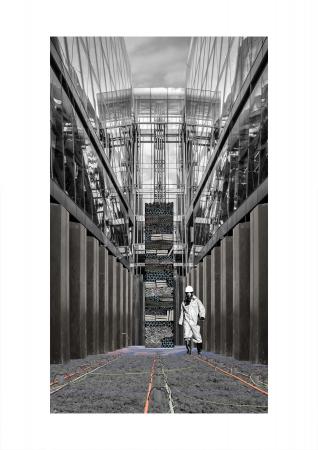
Urban surgery is our design technique. We will be looking at micro-scale, radioscopic views of all the familiar materials that make up the fabric of London (concrete, steel, timber, asphalt, cables, paper, clay, sand and other debris of artificial geology) and fusing the scientific and poetic applications of these familiar materials with our design projects. We will revisit the notion of a climate register, imagining ways to infuse tactile materials with environmental, historical, geographical and climatic data.

 5.jpg)