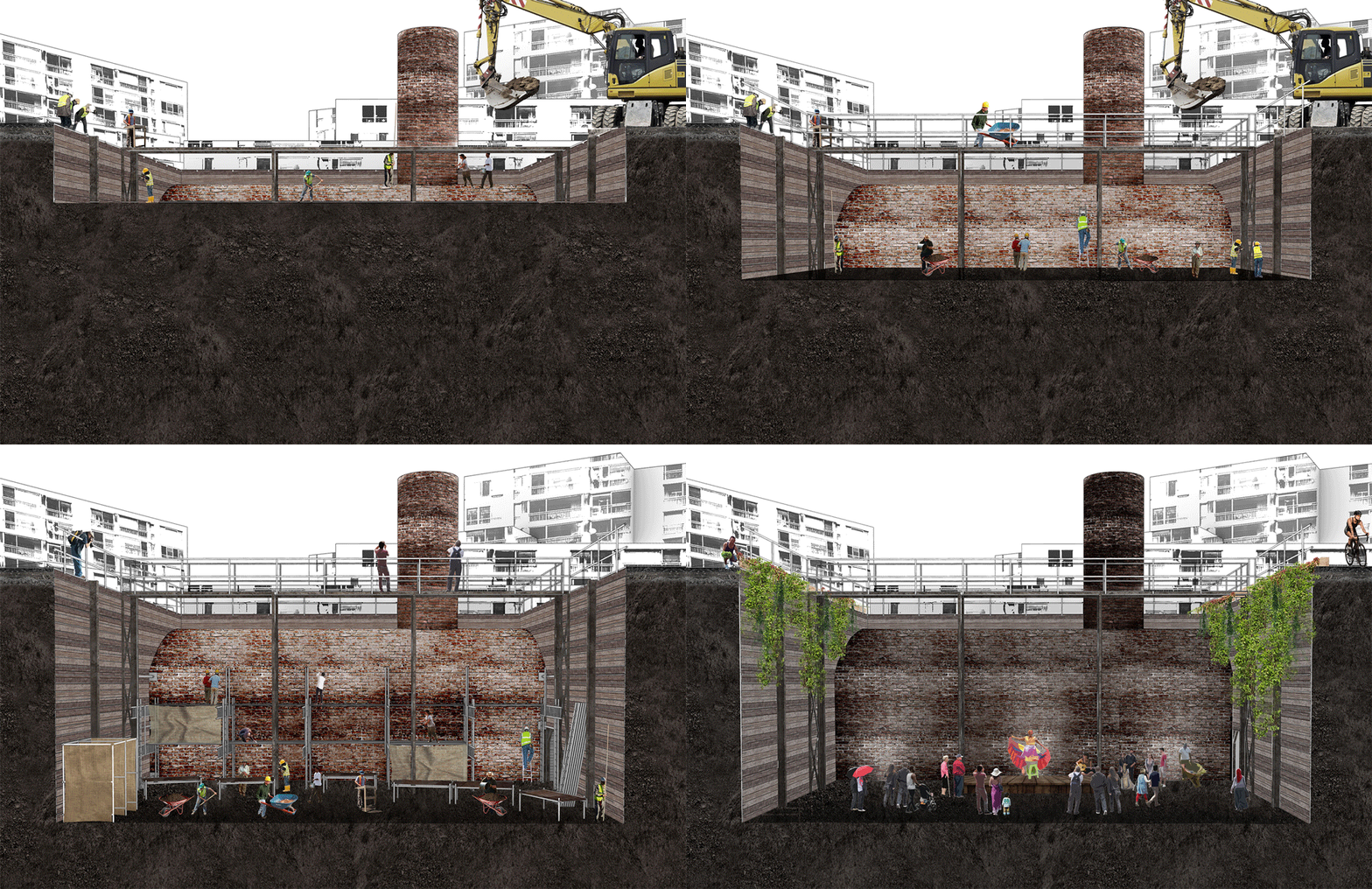
Urban Archaeology is a project that scans and uncovers leftover voids in the city - formed through significant operations on the skin of London - and looks at how these hidden spaces can further generate community value.
By opposing the constant construction and transformation of the city’s fabric, the projects looks into the existing infrastructures of London, to claim a space outside of the common public/private dichotomy. It aims to open up a new space for community use and growth.
With our current attitude of speed and constant change, it turns an operation of slow, archaeological revealing, introducing a proposal of un-making, excavating, and nurturing the latent value found within existing spaces of inner London.
Focusing on what is visible to us but usually dismissed, the project suggests a collection of similar interests with the aim of excavating certain portions of the Metropolitan Line infrastructure, as a means of creating urban gardens, educational events, and community activity spaces.
Urban Archaeology looks closer at existing city spaces as a method of resisting gentrification, and a generator of spaces for many different interests and community benefits.
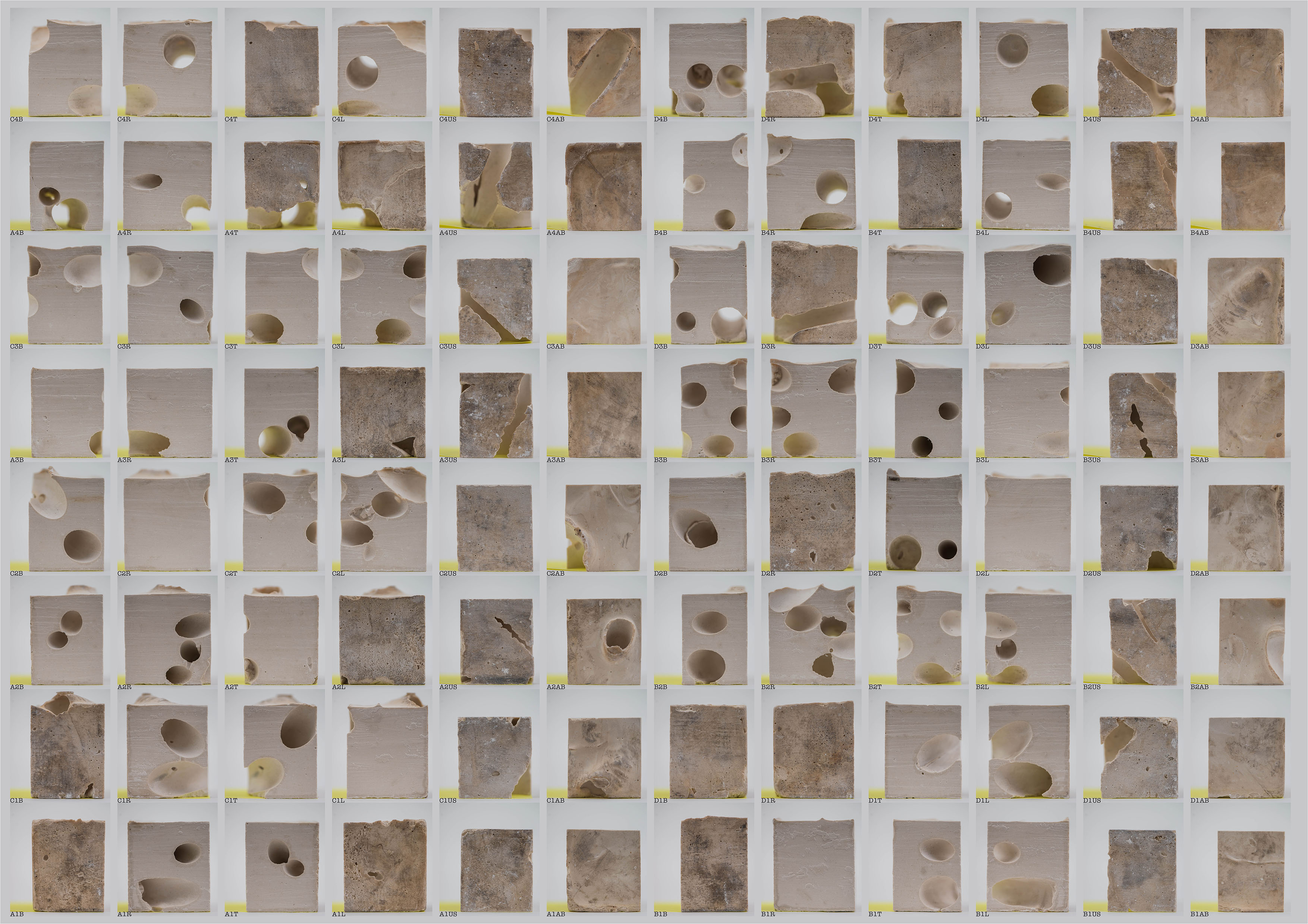
Catalogue of Voids: A matrix containing all faces of the Voids Model - an archaeological record of spaces.
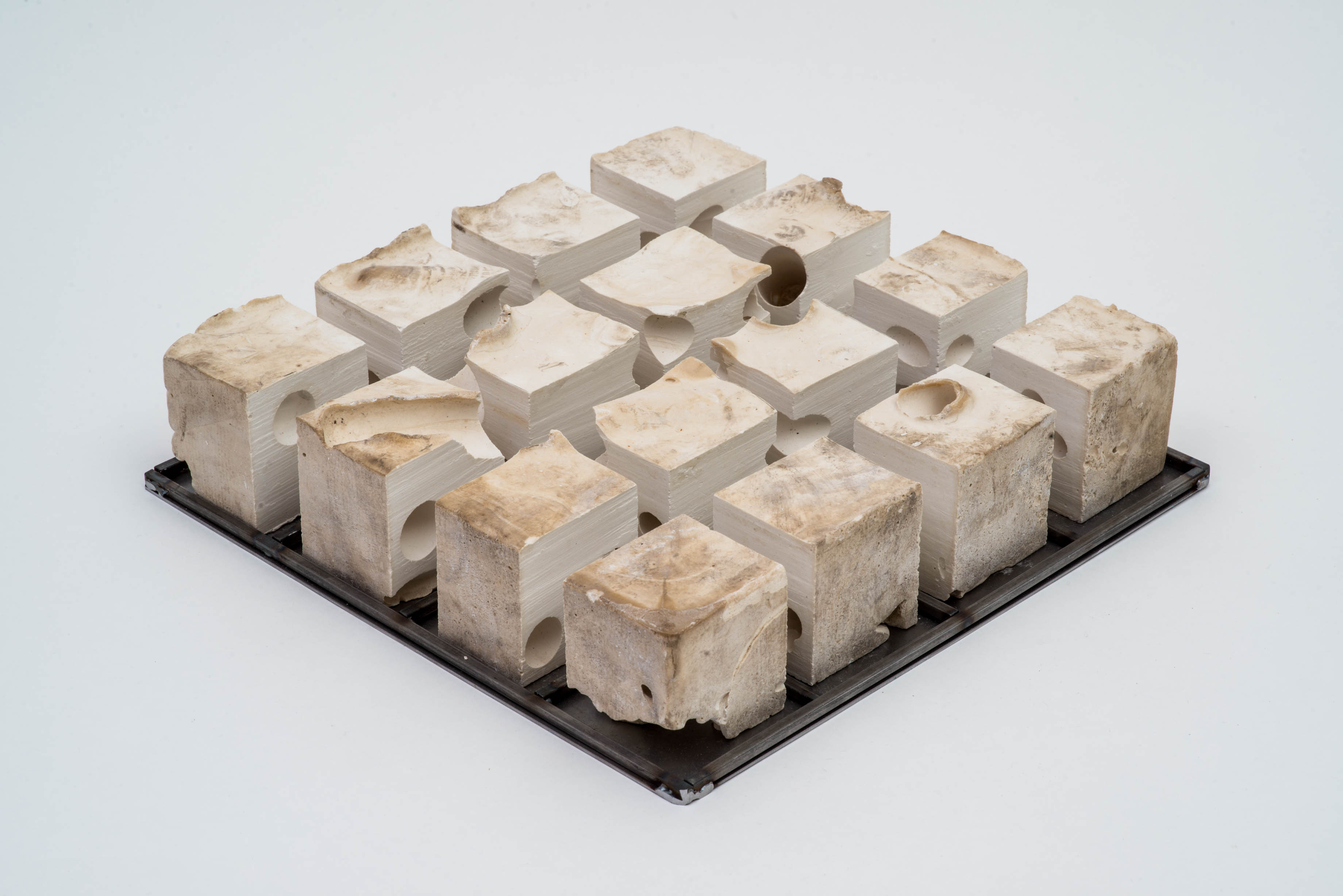
Voids Model: solid plaster cast blocks with cavities created from melted wax candles.
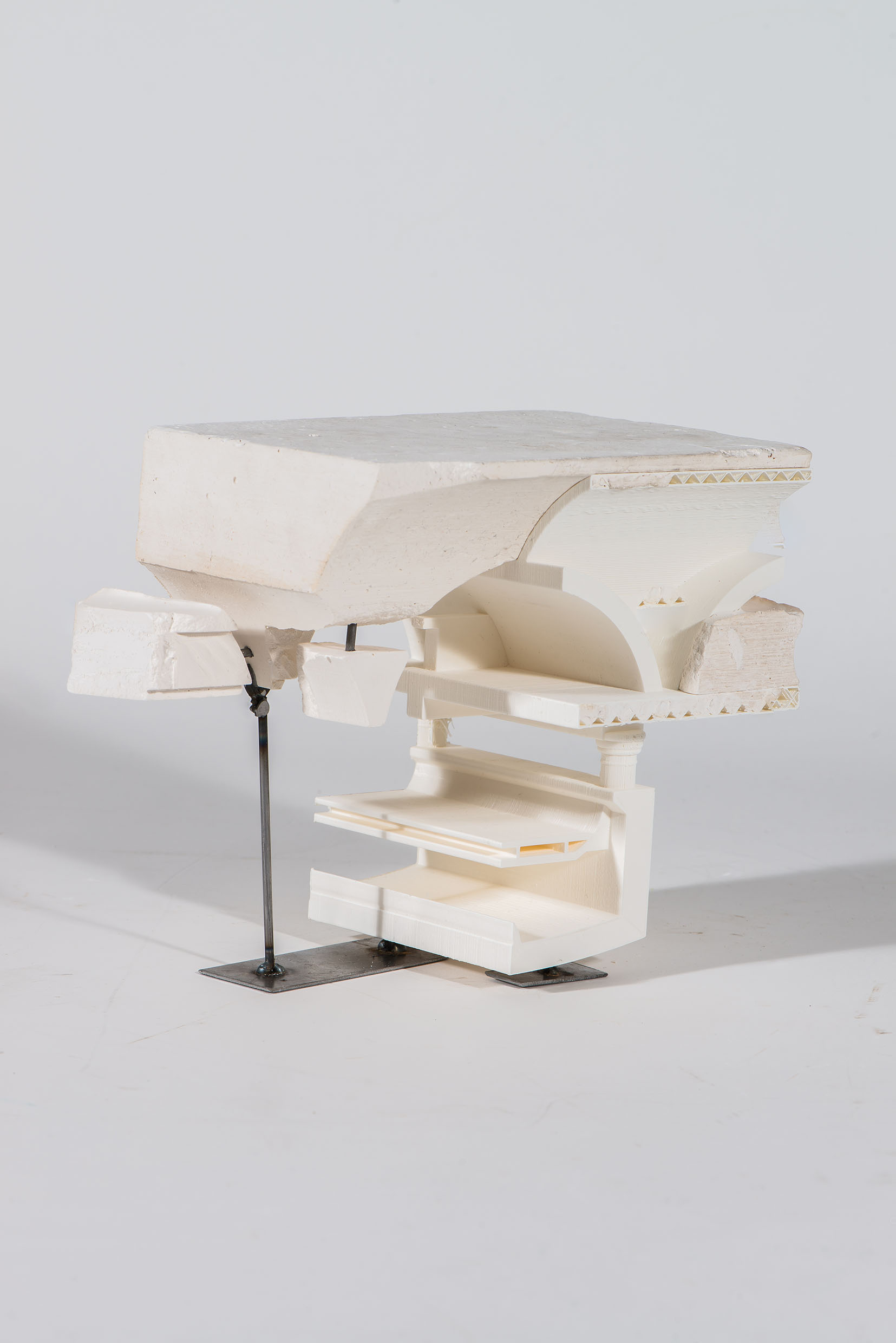
Plaster-Print Model: plaster casts mixed with 3d-printed mold, reassembled and supported by steel armatures.
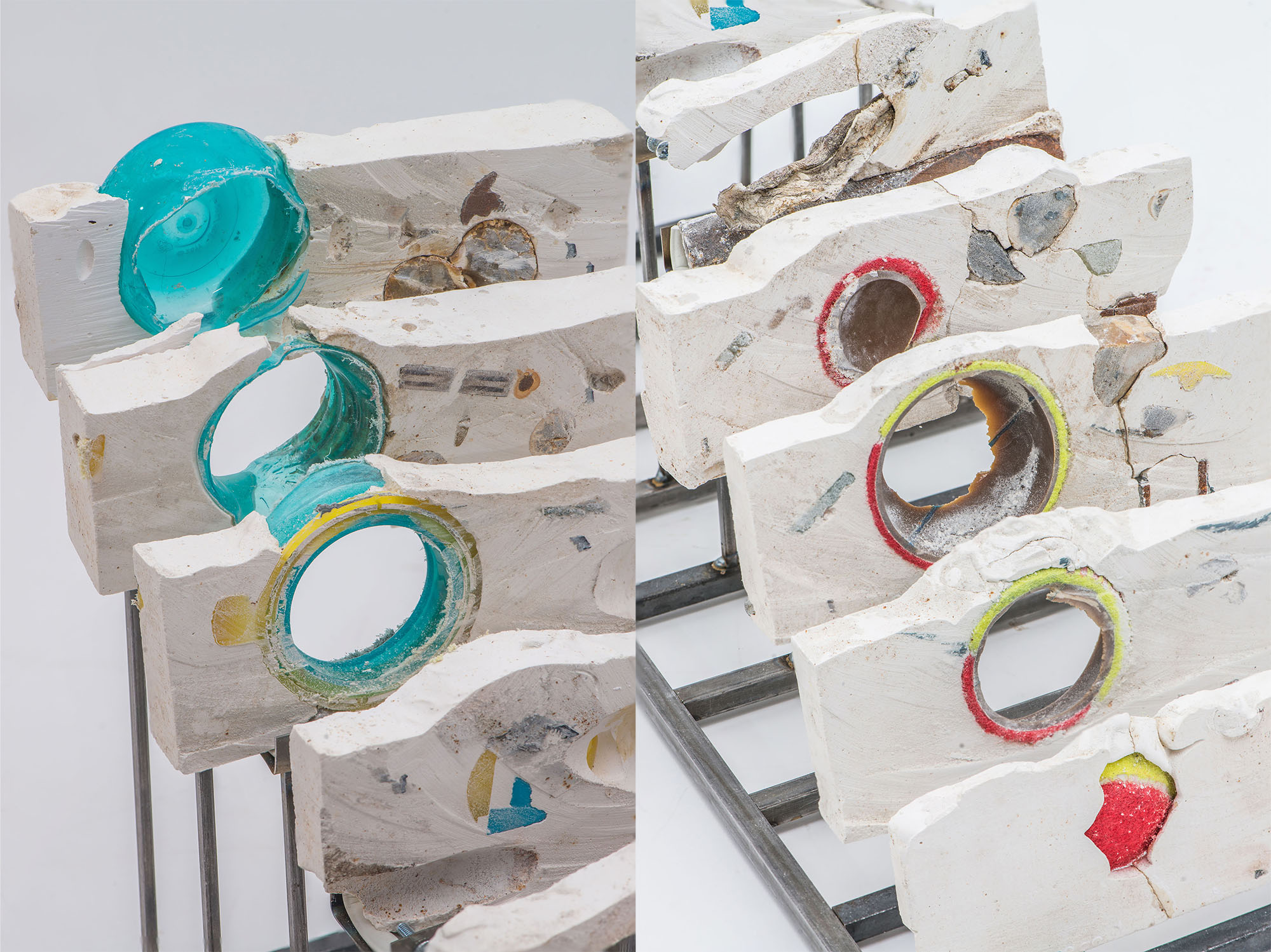
Embedded Objects Model: solid plaster cast containing embedded objects found from community garden, cut up and revealing interior sections.
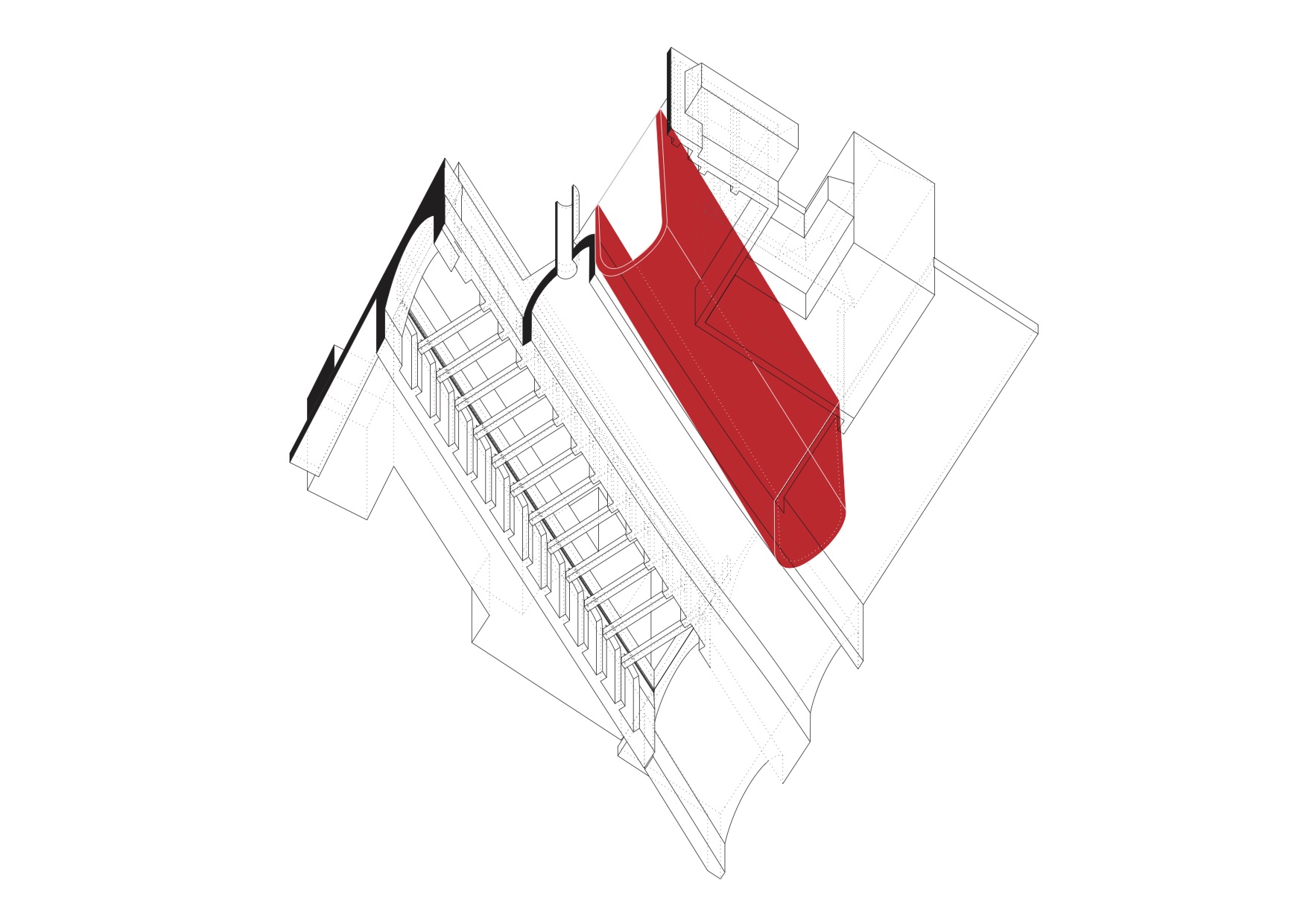
Clerkenwell Tunnel Axo: worm’s eye axonometric with an early concept of reversing the tunnel excavation for a new dig.
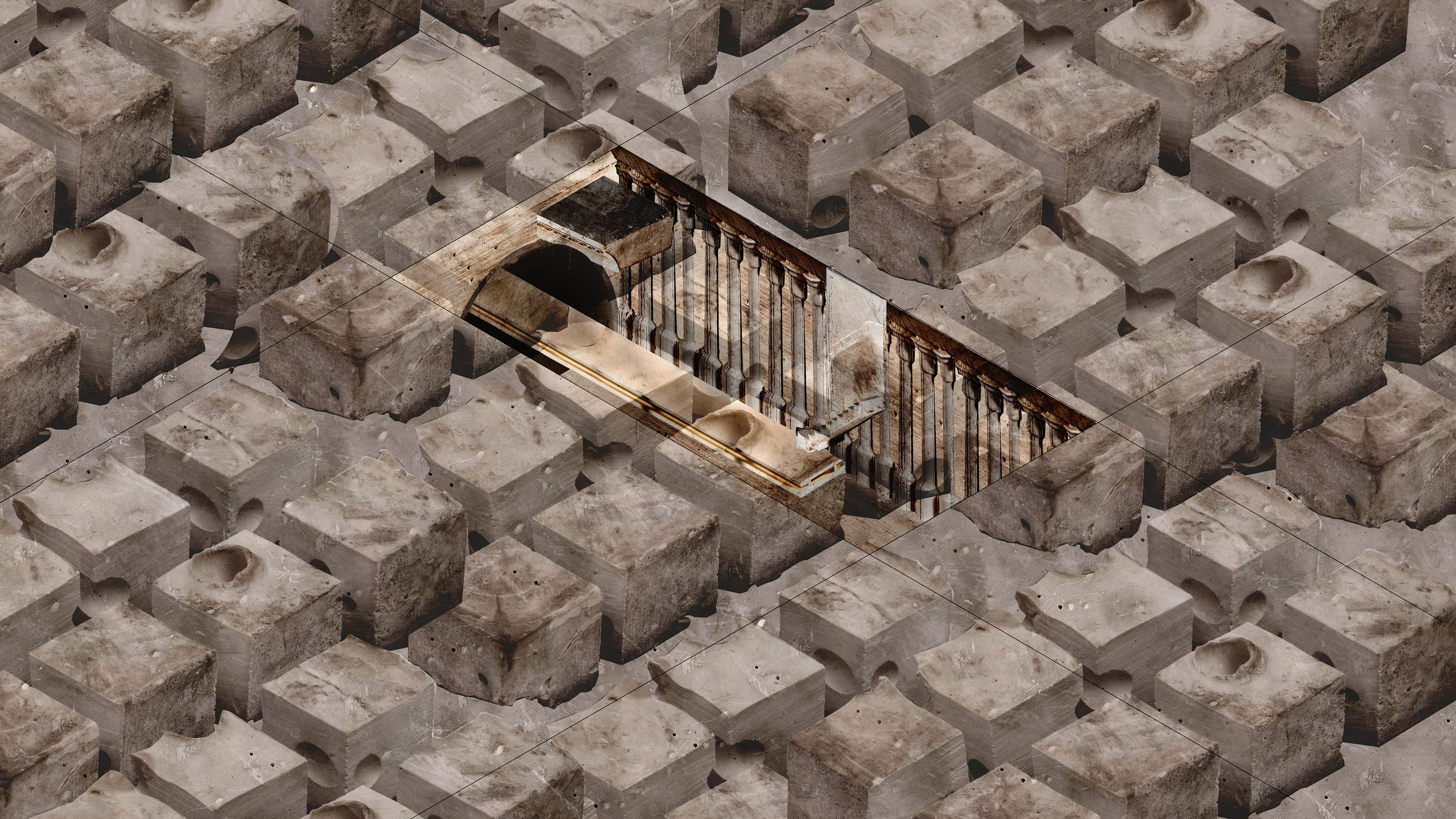
Hidden City Spaces: scanning the city for existing infrastructure; finding value in the spaces beneath.
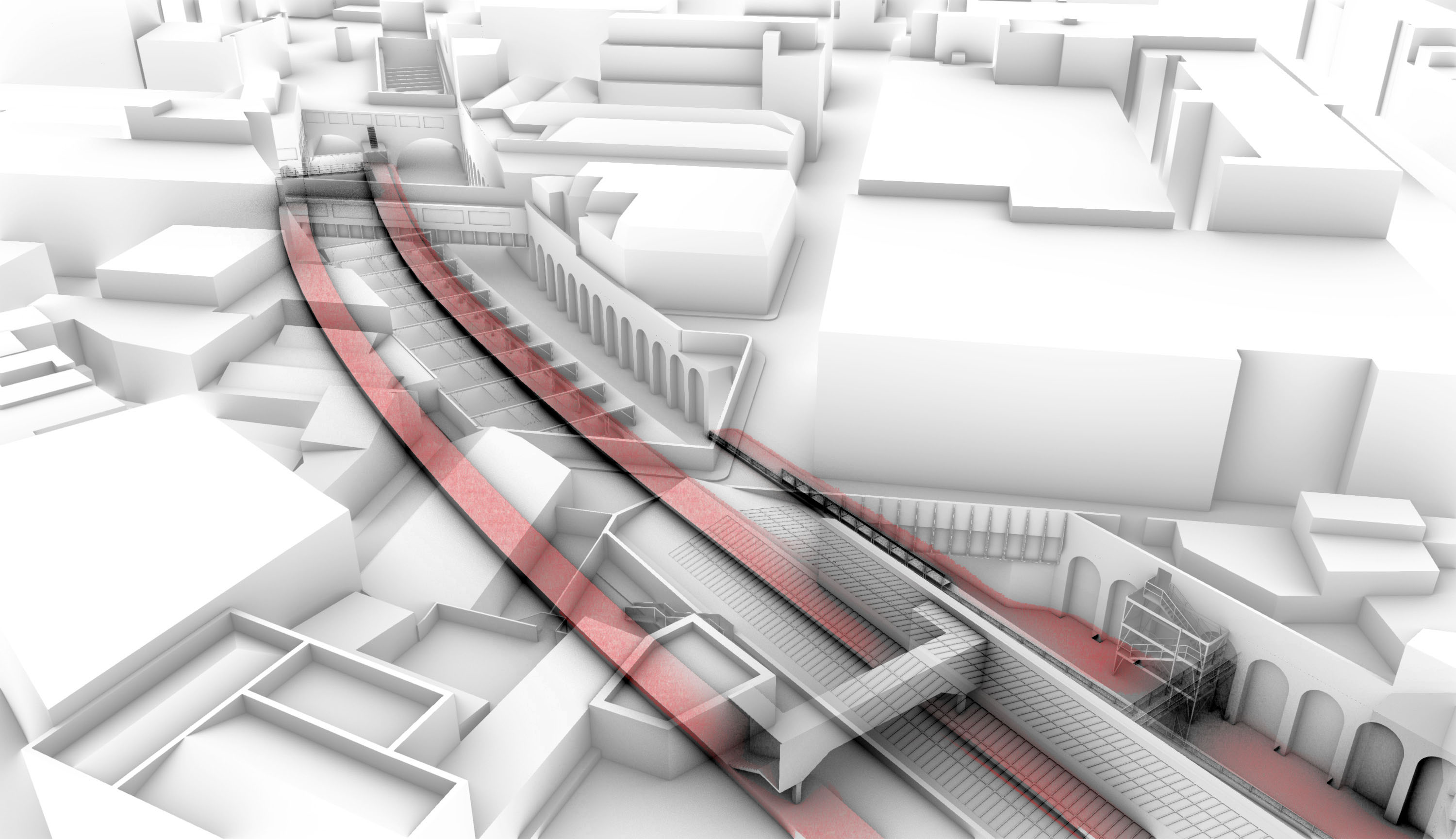
Kings Cross Thameslink: existing platforms extending from the disused old Kings Cross Thameslink station.
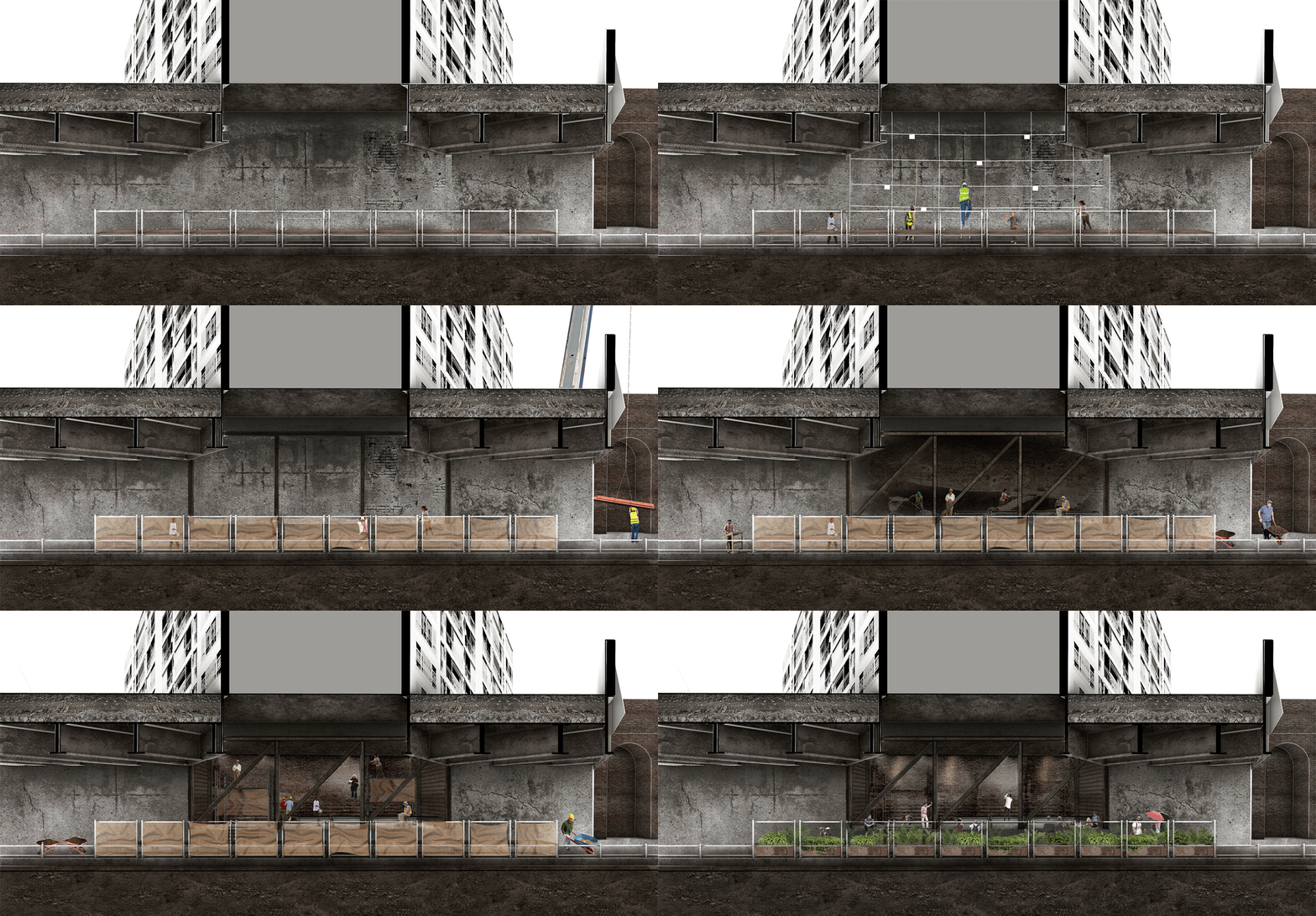
Fleet Sewer Dig: Progression of an archaeological dig, including surveying, reinforcing, excavating and converting for future uses and research.