Diploma 8
Exigent Habitats
Harsh environmental conditions require incisive designs that respond to irregular loading from strong winds, heavy snowfalls, avalanche risk zones and extreme cold. These phenomena are often instantaneous, sudden and unpredictable. Risk of severe weather increases the vulnerability of human habitation to natural surroundings. Housing, in particular, must achieve self-sufficiency in such environments in order to decrease dependency upon external infrastructural networks that can be severed during periods of harsh weather. It must avoid the problems that can be caused by complex material provision and inaccessible, remote terrain. Designing living environments must therefore consolidate solutions to scarcity, inaccessibility, self-sufficiency and specificity of innovation. The existing dichotomy between vernacular housing traditions and the latest innovation in building technology establishes an interesting terrain for the design of comfortable living environments in the harshest weather conditions.
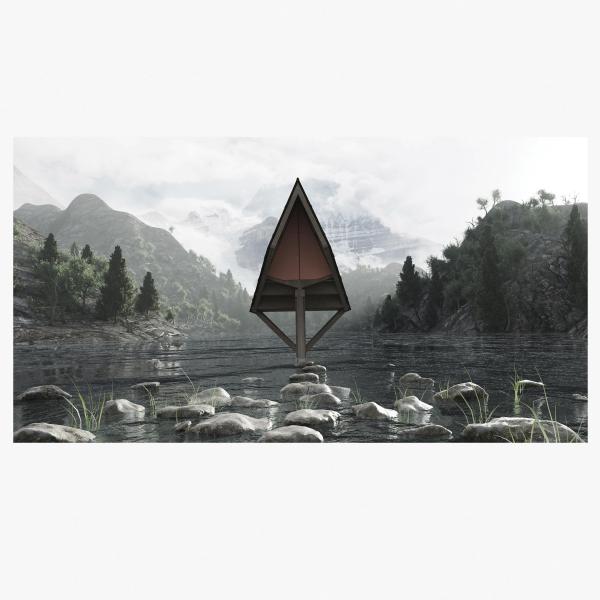
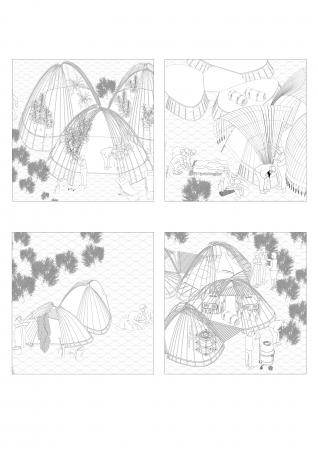
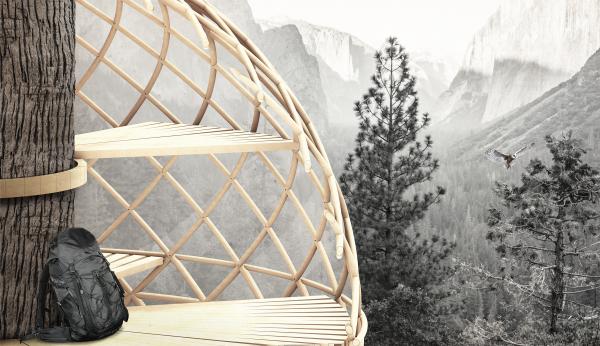
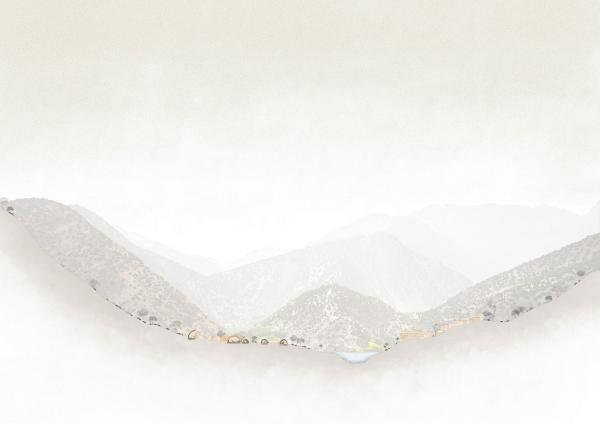
In the first part of the year, we will investigate small scale architectural solutions to extreme climatic conditions. Students will research traditional building designs that respond to risks associated with avalanches, heavy snowfalls, strong winds and low temperatures. As an introduction to building in these conditions, the studio will construct several prototypical designs of a ‘smallest-possible habitable unit’ that will offer a temporary living space for up to eight mountaineers, hikers and researchers. The process will use structural engineering and sustainable architectural elements to produce a shelter within strict design constraints – minimum energy consumption, minimum envelope exposure, lightweight structure and adherence to the limits of remote transportation – and be given a site on the peak of a mountain exposed to the most severe weather conditions.
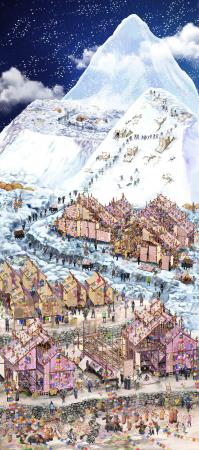
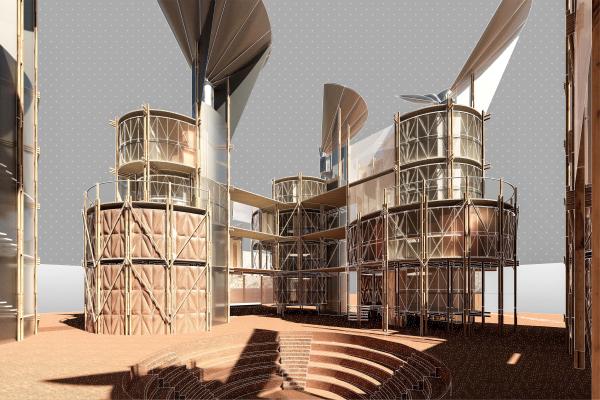
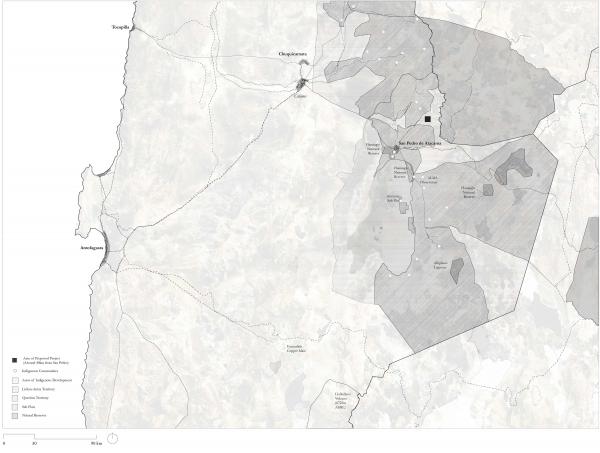
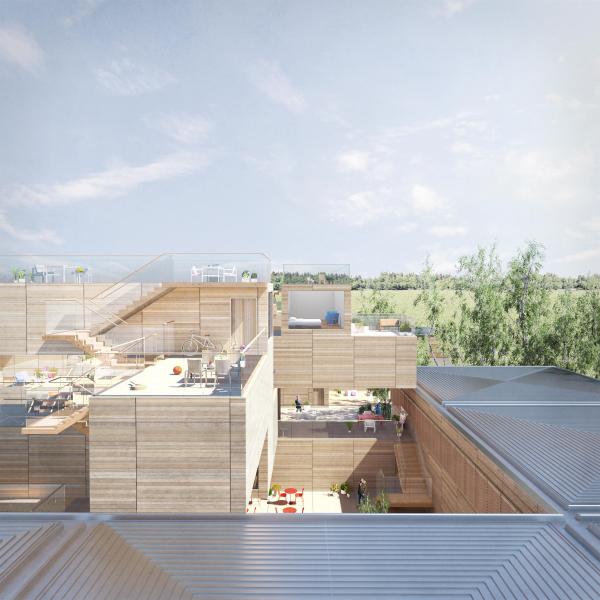
In the second part of the year, the unit will transition to large-scale housing designs in a similarly harsh climate. Students will select extreme areas that require temporary accommodation. Through the continual development of research and the aggregation of the prototypes produced, students will design a comfortable settlement that encourages social relations, respects the environment, has the minimum impact on nature and is optimised for the challenges posed by the extreme climate.