Diploma 17
The Publicness of Architecture: Radical Democracy in Urban Space
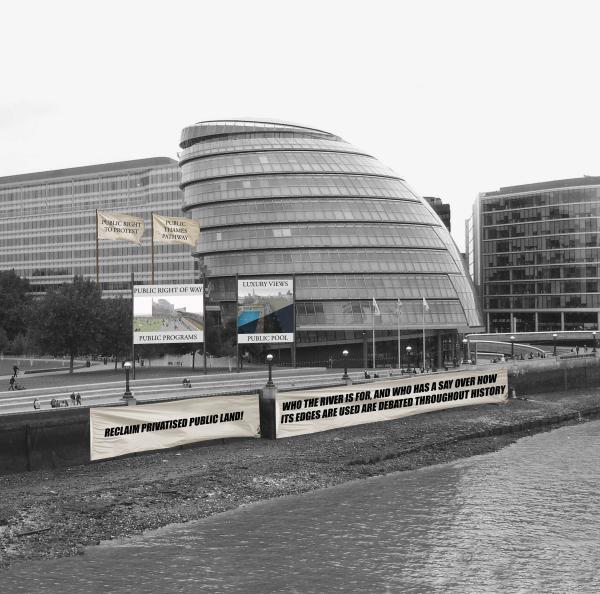
London is our site, and Public-Private Partnerships (PPP) are our leap-off point. This short acronym has become iconic in the designation of neoliberal urban planning initiatives and the financialisation of housing and public space. In such relationships, the public is increasingly and undemocratically interpreted as governmental institutions that delegate the responsibilities of planning and design to private actors – those bolstering the generation and power of capital and embedding inequality.
DIP17 will work within the purview of ‘radical democracy’ and set out to re-democratise democracy itself in this moment of collective crisis. Planning will be read as a ‘setting-in-dispute’ that hinges upon alliances between architecture and bottom-up initiatives that work to ameliorate democratic participation, climate justice, accessibility to public space and affordable housing provision. We will conceive of architectural agency as ‘acting in public’, designing public infrastructures and supporting the commons in three distinct parts:
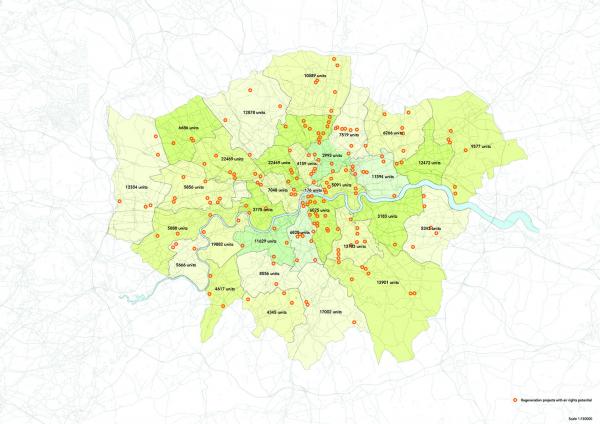
Urgent Tasks / Burning Questions – Focusing on maps and researching urban sites in which public infrastructures have been taken over by private enterprise, students will develop an acute understanding of the city they live in and its processes of gentrification and financialisation. We will collectively determine the role of architecture in this condition, reading and mapping London as a site for critical architectural agency.
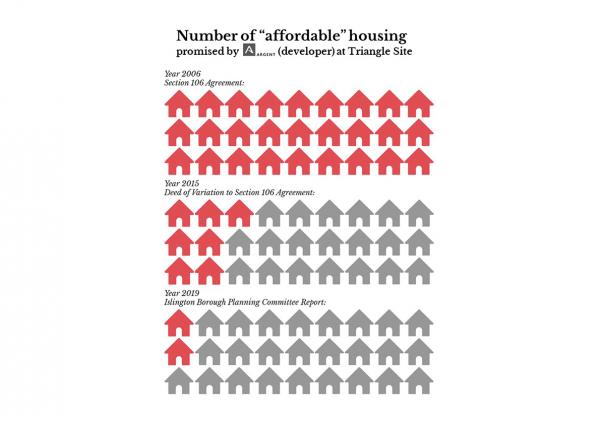
Architectural Agency in the Political Field / Just Architecture – This enquiry will embed an in-depth understanding of planning conditions, land ownership rights, development policies and Section 106 agreements in order to identify the obstacles to, and openings for, architectural agency within the political field.
Forms in the Face of Impossibility / Nonsolutions – Students will develop projects that are situated between activism, architectural reconfiguration and radical engagement. Such proposals for public infrastructures may well be nonsolutions – well-crafted, precise and implementable architectural proposals that respond to immediate urgency of a given issue, but do not deny the inherent contradictions that it manifests. Ultimately, the work will be a testbed for the agency of architecture in the contemporary condition.