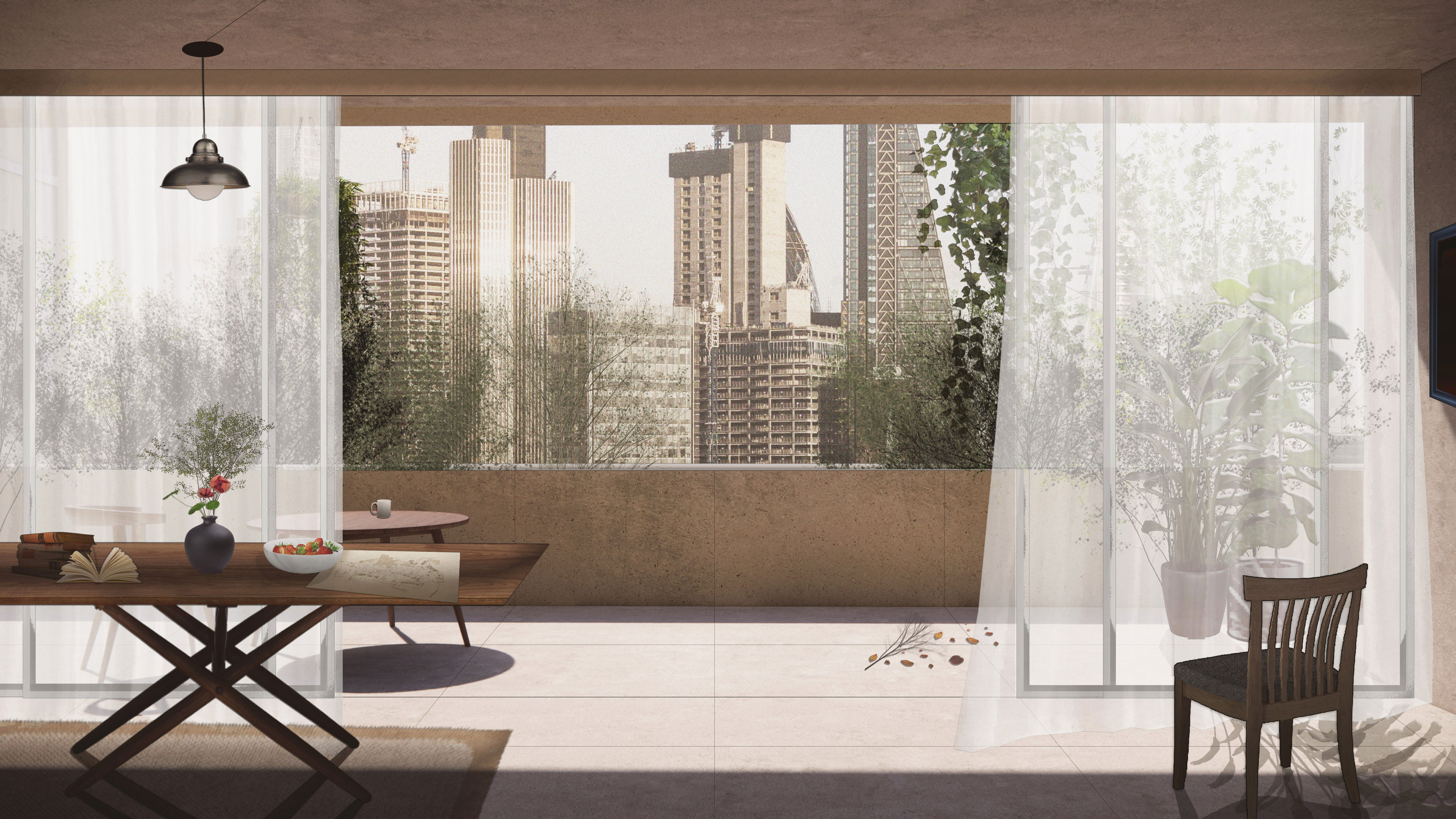
Right to the City
Jasen Kok , MArch (Year: 5)
Right to the City revolves around issues of individual rights within City of London. Where private corporations account for a vast majority of its electoral population. Giving them more say in the running of the city than the public. This Right is characterised by the City’s “pervasion” of Private Corporation based democracy. A nod to Occupy 2011, which resulted in the ouster of protestors from Paternoster Square. The Right to the City, can be nominally achieved through residency within the City - Permanent Occupation.
The project readjusts this with a balanced economic and residential objective. Through
the readaptation of an existing building at Broadgate, into a mixed-used development comprising offices, public spaces and residential occupation. Allowing for radical democracy and economic synergy to rebalance life and democratic power without compromising on the economic aspects of the City. A Private/Public Synergy, the City is not just an Engine of Growth but also one that gives back.
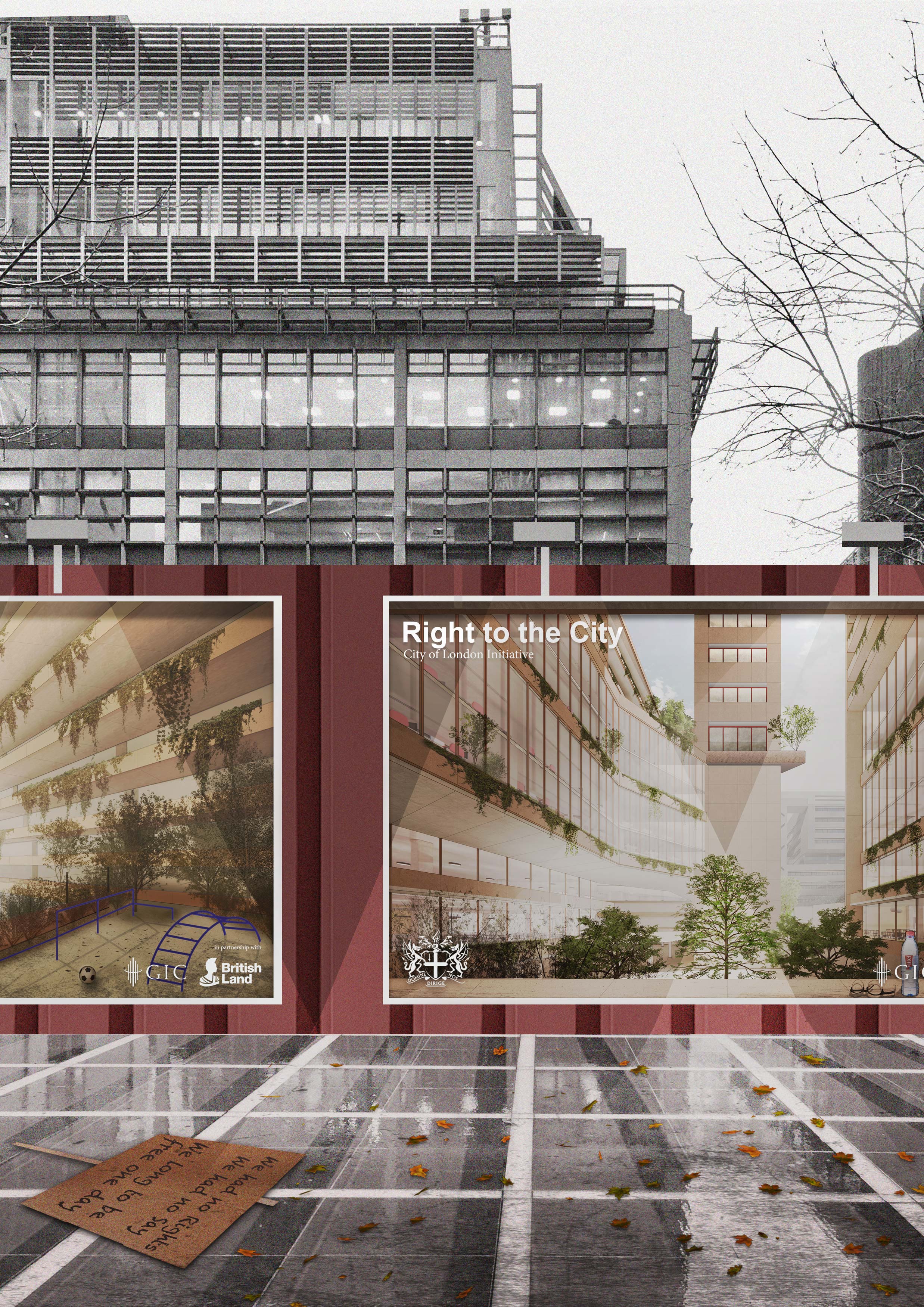
The project aims to readjust this with a balanced economic and residential objective through Permanent Occupation of the existing building by Invisible Workers.
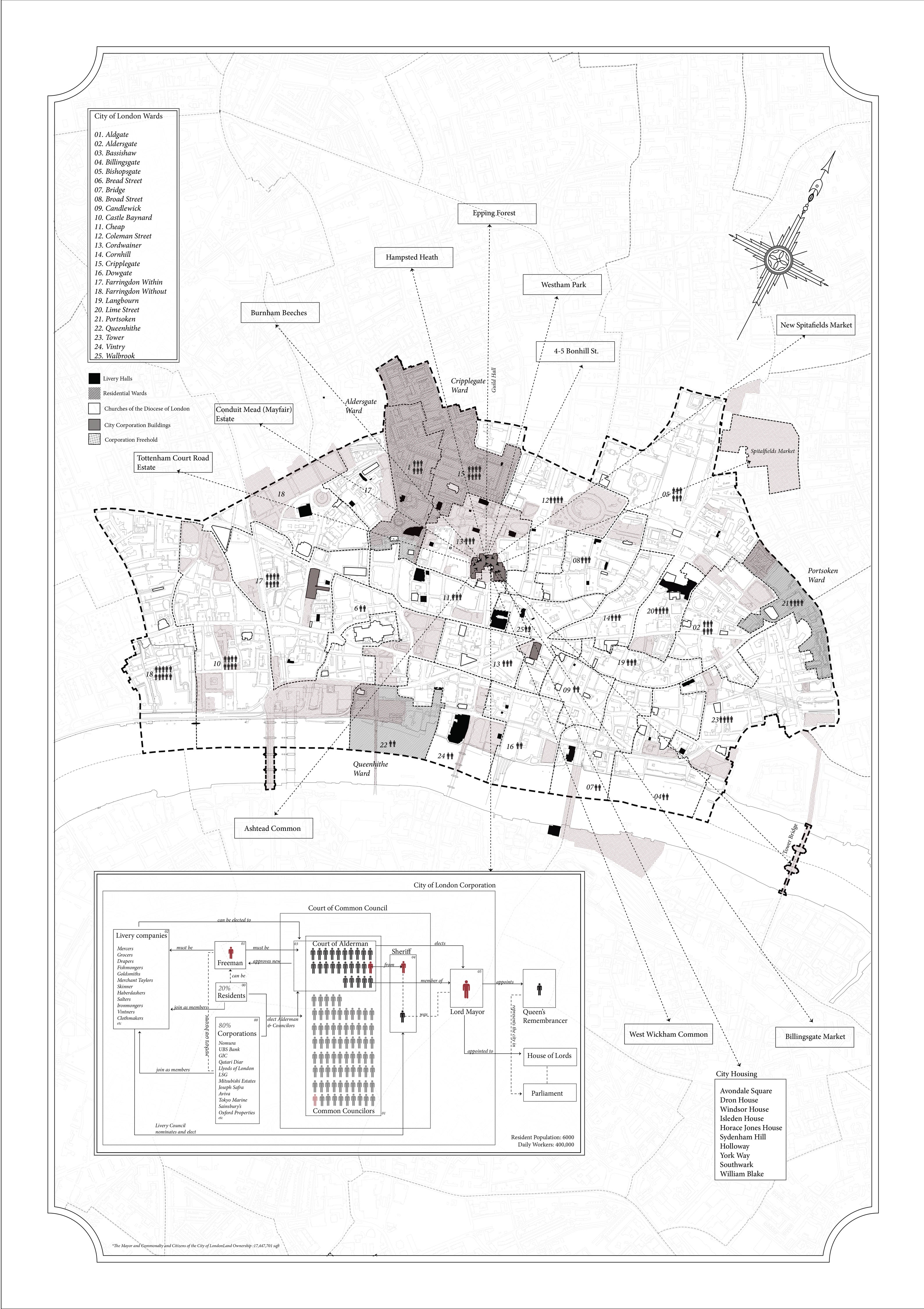
City of London - The Right to the City is characterised by a “pervasion” of Private Corporation based democracy within the City of London.
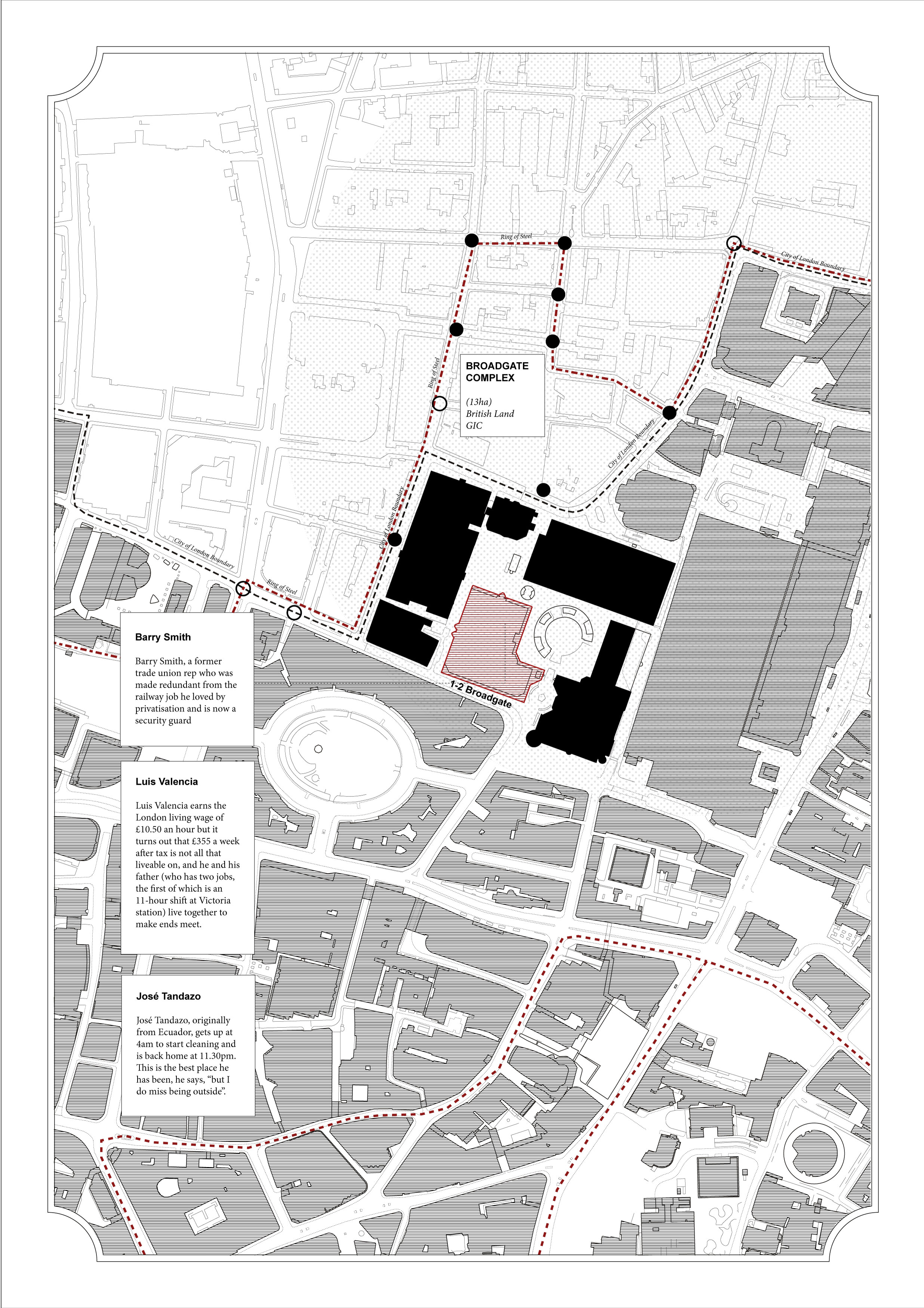
Site at 1-2 Broadgate. Bordering the Ring of Steel.
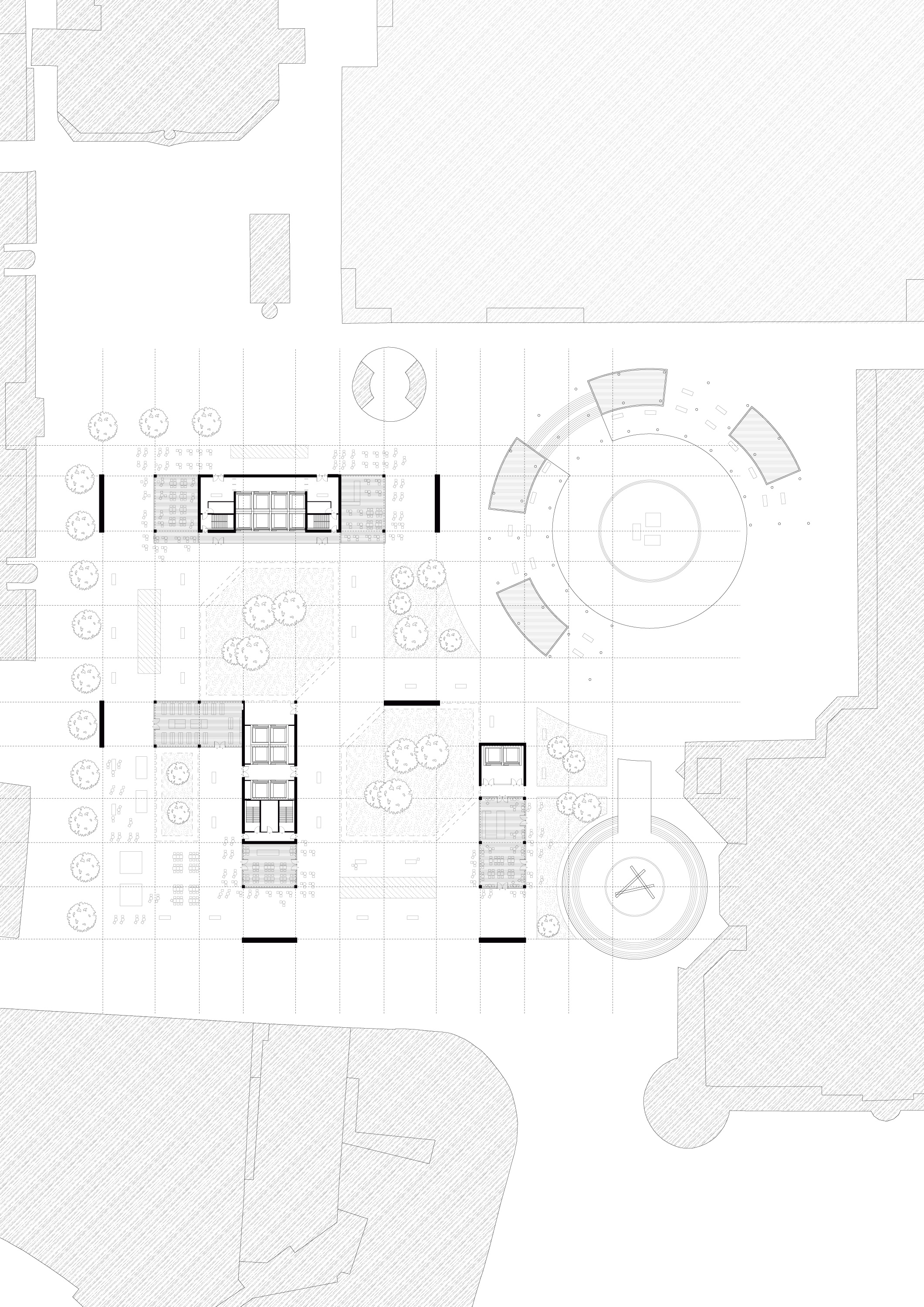
Ground Plan - Parts of the ground and first floors are carved out to weave in public access and retail opening up the building and integrating it into existing ground levels of the Broadgate complex
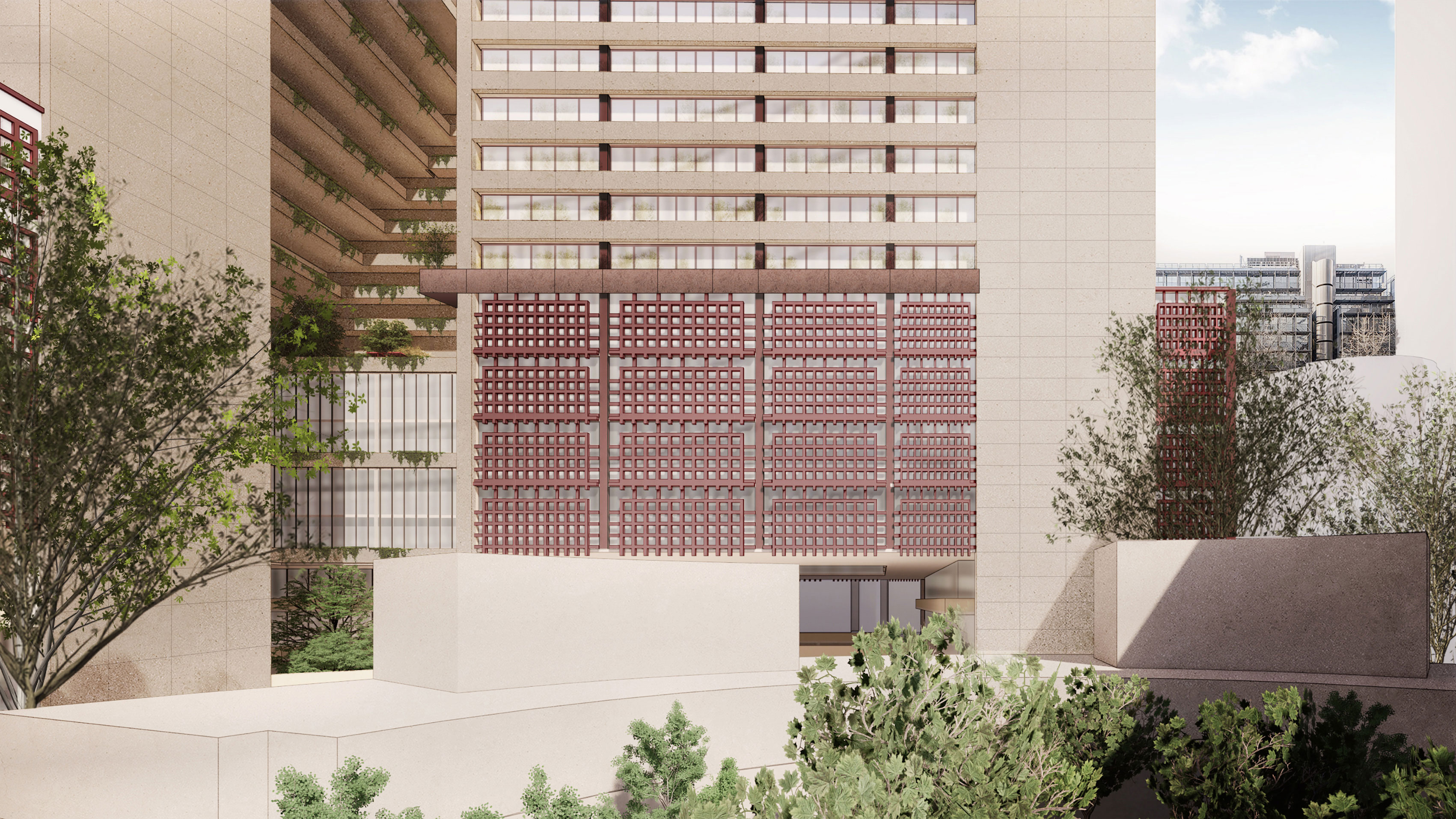
Exterior Facade - The facades in the exterior retain the design language of the existing building while accommodating spaces of community for housing on the interior.
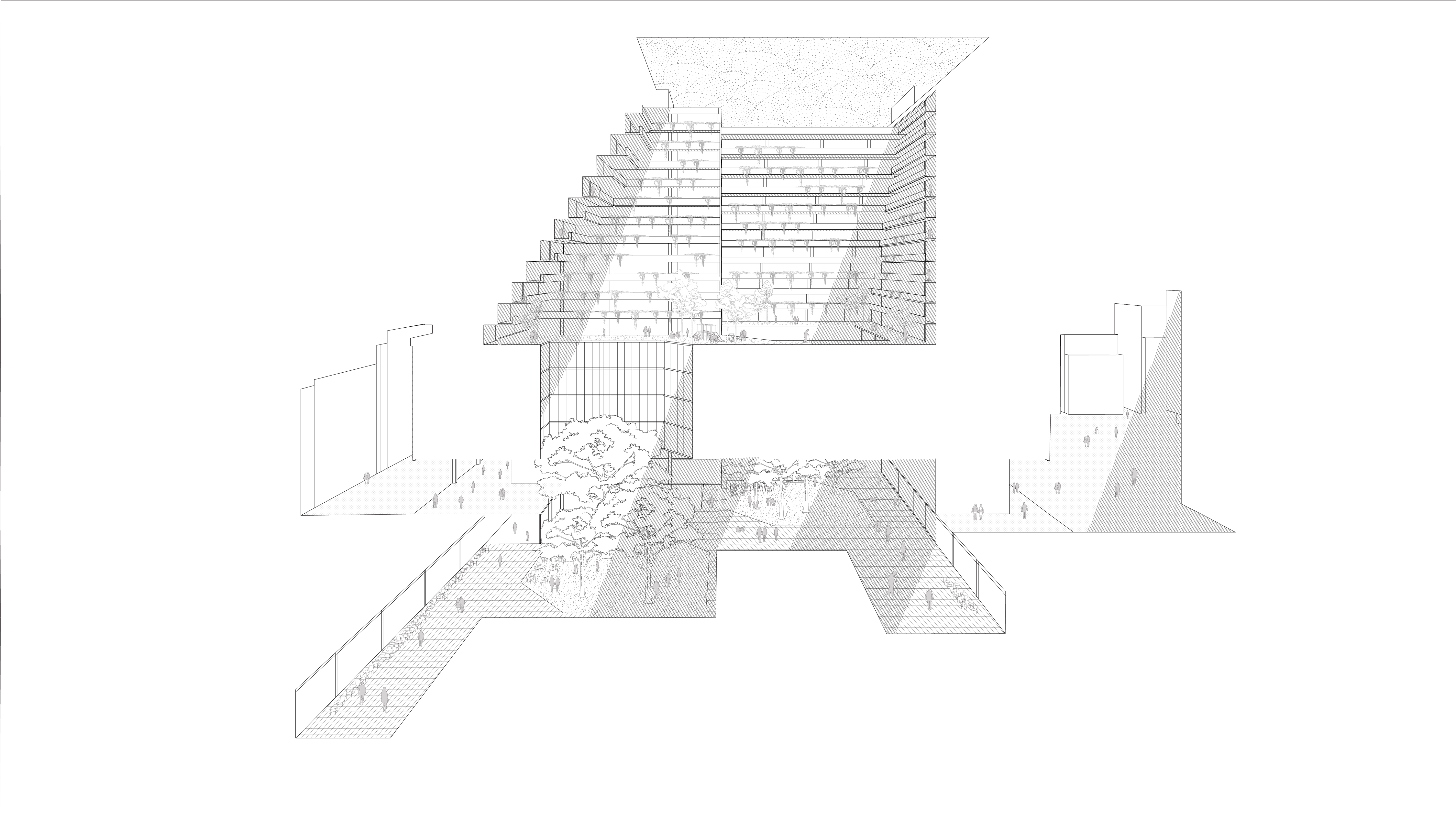
Sectional Perspective showing varying levels of Privacy for Occupants. The design process weaves the more transient and permanent zones within the building between the old and the new.
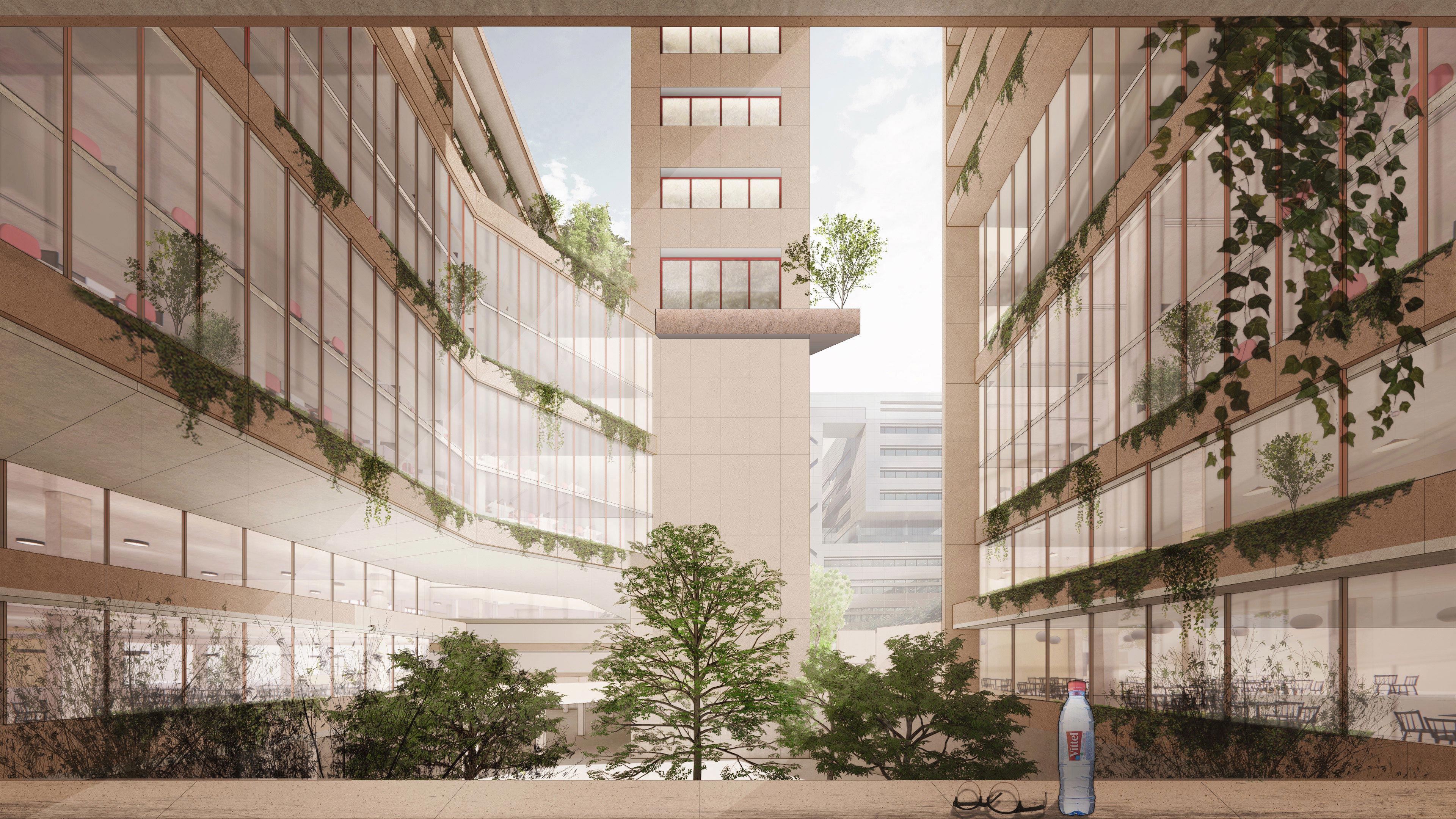
View from Ground Floor - Through Existing Atriums of Public Realms
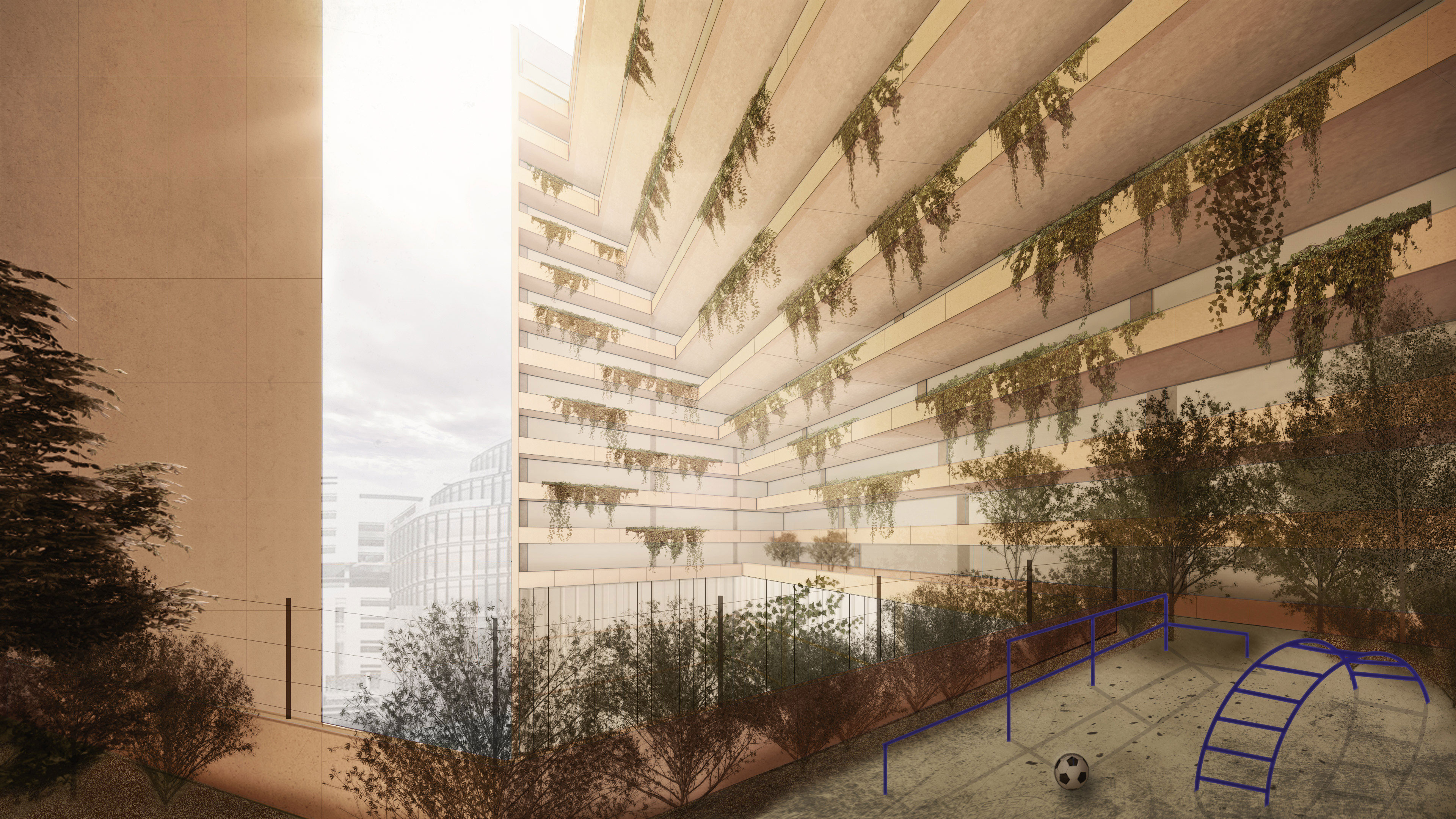
Interior Atrium with Gardens and Community Spaces
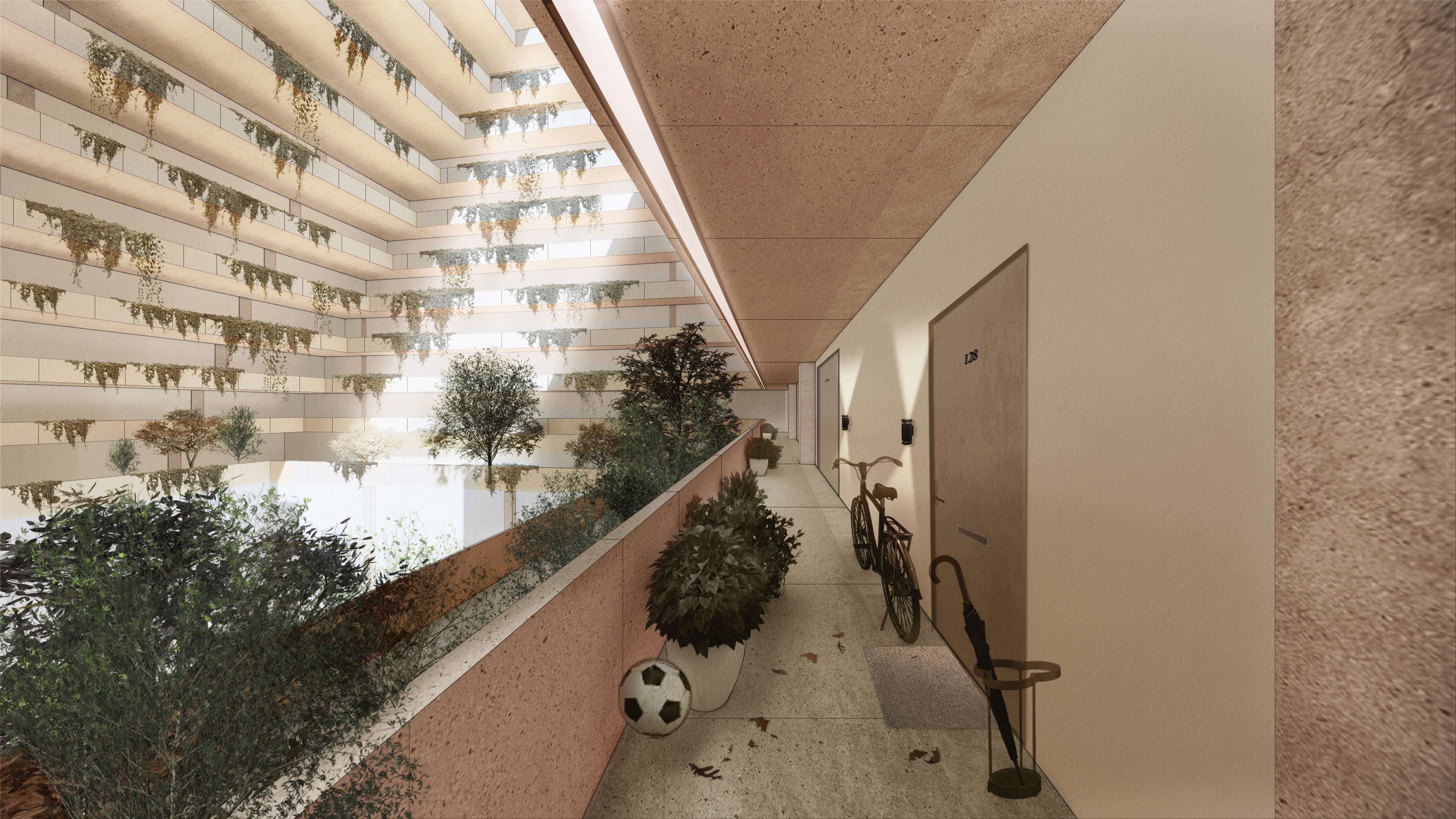
Interior Communal Spaces and Atrium