Let's Talk Shit: Revealing Ugly Truths
Sarah Devries, MArch (Year: 5)
Through the utilization of fibrous digestate from anaerobic digestors, specifically made of animal and food waste, allows the creation of new building materials to alleviate environmental and economic stresses, while challenging the ethics of how we build, perceive and culturally value materials.
The urgency behind this project is the excessive amount of waste produced, specifically from dairy cows and the improper recycling of food that proves to be harmful environmentally. Anaerobic digestion helps farmers manage waste while benefiting from bio-gas fuel generated from extracting methane for electricity. A localized material supply strategy was envisioned to locate fibrous digestate, as farmers search for its new economic value.
Fibrous digestate was rigorously tested with various binding agents. To distinguish these materials from others, I have named them Digero. Construction techniques applied to Digero are rammed earth and compressed block.
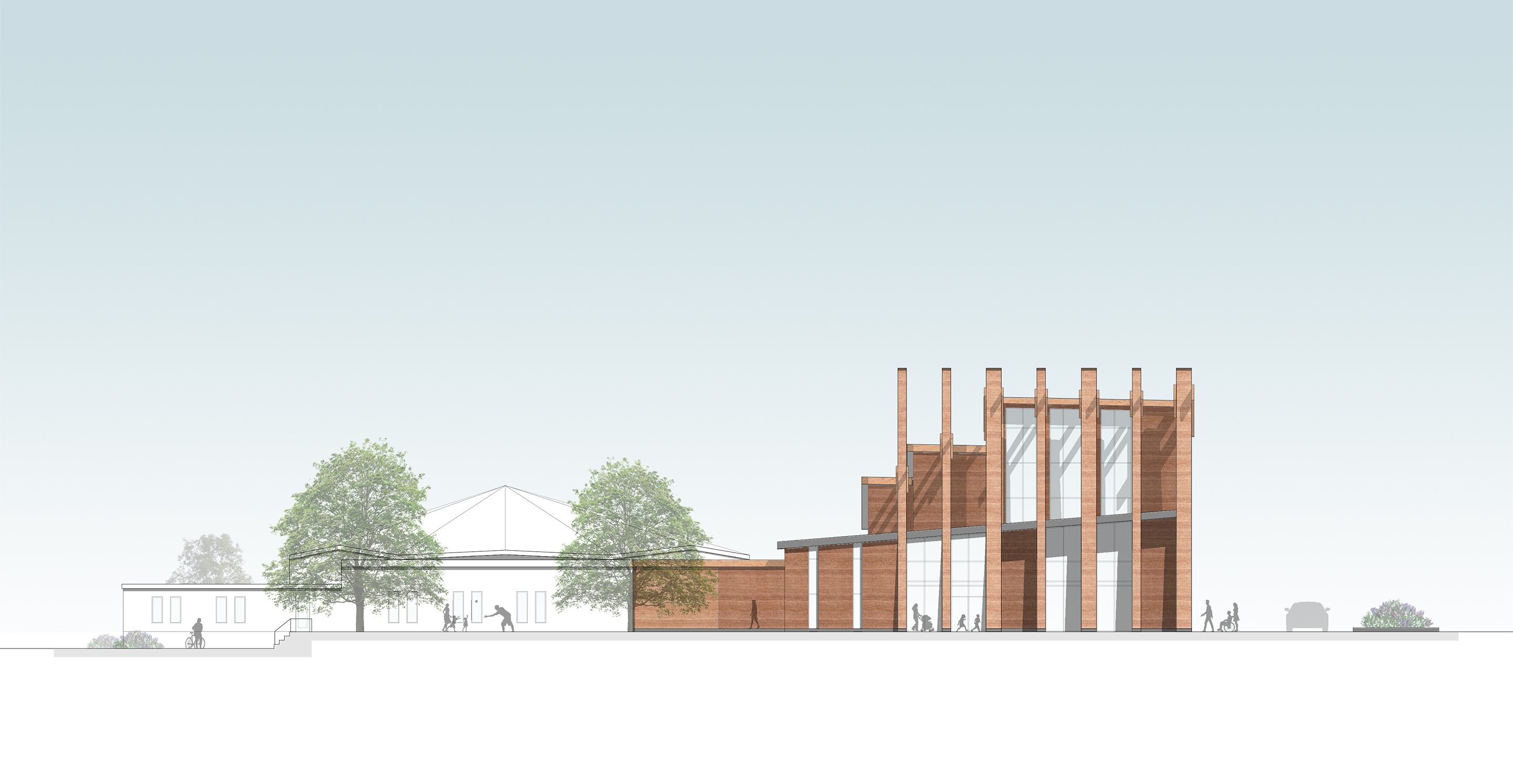
For Digero to create real change, it begins by teaching communities and building professionals how this movement can benefit them locally. This was explored and presented to local leaders through an actual proposal located at Covenant Church in the Niagara Region in Canada. Knowledge of how waste can be used as a powerful resource will create a shift, resulting in global impact.
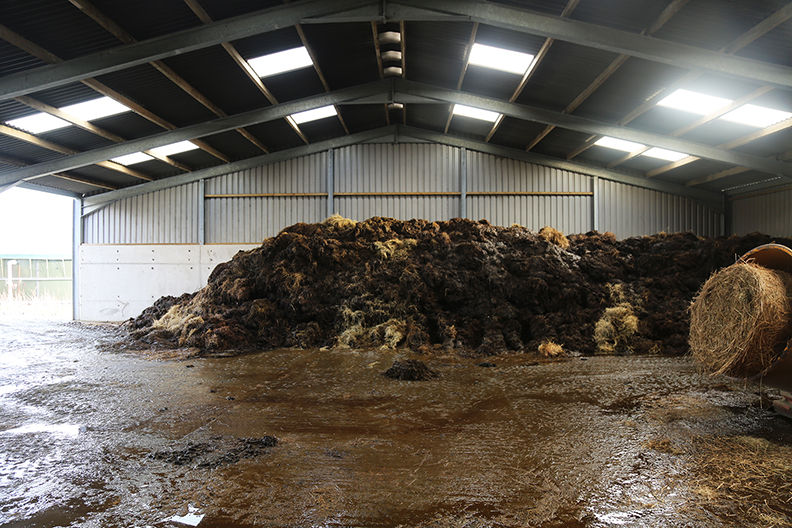
Field Research done at Patrick Holden's dairy farm on how waste is managed from a farmer's perspective.
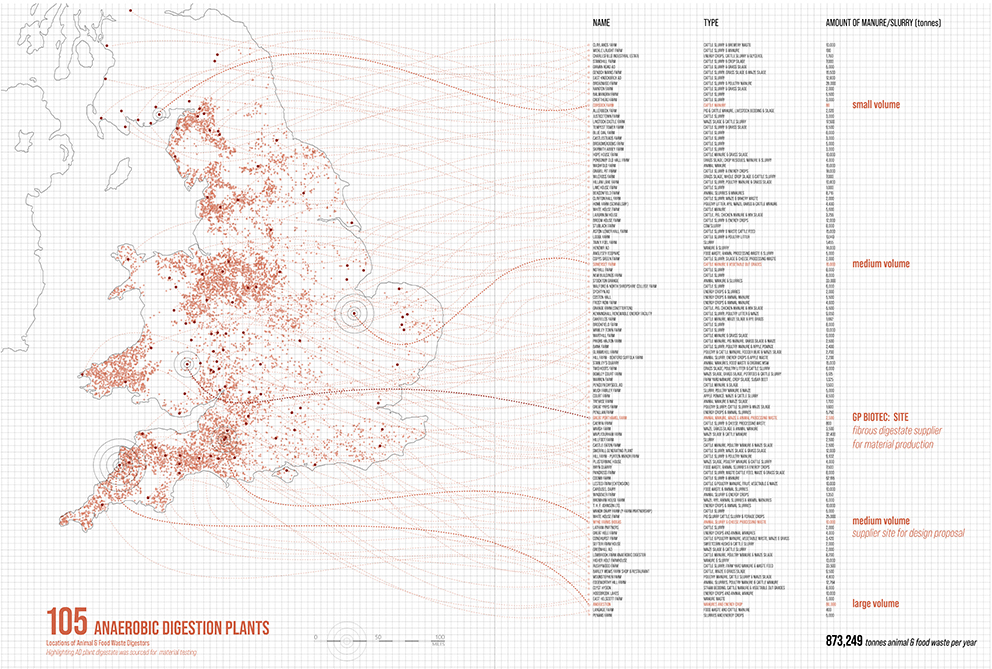
A series of analytical mappings were envisioned to locate material supply of fibrous digestate from local farms and factories.
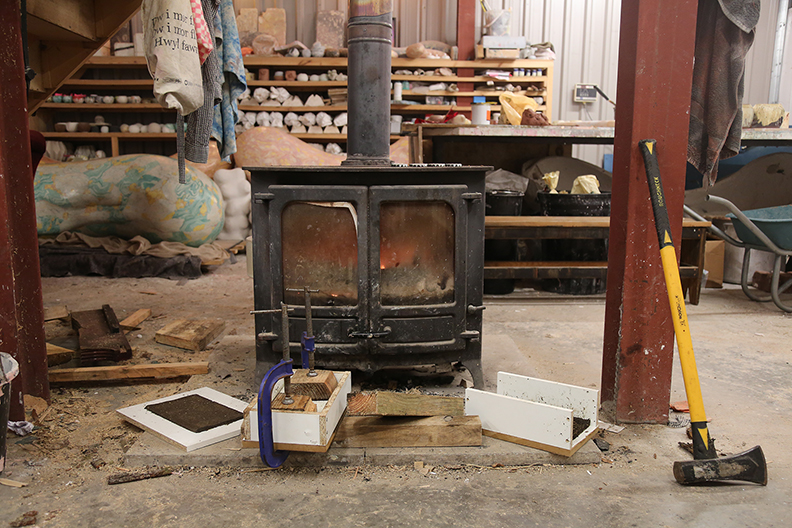
Rigorous testing was done at Studio Morrison with fibrous digestate and various binding agents.
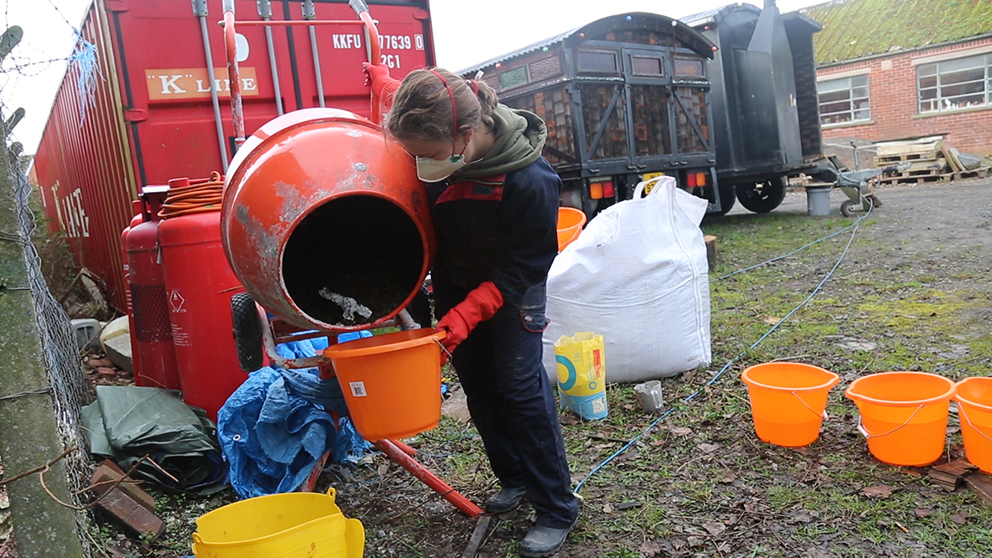
Making Digero tests of fibrous digestate after a 10 tonne shipment was organized. Revealing many limitations of the materials.
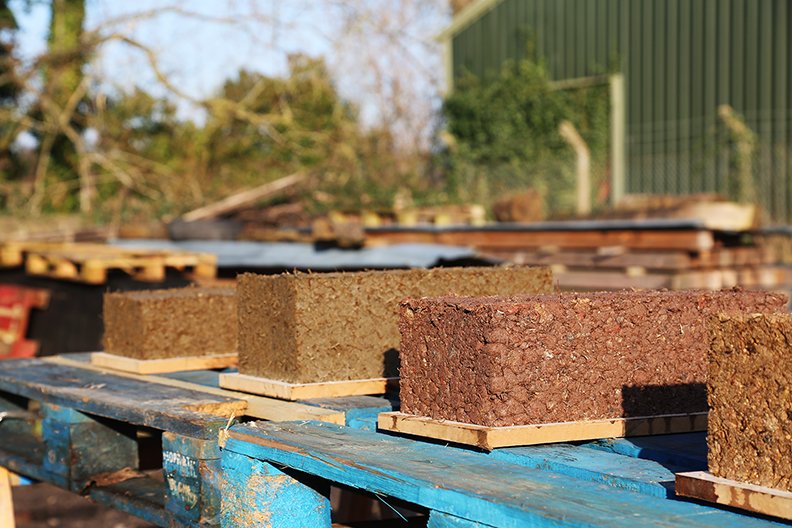
Digero Compressed Blocks made from fibrous digestate consisting of 50% animal waste and 50% food waste.
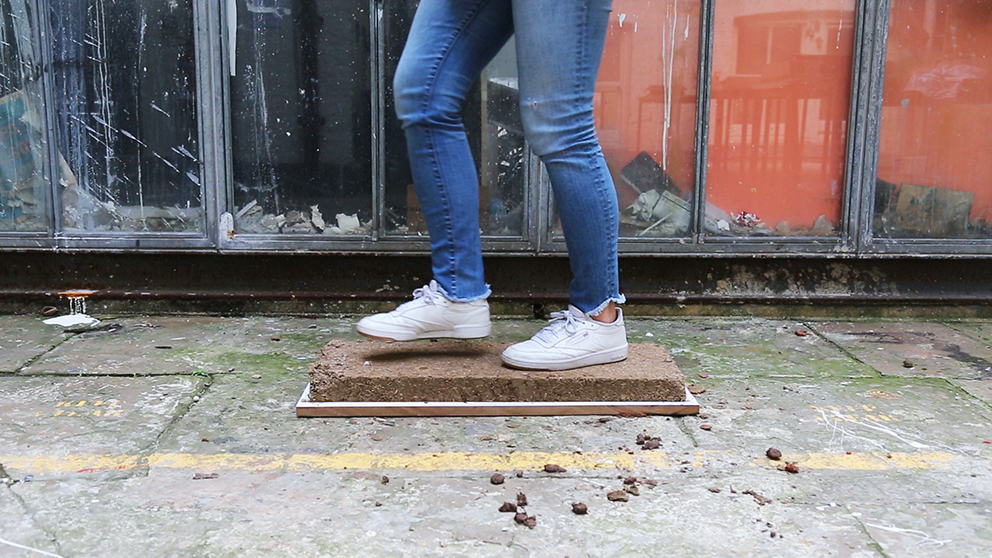
Digero Panel made out of lime and fibrous digestate proved to be extremely durable and with a finished coating creates an economical flooring material.
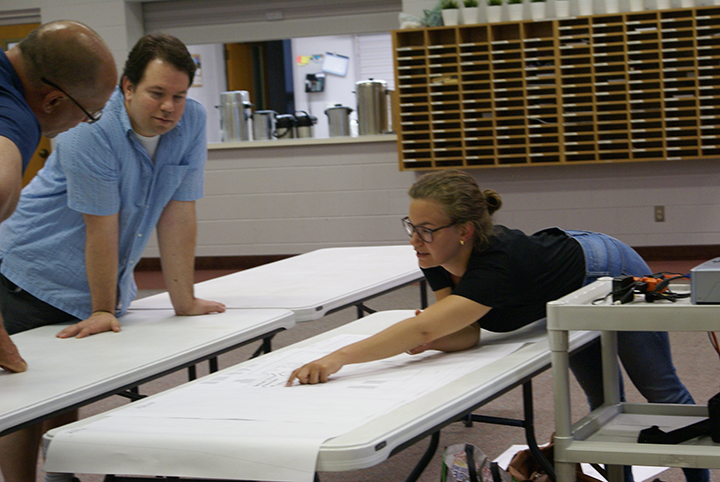
Presented how Digero could be utilized in a design to leaders of Covenant Church. Important discussion on how to move forward with a sustainable mindset for future build.
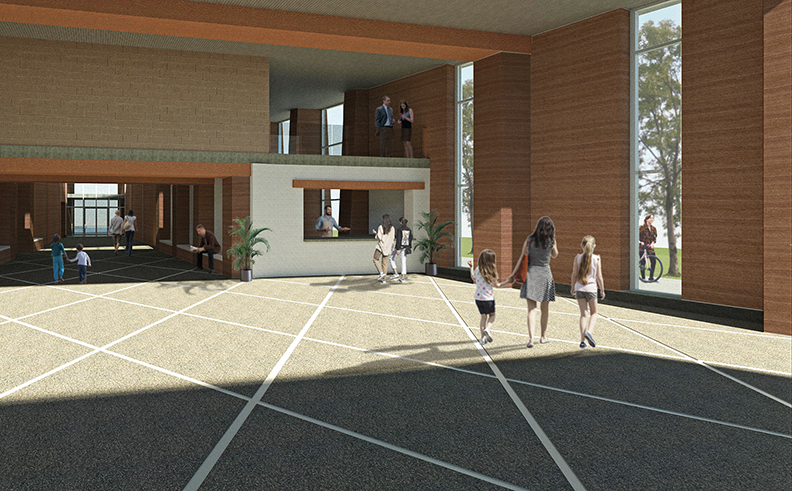
Interior view of church design, showing use of Digero Rammed Walls, Flooring and Compressed Block.
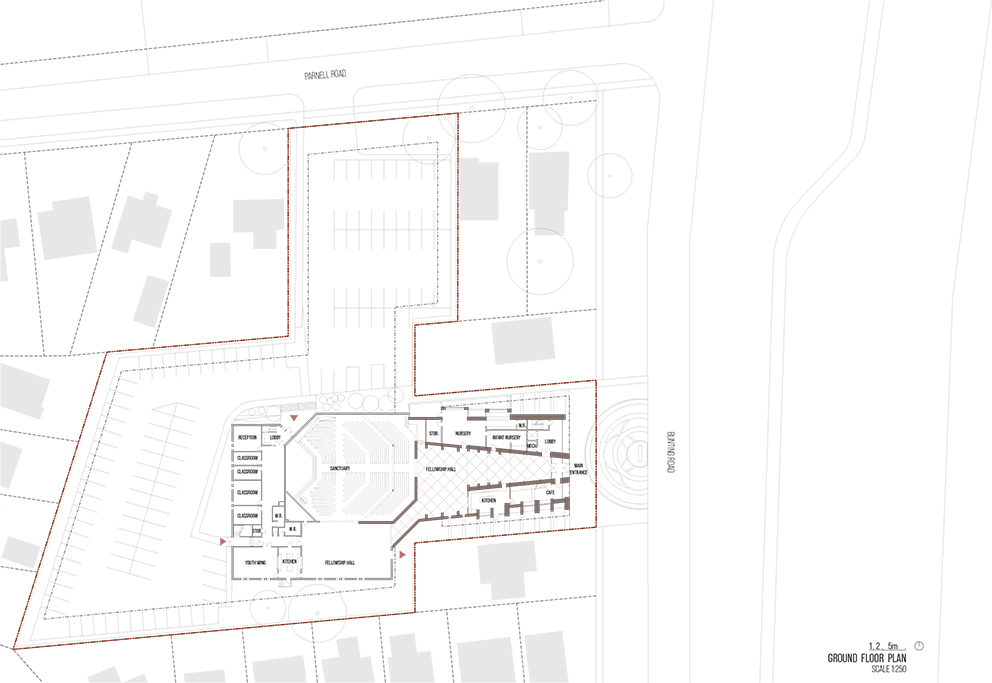
Ground Floor Plan design of new church proposal. Existing build westward, extending the new eastward. Thickness of walls determine the load capacity of the Digero Rammed Walls and Compressed Blocks.