Diploma 12
In Other Worlds: Strategies for change - From Speculation to Impact
‘Hard times are coming, when we’ll be wanting the voices of writers who can see alternatives to how we live now, can see through our fear-stricken society and its obsessive technologies to other ways of being, and even imagine real grounds for hope. We’ll need writers who can remember freedom – poets, visionaries – realists of a larger reality.’ – Ursula K Le Guin, Words Are My Matter, 2016
Inscribed within our cultured spaces are historic, political, economic and social structures that reflect the powers that created and sustain them. As a counterpoint to these cultured spaces lies the idea of the wilderness; where the oblique, the feral and the illegible abide. In building new worlds we need to push at the edge of the known and into these wild spaces, the territories of the unknown.
DIP12 will be exploring the boundary between the cultured and the wild by designing new spaces of inhabitation. We will look for tensions between nature and technology and conflicts between embedded histories and emerging social trends, asking how we as architects can find ways to build for better futures that understand the needs of both nature and society.
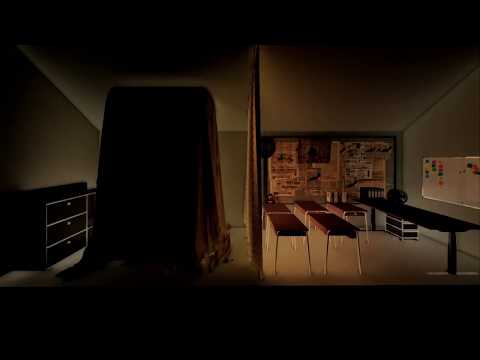
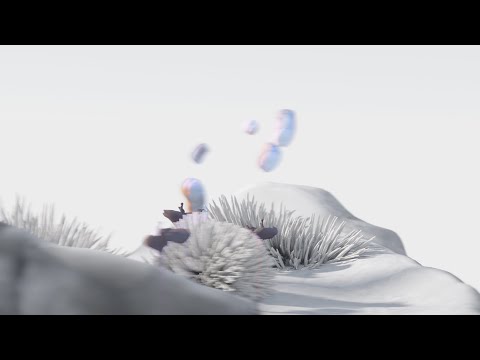
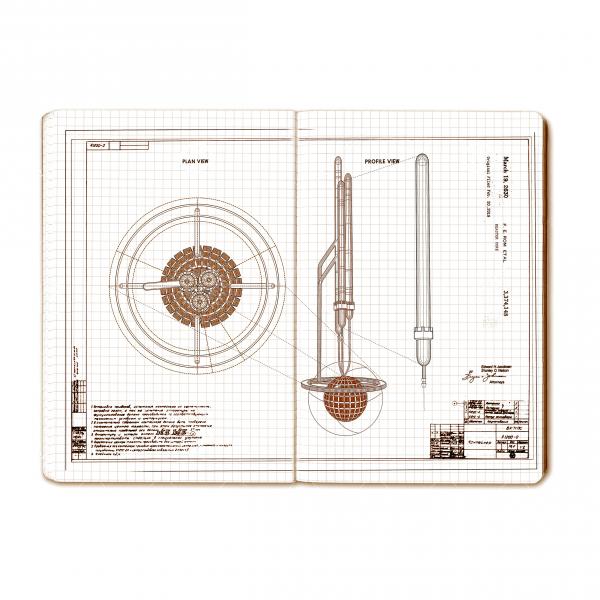
We will begin by analysing existing environments and practices, and consider how these could impact upon our buildings and social spaces in the near future. Initially, we will use the tools of architectural speculation to imagine future scenarios, using precision drawing and time-based media to describe them.
Following this, we will test the propositions through 1:1 interventions, exposing them to the real world to create impactful architectural proposals.
The unit will develop individual forms of strategic architectural practice. Through a precise design methodology, as well as workshops with practitioners from different disciplines, we will help to develop students’ expertise, focusing on how to express spatial agendas through diverse media and modes of operation.
Armed with both an urgent agenda and a refined technical proficiency, we will question how to employ architecture beyond just its aesthetic, formal or experiential qualities and transform it into an agent for real change.