The project aims to bring the home of the new workers in Grimsby closer to the coast, as a way to lift and change the industrialisation that has embedded in the town since the rise of the fishing industry in 1845 but has drastically scaled down in terms of the size of demand and supply hence the spatial need. High dependency on the fishing industry slowly led the town to poverty, degradation, inequality and social exclusions.
The proposal for a new coastal promenade would be a way to open up possibility of tourism as a new industry and other dining and leisure or even artistic activities related to that.
Hypothetically this linear collective infrastructure will turn itself into, not a city centre, but a promenade with the possibility to extend the city along the coast further. The long coastal infrastructure will be divided into sections. This common ground will be extended from the current coastline, will house various city essentials. Restaurants, cafes, shops and galleries can be developed in the next phase. The coastal infrastructure will reclaim the land along the coast of Grimsby that used to be dominated by the industrial factories and logistical companies.
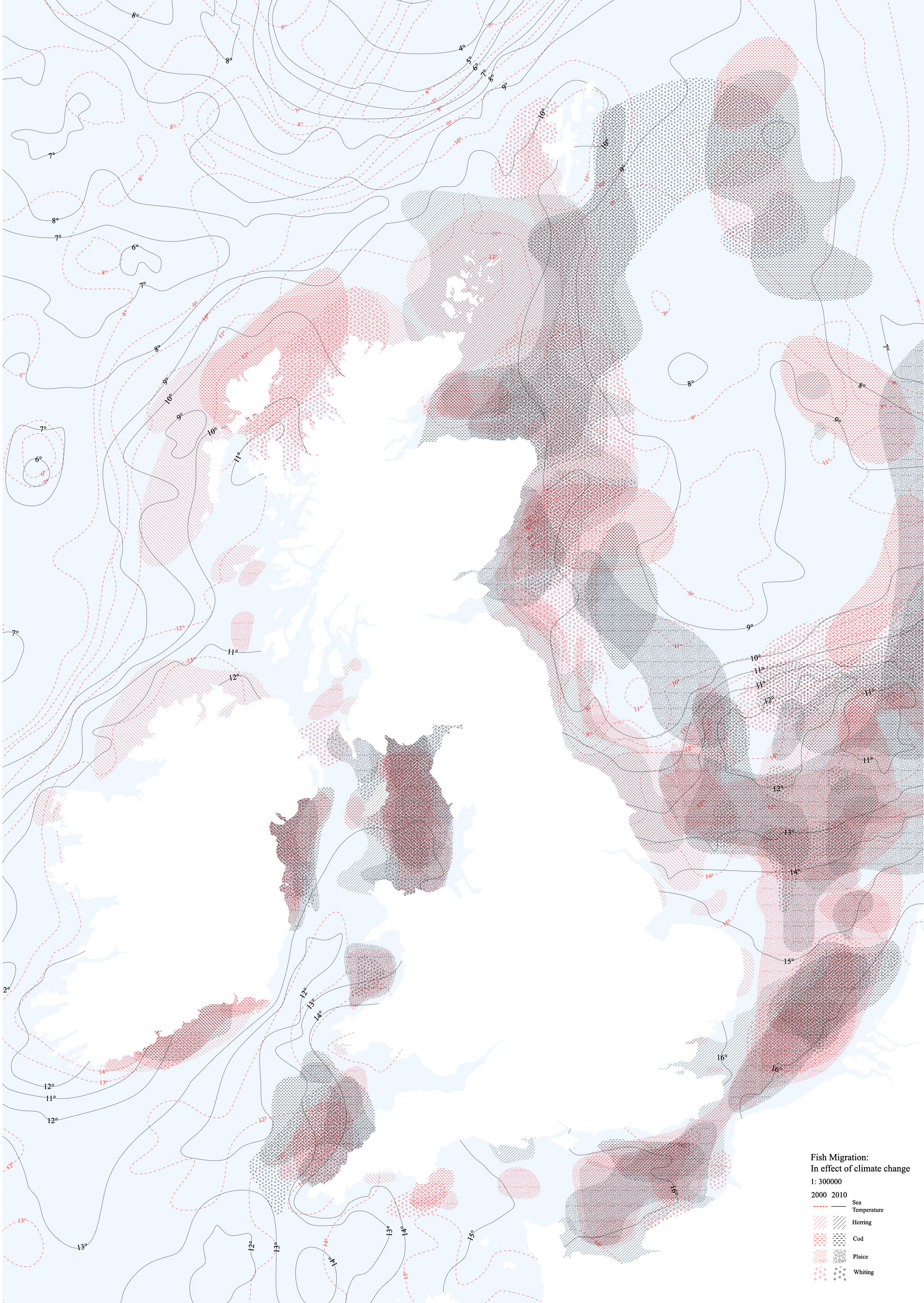
Fish Migration along the UK Coast
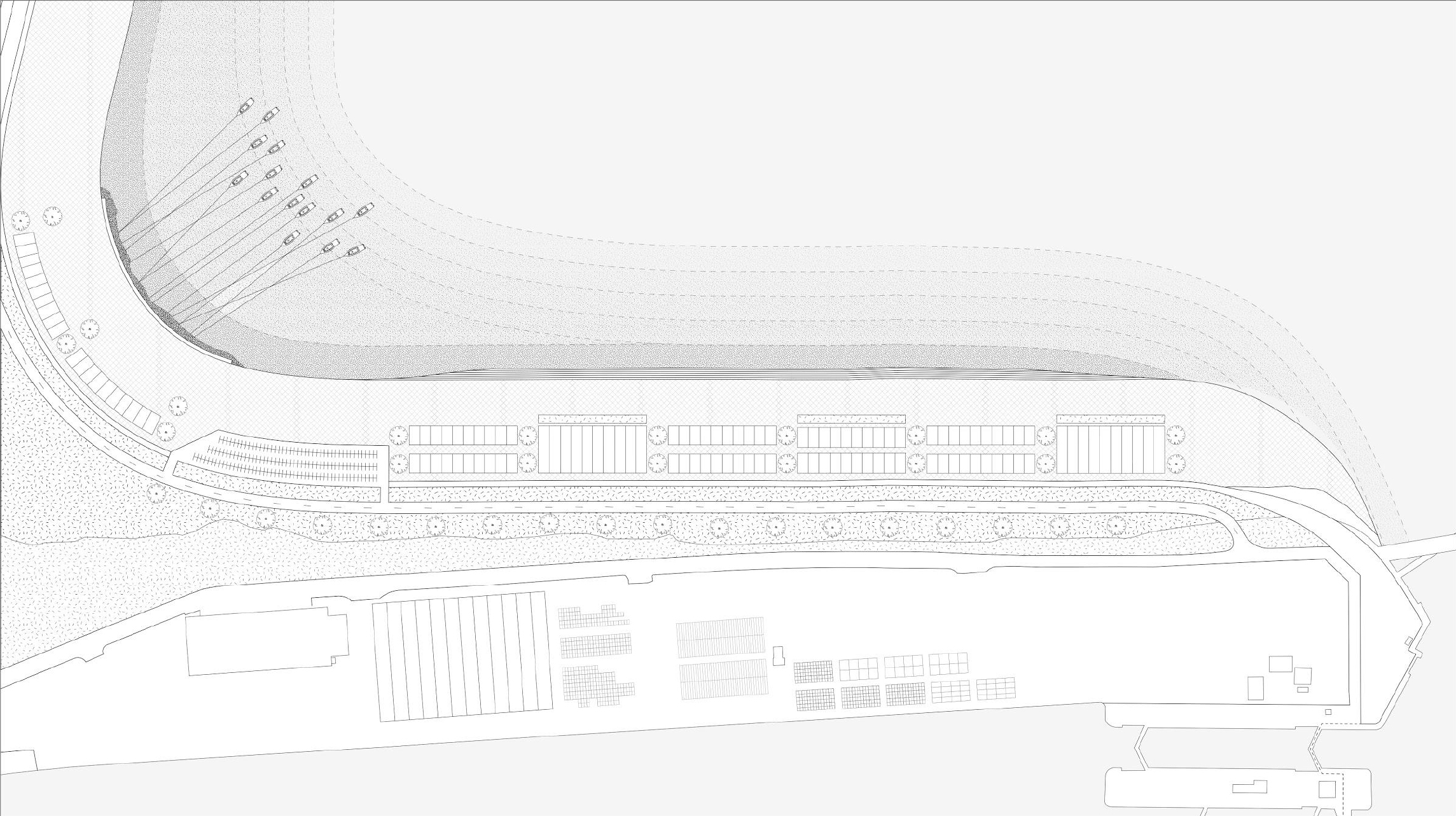
The Bay, New Coastal Infrastructure, Plan
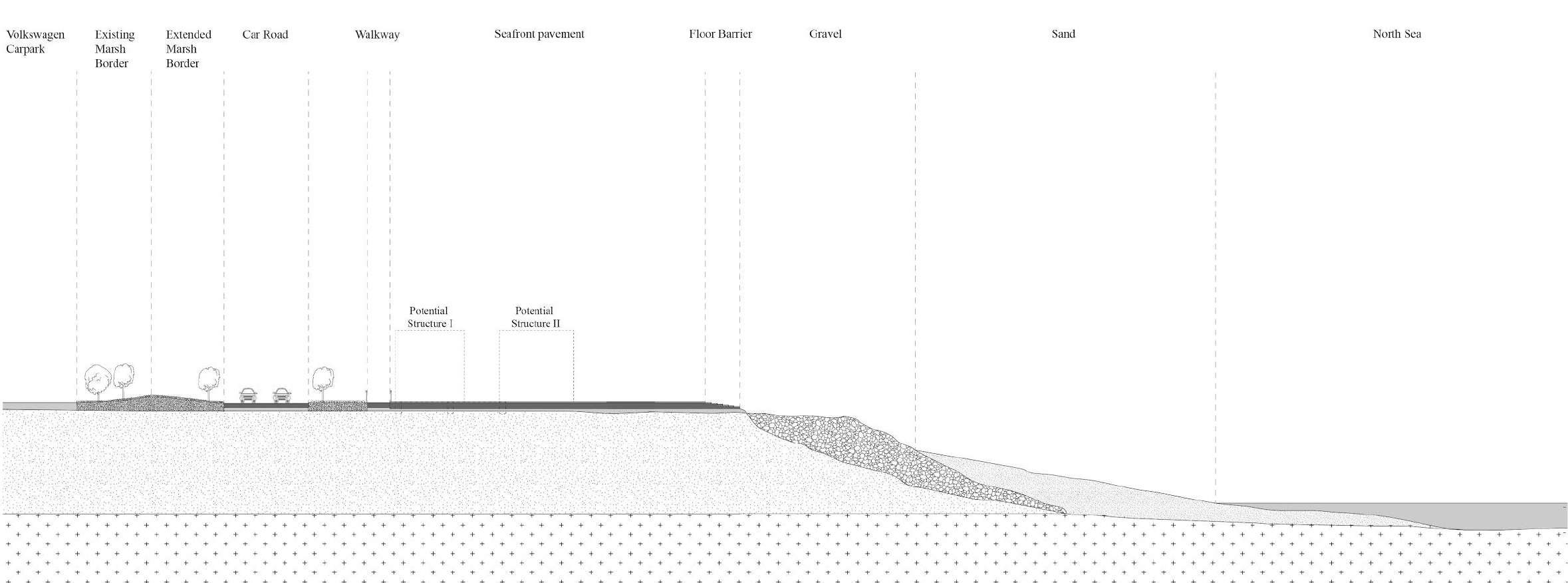
New Coastal Infrastructure, Section
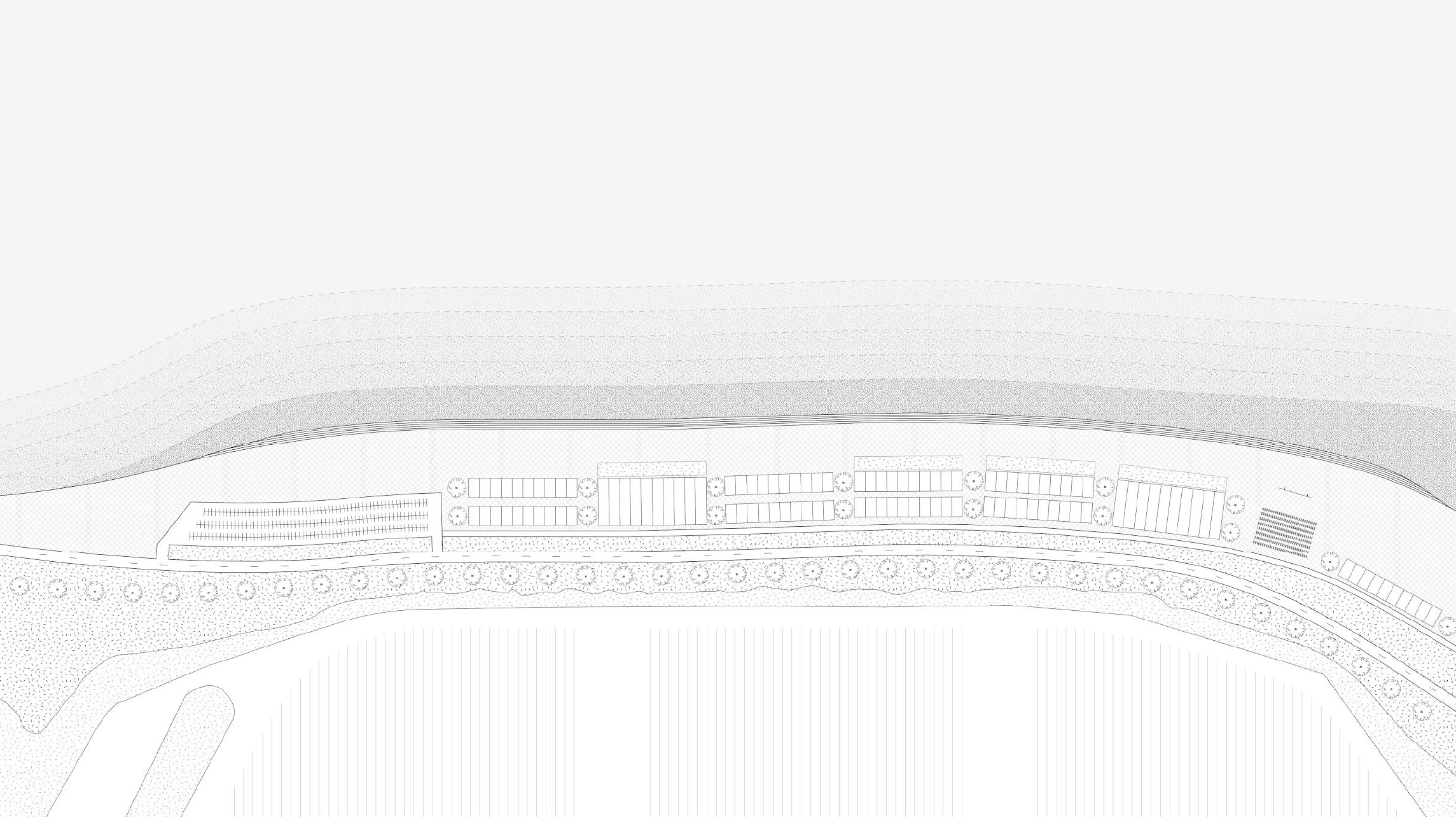
The Beach, New Coastal Infrastructure, Plan
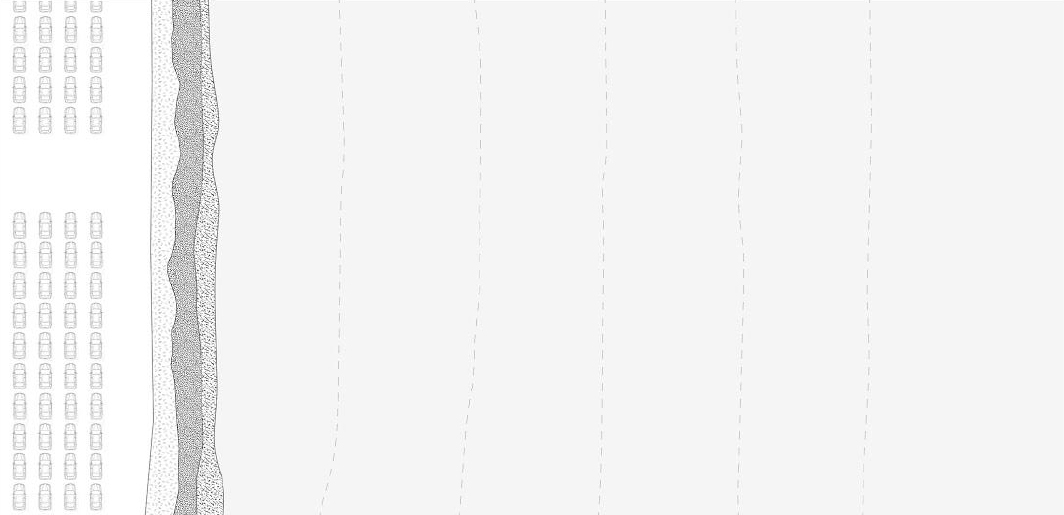
Typologies of the Coastal Infrastructure, Plan A
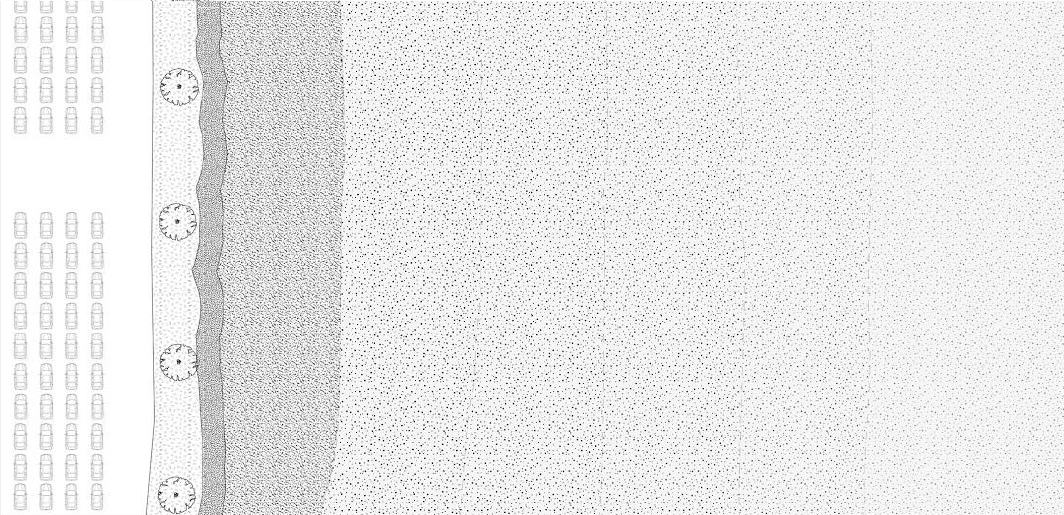
Typologies of the Coastal Infrastructure, Plan B
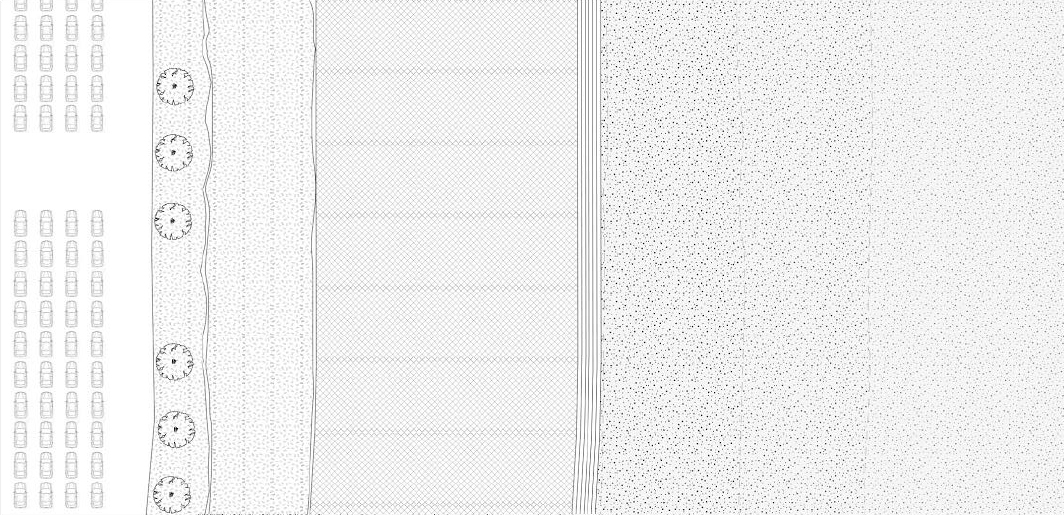
Typologies of the Coastal Infrastructure, Plan C
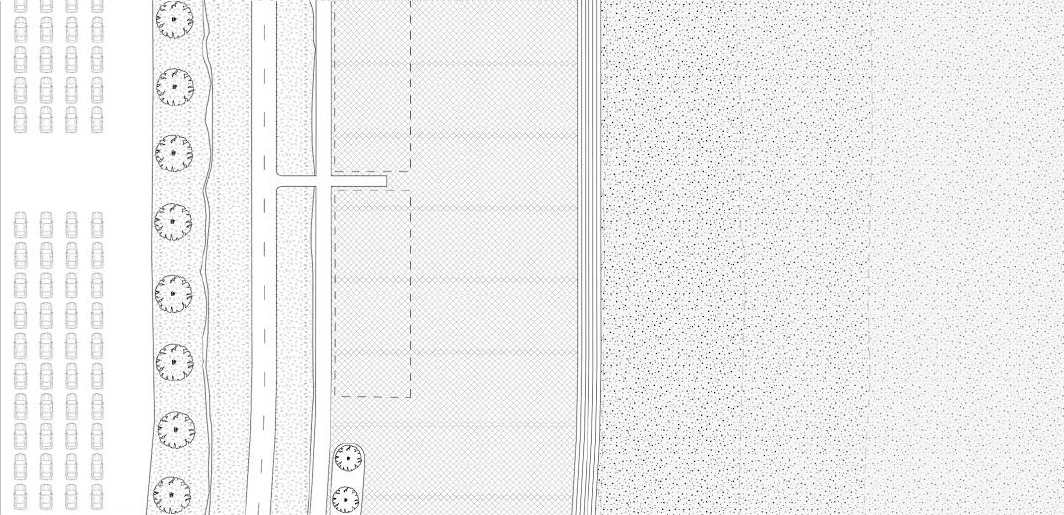
Typologies of the Coastal Infrastructure, Plan D
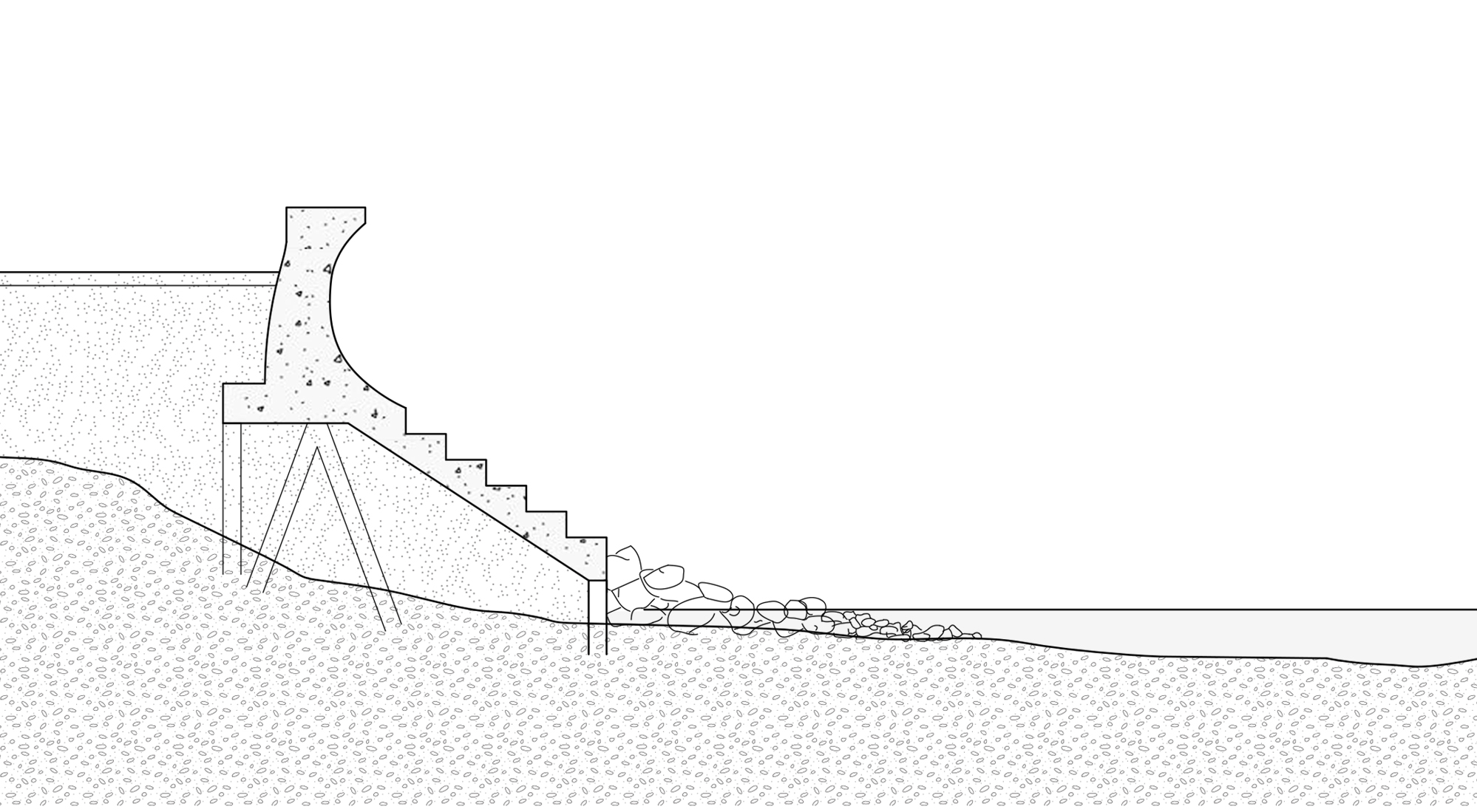
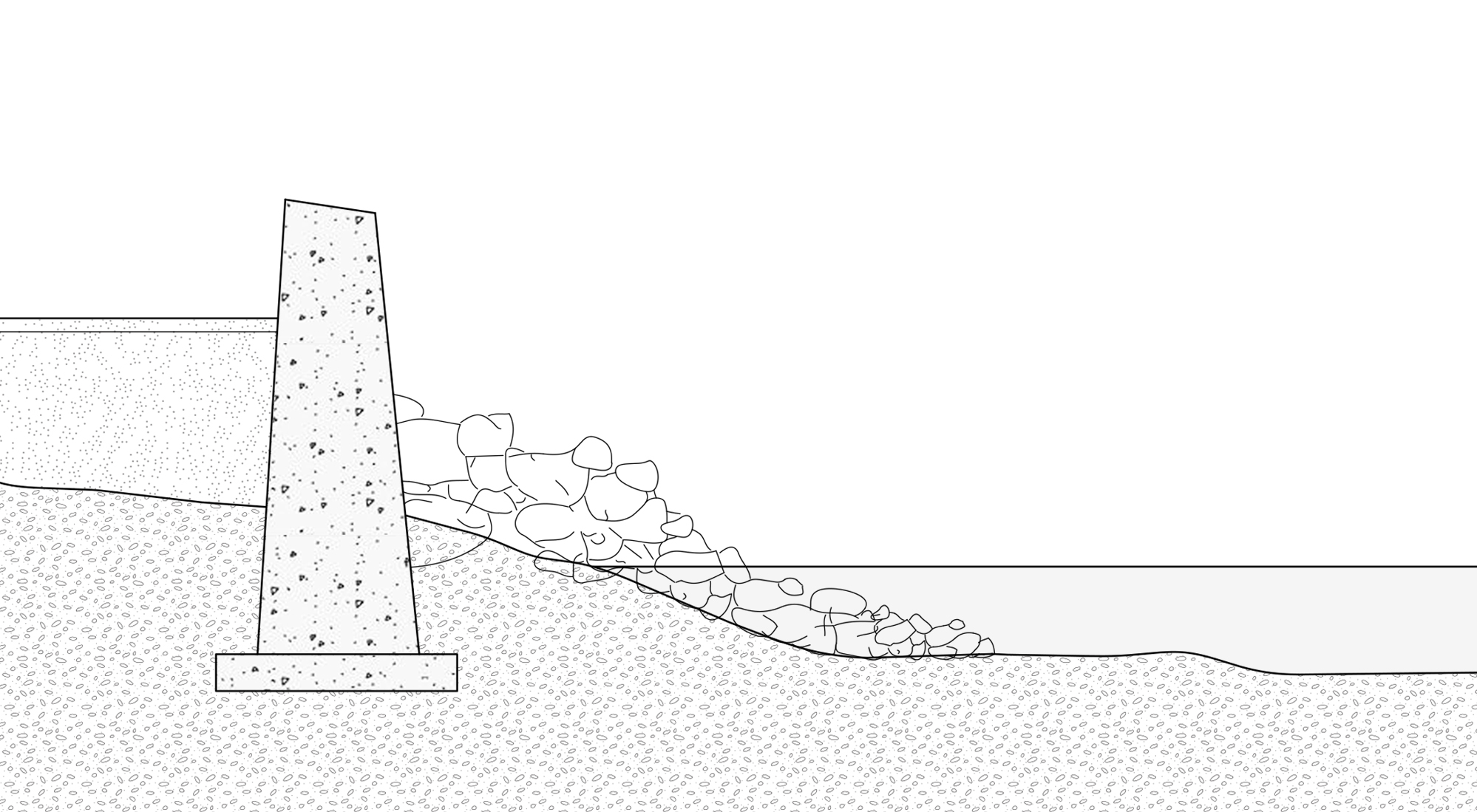
Coastal Protection, Section A
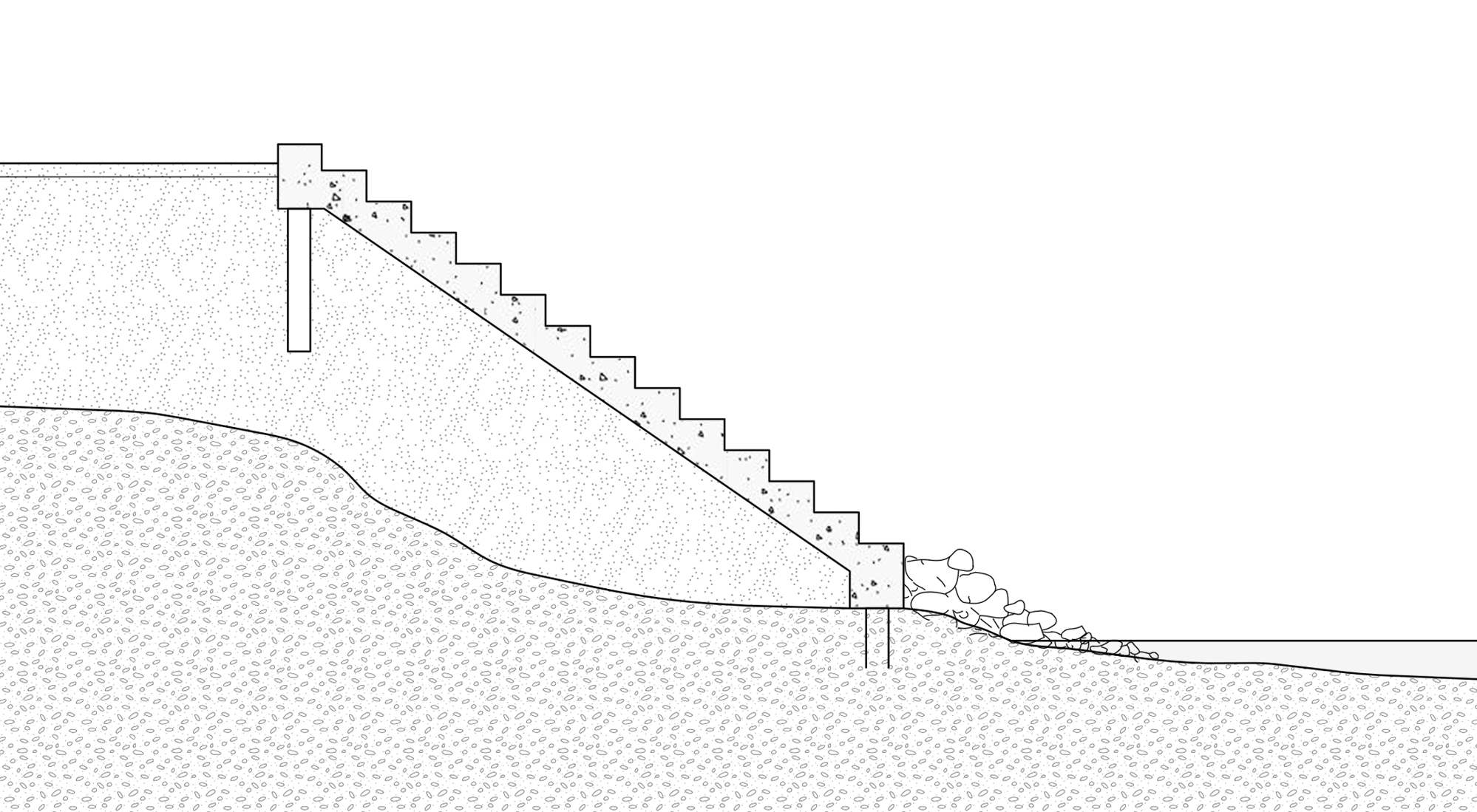
Coastal Protection, Section B
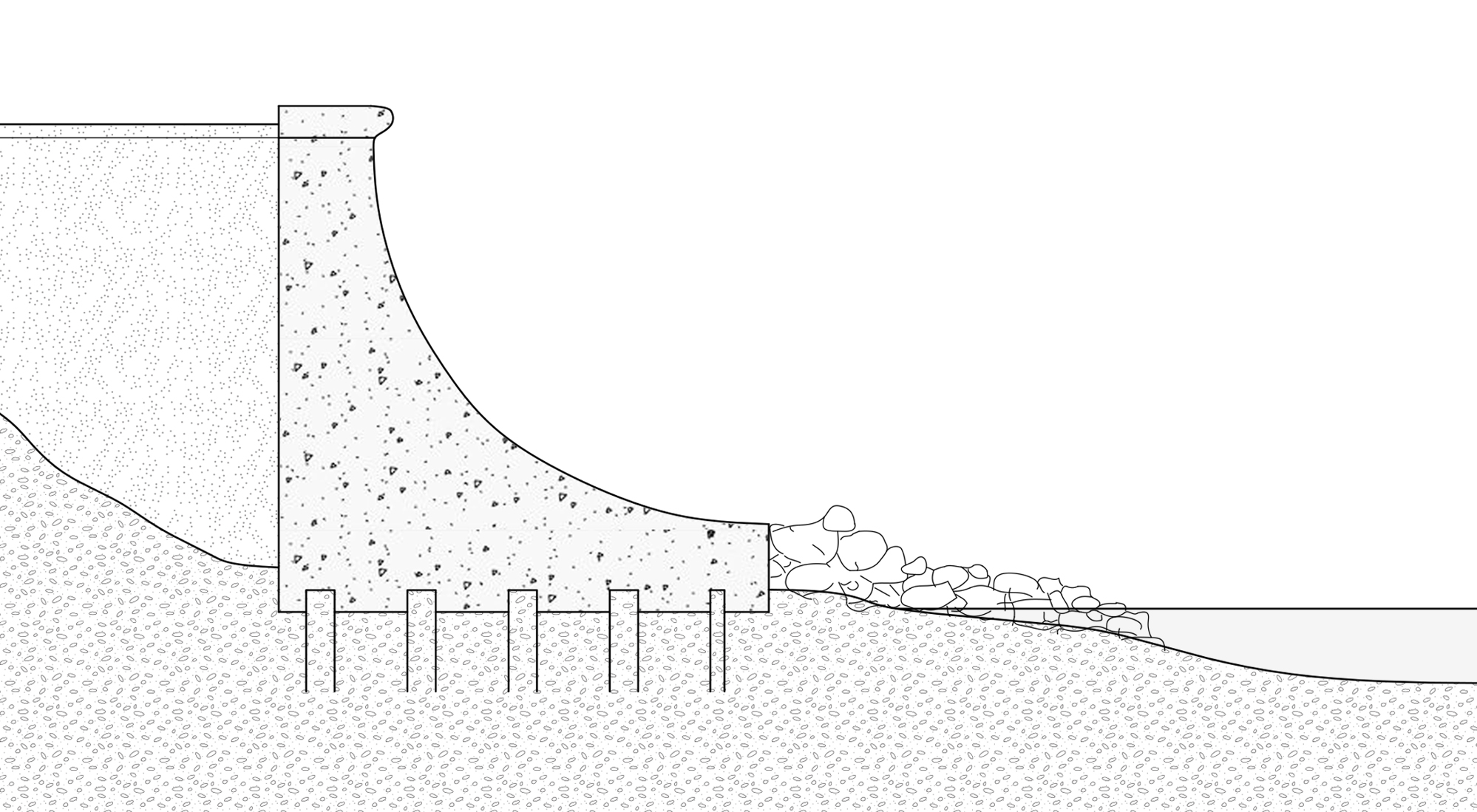
Coastal Protection, Section C