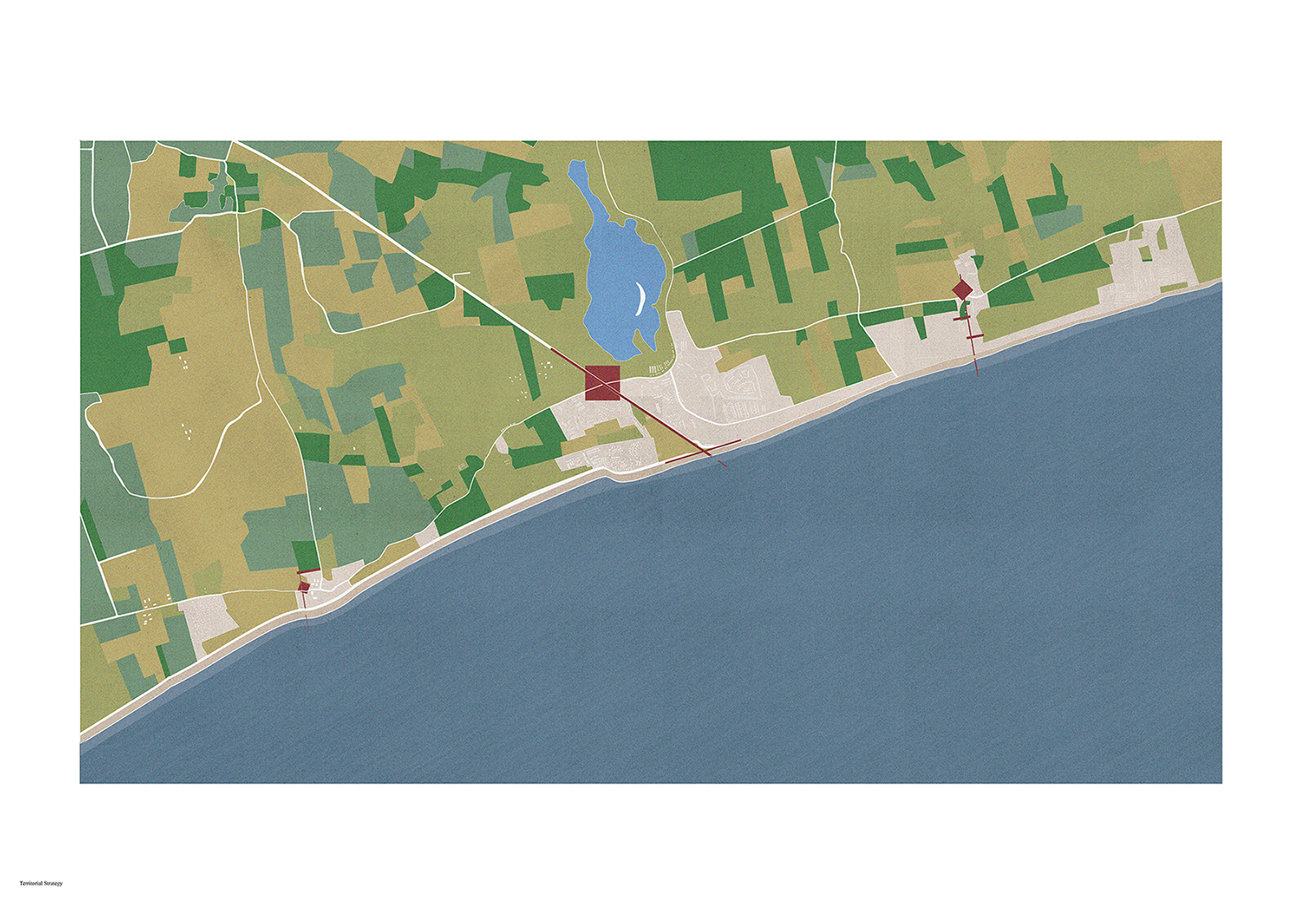
The project illustrates a possibility of an alternative life for the rural dwellers of Yorkshire, one that is not based in the instability and the constant loss of property but rather in moments of cohabitation and coming together. Specifically, the Holderness Coast, which is one of the fastest eroding cliffs in England, loses two meters of land every year. This draws our attention to the punctuality of the current coastal protection scheme; The Integrated Coastal Zone Management Plan. The plan is only activated when Grade I listed buildings are under an immediate threat from the sea. That said, the current maintenance protocols of the cliff, the lack of a social institution that protect the communities, combined with the inability of the production and communal activities to adapt to these environmental conditions has created a general de-population and isolation of the settlements.
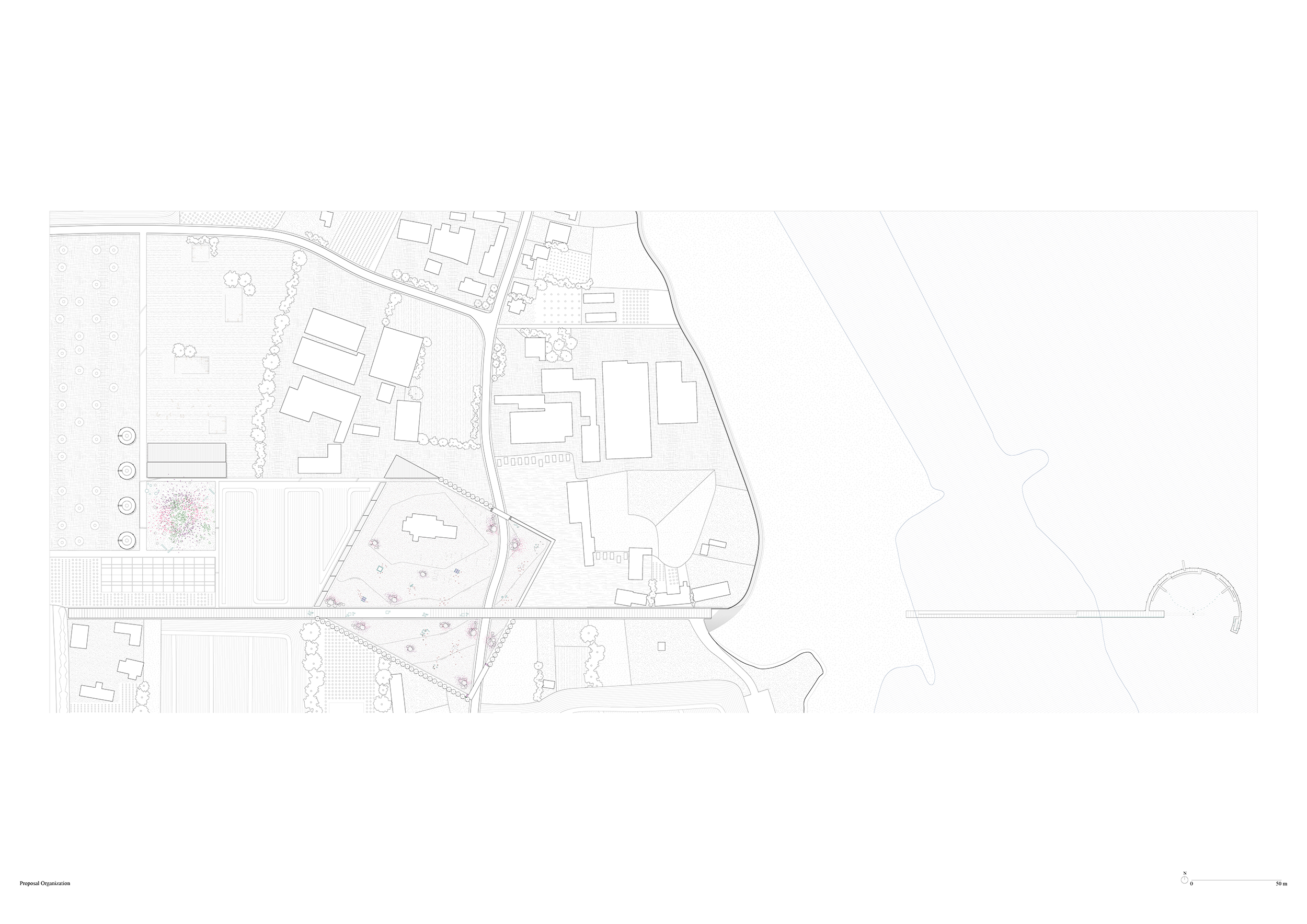
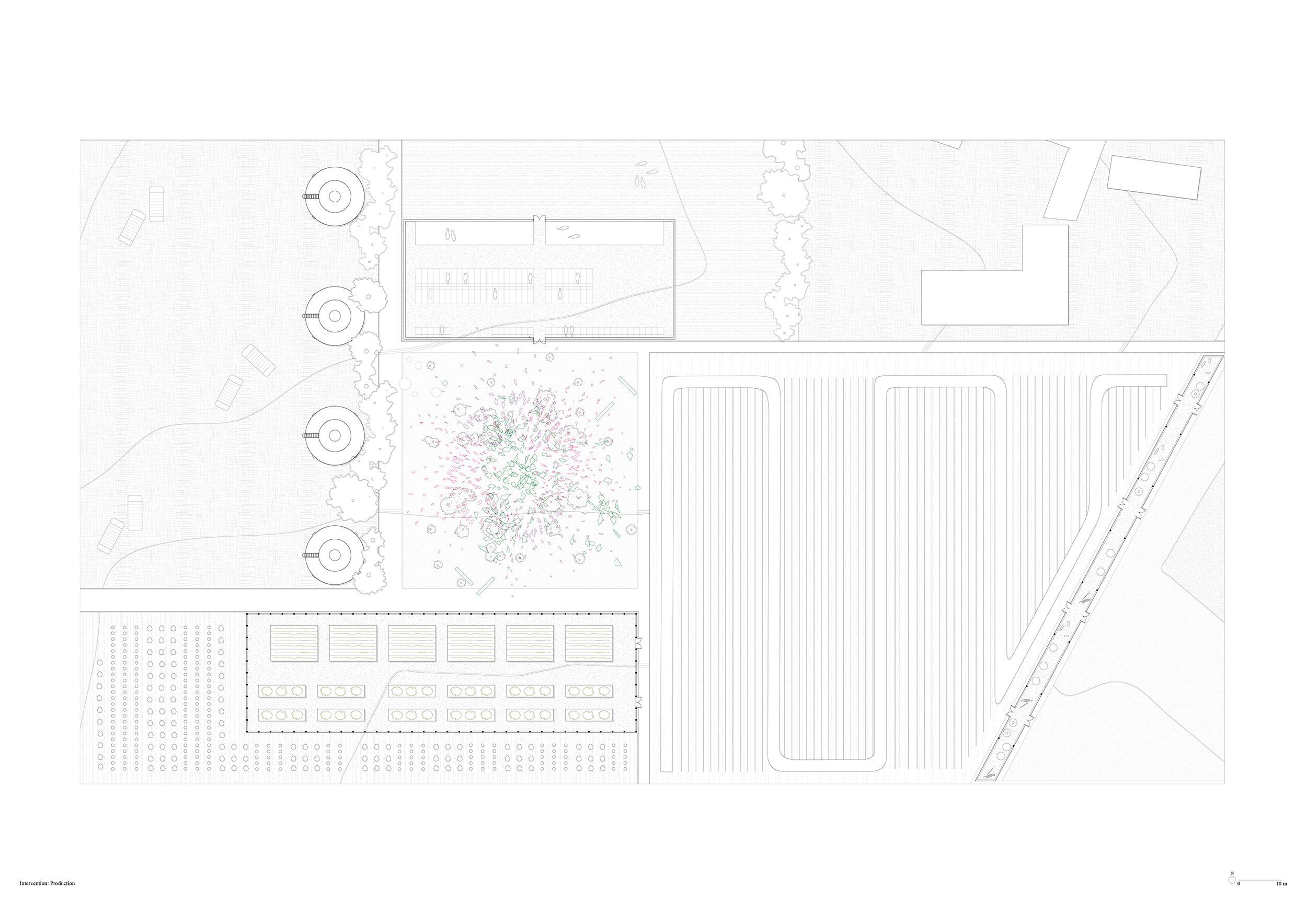
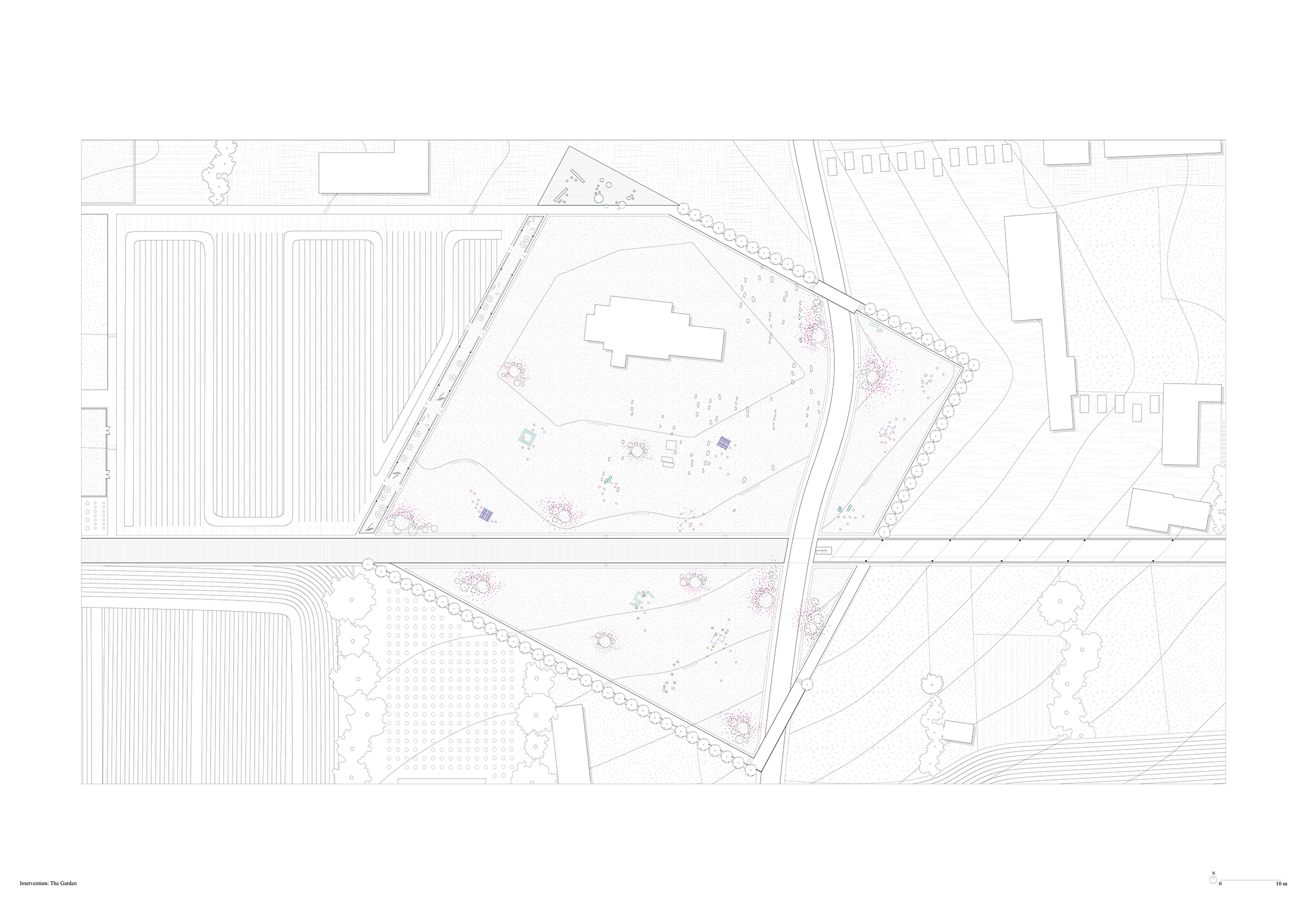
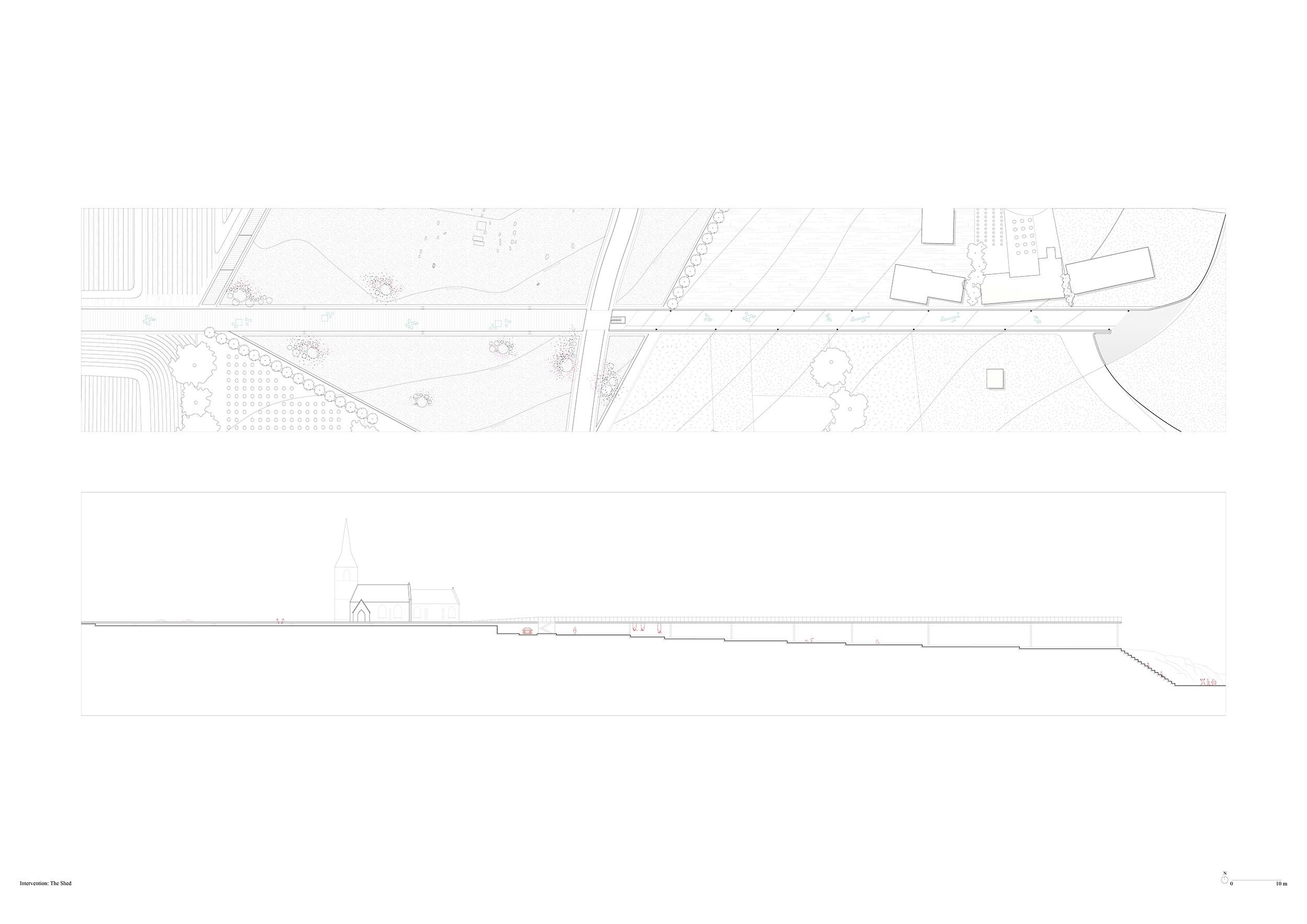
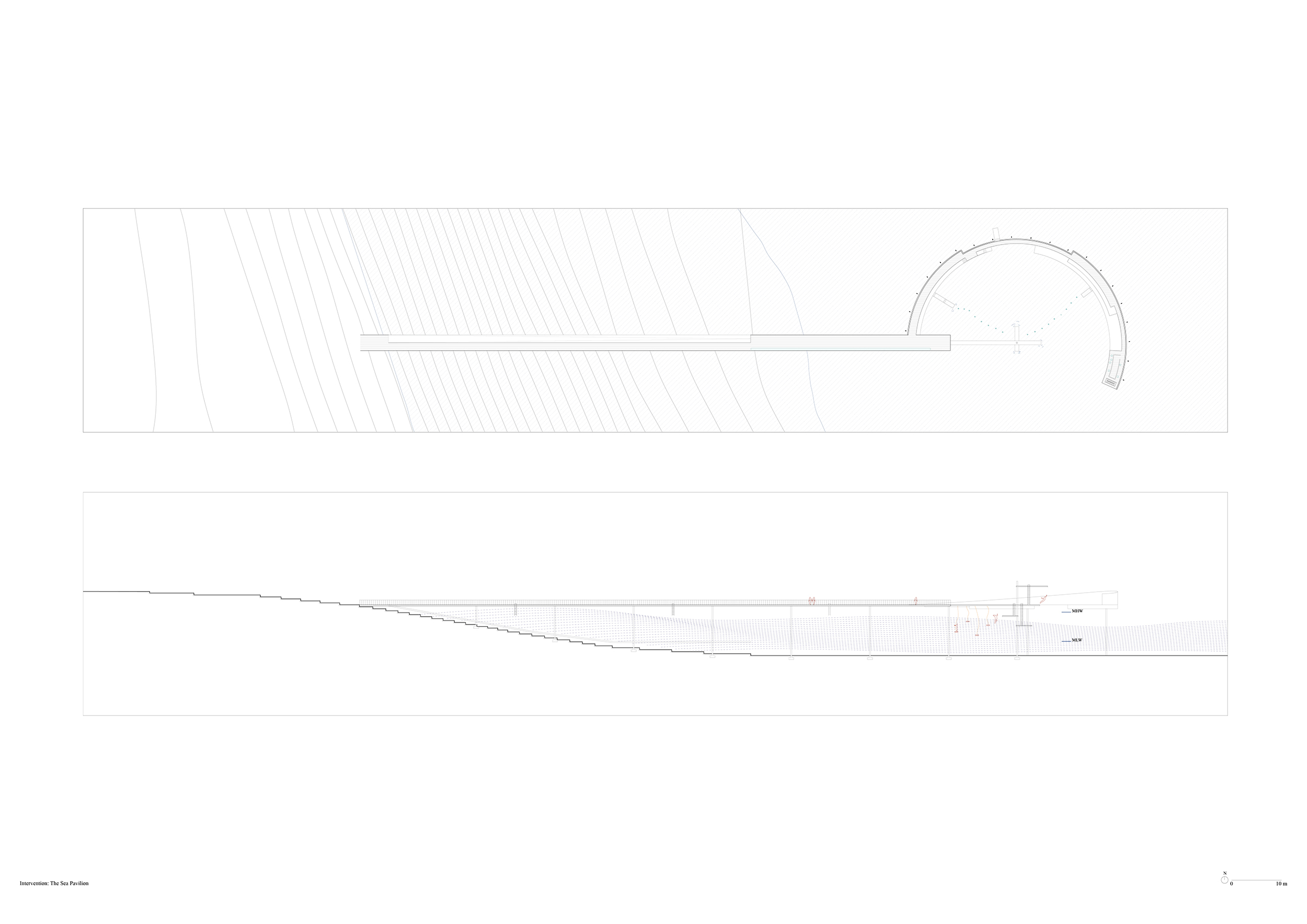
The project will look at the way the communities are able to come together through four main interventions; localised forms of Production, Gardens as protected space of care that organises and frames a collective experience, Shed, a linear structure that connects the settlement with the foreshore and lastly, the Sea Pavilion that extends life to the sea.
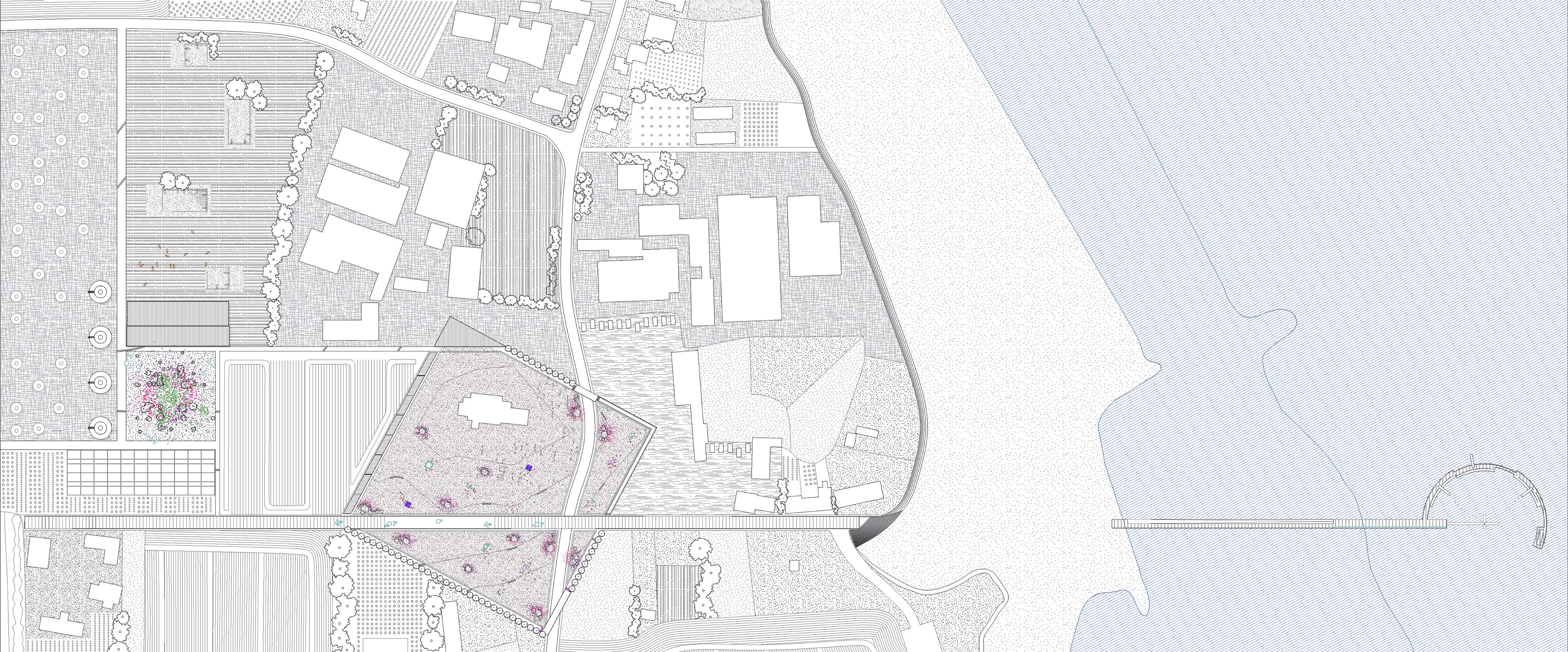
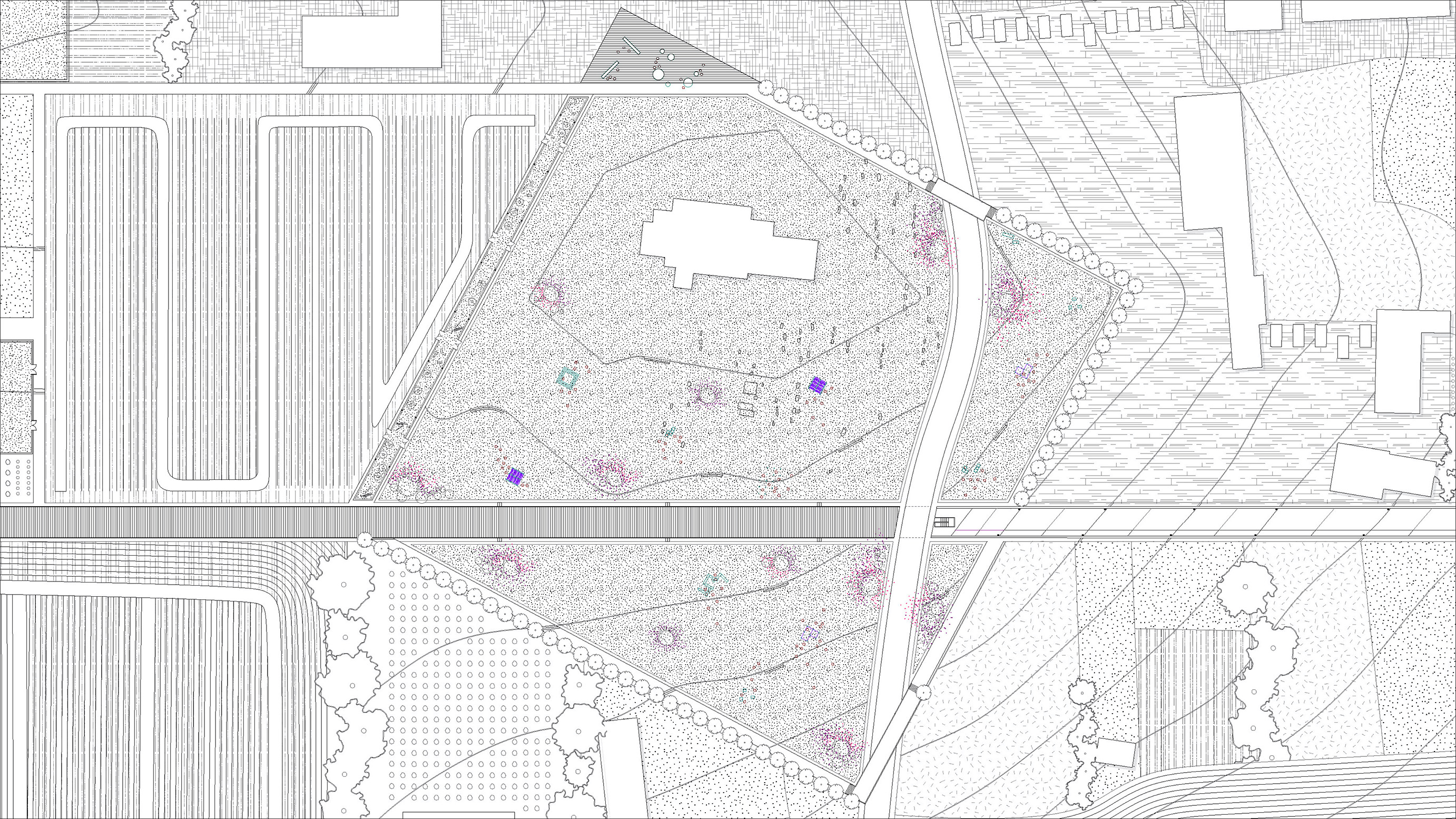
Plan of the Collective Infrastructure
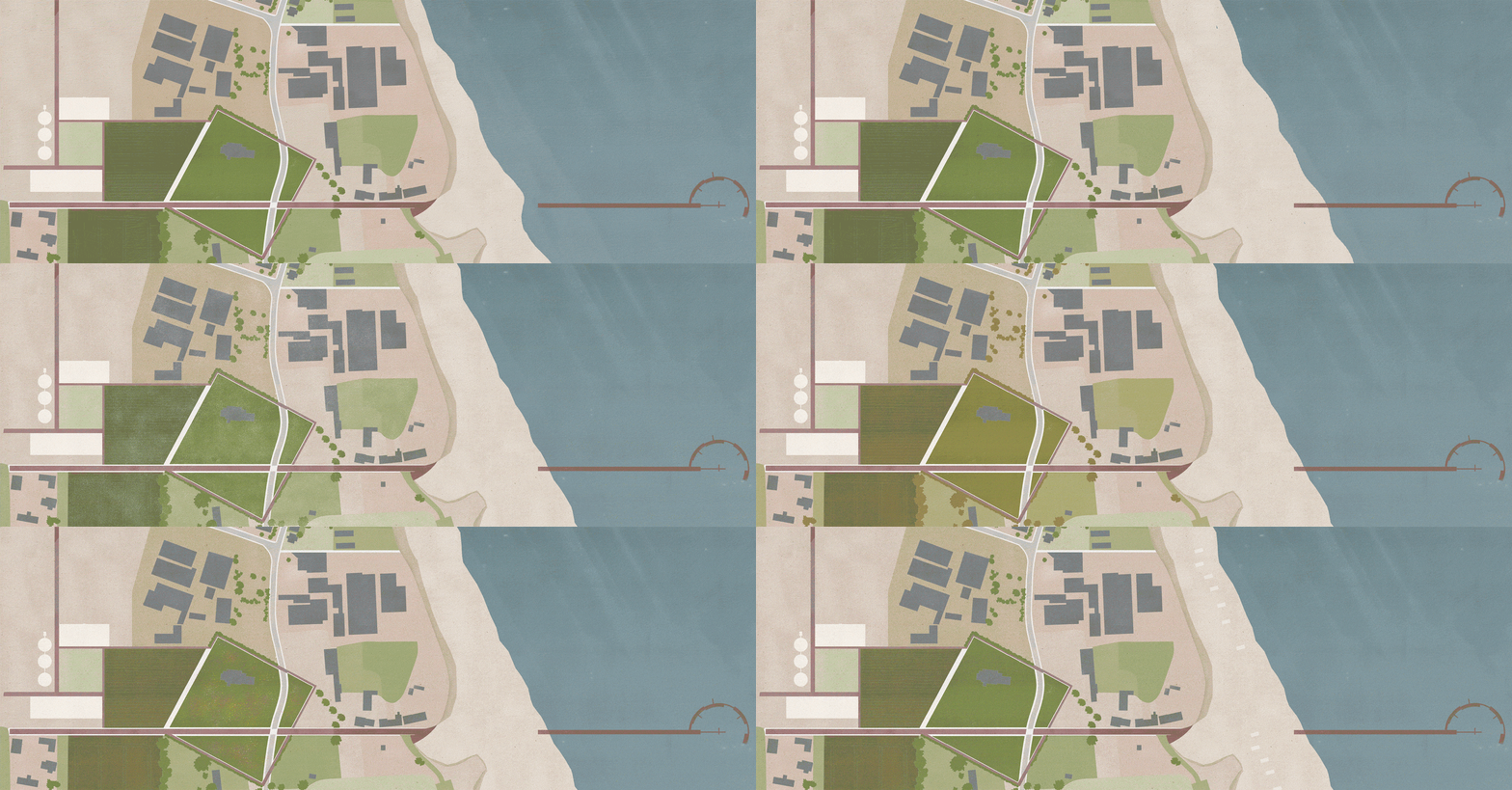
Tidal and Seasonal Fluctuations
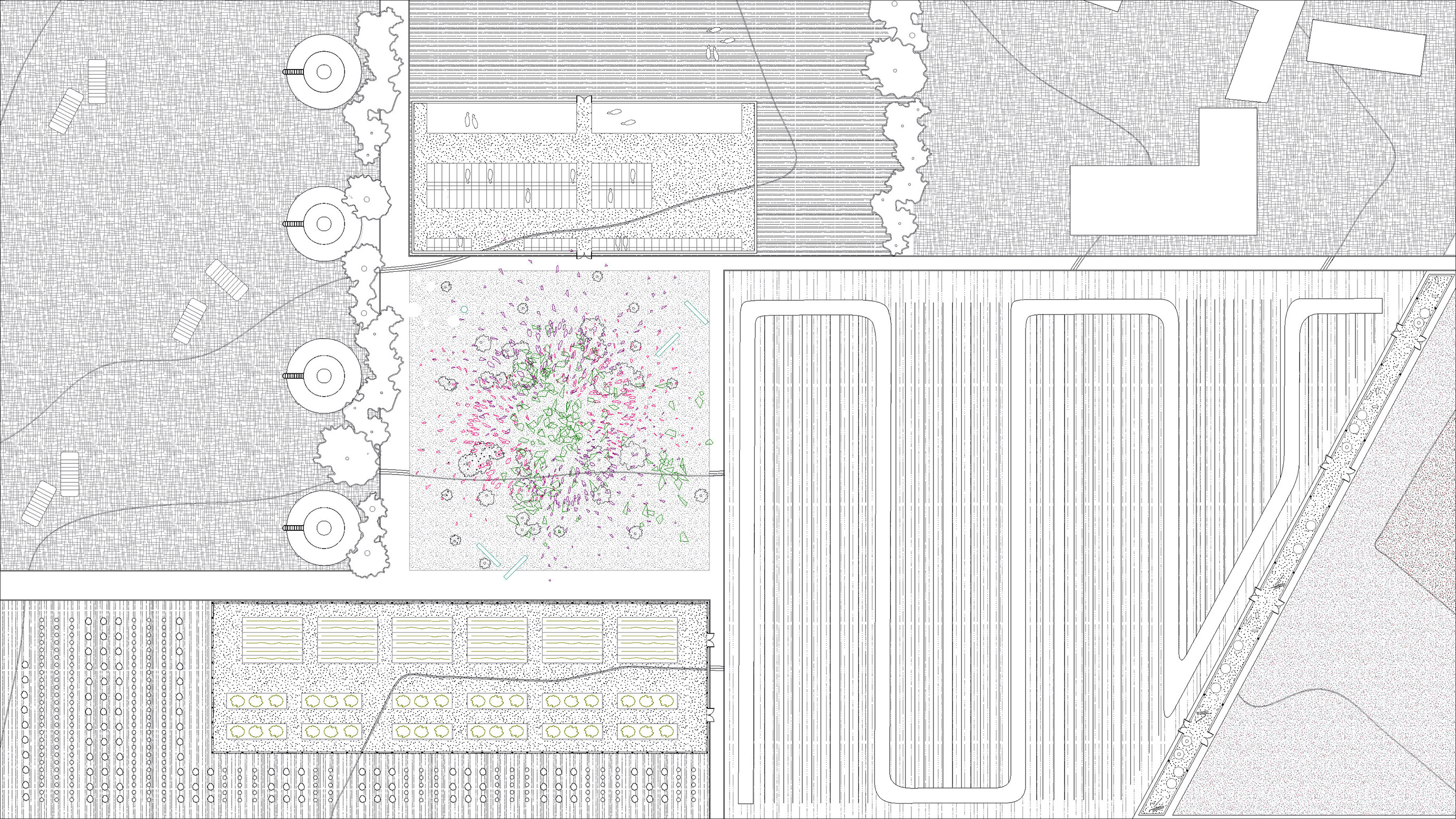
The Production Facilities, Plan
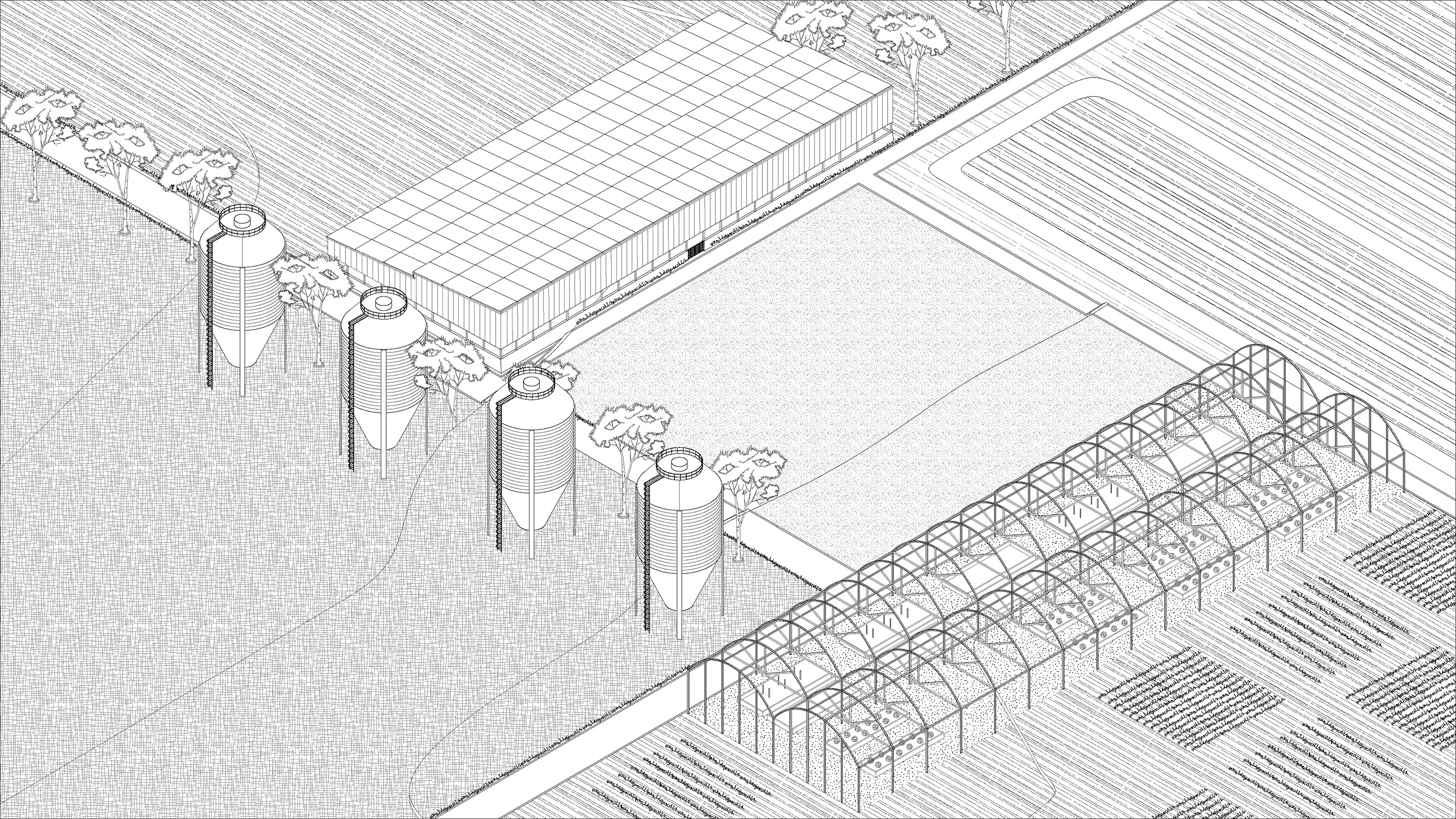
The Production Facilities, Axonometry
2
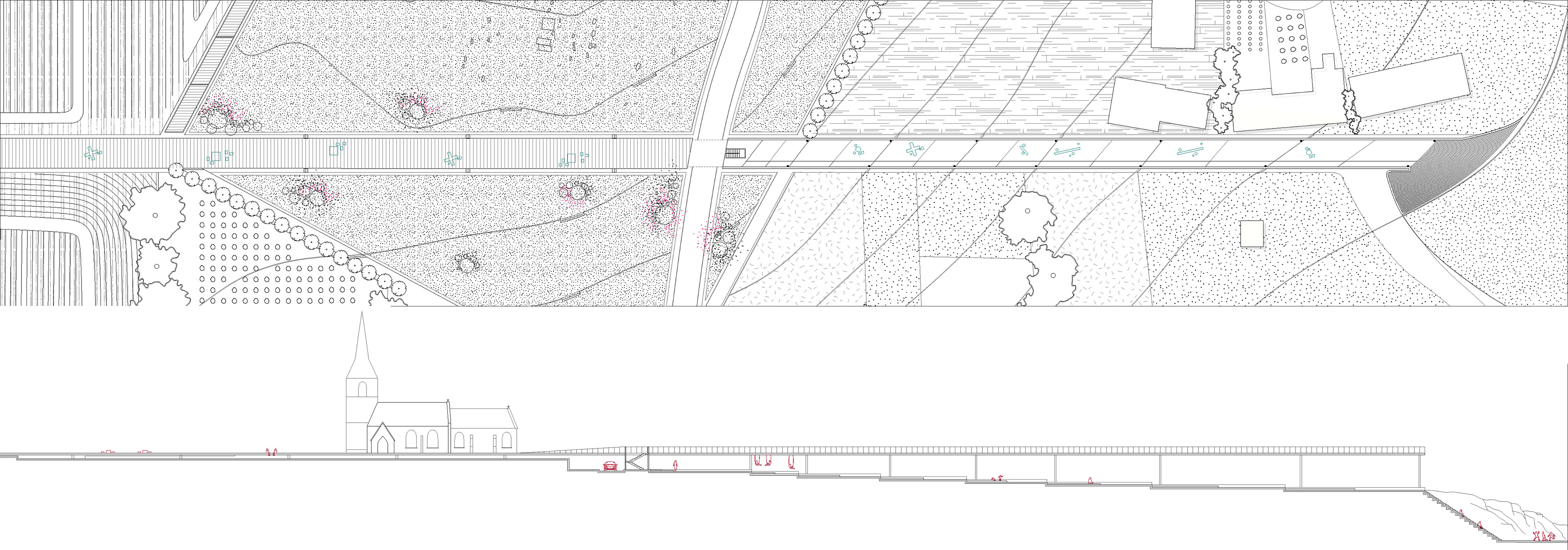
The Shed, Plan and Section
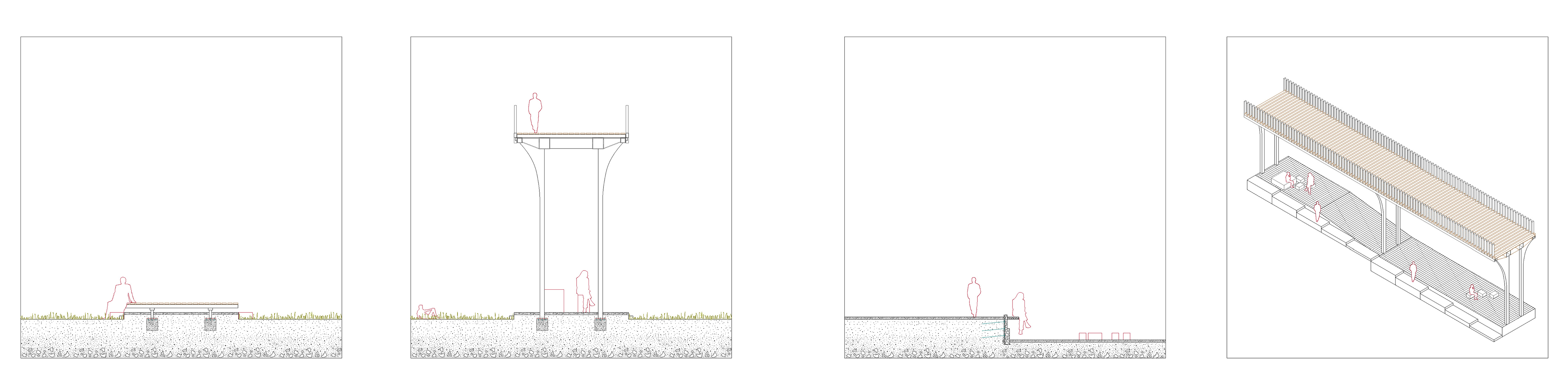
The Shed, Components
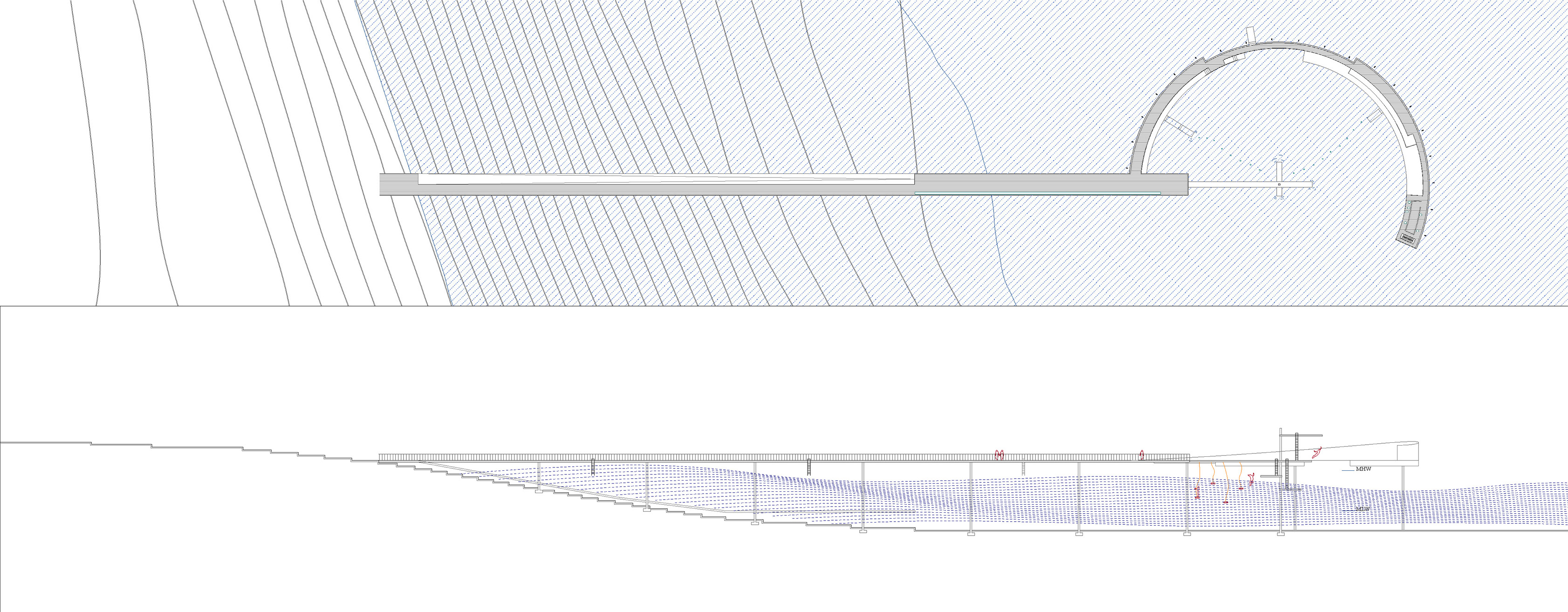
The Sea Pavilion, Plan and Section
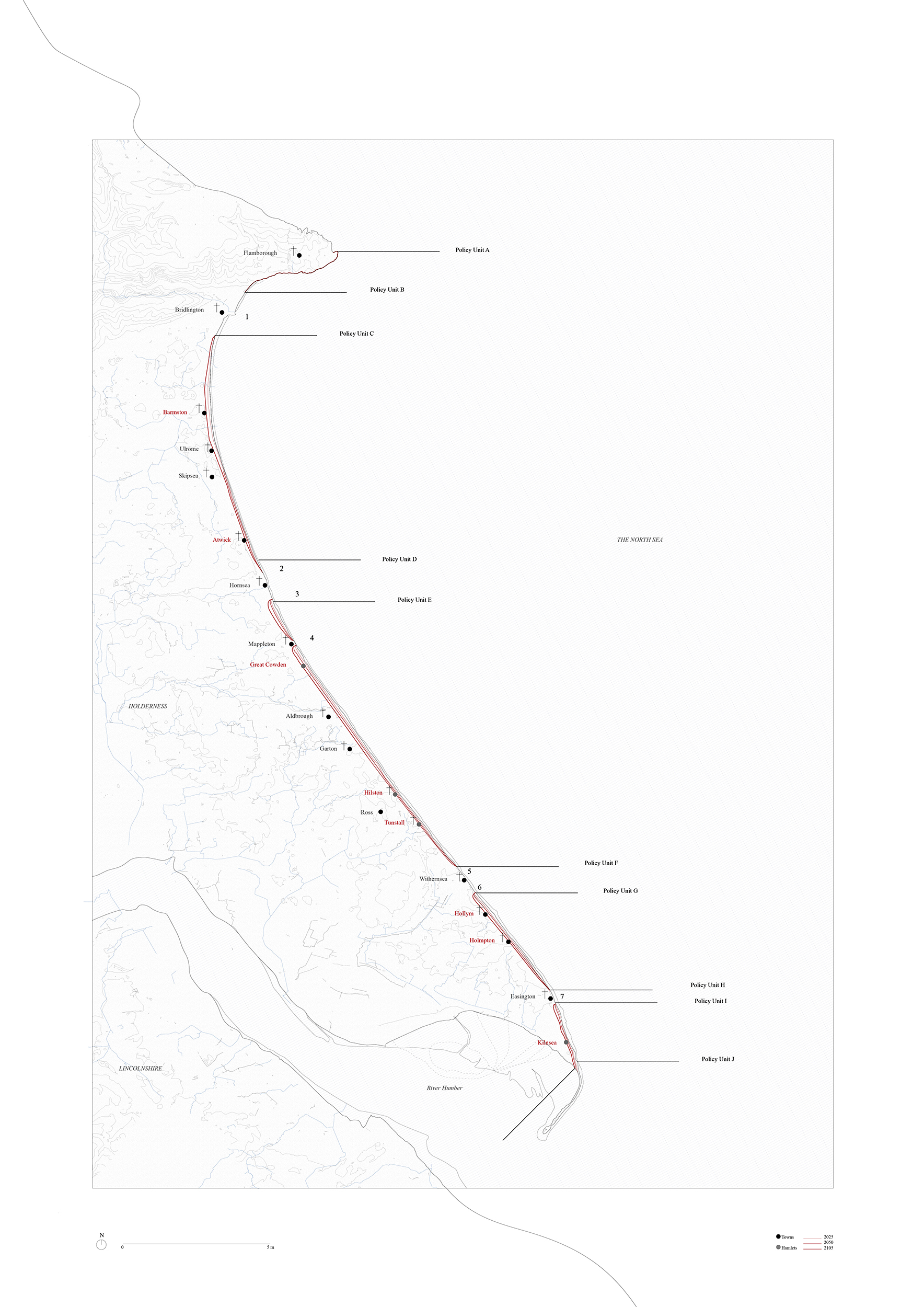
New Strategic Plan for the Coastal Protection along the Yorkshire Coast
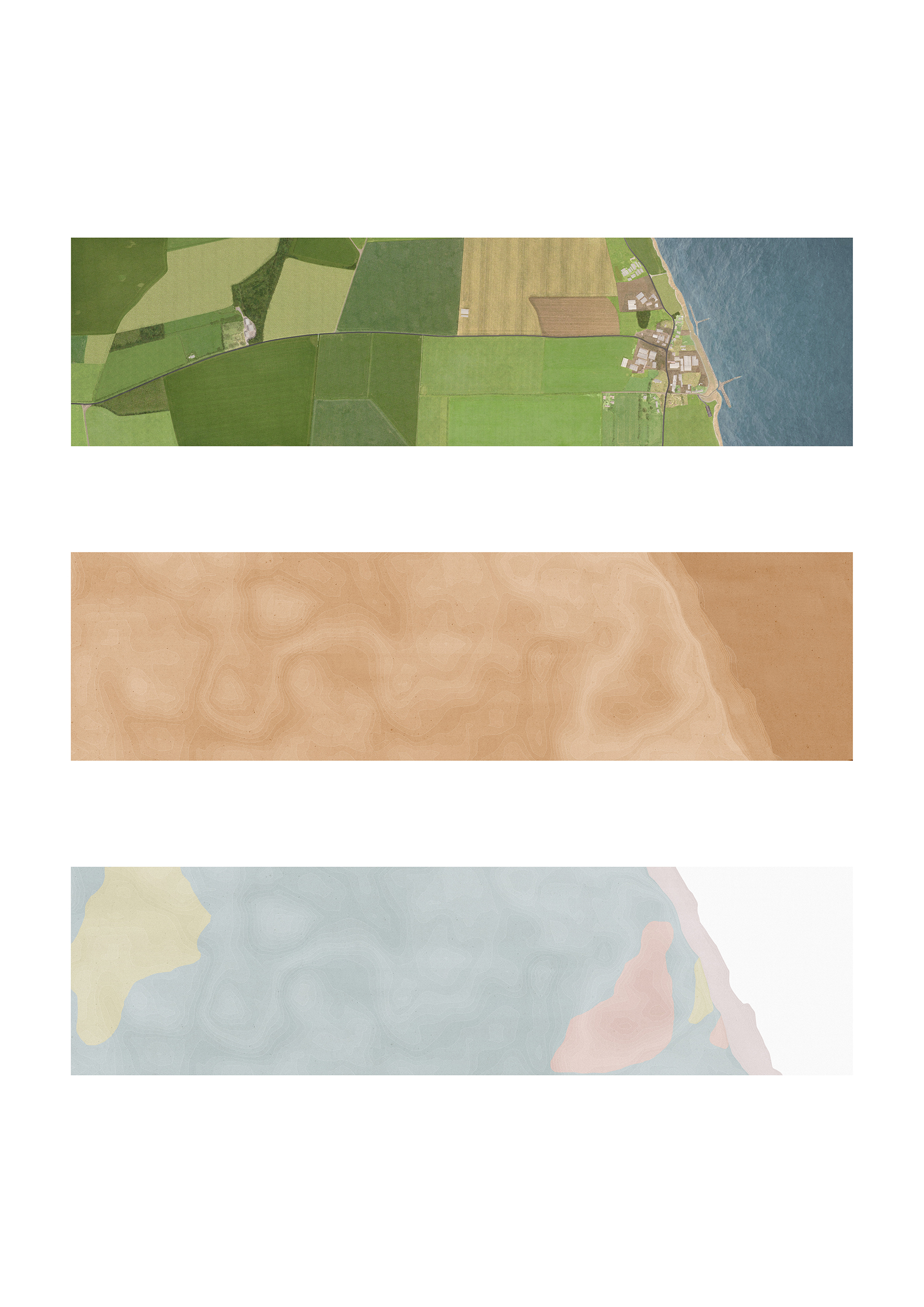
The project illustrates a possibility of an alternative life for the rural dwellers of Yorkshire, one that is not based in the instability and the constant loss of property. This constant negotiation between sea and land results in the loss of approximately half a million of properties every year. This draws our attention to the punctuality of the current coastal protection scheme; The Integrated Coastal Zone Management Plan. The ICZM was introduced in an aim to provide guidance on how to protect these towns and their natural environments. But by looking closer at the said scheme, one finds out the disconnection it has with the communities. In fact, the ICZM is only activated when Grade I listed buildings are under an immediate threat from the sea.
Therefore, a new scenario for the rural context of Holderness coast is envisioned by re - introducing the commons, not only as a field of collective cultivation, but as a system that was able to form different settings for human interactions. With this said, the project will look at the way the communities are able to come together through four main interventions; The Production space, the Garden, the Shed and the Sea Pavilion.
Plan of the Collective Infrastructure
Tidal and Seasonal Fluctuations
The Production Facilities, Plan
The Production Facilities, Axonometry
2
The Shed, Plan and Section
The Shed, Components
The Sea Pavilion, Plan and Section
New Strategic Plan for the Coastal Protection along the Yorkshire Coast