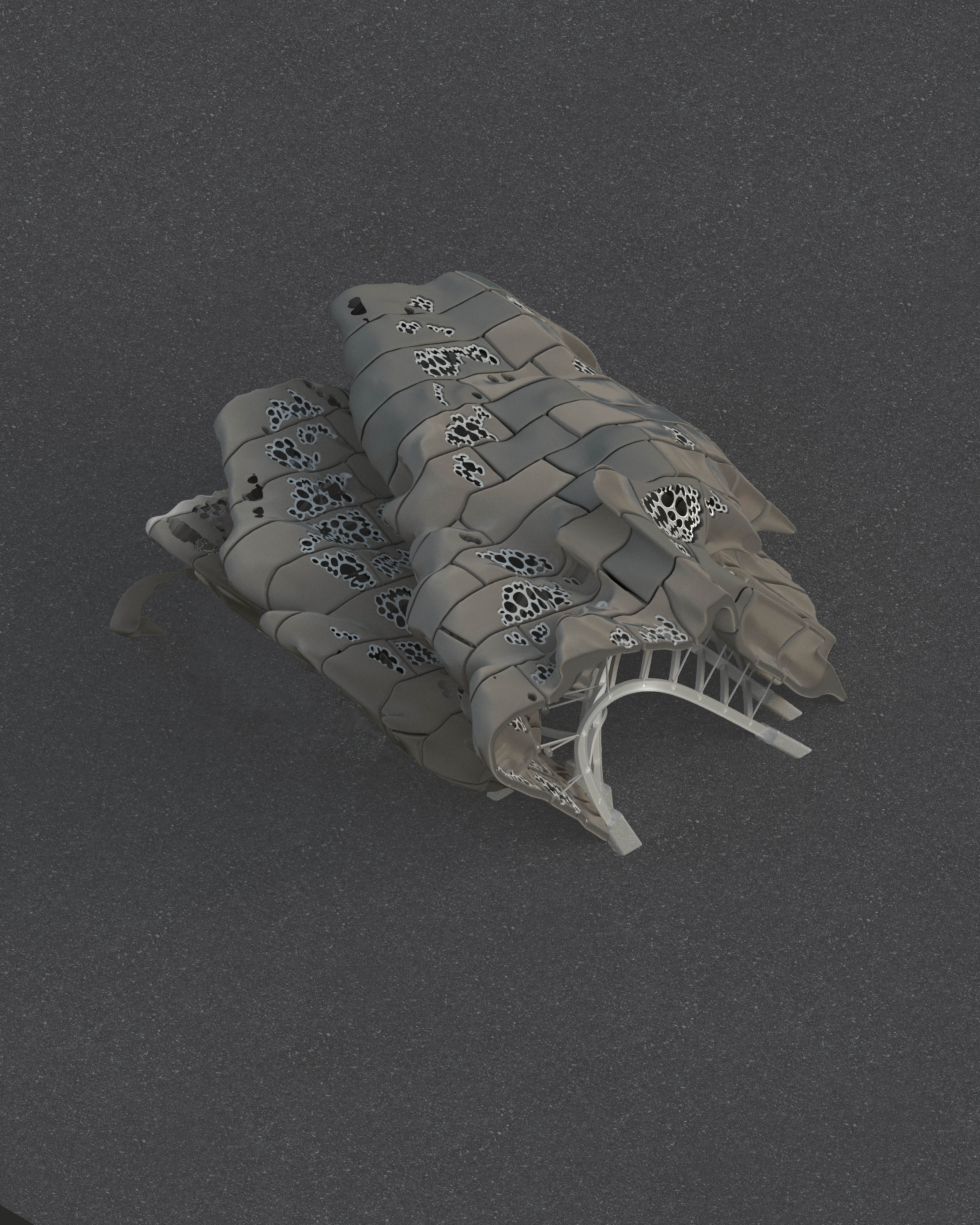
The concept of a living environment “home” was first established in the Paleolithic Era in the actions of cavemen. Caves were natural rock-cut shelters. They were not man-made. They were natural forms usually created by the erosion of water in natural bedrock. These were the earliest examples of human dwellings. They had irregular forms as a result instead of any kind of regular or especially purposeful geometry. Thus, considering today’s conditions, and the needs of people, can we actually turn back to our primal state of living? Can a similar spacial experience resembling nature’s rock formation be created as an alternative form of nature in the field of architecture?
The thesis is aiming to devise a new language in which alternative forms of nature can be experienced through creating a form of habitable, artificial nature within the urban fabric. In my project, I am using the byproducts of marble to recreate a nonliving nature within the city. Shanghai’s most iconic public space, The Bund, would be retrofit where a new waterfront path would be designed along the Huangpu River.
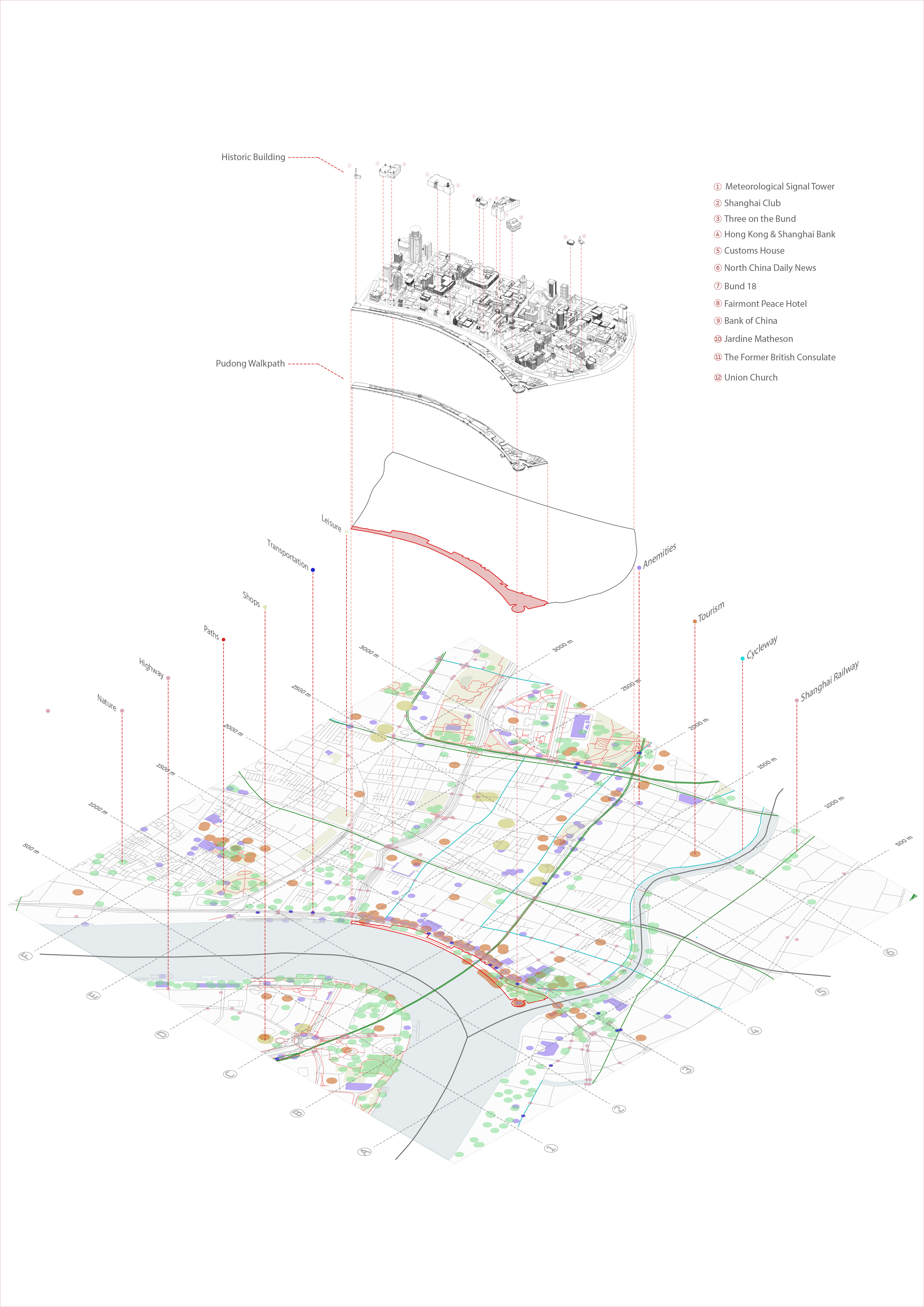
The Bund Analysis
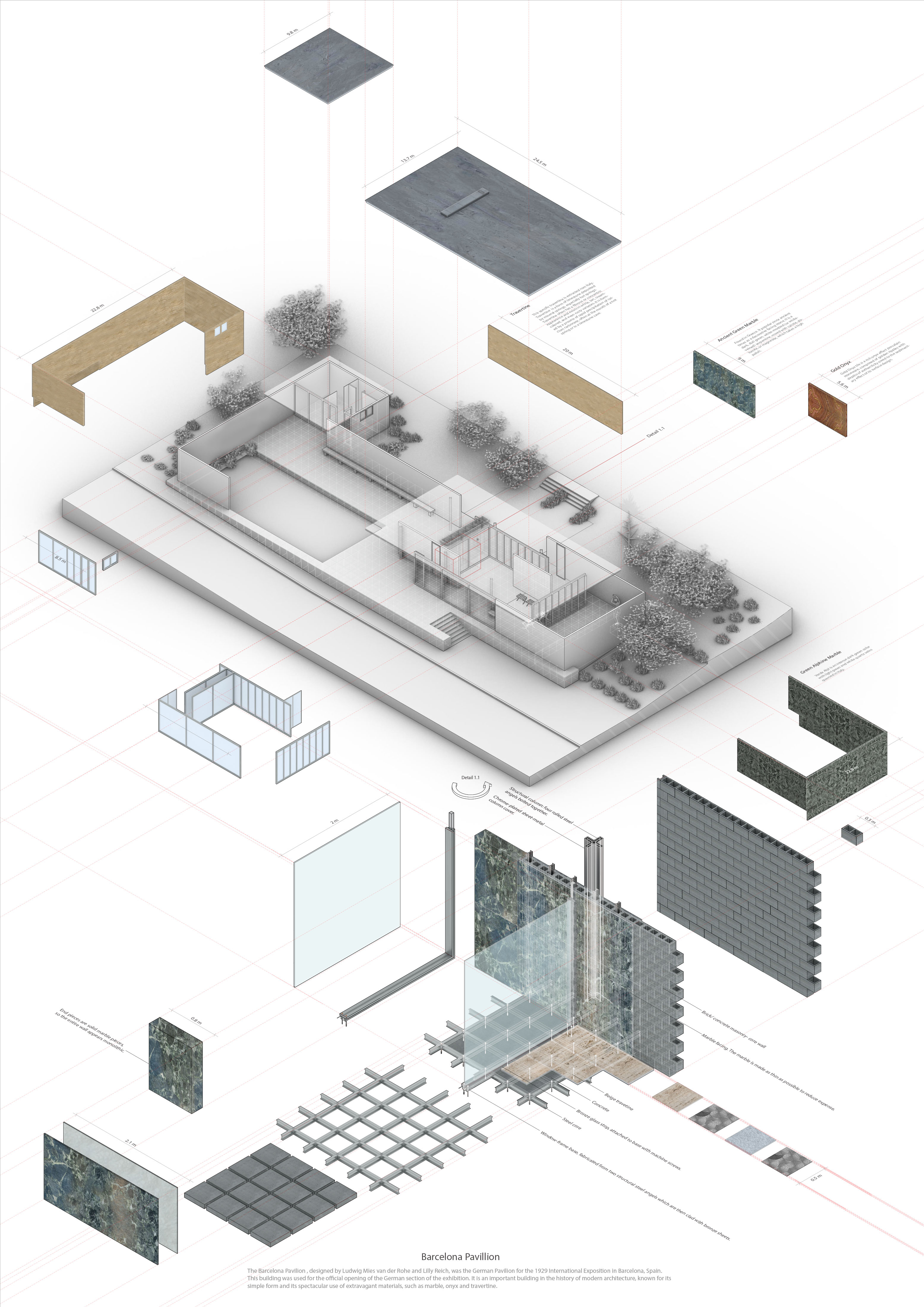
Barcelona Pavillion - Case Study
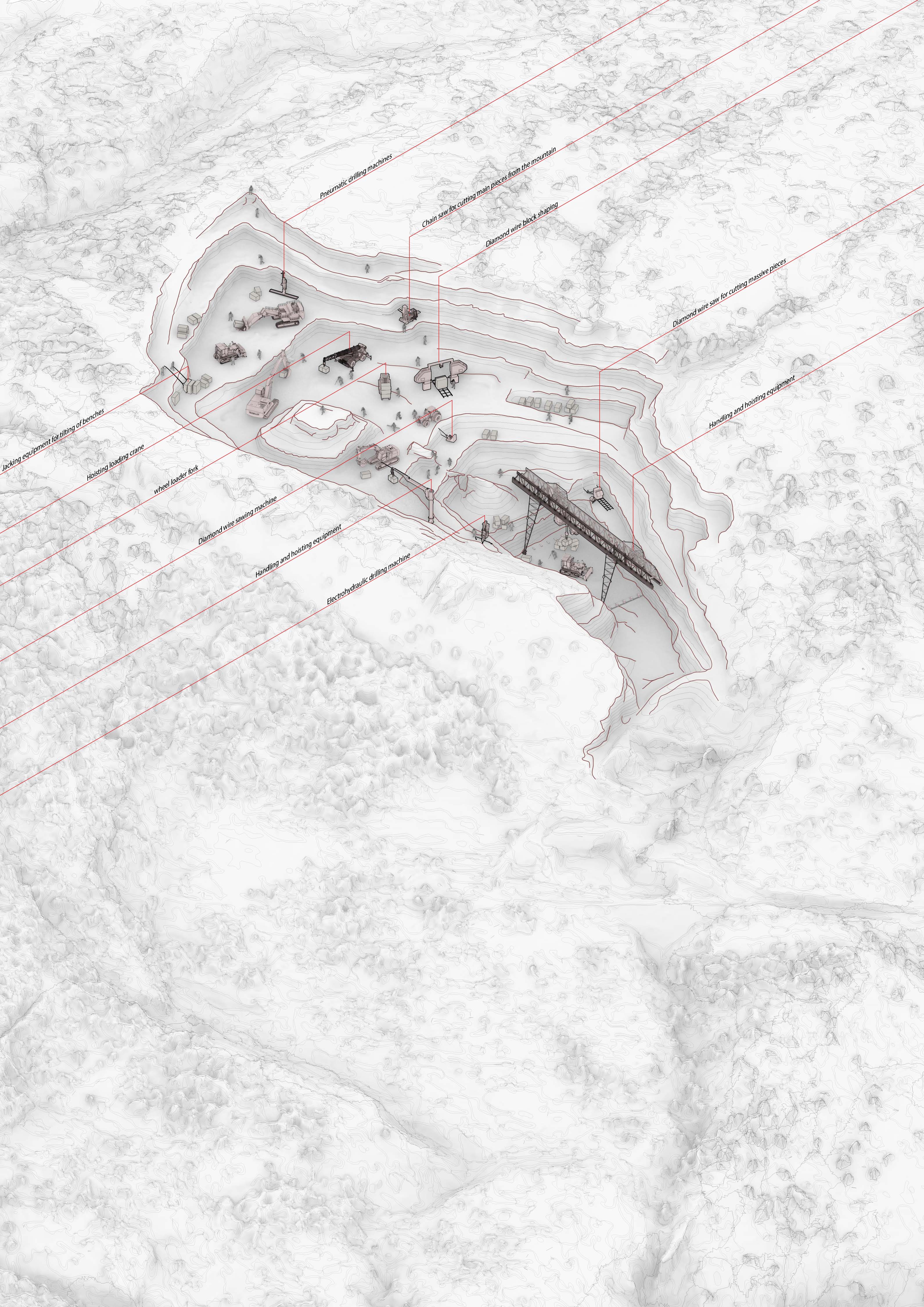
Marble Quarry
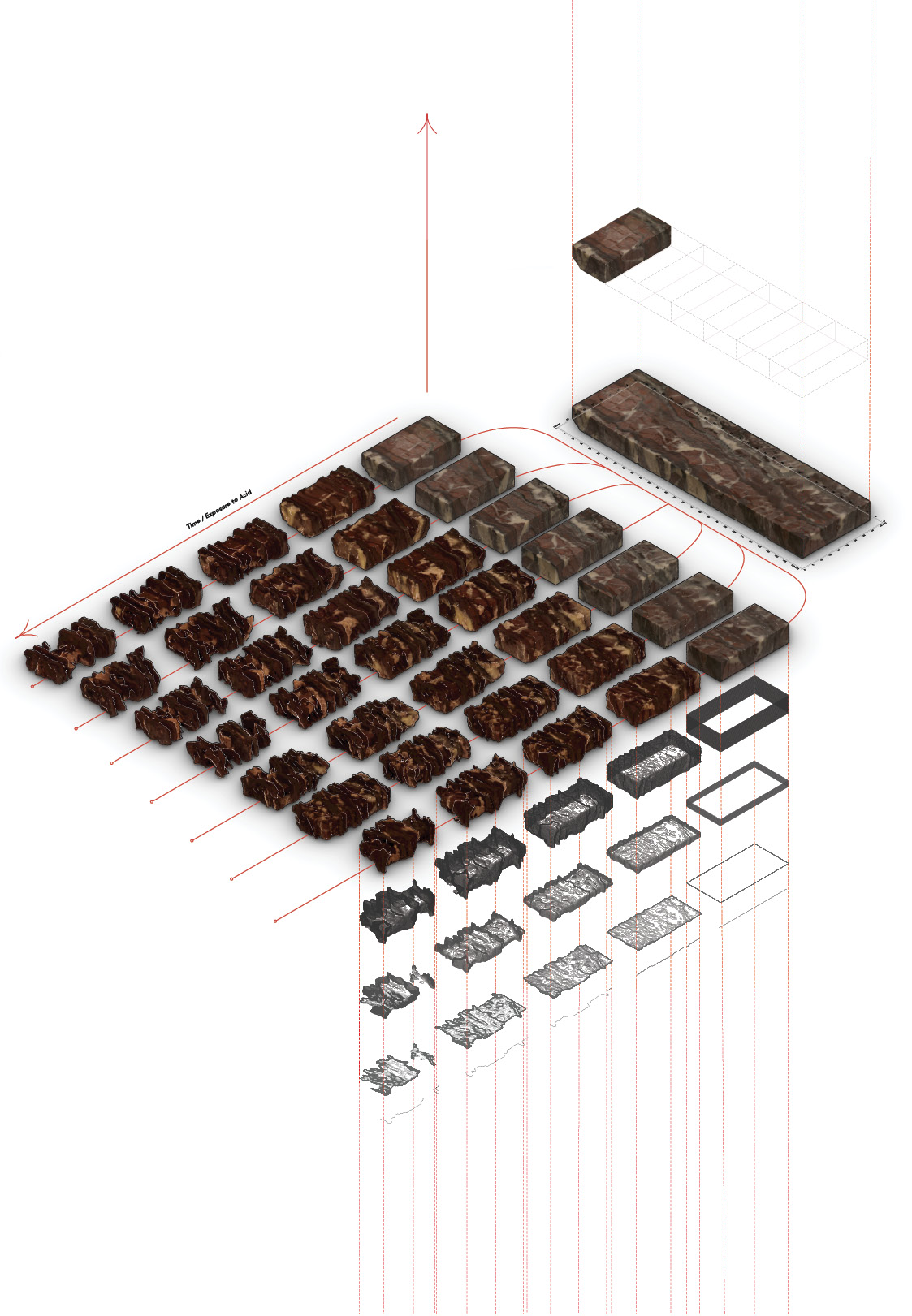
Marble Erosion
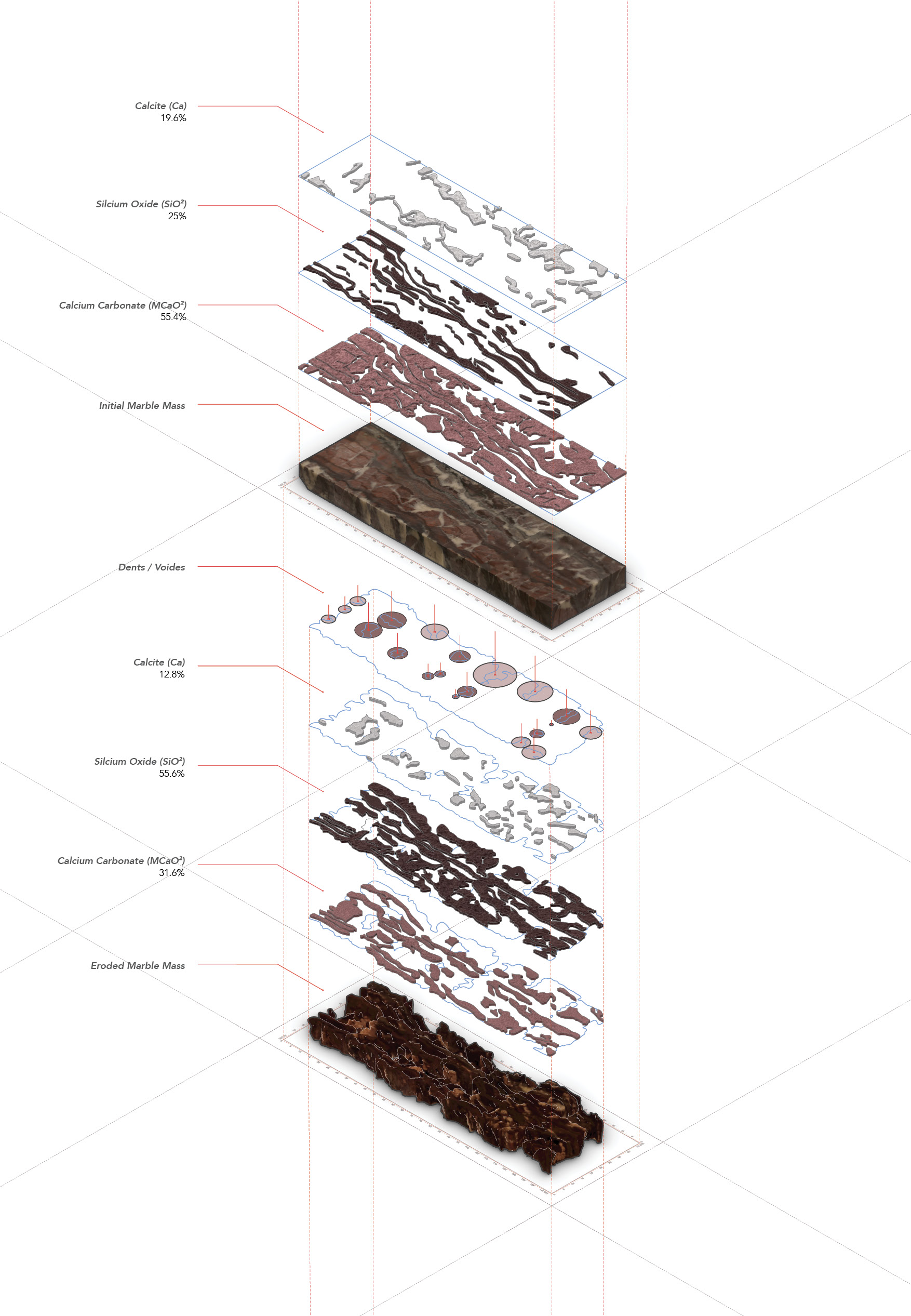
Mineral Analysis
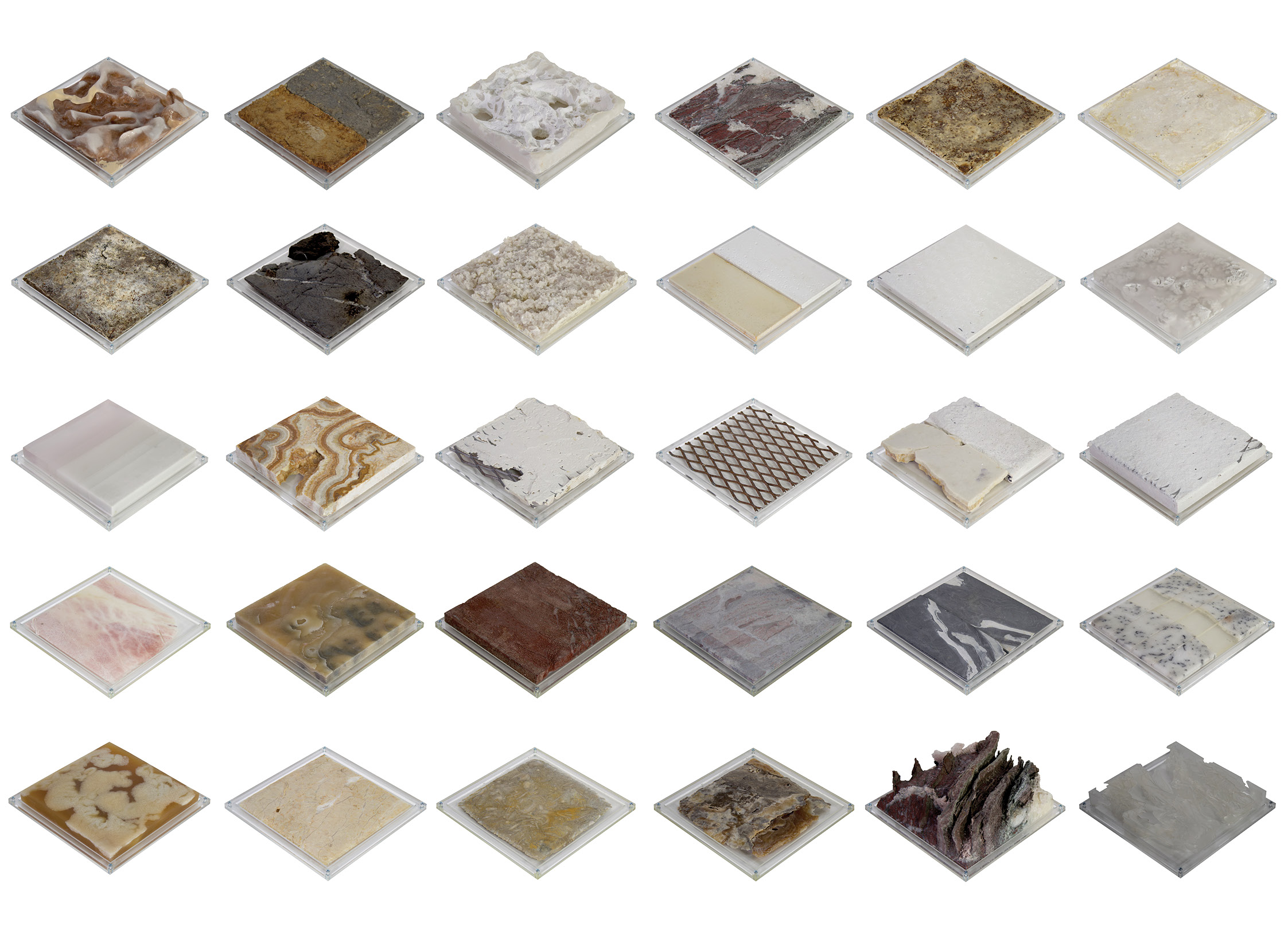
Material Studies
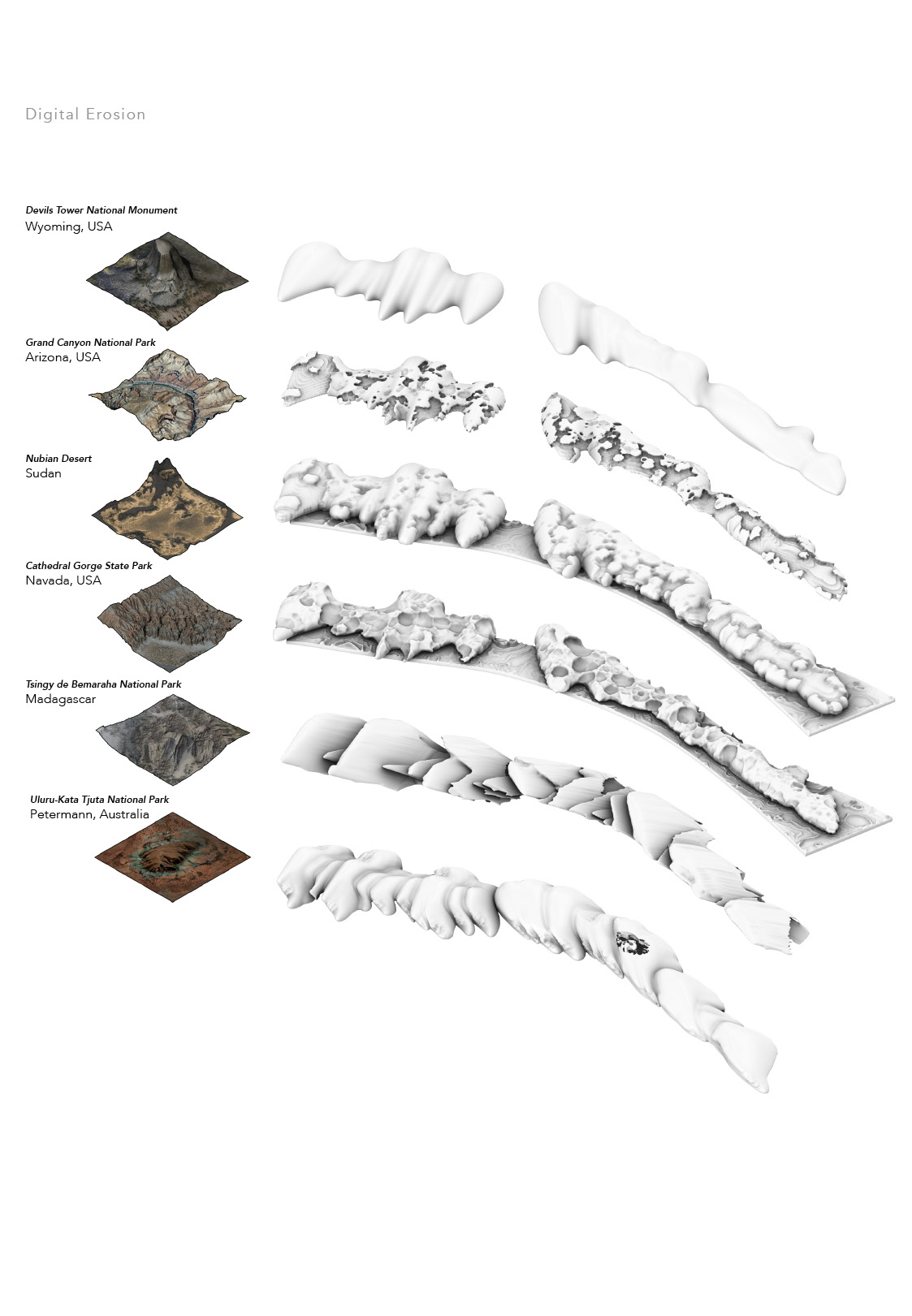
Digital Erosion
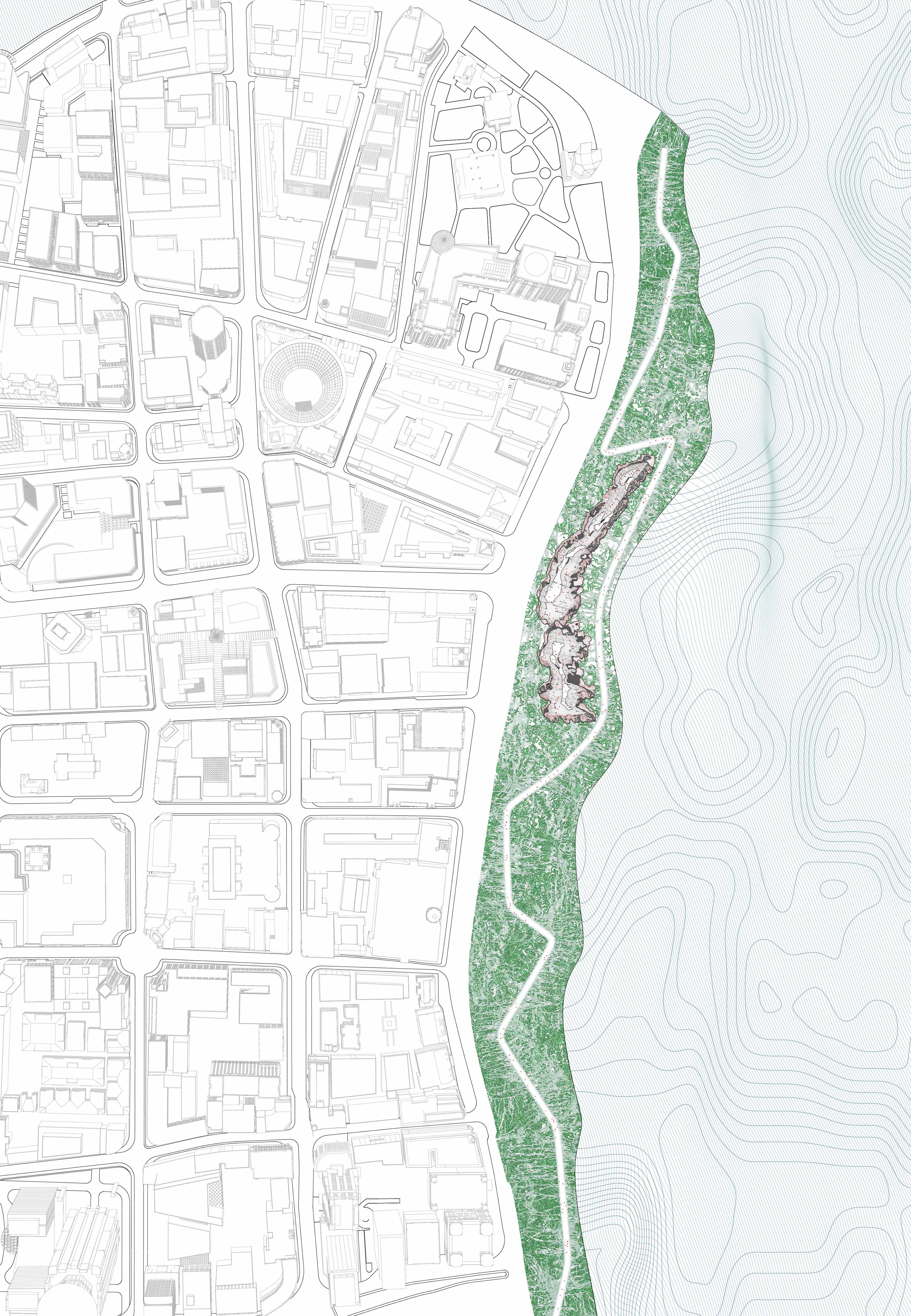
Vegetation and Building - New Waterline for The Bund
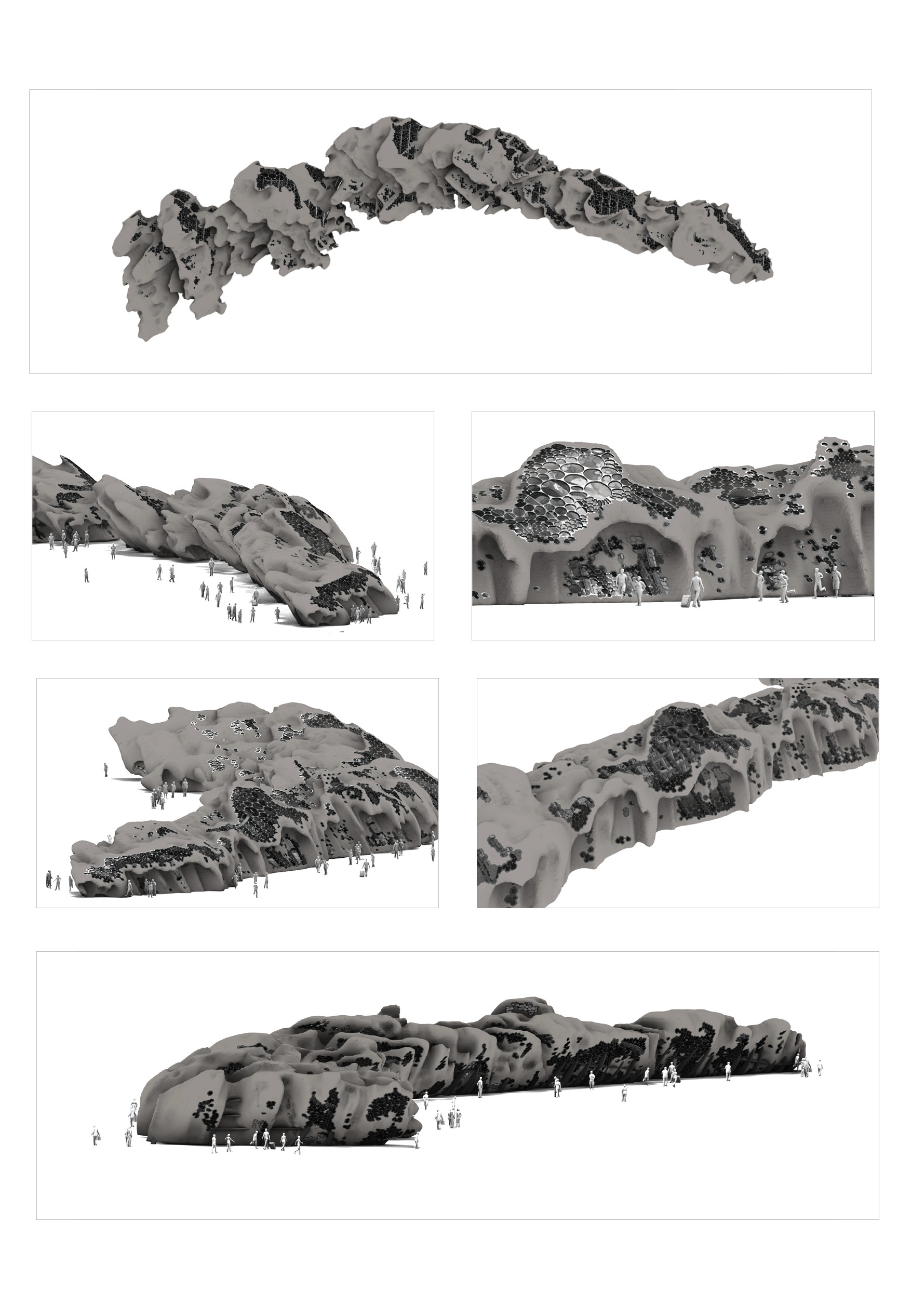
Final Proposal