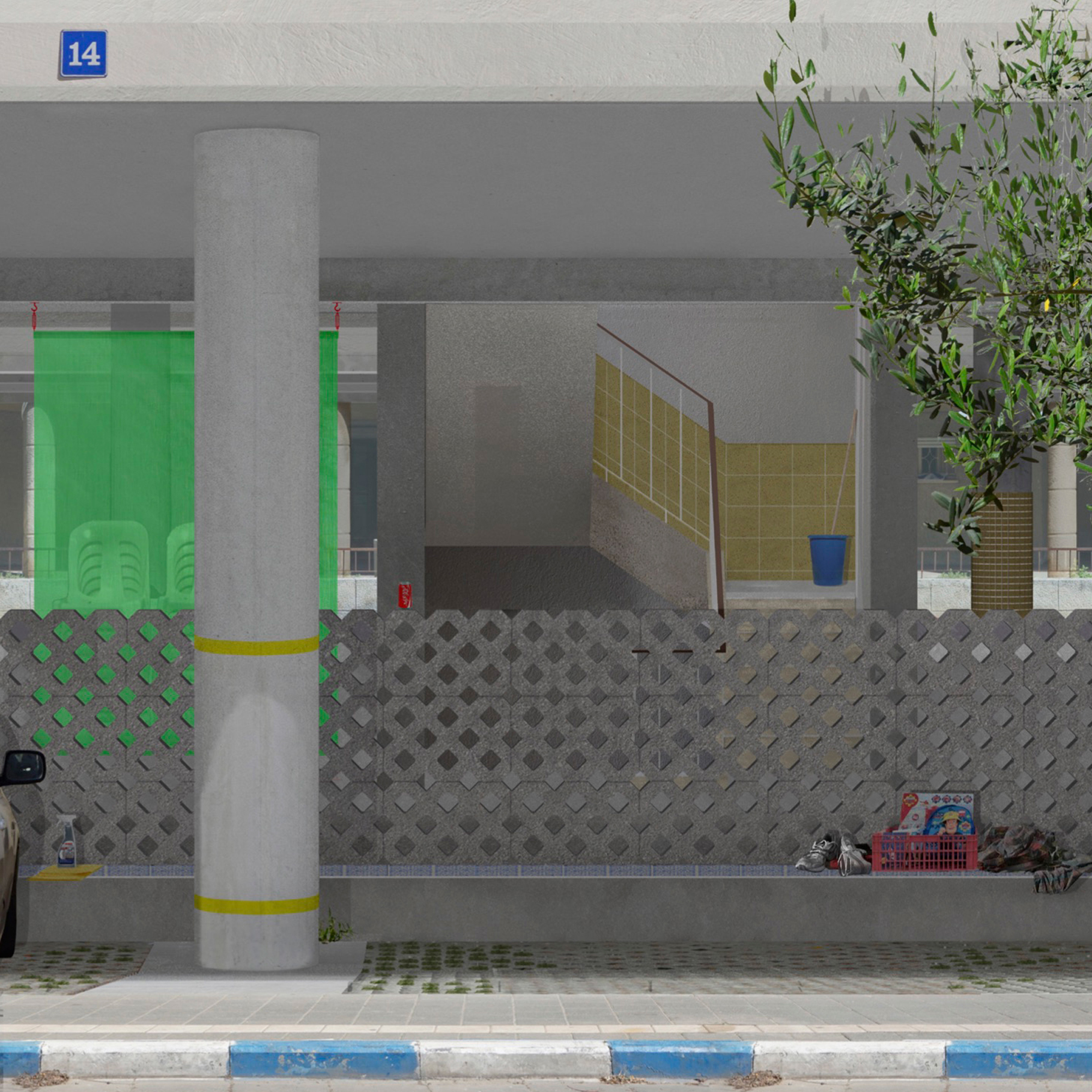
Below
Dor Schindler, MArch (Year: 5)
Like many modern cities, Tel Aviv inherited a detached state of mind. A city of pixels, mentally bound to 500m² plots.
Since the 1980’s, planning strategy relies upon the private market to maintain private property. The ground itself might be the right scope; where only a century ago lines were drawn on the sand, is now a desolate terrain between the urban and domestic.
Tel Aviv’s dominant typology is the Urban Villa. A condominium which is neither the single family home nor the apartment block. The Villas are subdivided in a repeating model of blocks, which segregates dormant communities of similar interests.
The proposal offers to communise the ground floor of a block through a hybrid ownership model. Apartments above remain private, whilst the ground is held by a trust. It aims to complicate the ability of developers to ‘break’ a block, to preserve Tel Aviv’s pleasant urban density.
The ground floor trust blurs the binary distinction between private or public. Challenging the notion of the family structure, the space below is almost domestic.
Where many social restructuring projects failed to sustain longevity, an attempt to utilise forgotten spaces in the existing city fabric might offer a middle ground.
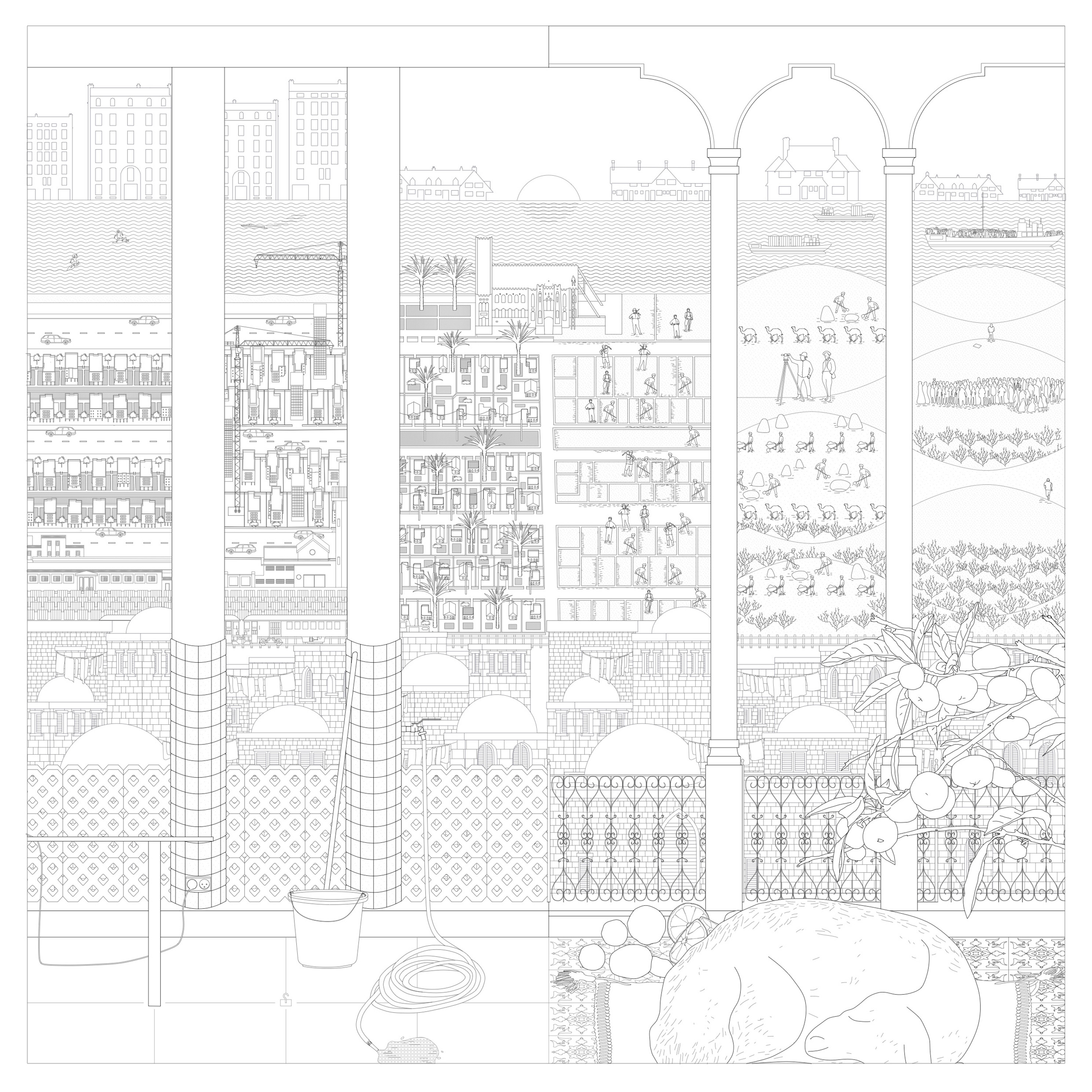
Urbanisation by law
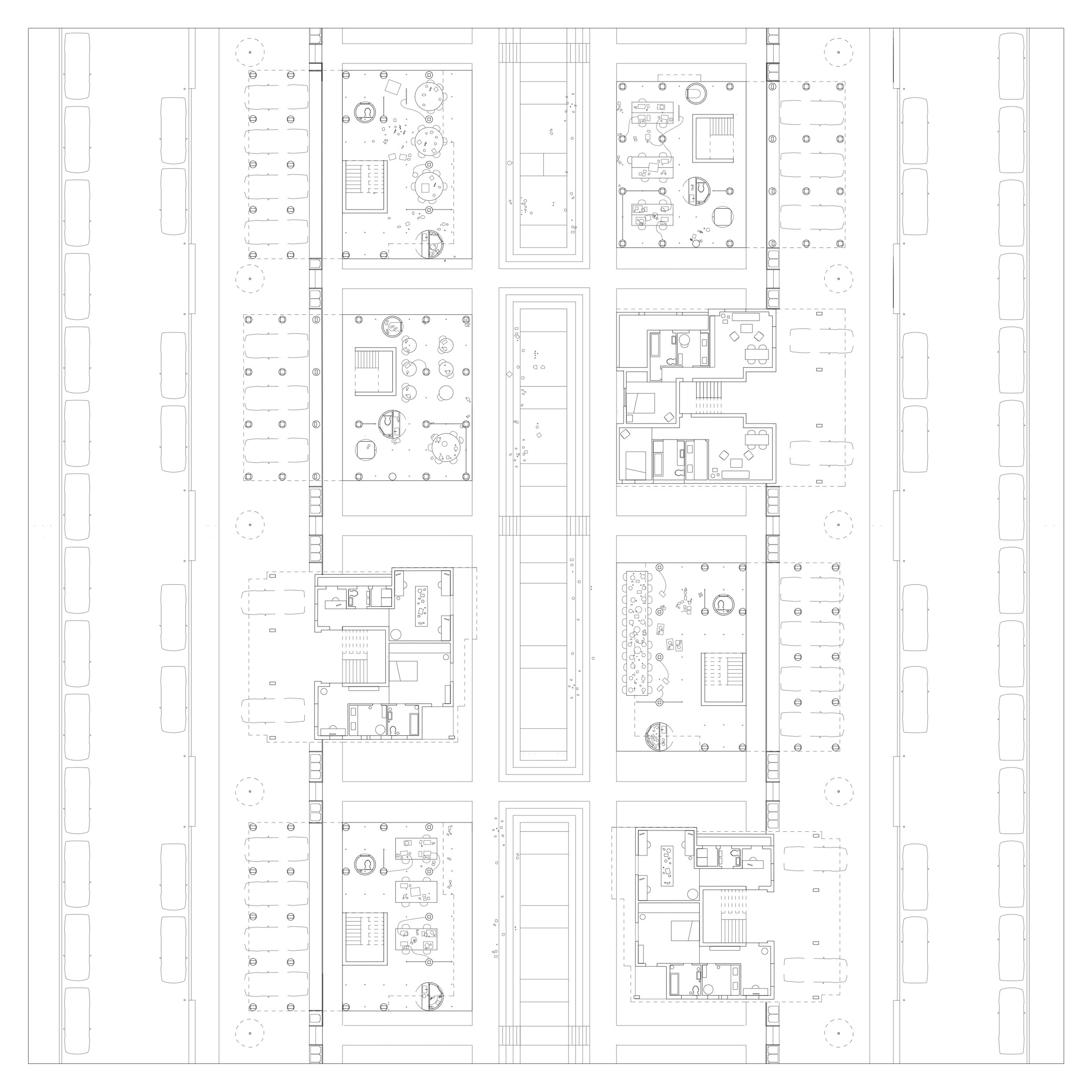
Proposed GF, Block
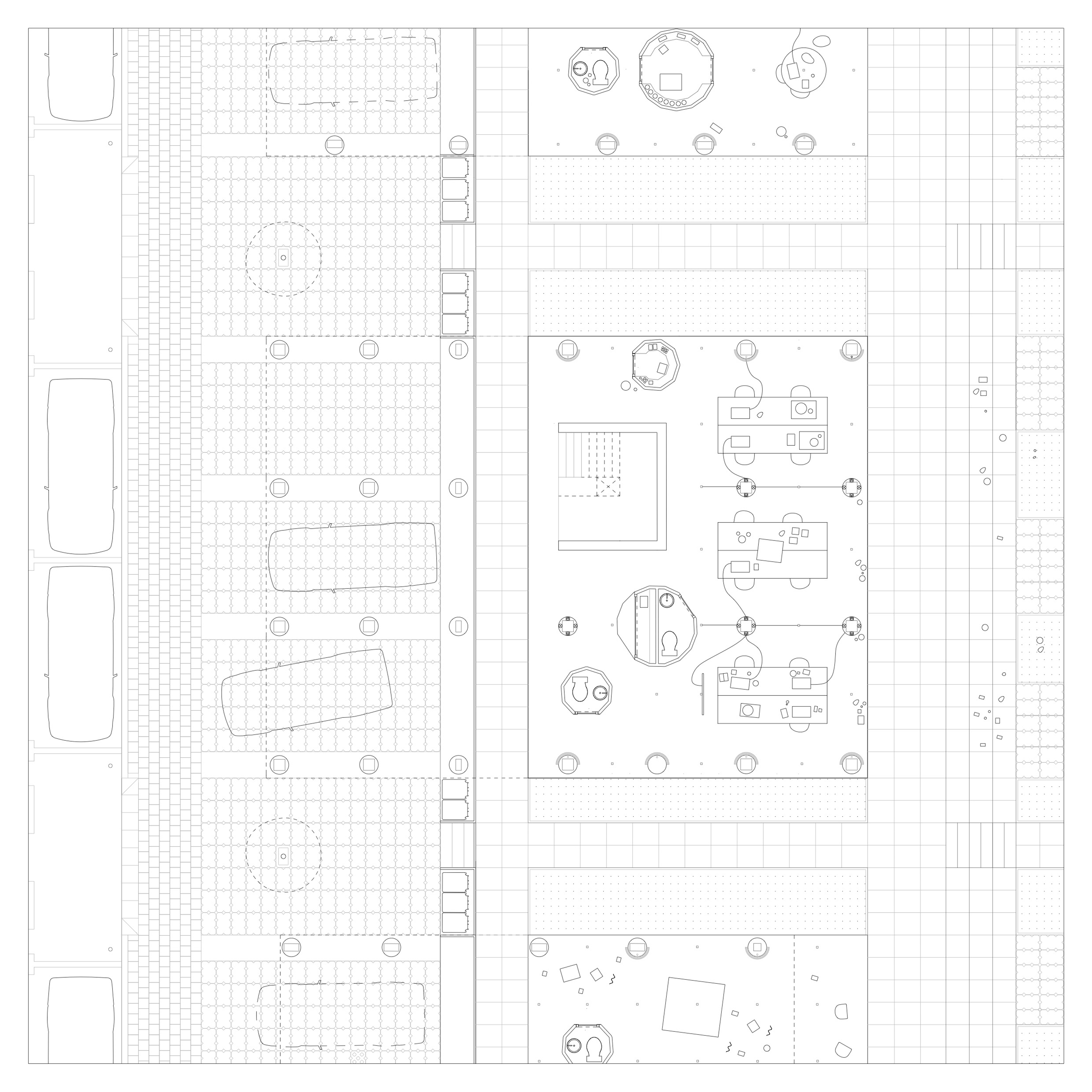
Proposed GF, Villa
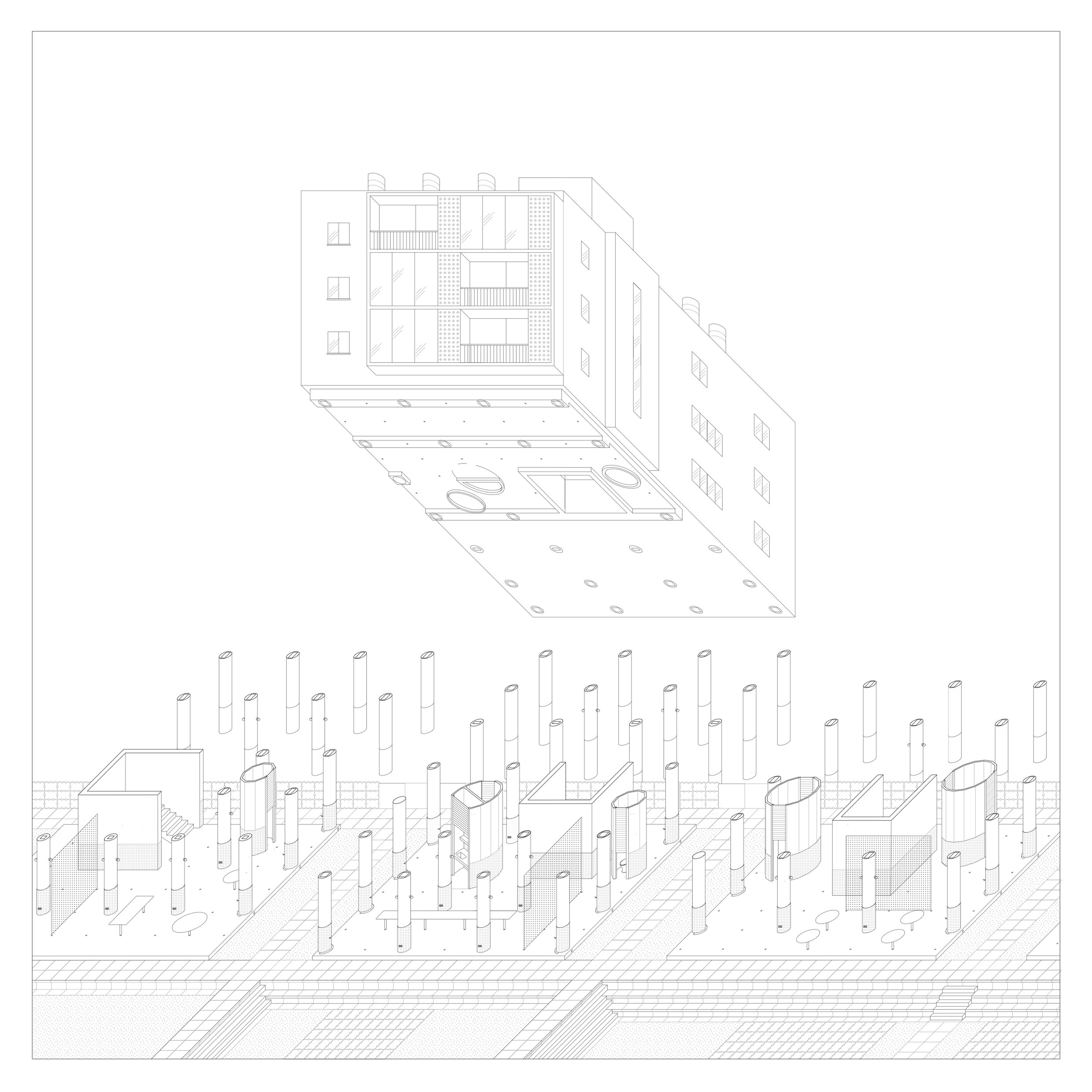
Keep your pension fund
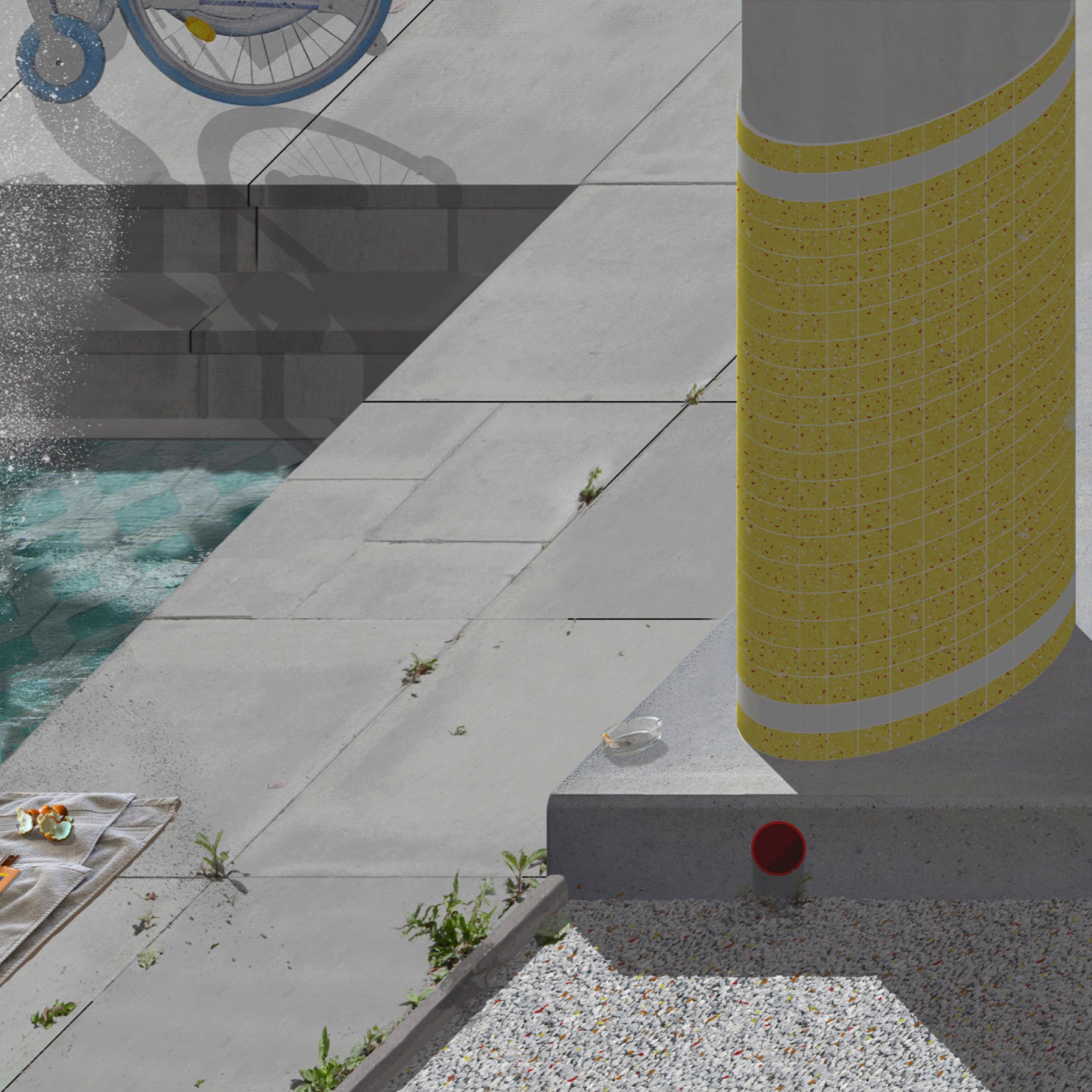
20th of June, 13:00
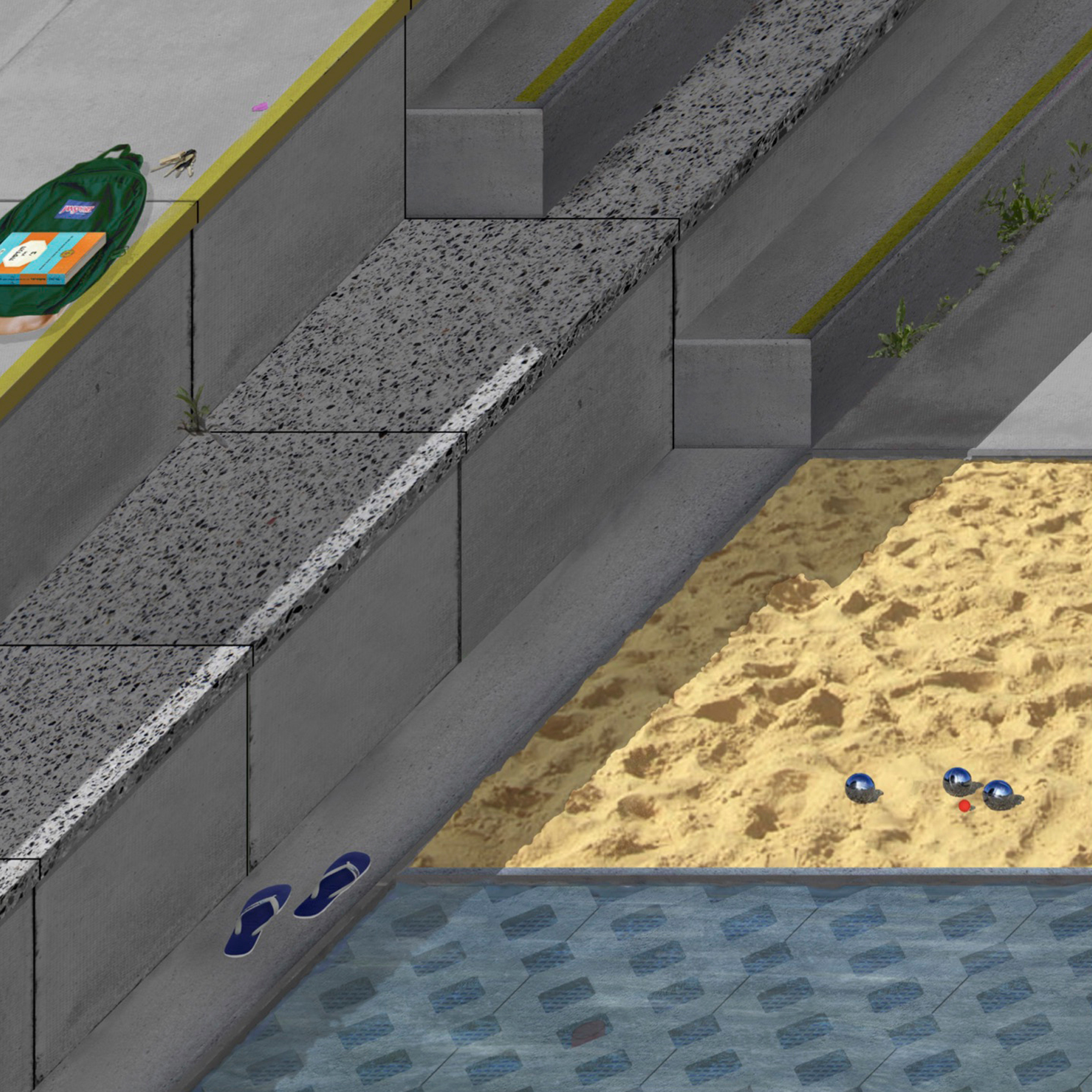
10th of September, 17:30
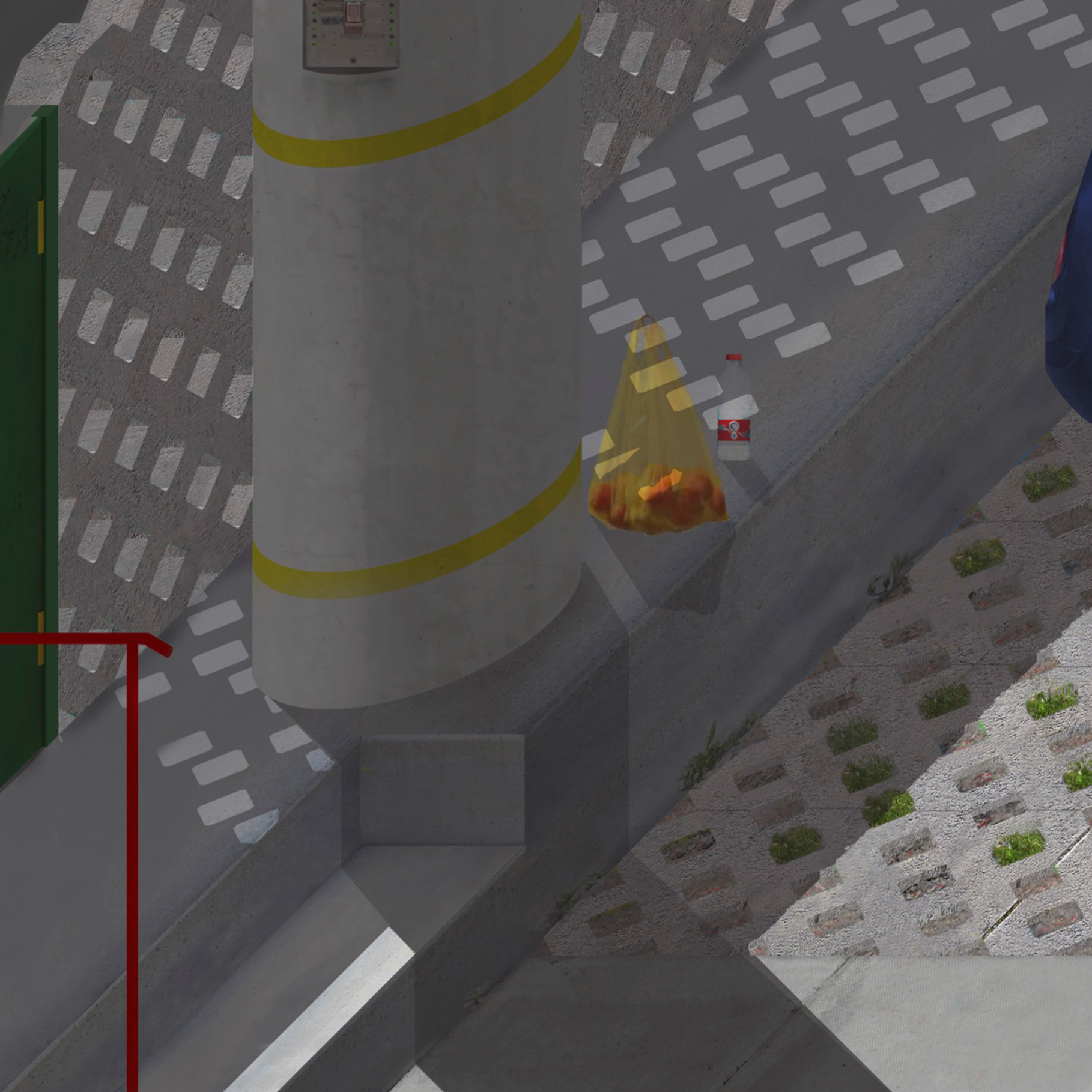
15th of January, 10:00
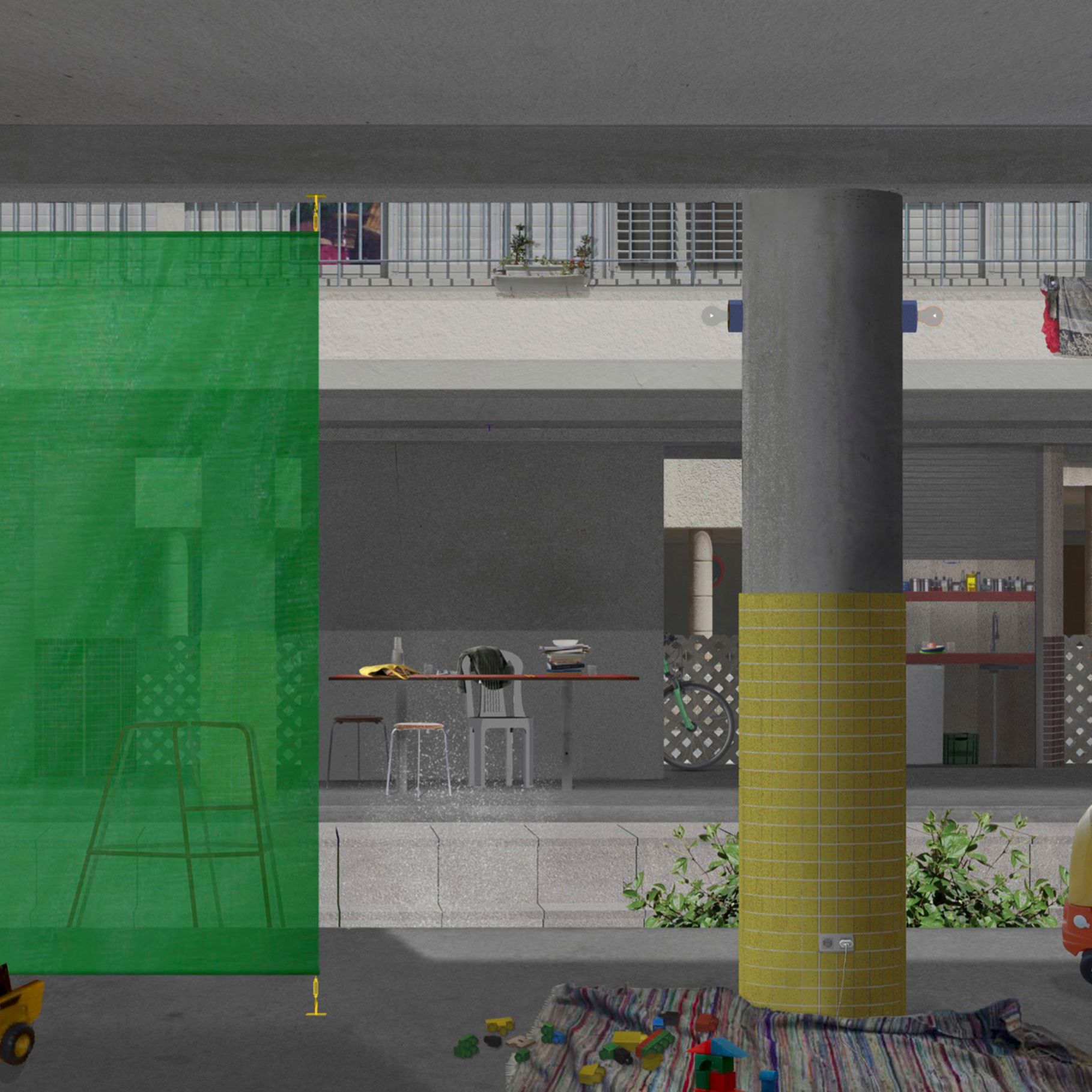
Almost domestic
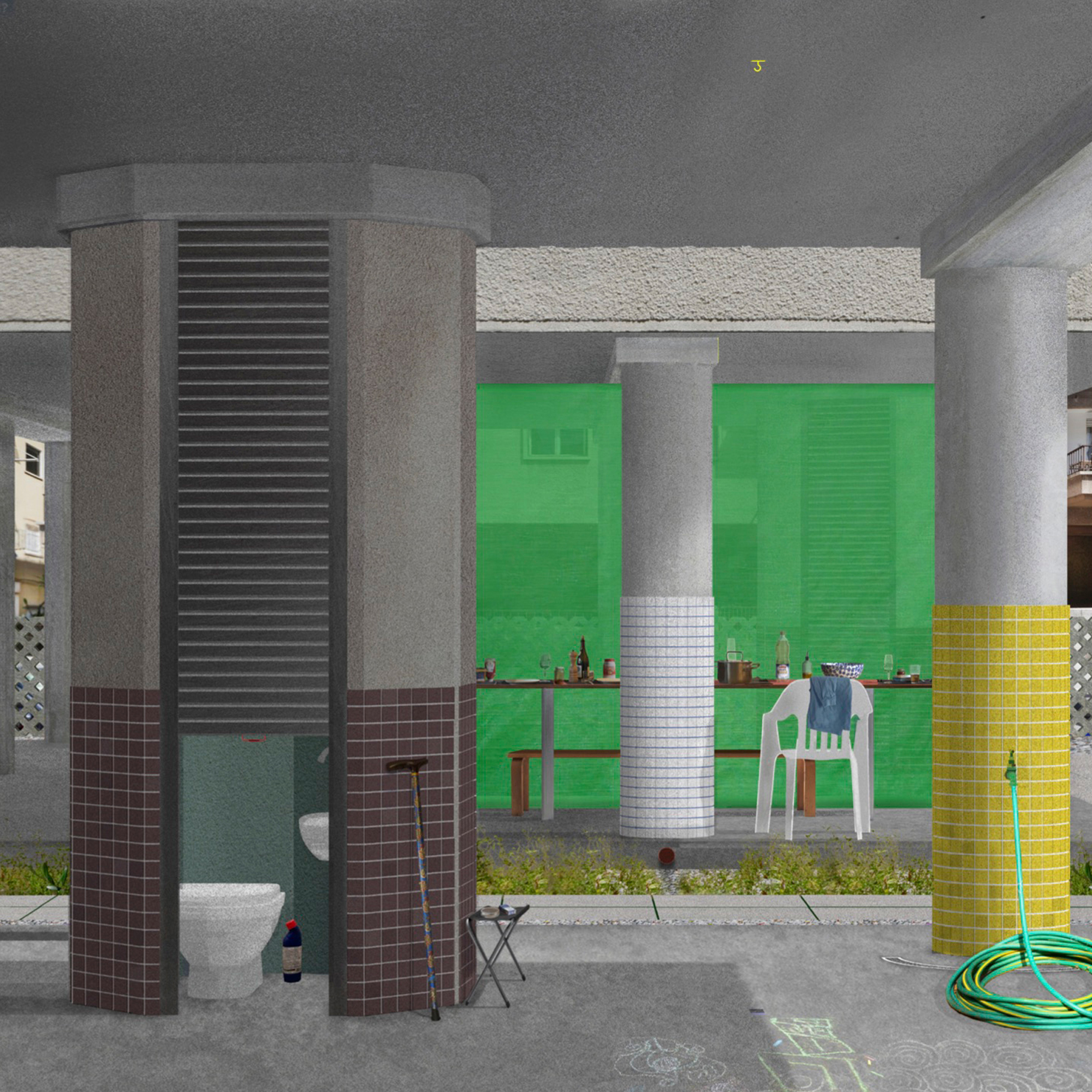
Intermediate affiliation