The Infinite Interior: Incredible Thoughts of a Restless Woman
Paulina Burzyńska (Year: 4)
Spaces and durations of convivial relations rest as much on material environments as they do on interpersonal and social encounters - this project explores human interaction within urban space.
We've all found ourselves in need of a new tool for human connection when the familiar ones have been impeded – we're isolated, yet the window, as our tool, is able to provide us with an impression of intimacy and camaraderie with the people we see from our homes.
Drawing on my own experience of isolation as well as those of other people, I've created a collection of views gathered from various Londoners and treated it as an opportunity to start a conversation about isolation, that is not only social, but spatial, in order to question the role that architectural elements play in our quarantined lives.
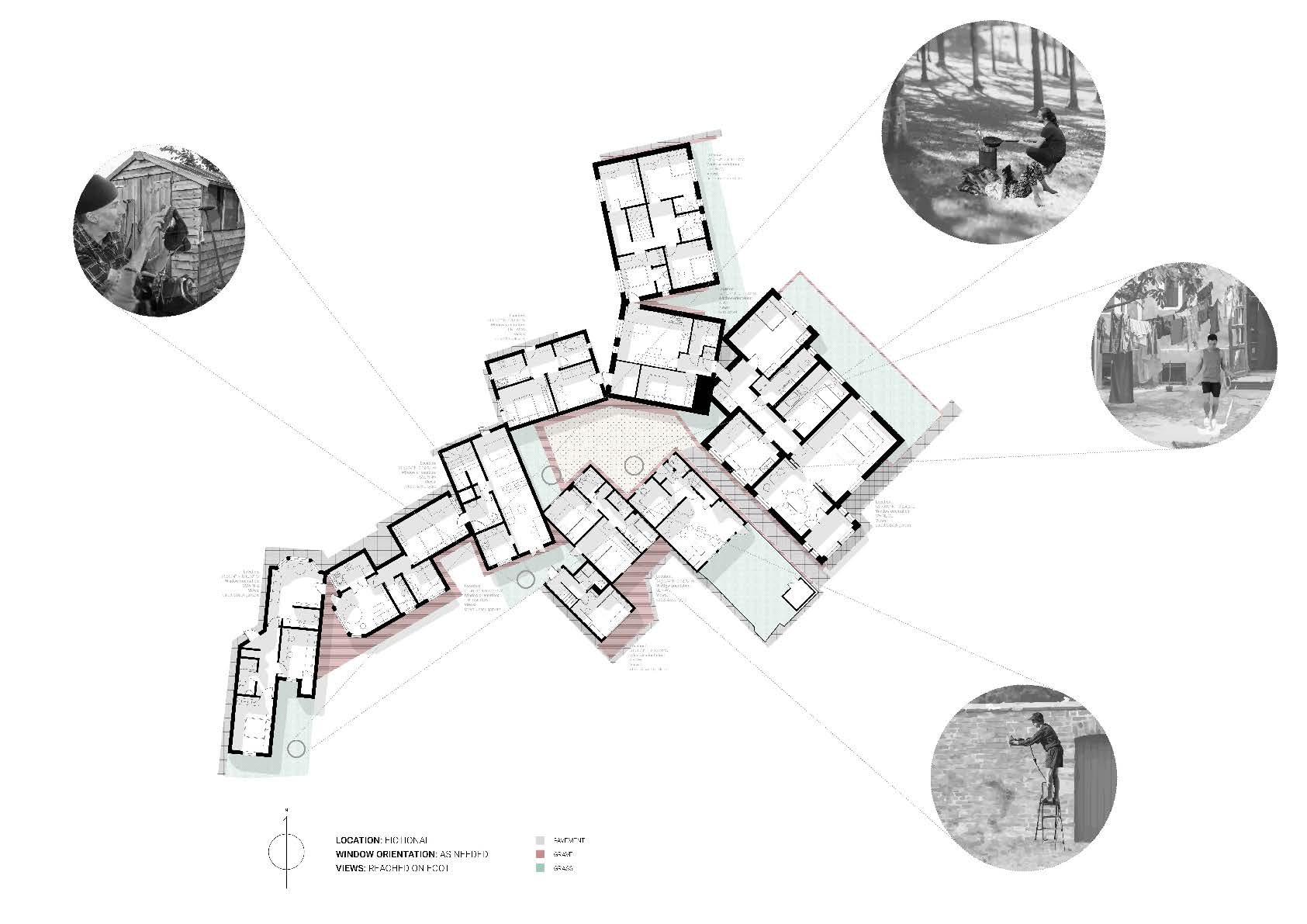
Once collected, I’ve edited these fragments of observation into one fictional space – an infinite interior from which to gaze at the world outside. My film explores an alternative way of experiencing the city in isolation – curiously, it portrays a sort of freedom that can be found in a fictional journey, a travelling of the mind through the faculty of sight and the power of imagination.
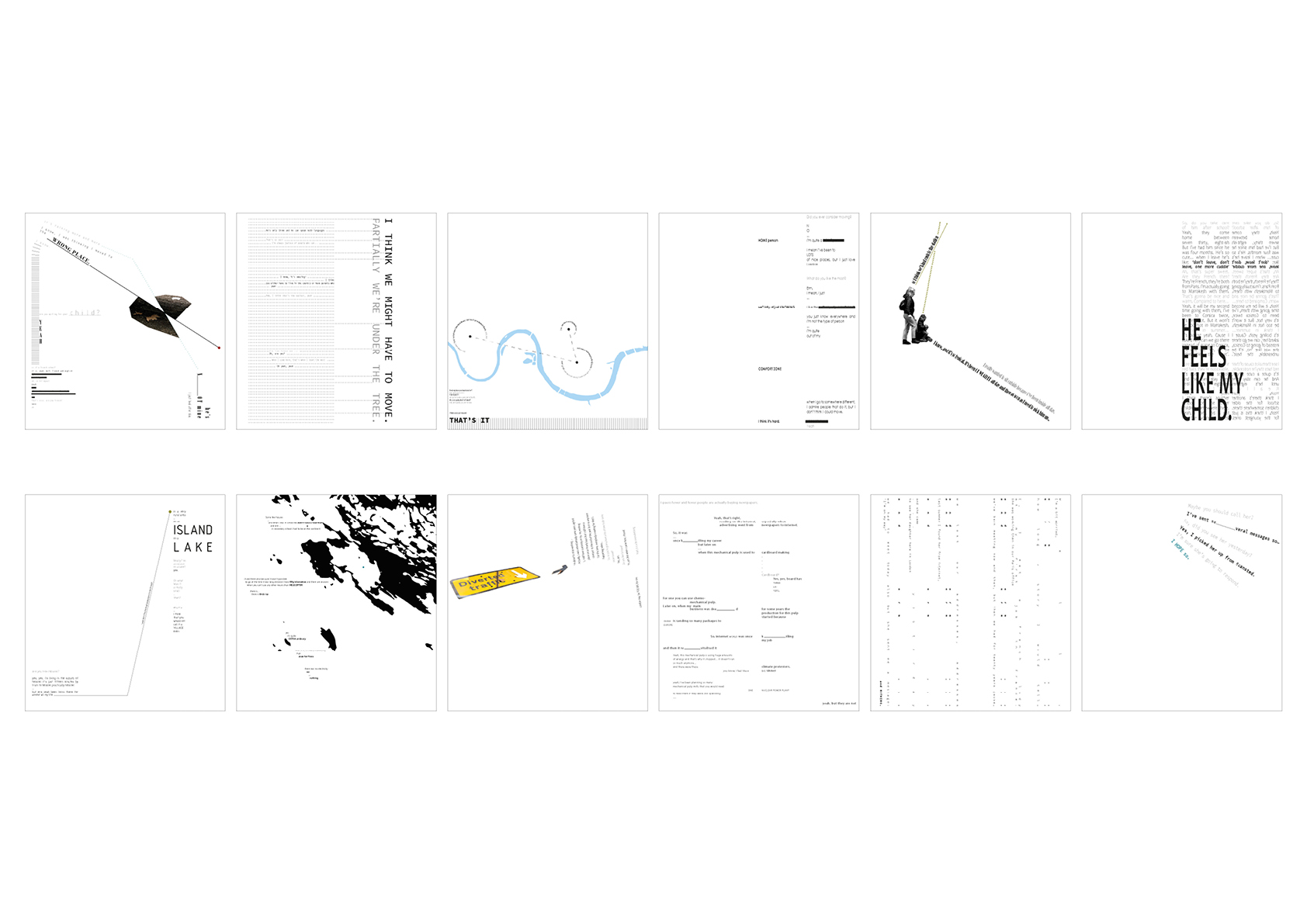
I identified Bedford Square as a transitional space, meaning that when people sit on those benches it's usually to be in relatively solitary isolation rather than a state of openness towards others.
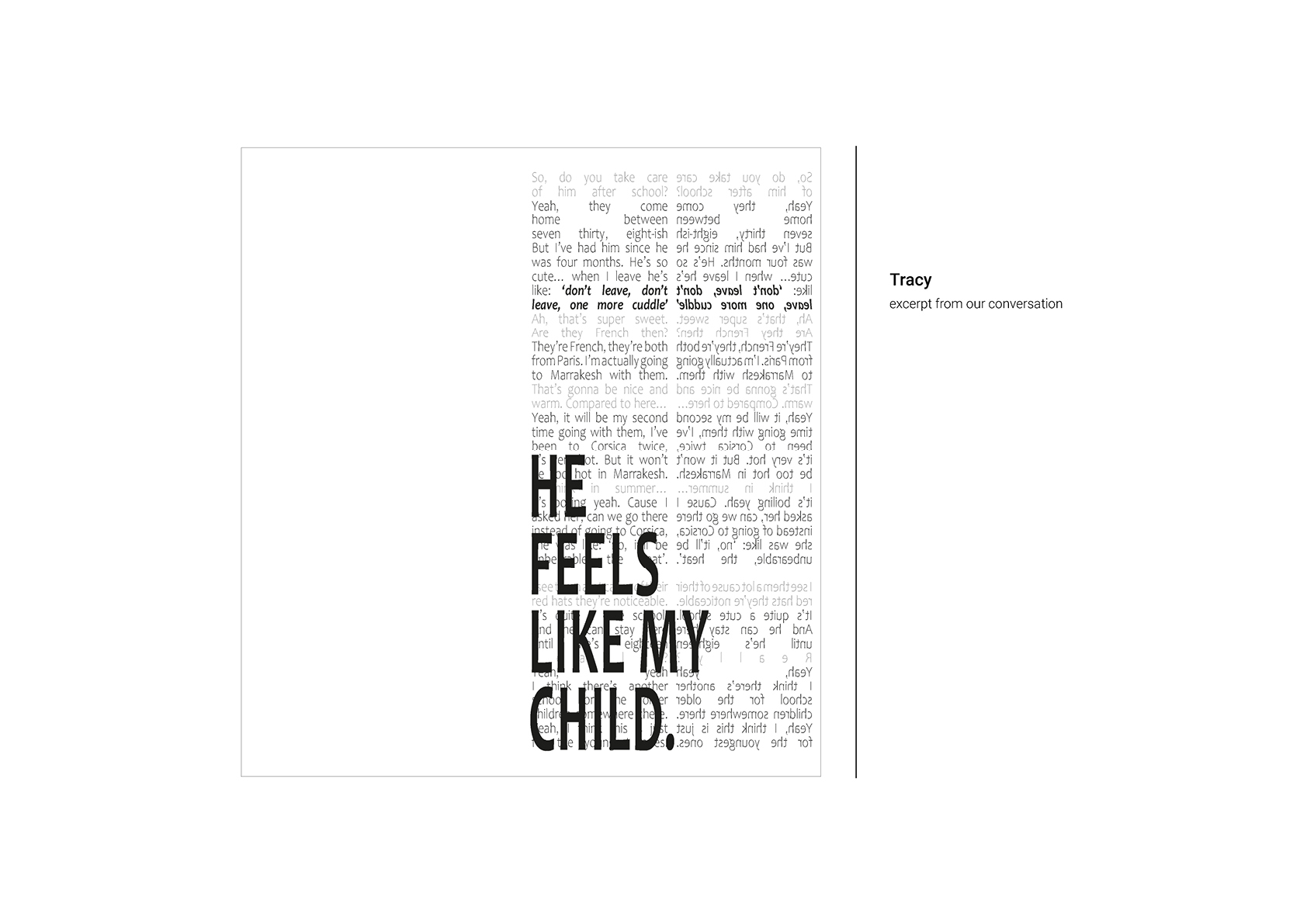
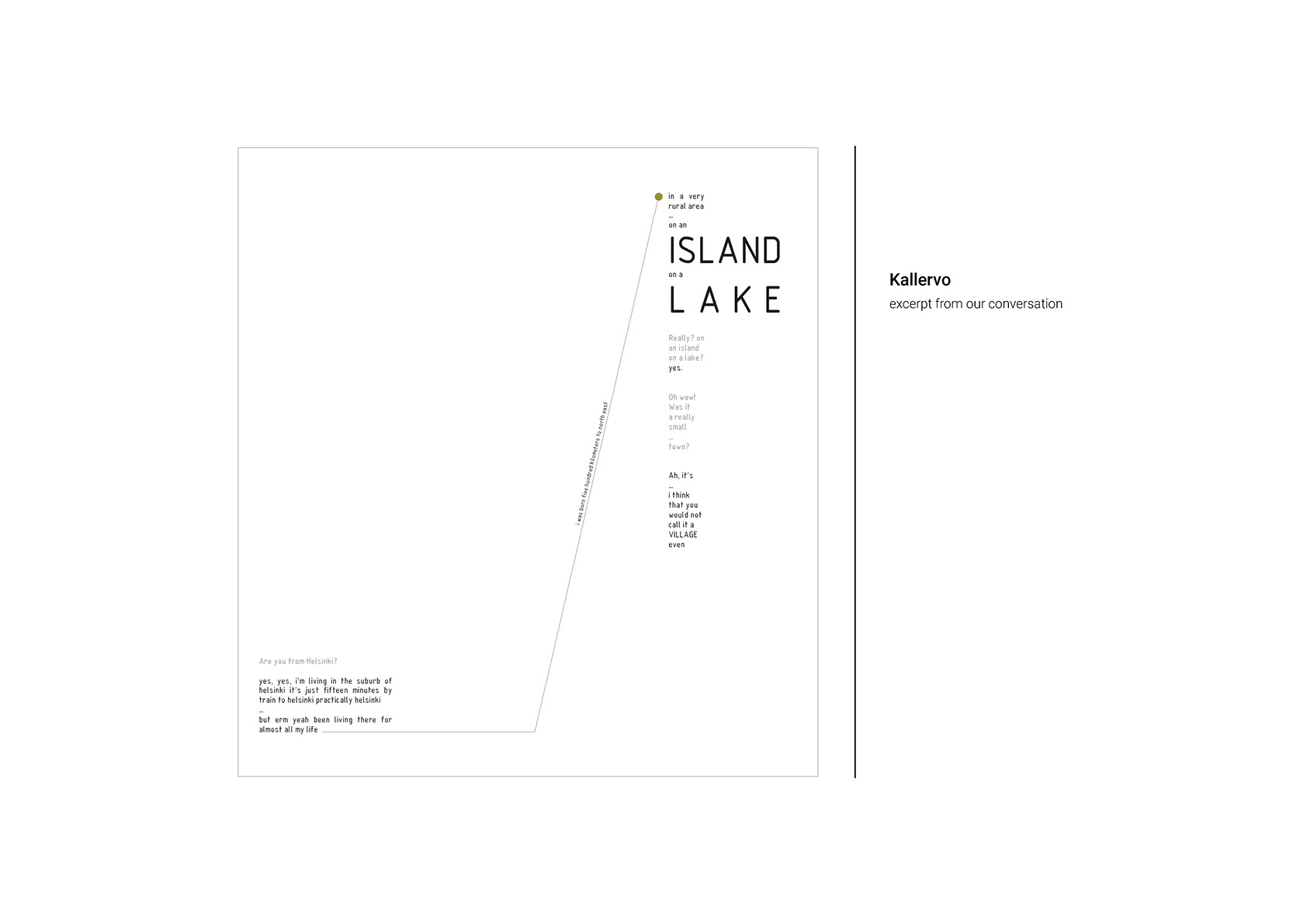
It is therefore that this kind of space provided me with only two individuals willing to share a moment with me. I recorded, transcribed, and illustrated our conversations in this booklet.
Considering the bench as a tool for human interaction, it reveals that its efficiency in this role depends on the physical conditions it is placed in.
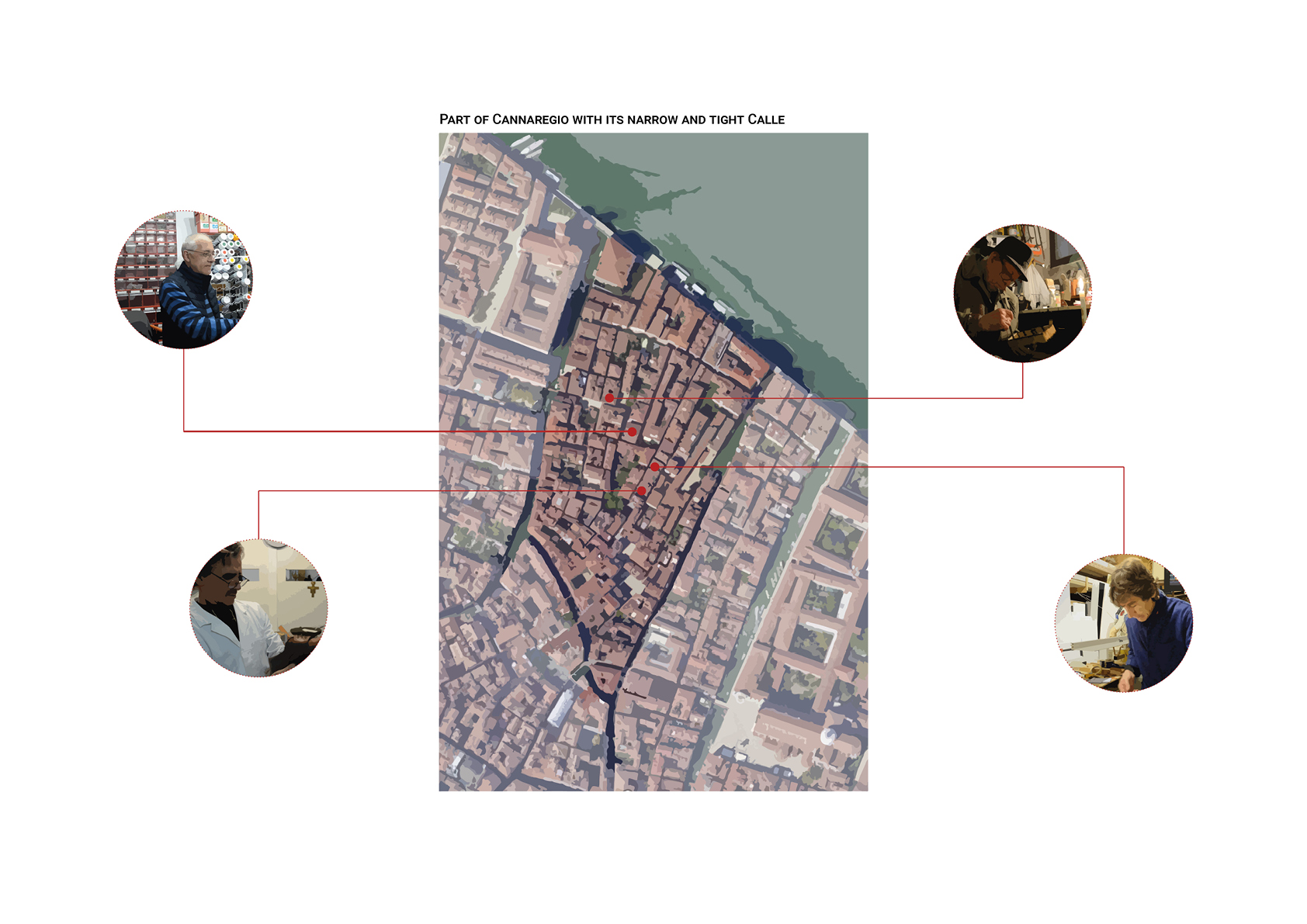
Beyond the tourist-centric layer of Venice exists a world of small retail and workshops providing goods and services to the local population. They belong to a steadily shrinking group of dying trades.
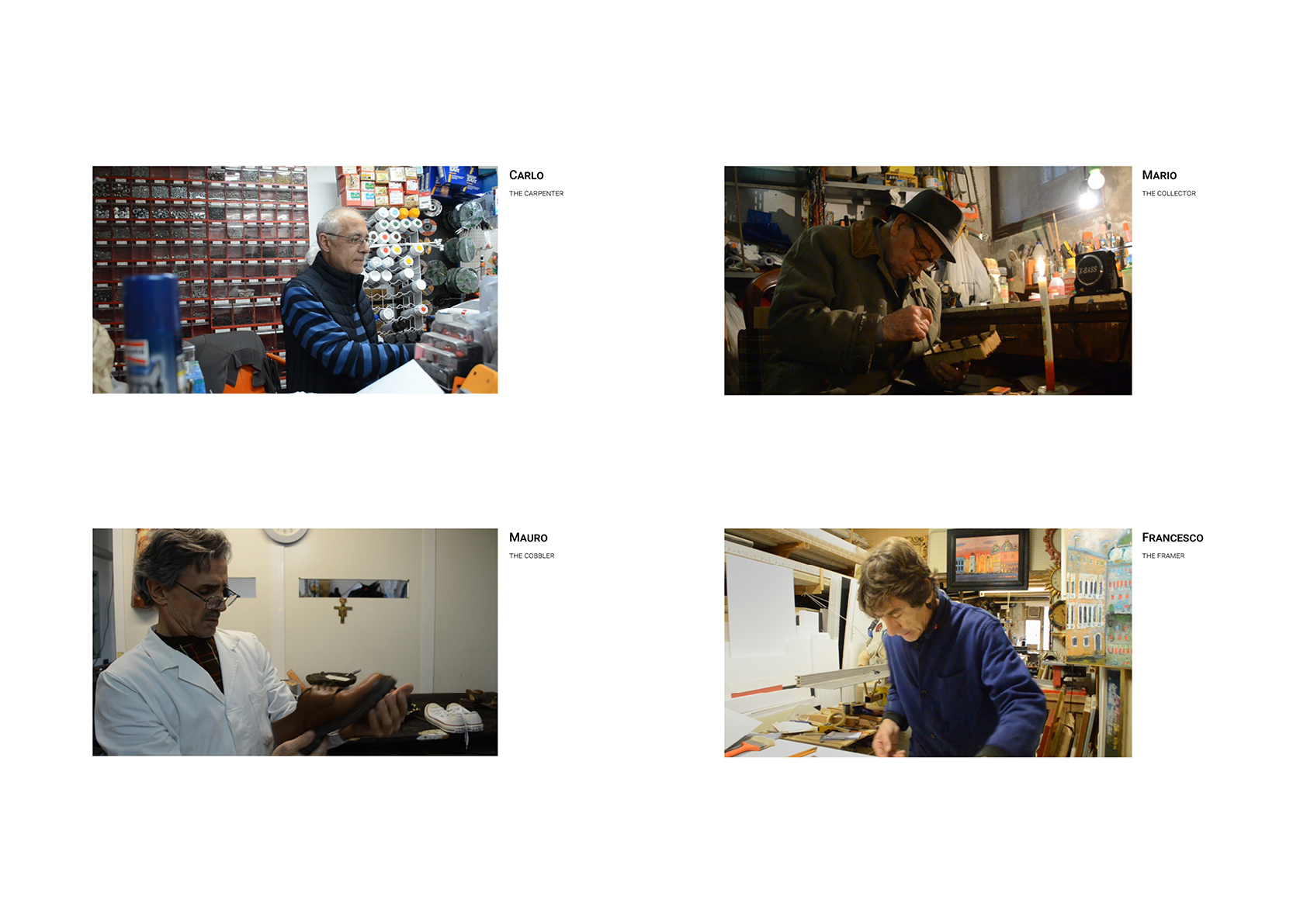
While it’s exceptional that they still exist in a world of online shopping and superstores, it brings to question whether it’s the urban condition or the dreamlike setting of Venice that retains them.
I’ve accepted the limits posed to a relationship between two complete strangers and welcomed the ambiguity it creates between the real person and the character acted out for the benefit of the camera.
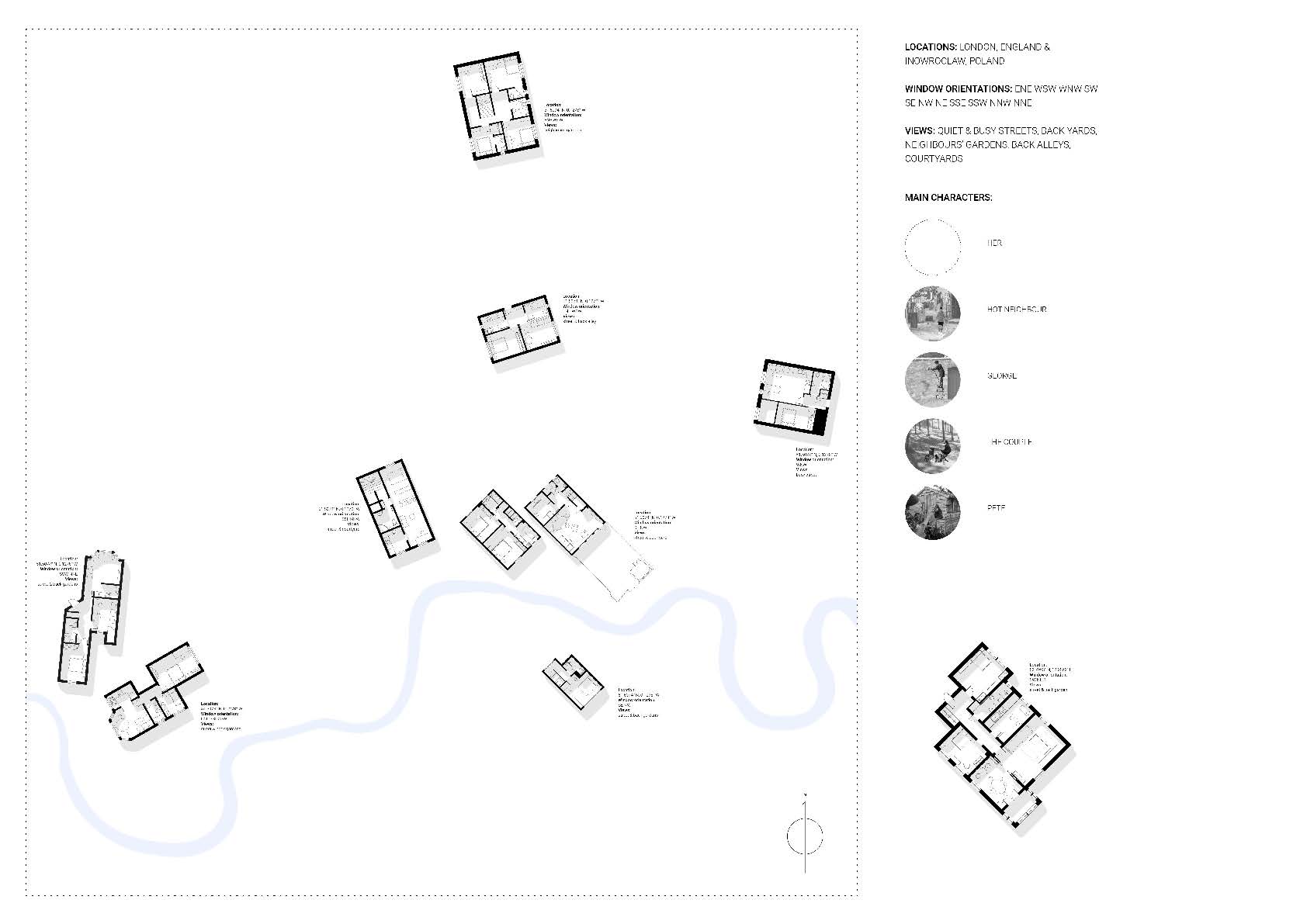
Drawing on my own experience of isolation and those of other people, I've created a collection of views gathered from various Londoners. I asked of them to film what they saw through their window.
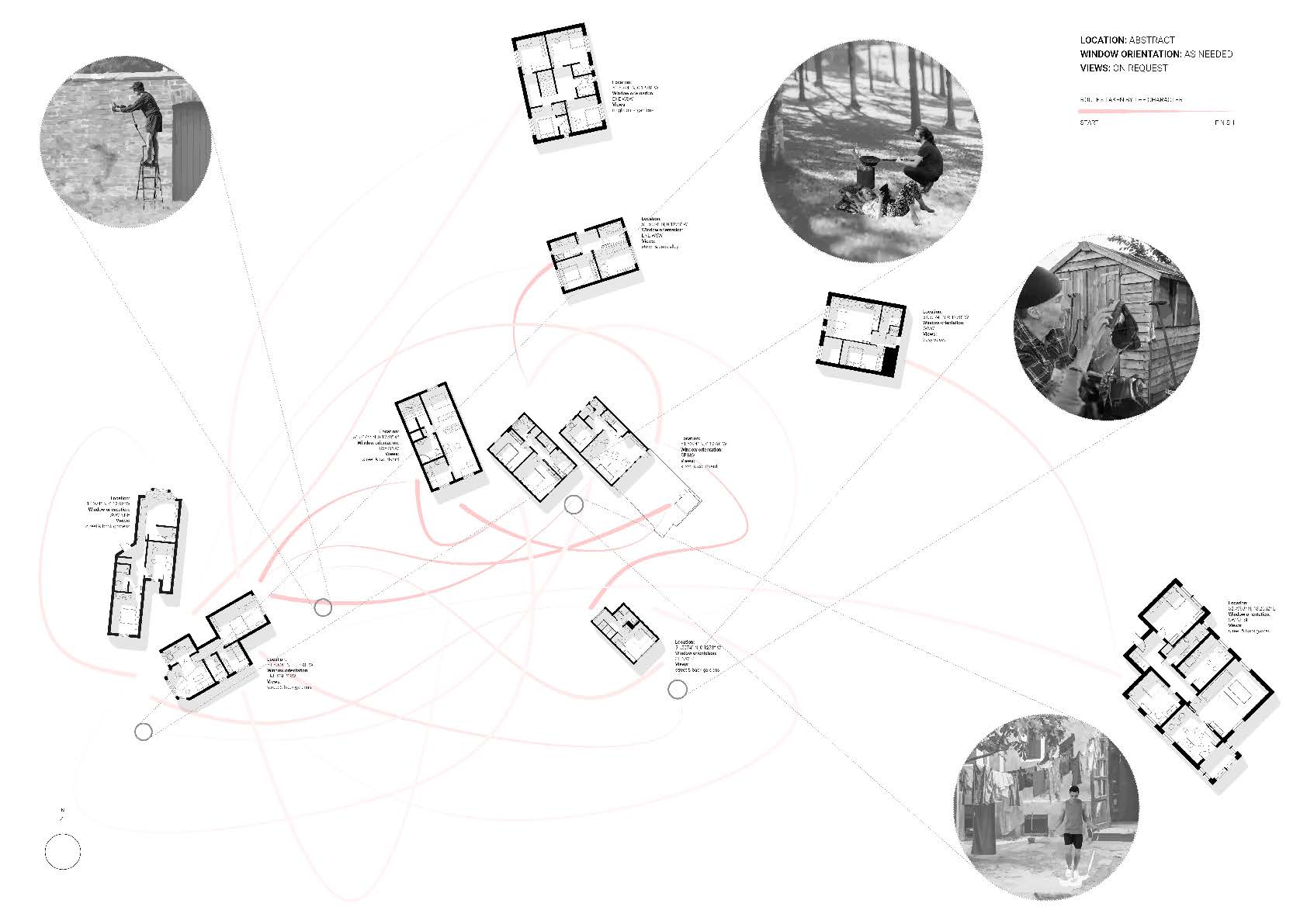
I treated the situation as a chance to start a conversation about isolation, that is not only social, but spatial, in order to question the role architectural elements play in our quarantined lives.