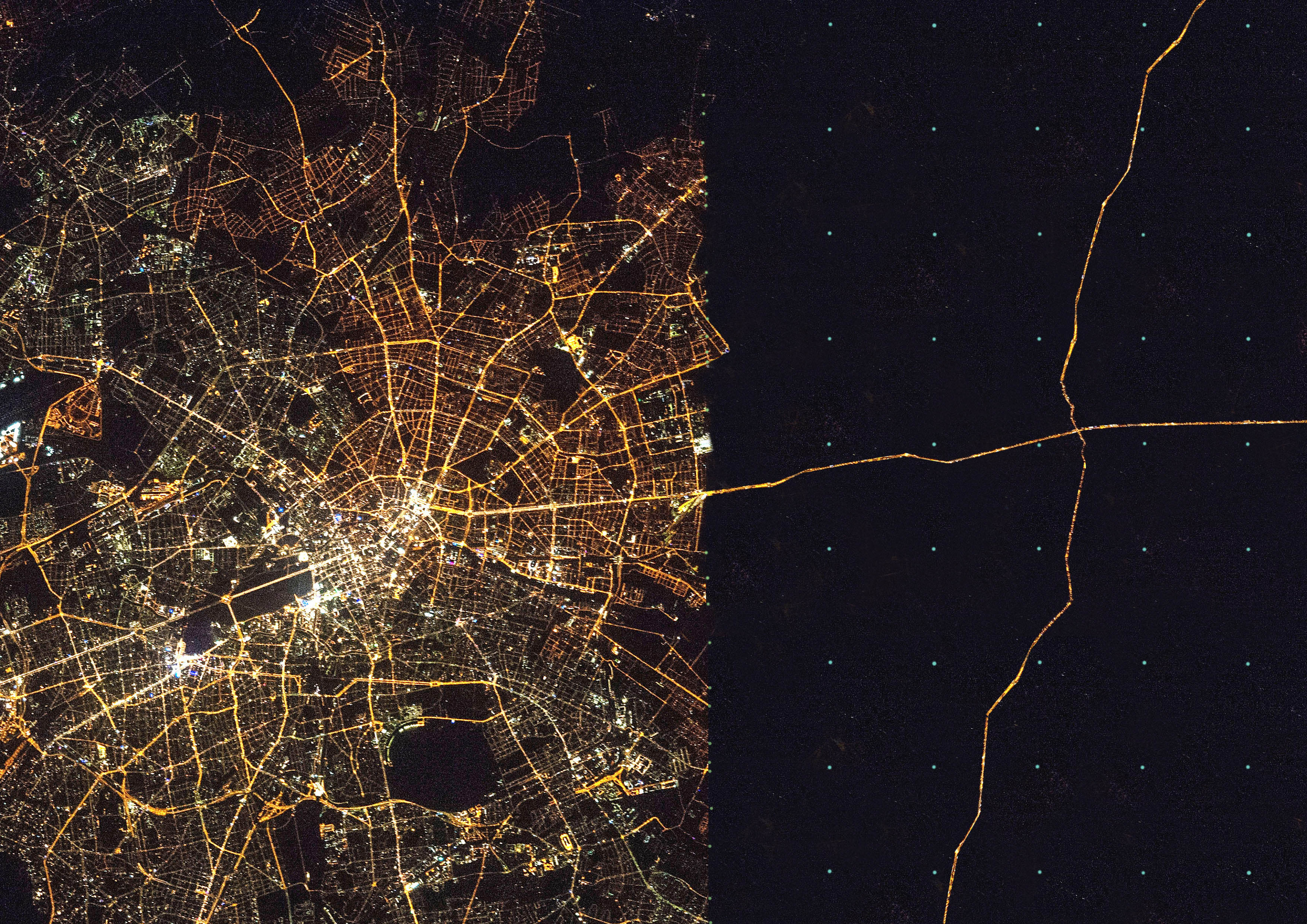
Driven by socio-economic, political, and environmental factors, by which, formerly cultivated fields are no longer economically viable under existing land-use and socio-economic conditions, land abandonment in Europe is a dynamic process.
Freed plots are still fragmented throughout the continent but are projected to reach a total of 200 000 sq. km in 2040. Almost 100 times the size of Luxembourg.
These vast and newly depopulated areas could benefit greatly one project; rewilding.
Large plots of at least 5000 sq. km2 could be granted by European governments considering only plots with the less amount of settlements.
An opportunity for urban planners to rearrange existing regions and consider sustainable land zoning for future cities to support rewilding projects.
These apolitical rewilded areas hold a unique position and could potentially house a set of European experimental projects that struggle to find a socio-political environment to flourish.
Framing with the main actors present in the territory how much land they will be allocated (settlements, croplands, infrastructure, experimental projects, and the rewilded area) will be a crucial part of the project.
The right architectural typologies will also have to be identified and sometimes consolidated to house specific tasks.
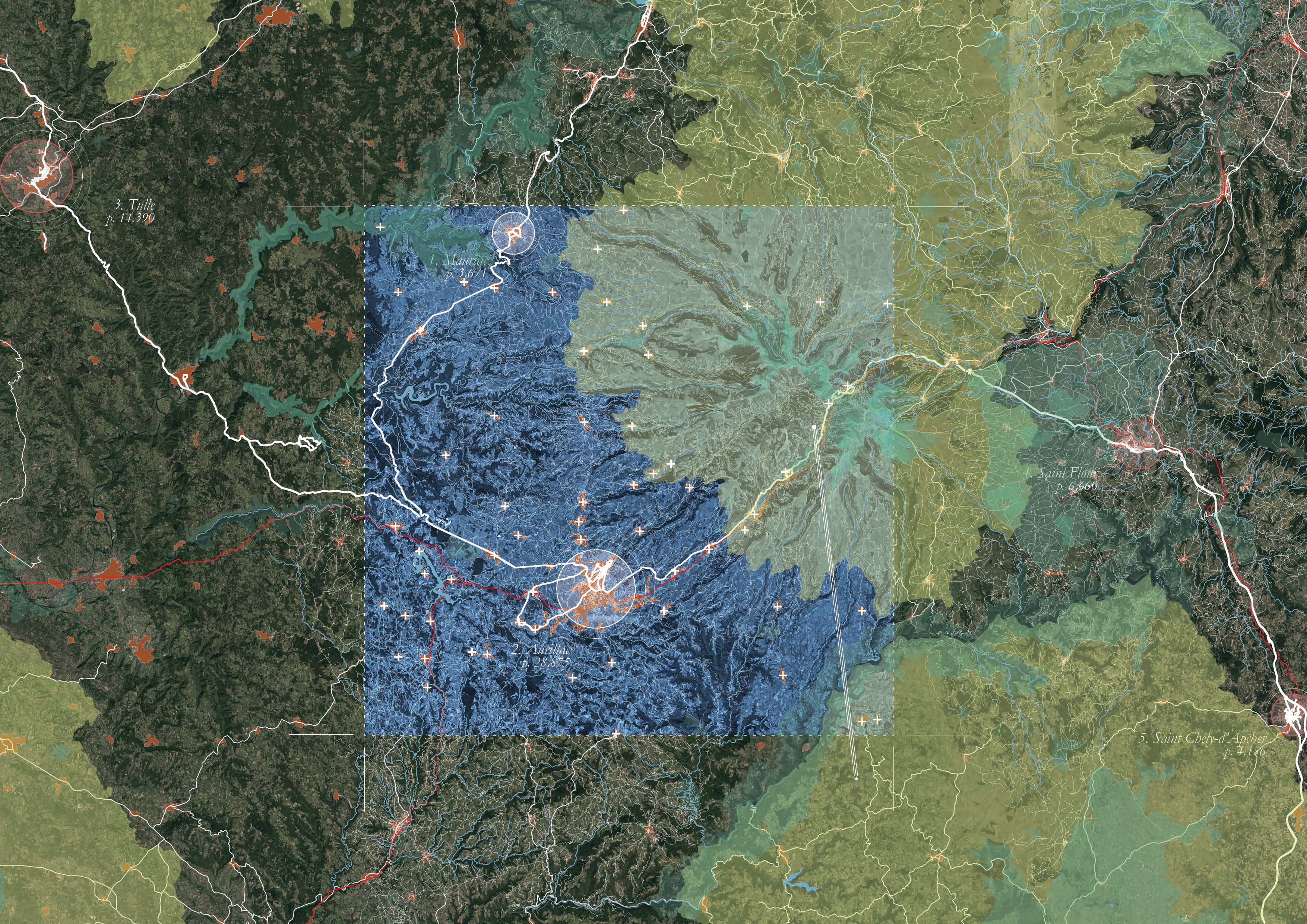
Identifying the main settlements within the territory to determine the infrastructure that will be maintained and the one that will be abandoned.
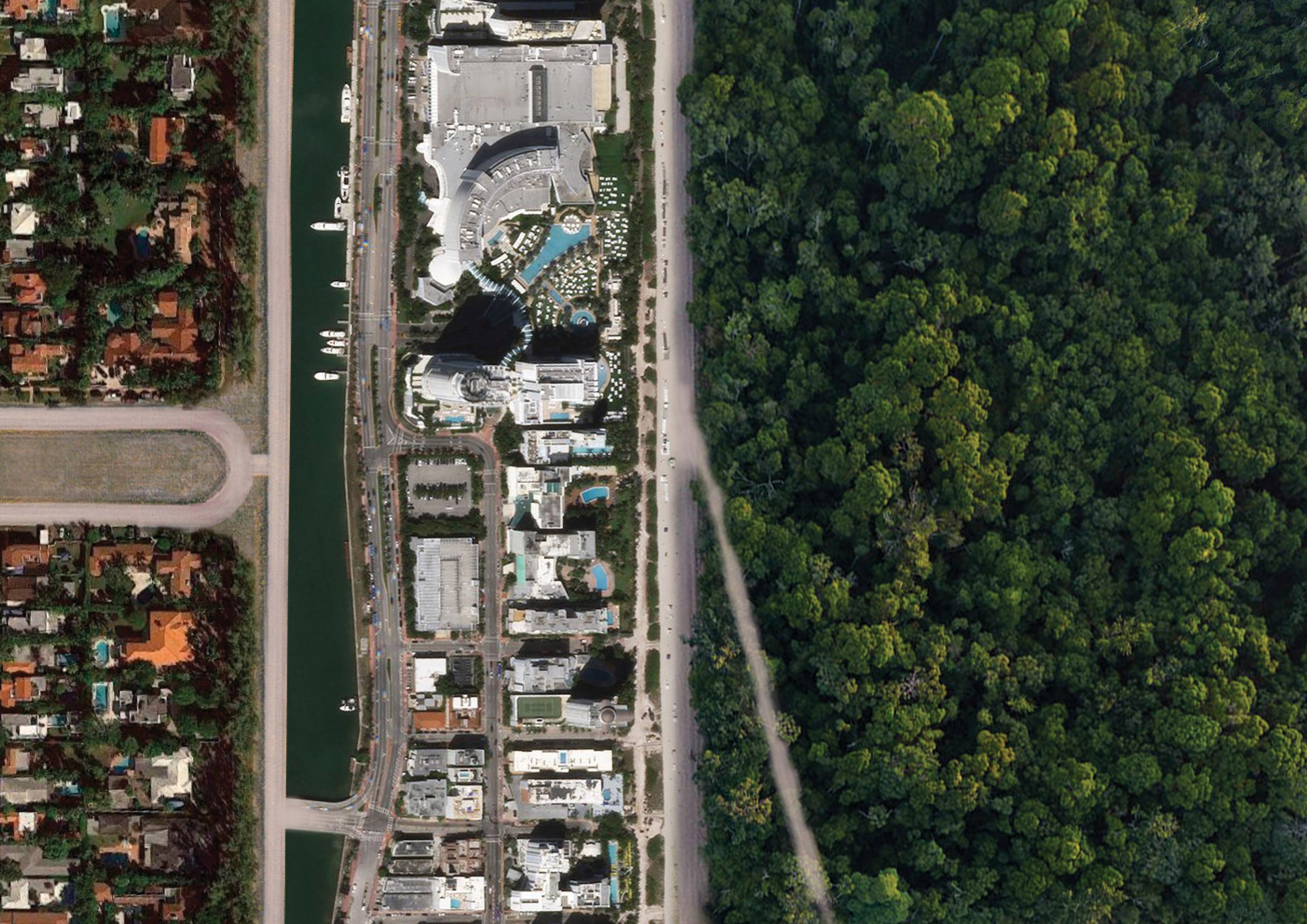
A new hot spot for new development at the edge of the rewilding project.
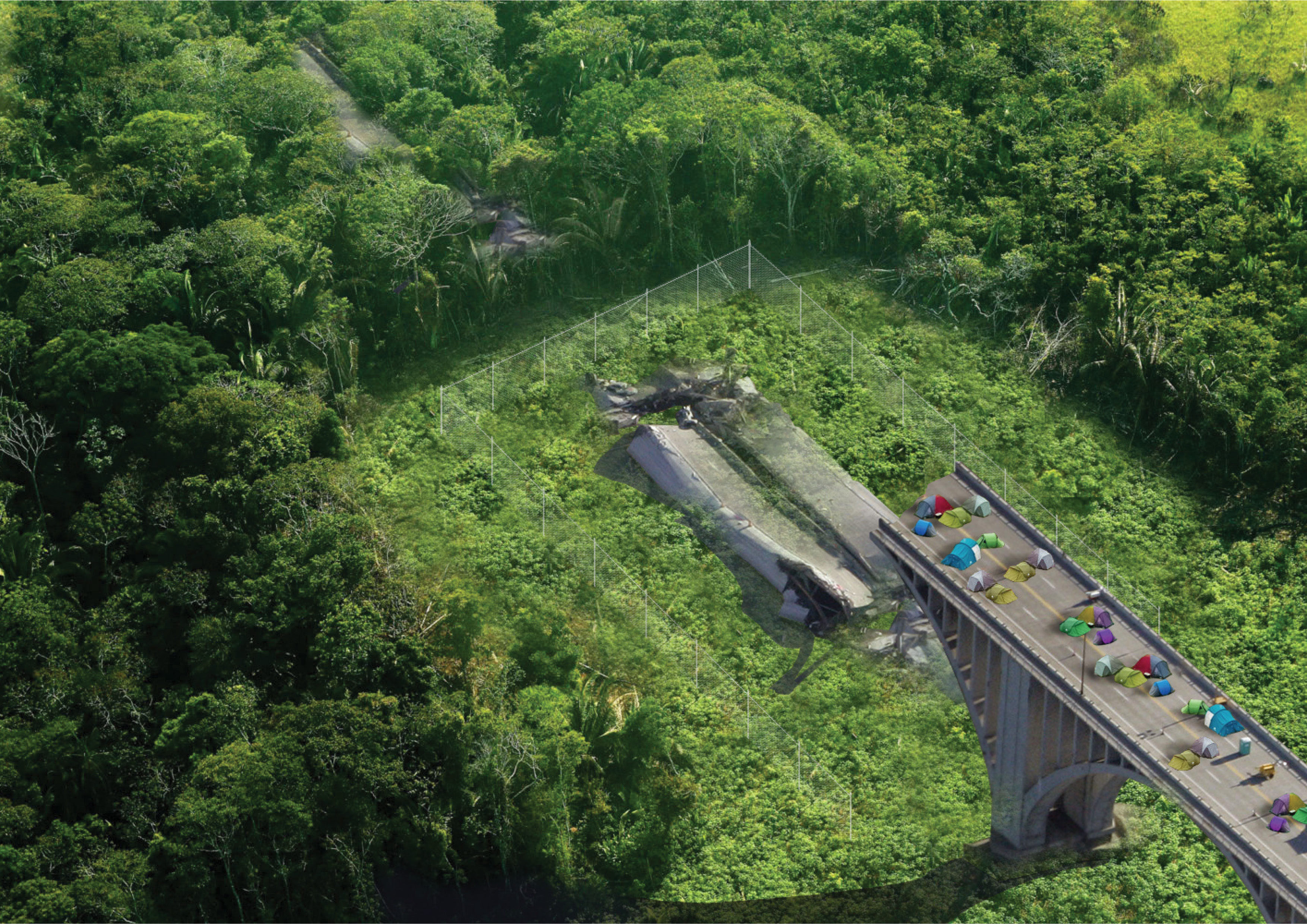
Infrastructure left to collapse at the edge of a rewilded territory. An opportunity for an informal viewpoint.
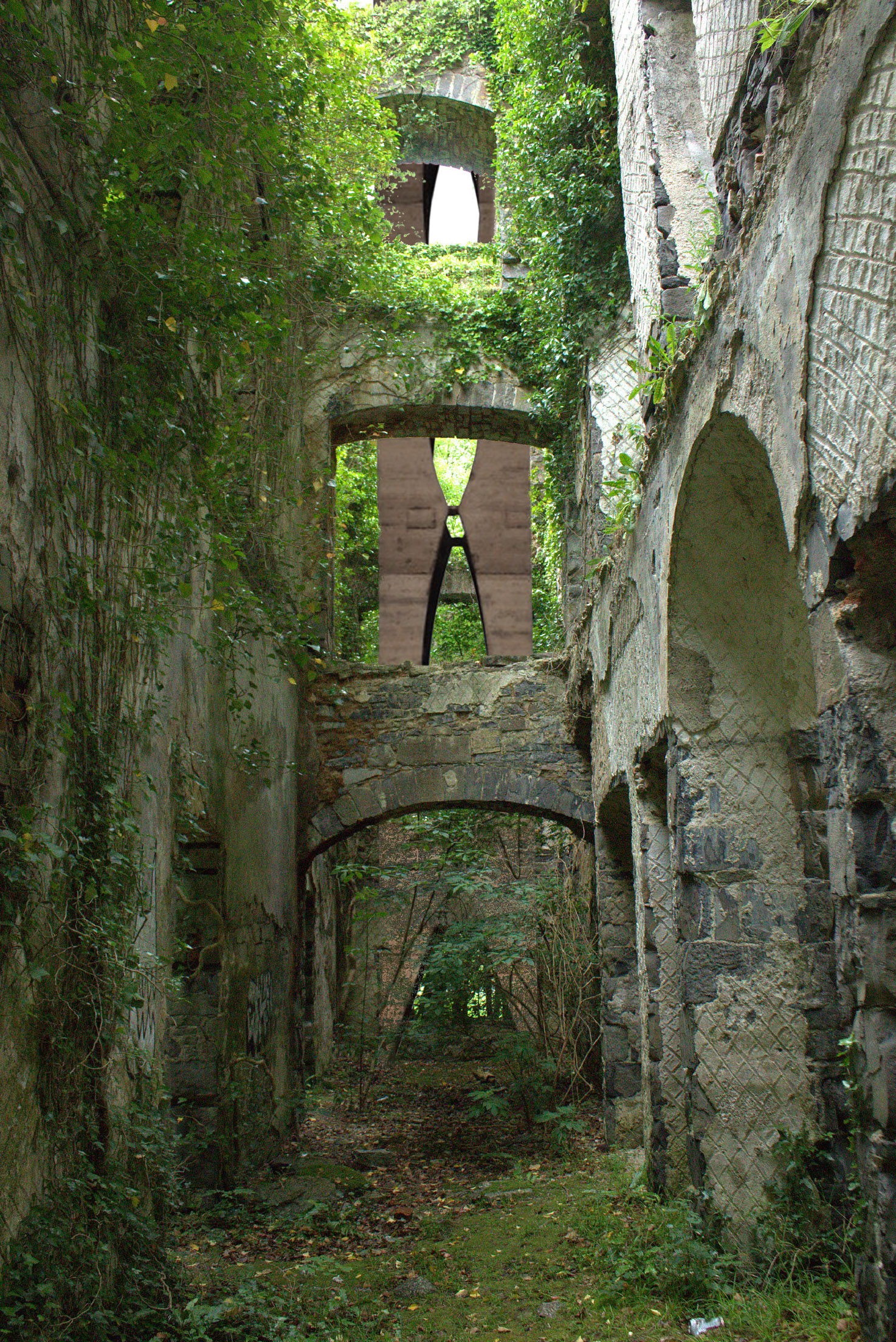
A french courtyard consolidated by incorporating a dovecote to create a transition point for migrating birds.
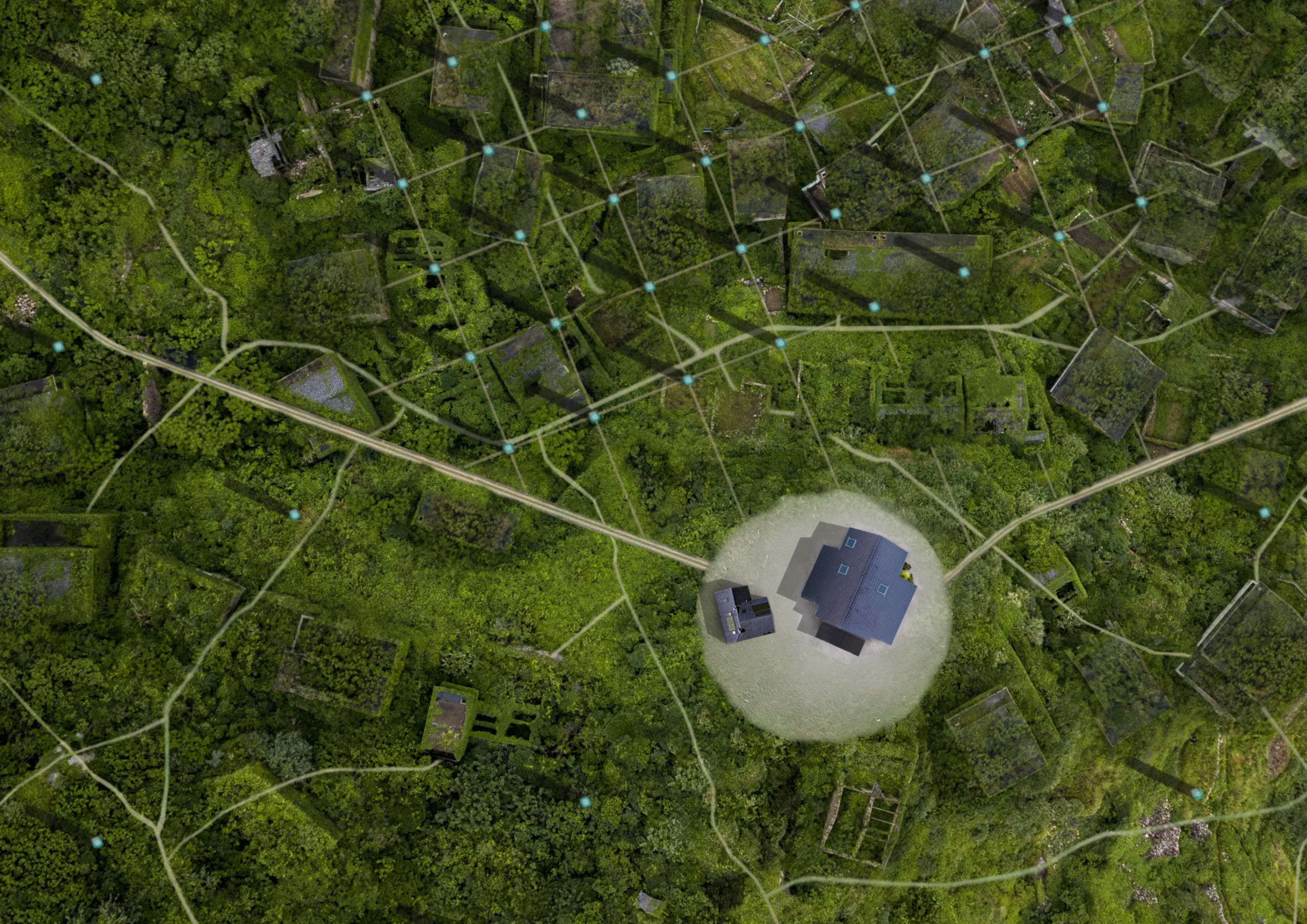
Survey grids will have to be deployed to carefully study the terrain and species introduced in particular contexts. The right architectural typologies will have to be identified and protected.
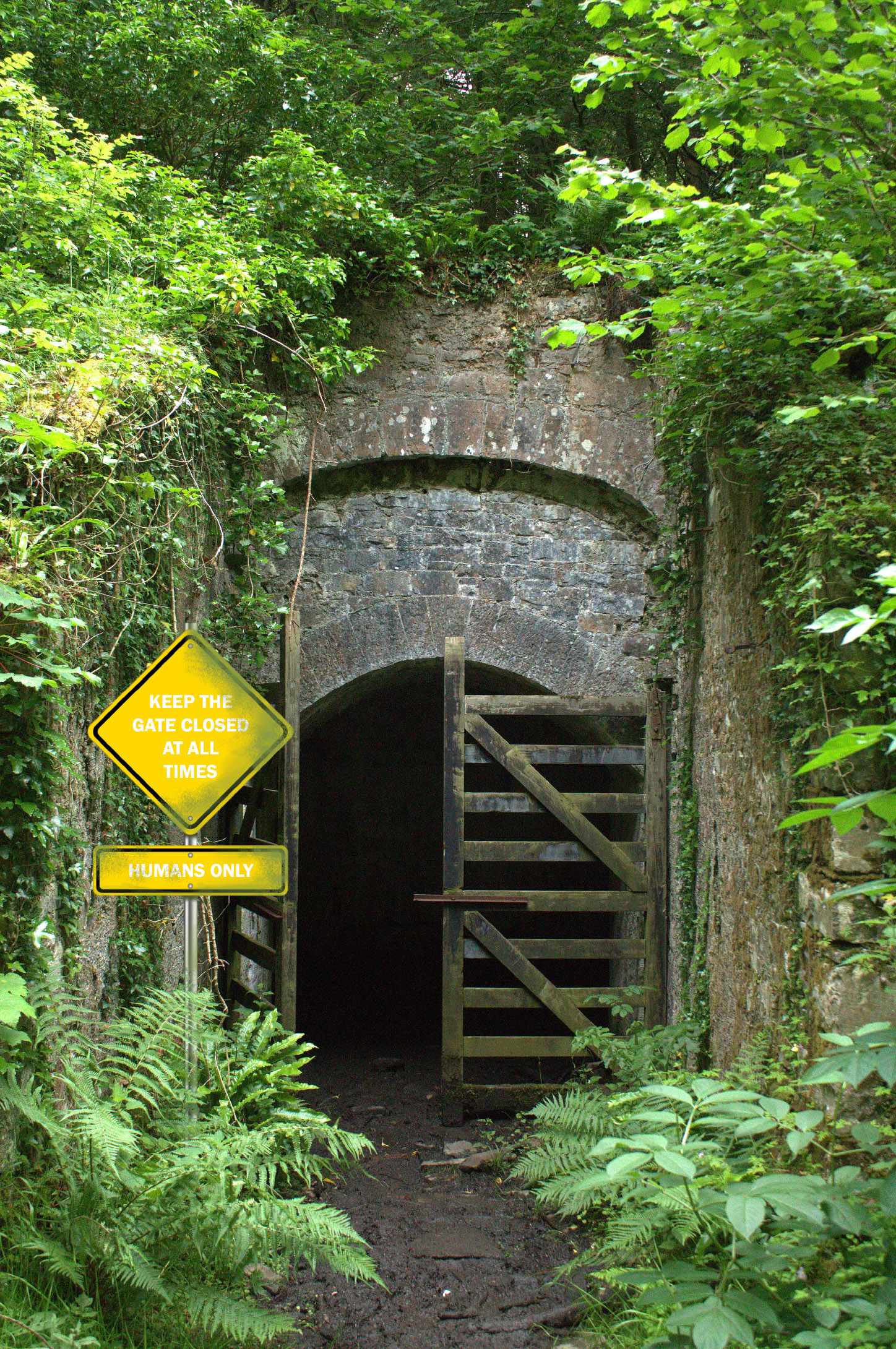
Re-opening old paths.
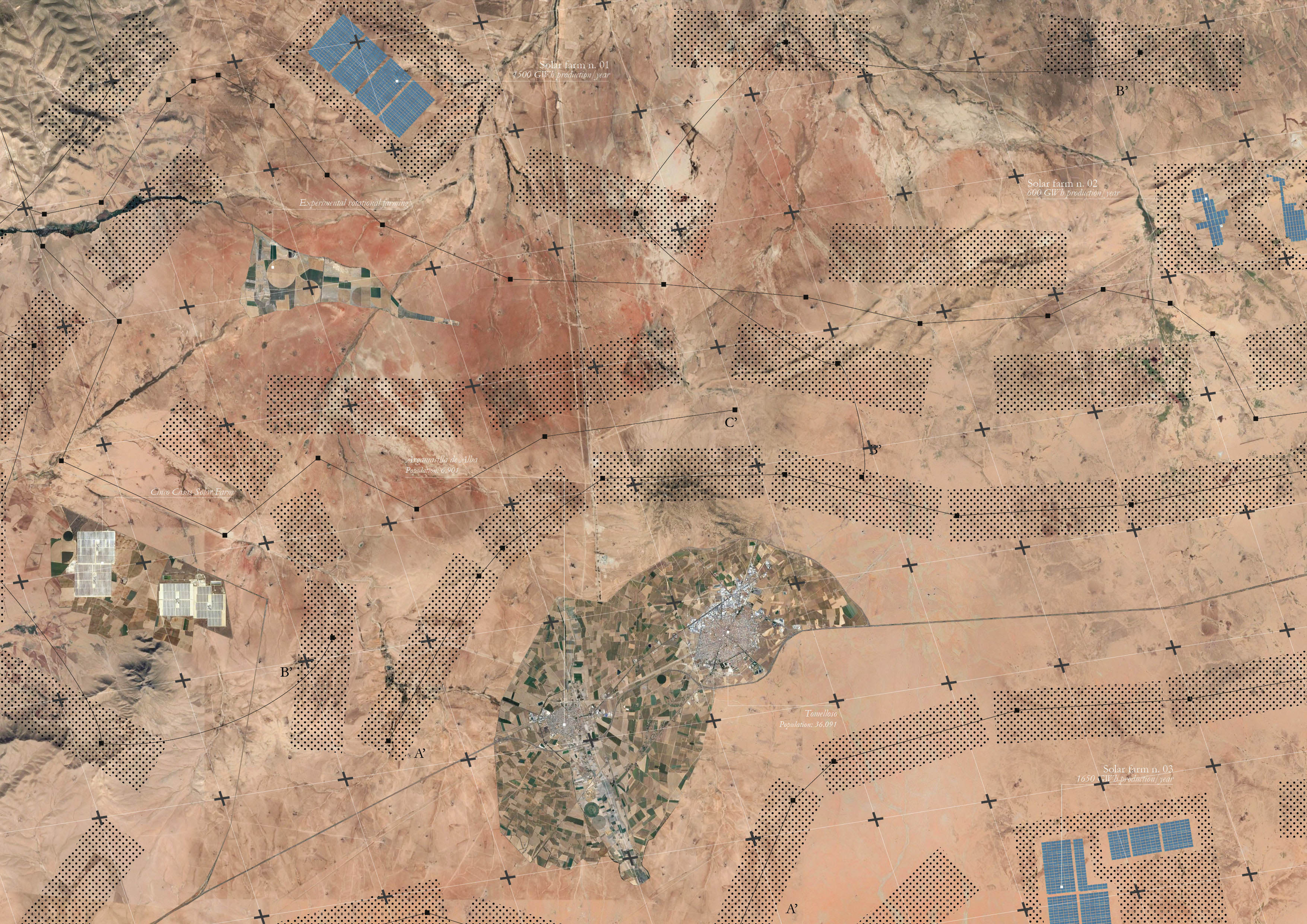
The data gathered will determine a methodical urban planning, density, and distribution of wild areas around human settlements by analyzing migration patterns.
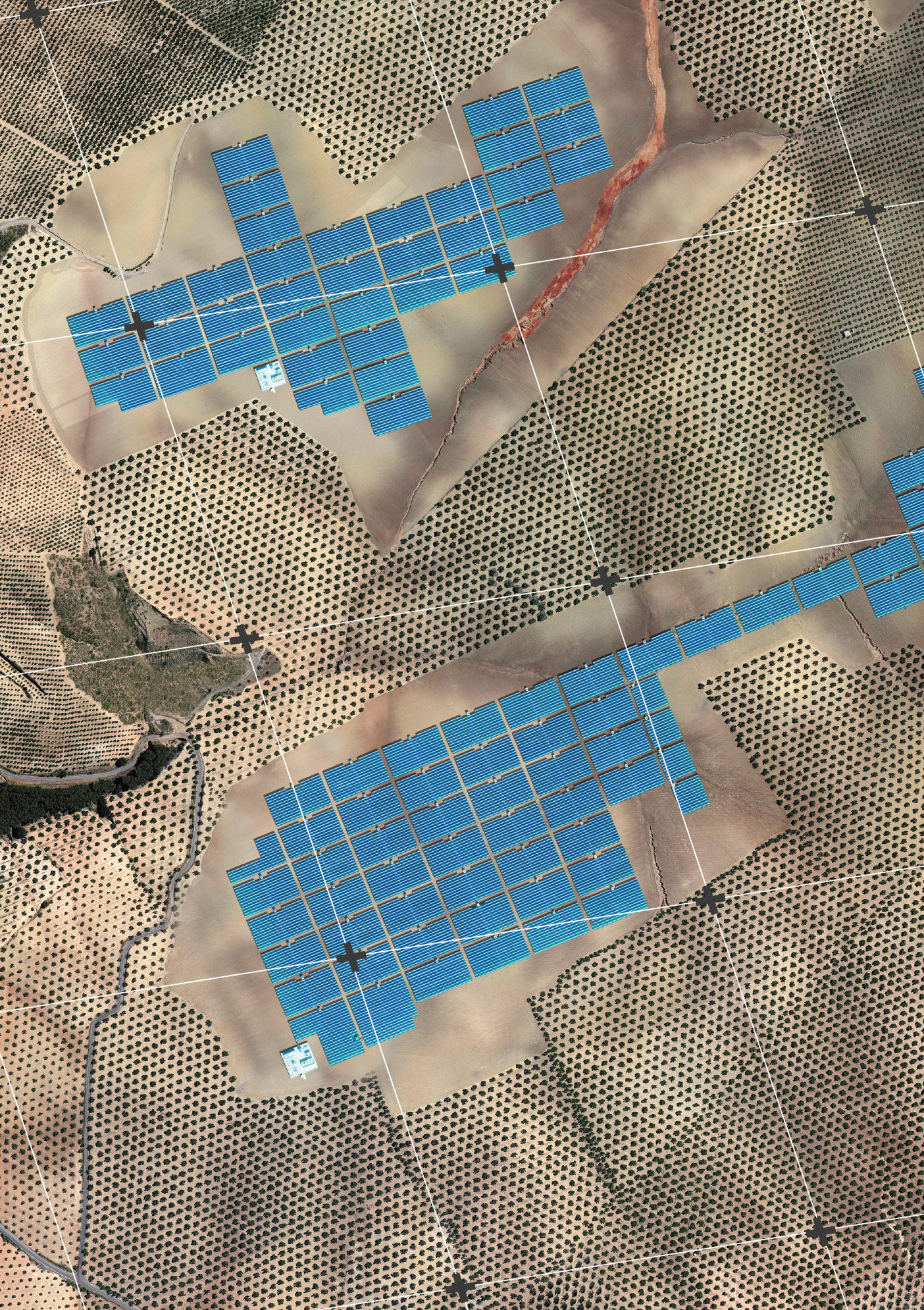
Assigning protected plots for experimental projects with high potential within the rewilded area.
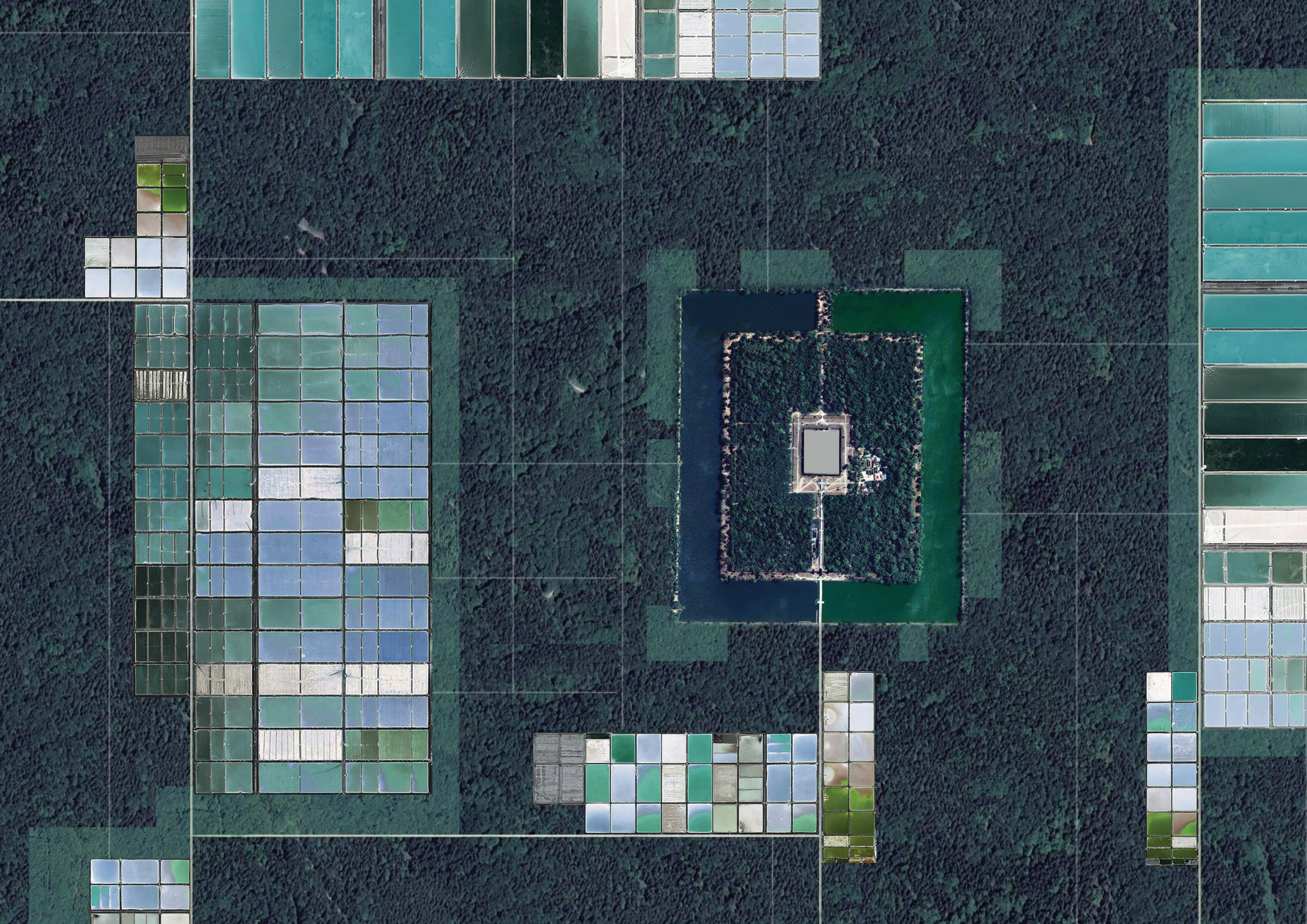
In order to accelerate the research process and assist the deployment of future rewilding projects, a section of the area allocated for experimental projects will be entrusted to private individuals.