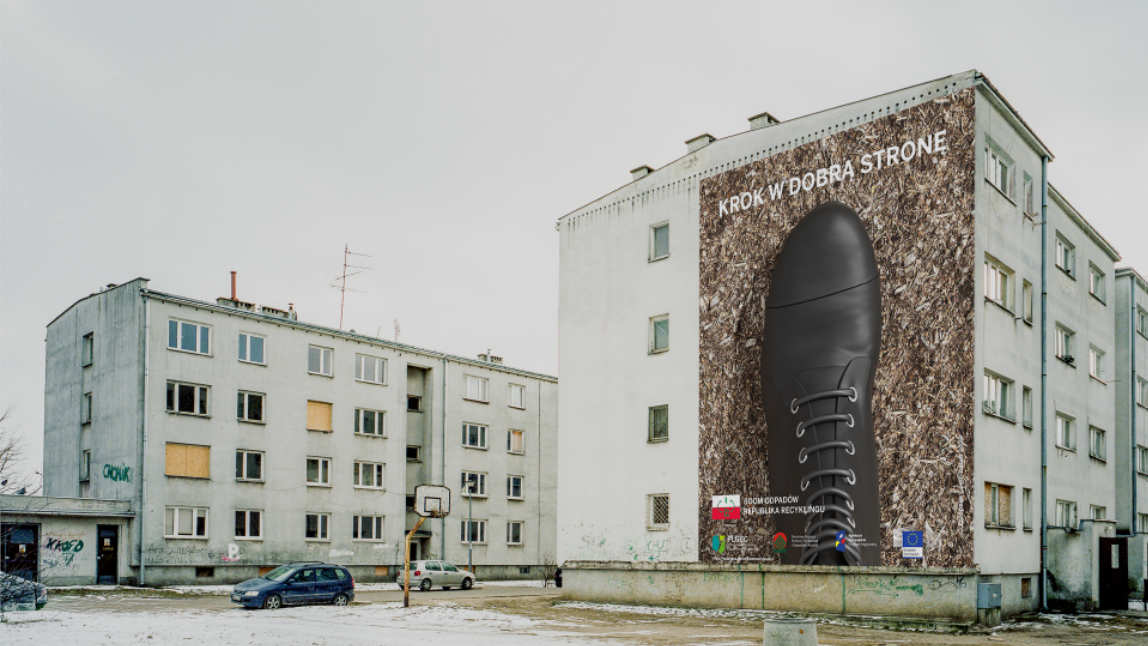
The Waste Boom is a response to, and the merging of, two latent crises. One is Polish, as all of Poland’s coal plants face closure, and the second one is European, as we produce construction and demolition waste without an adequate plan for its disposal. The proposal is a spatial diagnosis of both crisis and design architectures that can operate as a triple vision for Poland: a territorial one by recycling old coal sites, an institutional one by creating a new sustainable source of economic bonanza, and lastly a vision for Polish citizens, by constructing a vast network of participatory public spaces throughout Poland.
This project was developed in parallel to the proposition that coal is a ‘chiasmic agent’ that is part of a dynamic system, with other nonhuman and human agents, that is vulnerable to hijacking. Thus the new waste network in The Waste Boom is a hijacking of existing coal networks.
Link: https://xd.adobe.com/view/5b58035f-142b-4e54-4d04-17967c4c3617-2d69/?fullscreen&hints=off
The Waste Boom - A new material economy for coal territories in Poland
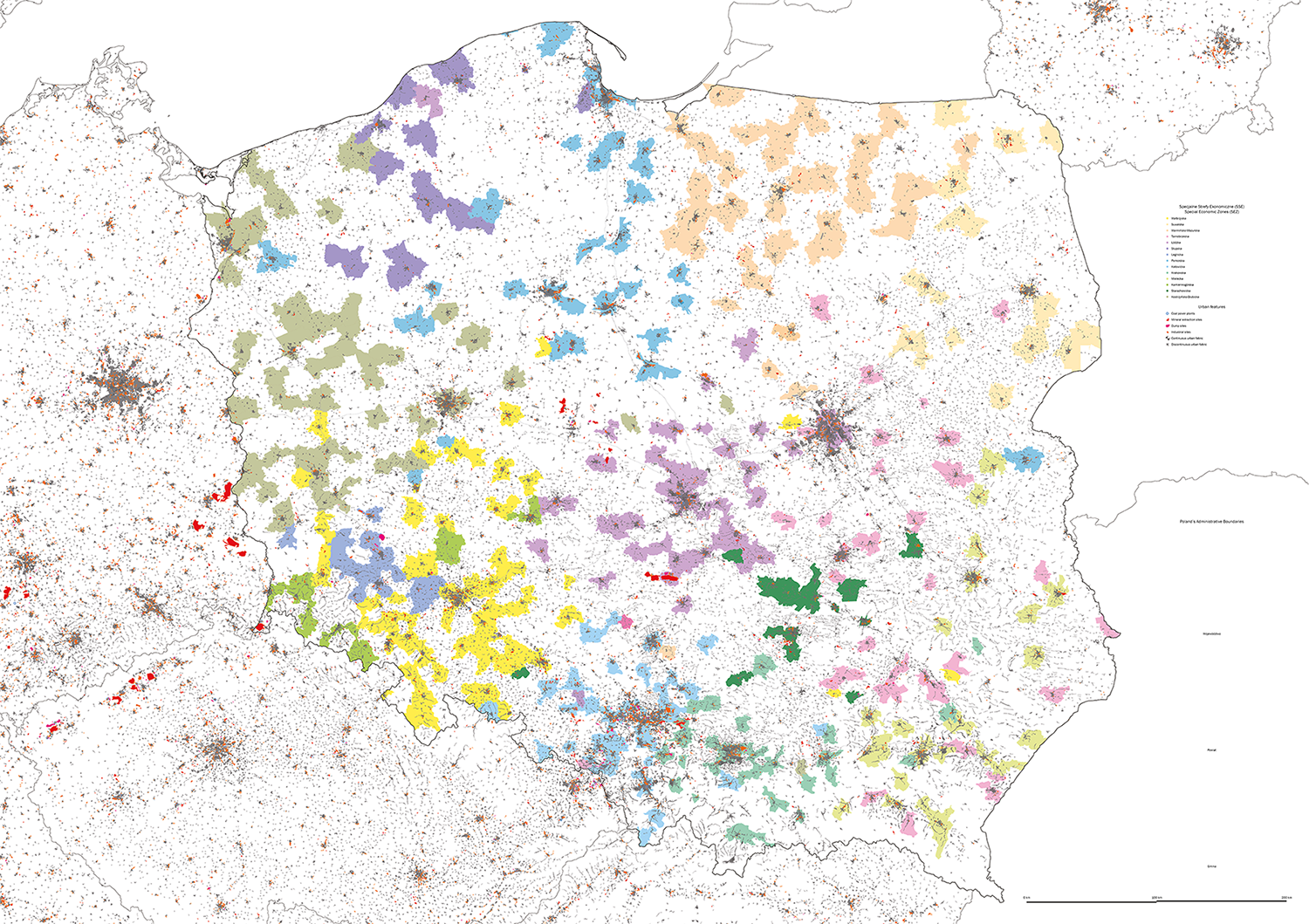
Special economic zones (SEZ), set up after Poland's coal crisis, around towns and cities with highest unemployment and urban shrinkage to attract investment in the form of tax exemptions.
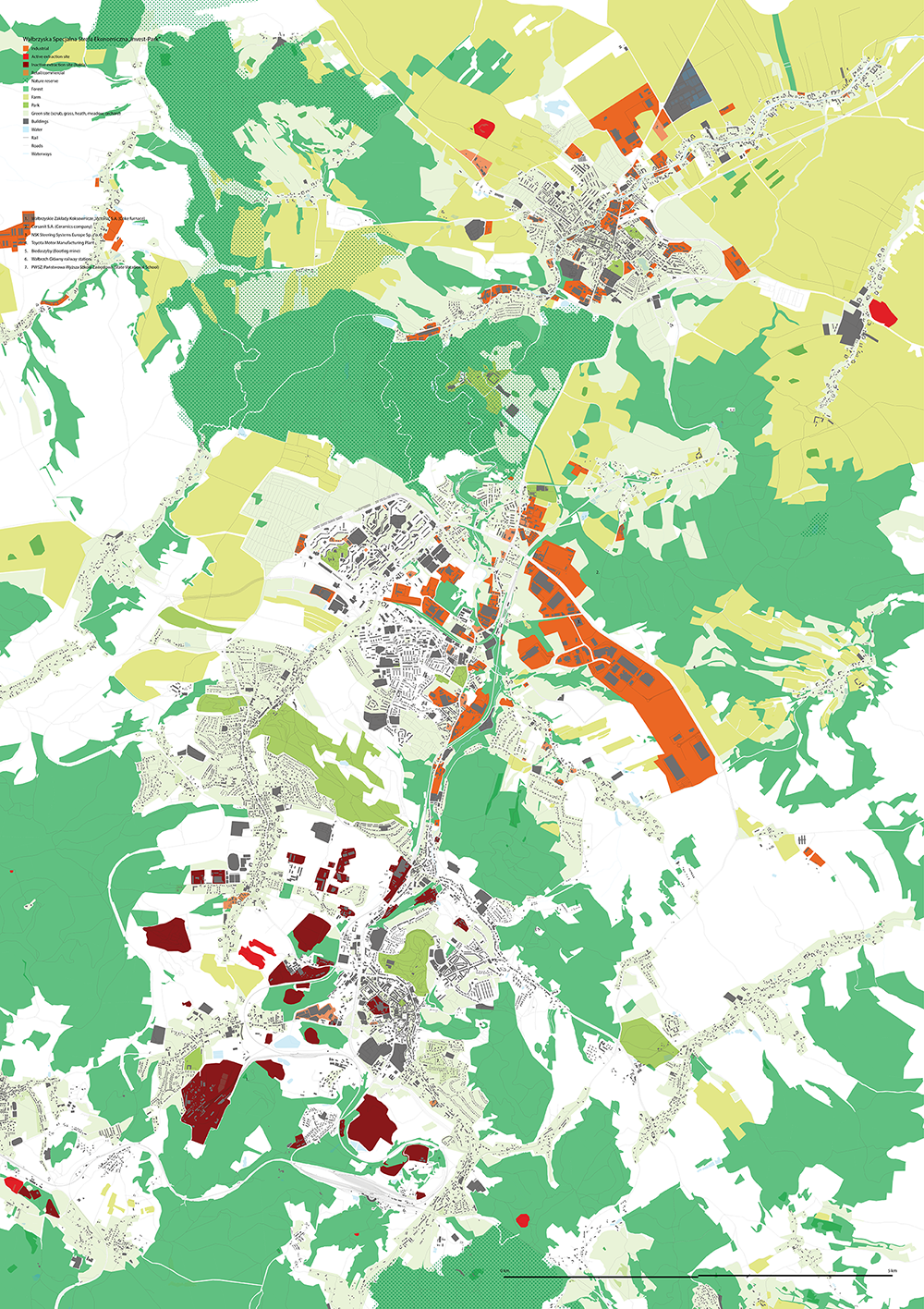
The potential of coal sites (dark red) is unrecognised - SEZs occupy adjacent terrain (orange).
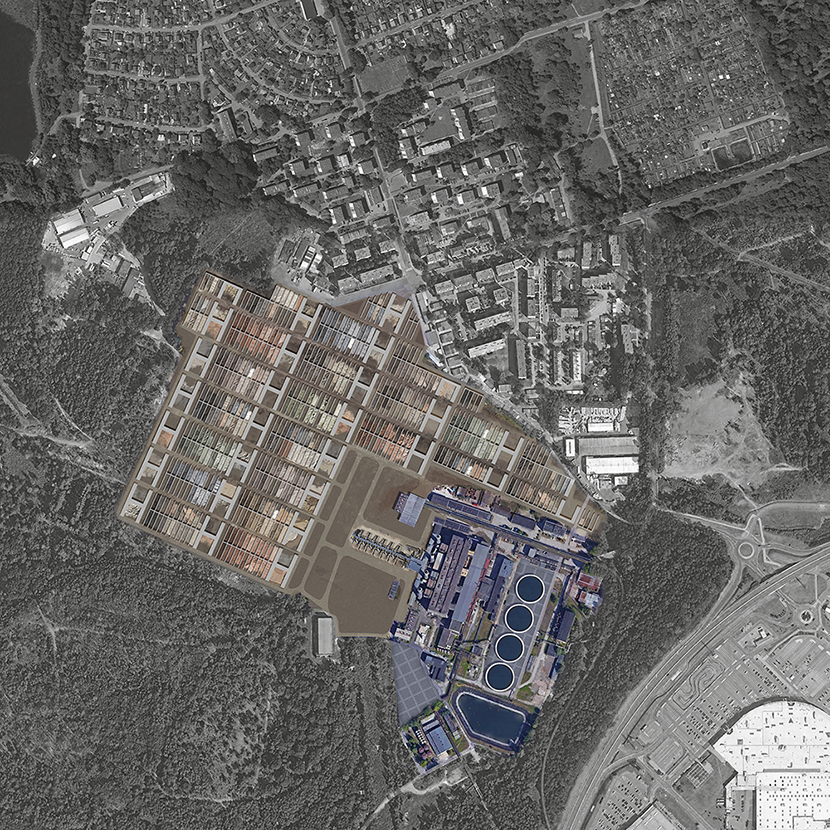
The Miechowice coal plant is reused for the recycling and storage of mineral aggregate.

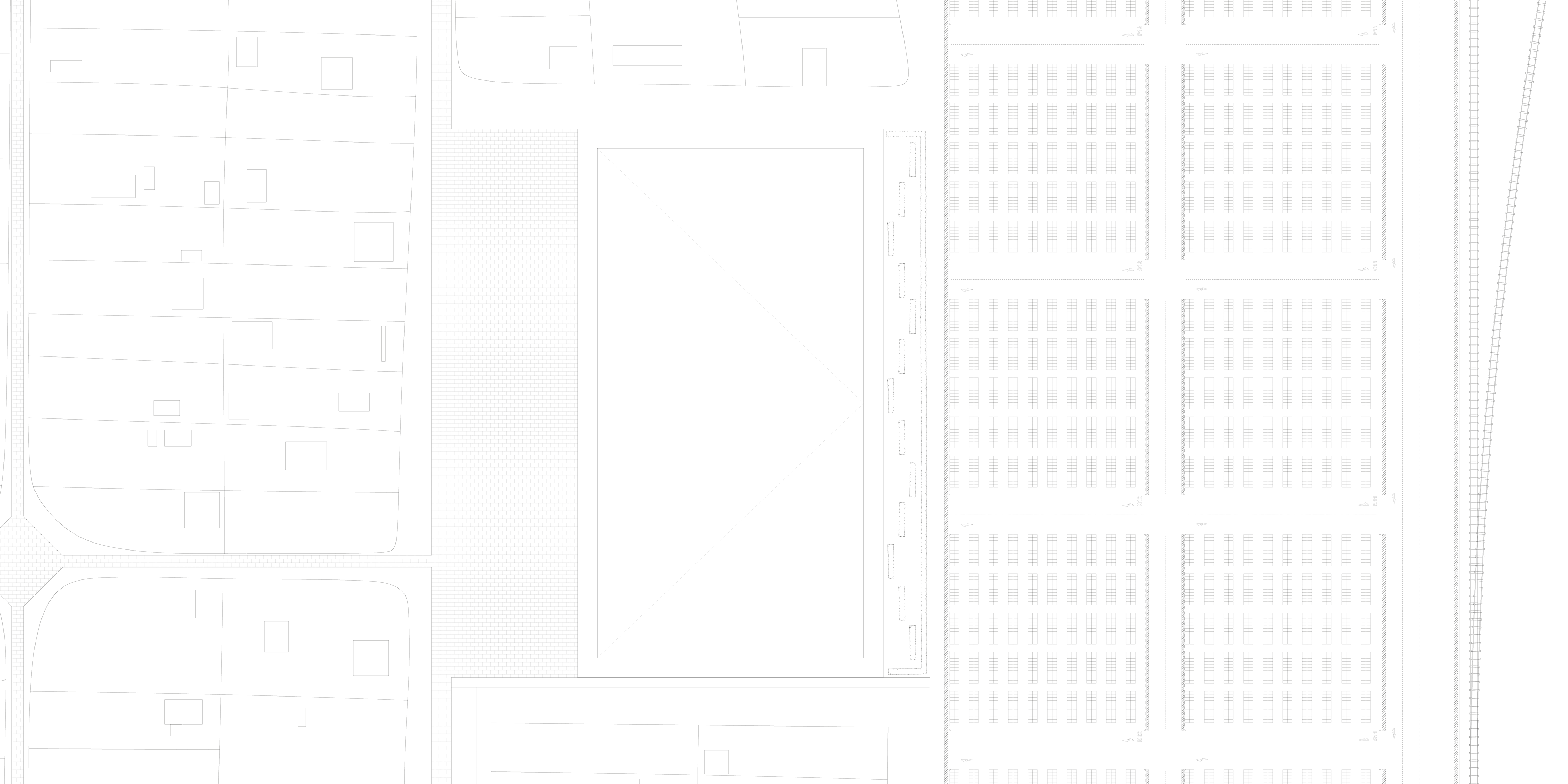
The storage bays are organised in a double grid, allowing for two sizes for material storage. The walls between bays are thickened and act as elevated public plazas.

The project's ambition is on a national scale, at the same time providing spaces for local communities.
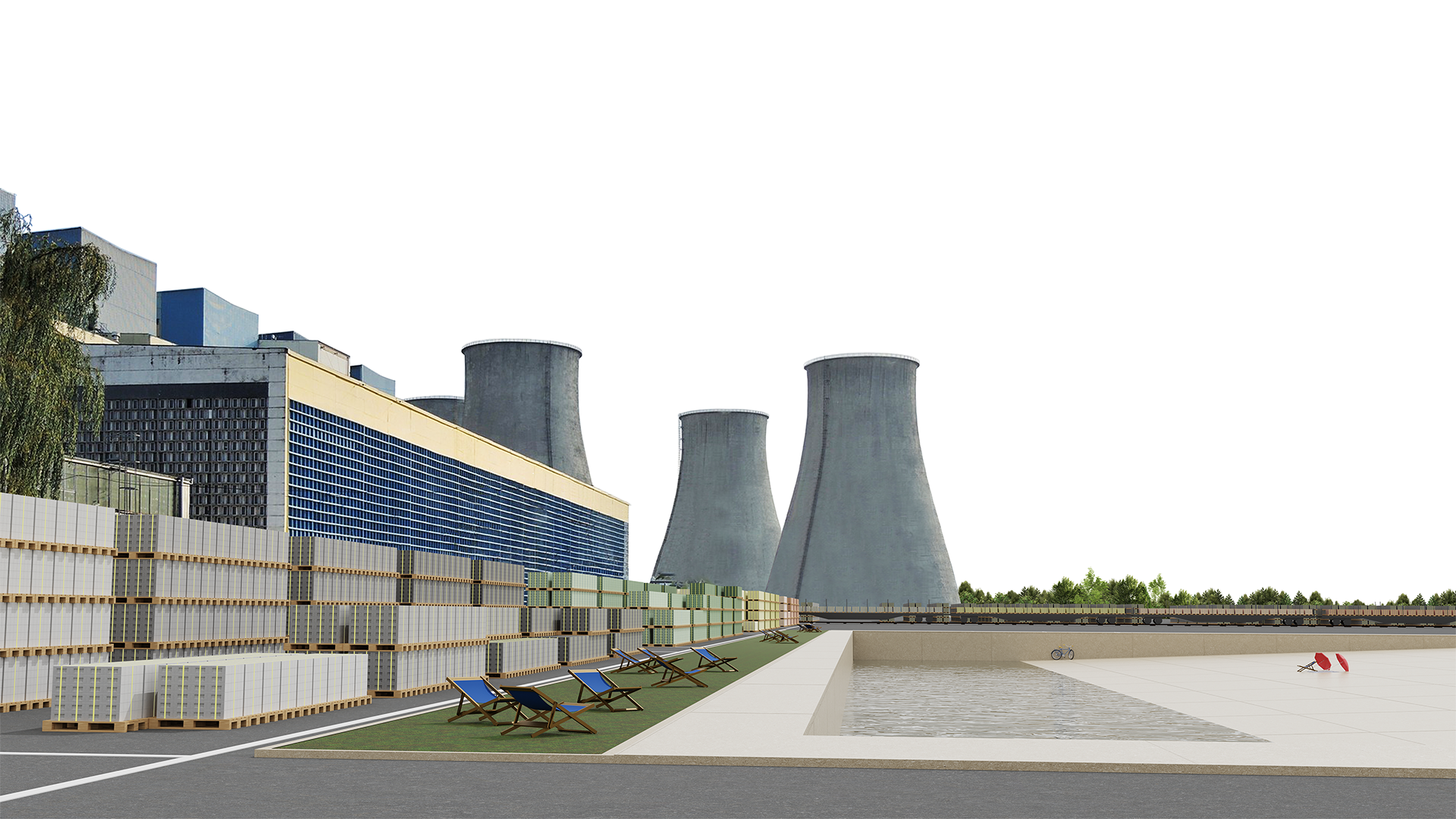
The existing basin in Adamów is extended with views to the stacks of manufactured fly ash bricks, waiting to be transported to the rest of Europe as a new building material.
Building a new material economy will require an enormous cultural shift. Rather than becoming resource poor, the waste boom examines potential prosperity in a world of finite resources.
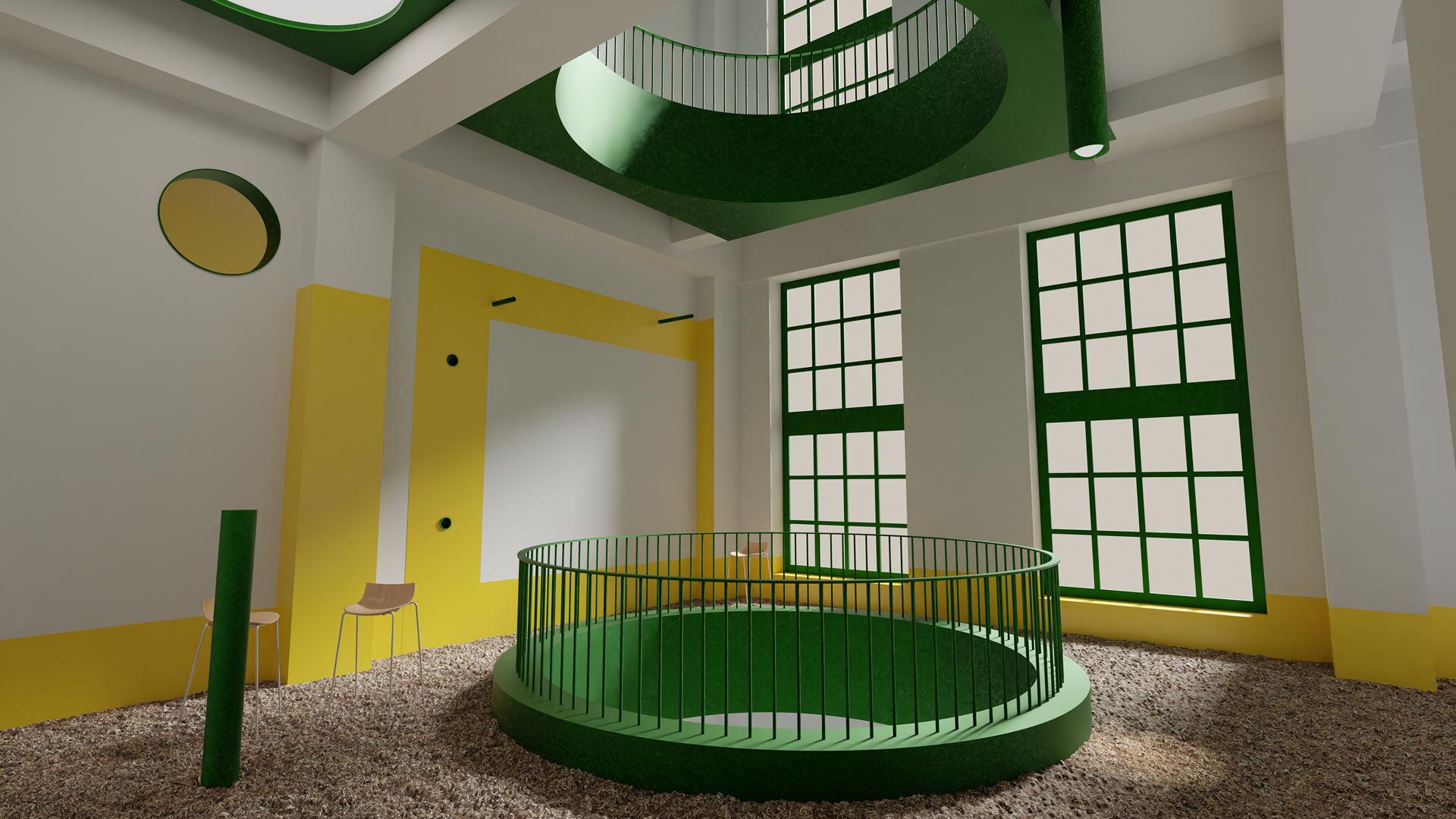
Materials in the waste bonanza are used to renovate abandoned spaces, such as the wood chips used for flooring here.