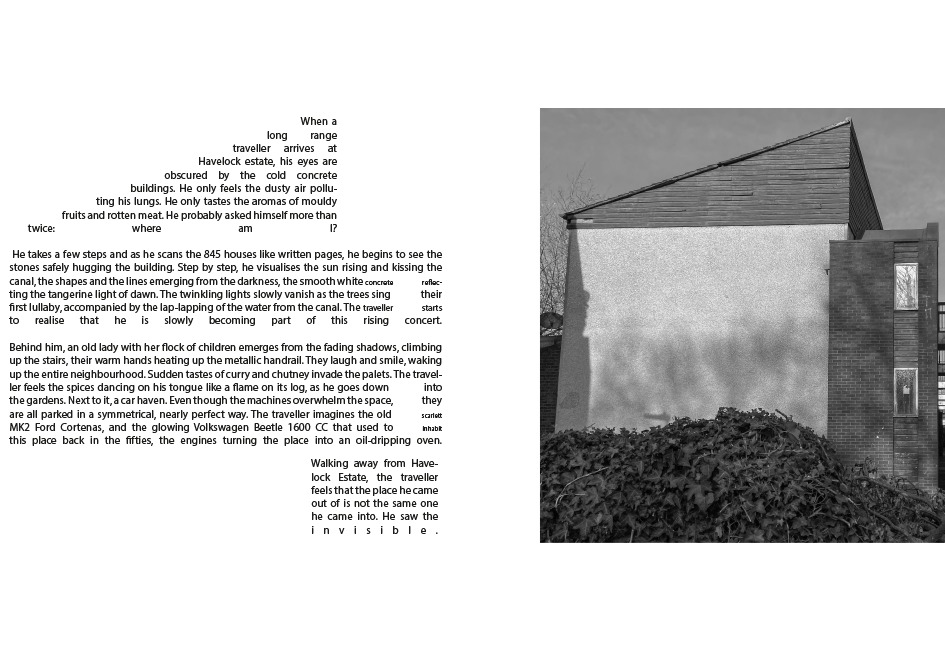
I negotiated the visible and the invisible, what was revealed and what was disguised. I was intrigued by the hidden details of objects and sites. I wanted to learn about their histories, how they create an atmosphere, how they are connected, and how they transport you into new worlds. How can objects metamorphose, mutate and be modified into a new hybrid? I explored the transformation of shapes, spaces, and forms through their structures, appearance, and function.
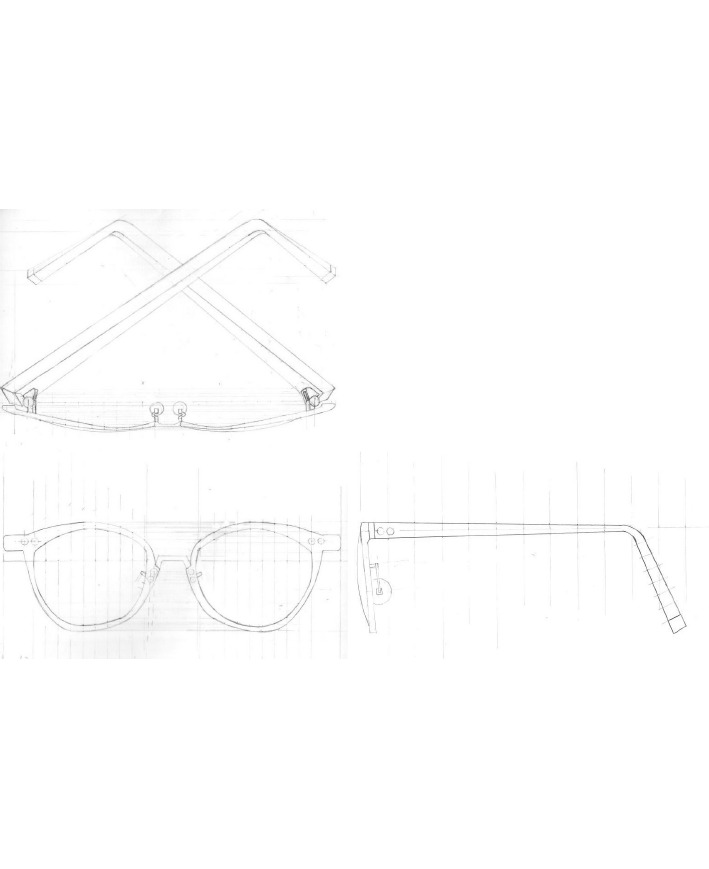
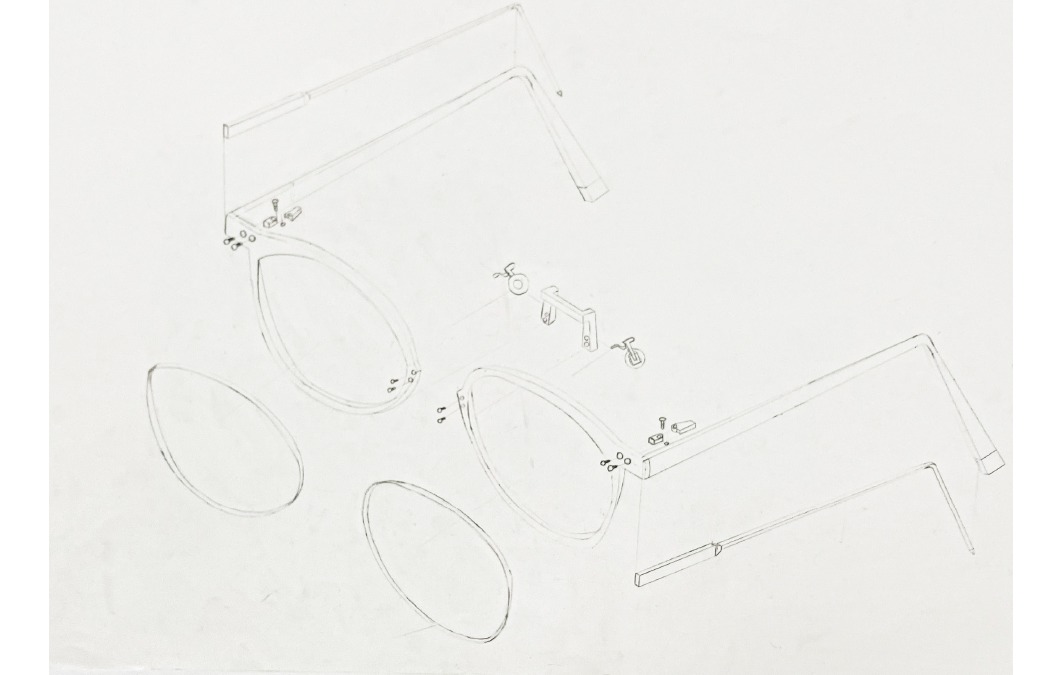
Through these drawings, I understood the complexity of the glasses at 2:1. It revealed where the different parts come from: the acetate is fabricated in Italy, the metal skeleton is made in China.
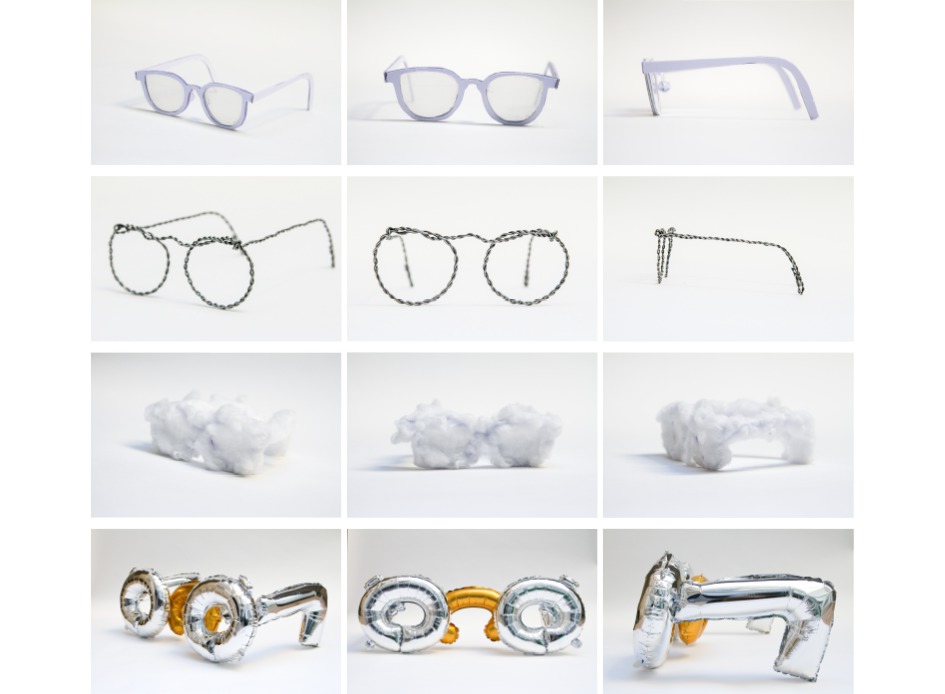
The models reveal different aspects of the glasses: the cardboard is the shell, the wire is for the skeleton, the cotton shows the original material, and the balloon is how I see without my glasses.
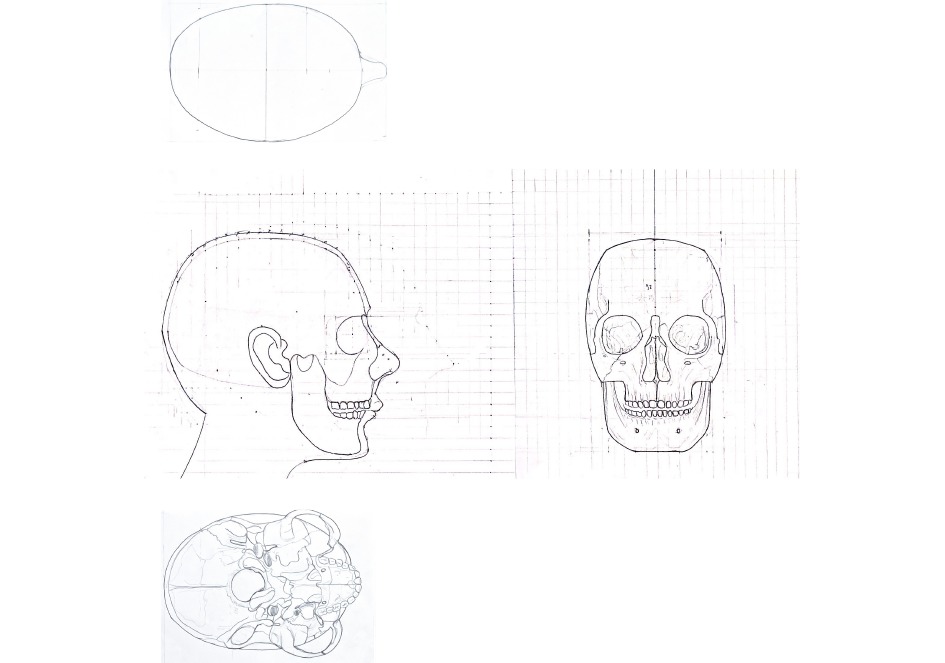
The 1:1 drawings of the skull allowed to explore it in different perspectives, such as plan, section and elevation.
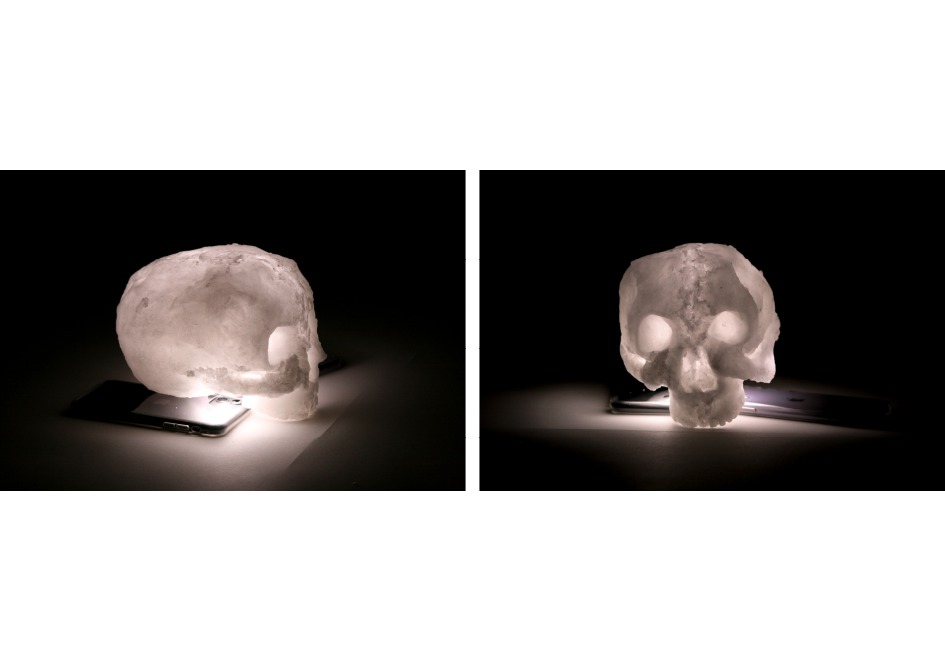
The paraffin wax models, based on my skull, explored luminosity. I was interested in the quality this material has when lighted up.
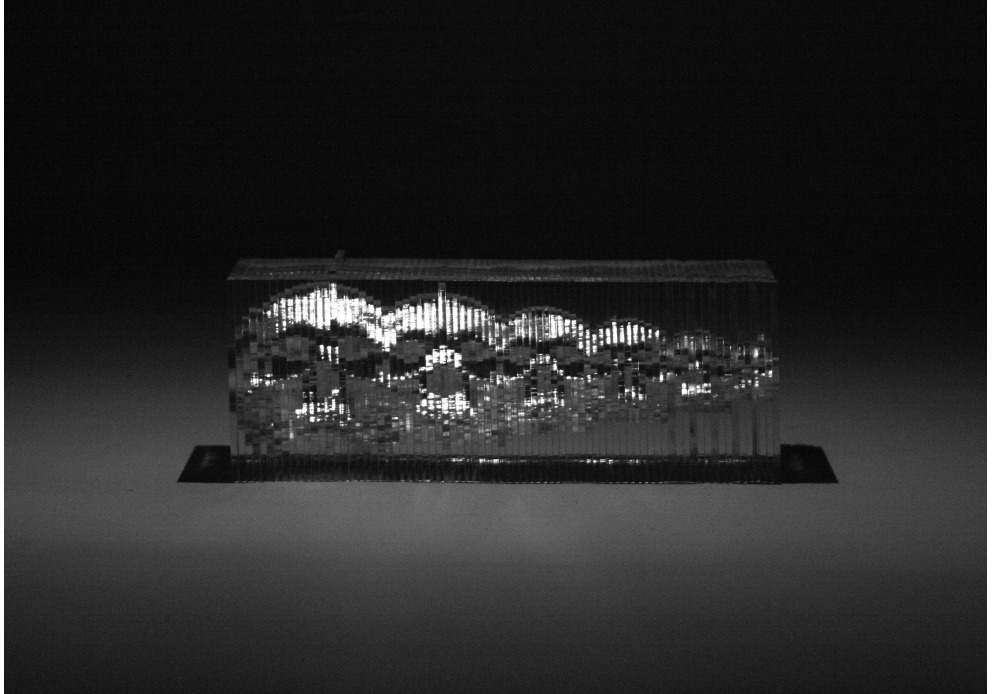
Exploring negative space and the ephemeral, the model represents skulls that are augmenting as time passes while light flows through it.
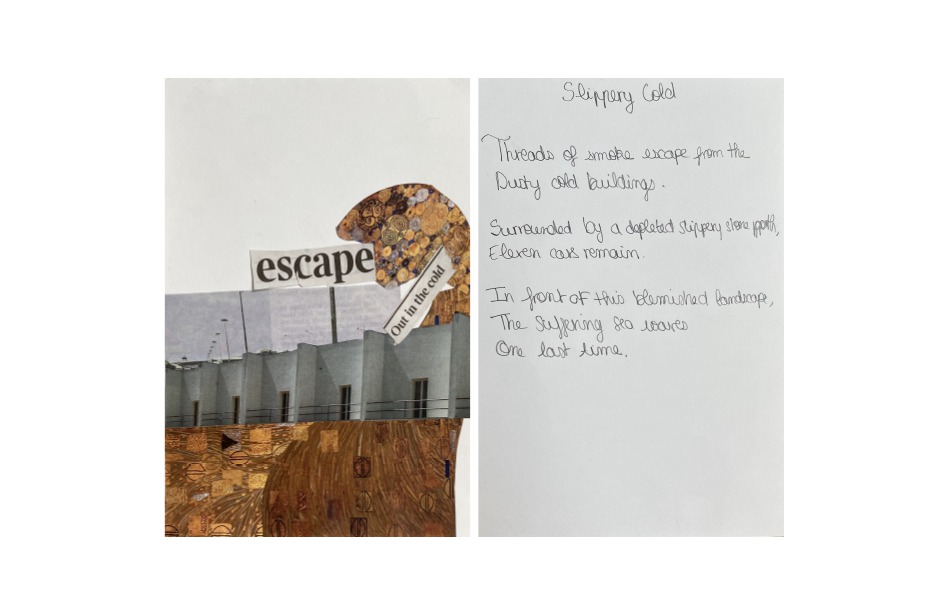
Through writing and collage, I noticed I could write and document the city.
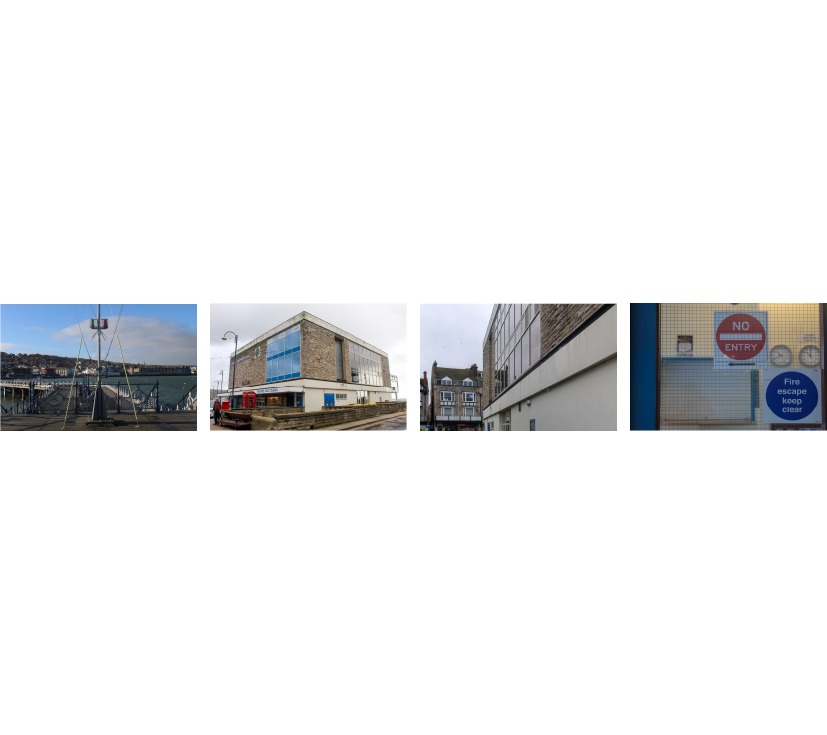
This series of images explore the different illusions and reflections of the Mowlem Theatre, in Swanage, Dorset.
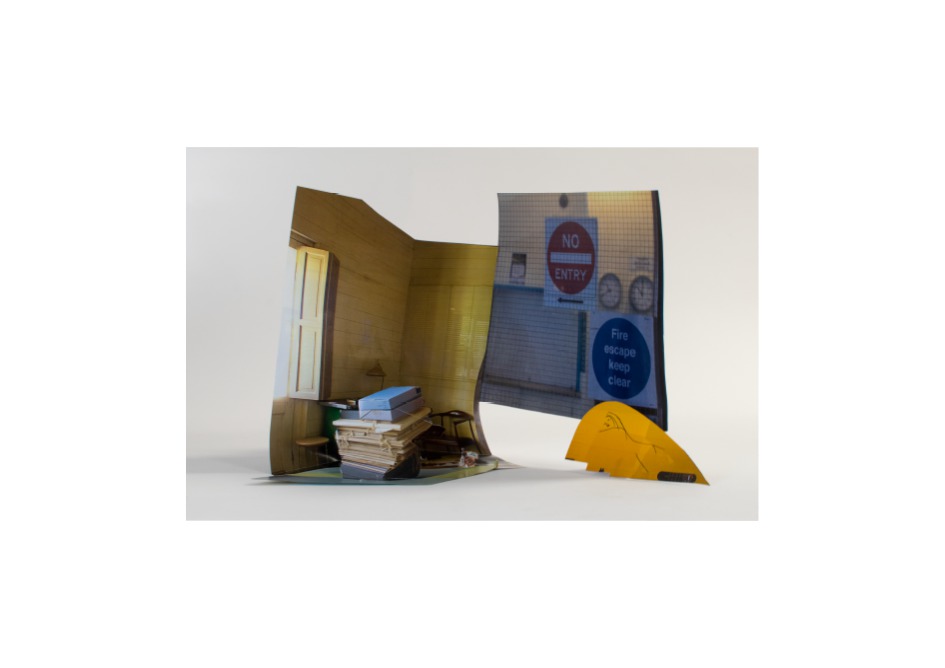
I was interested in how lines can unite two very different spaces such as the Mowlem Theatre and a space from a magazine.