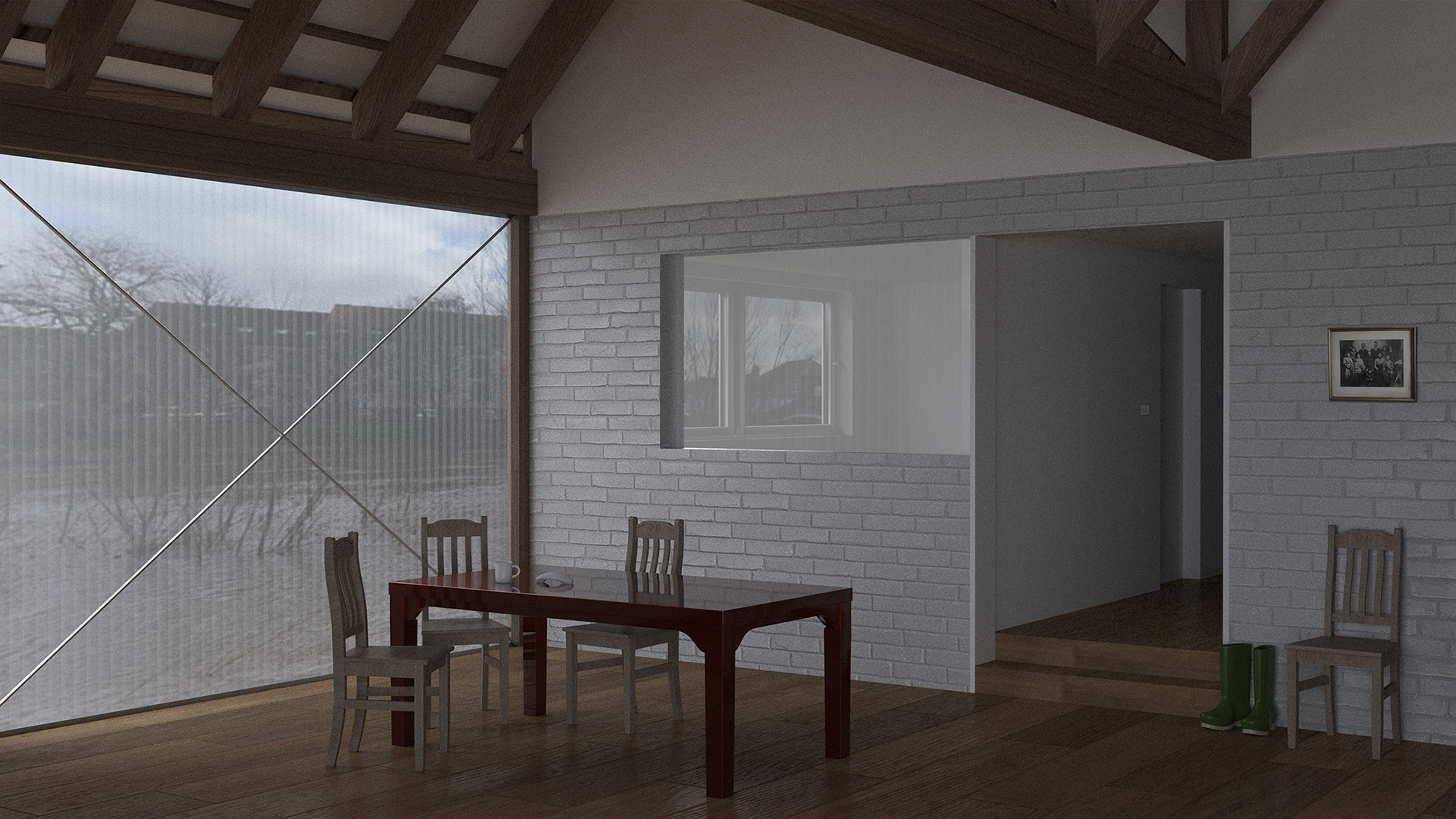
Climatic instability gives us the opportunity to reinvent current modes of occupation of the land in the North of England. Floods wash out houses, infrastructure and agriculture. Their intensification is making life on floodplains impossible. The adaptation of landscape usage policies, urban infrastructure and domestic typologies enable residents to remain in their hometowns comfortably, even in times of extreme climatic instability. A new floodplain lifestyle emerges from adaptation.
The project proposes a shift in mentality, transforming floodplains from inhabitable lands of natural disasters to productive lands, where humans live in symbiosis with their environment rather by dominating it. As Bruno Latour says, “How do we occupy a land if it is this land itself that is occupying us?”.
Through a shift from an anthropocentric use of the land, previously seen as beneficial to humans, to one of cohabitation, we can imagine finding stability in climatic instability.
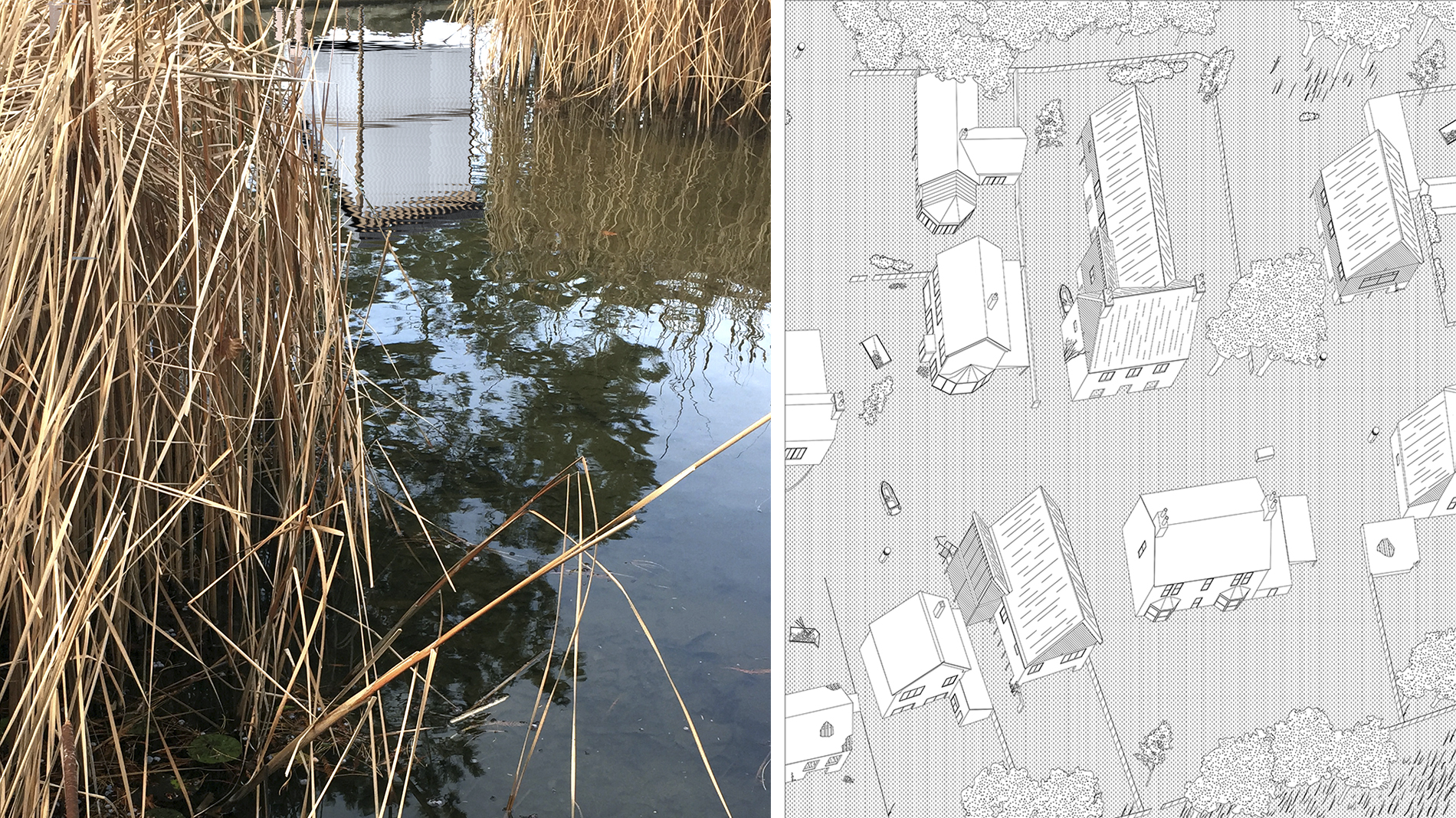
village axo copy
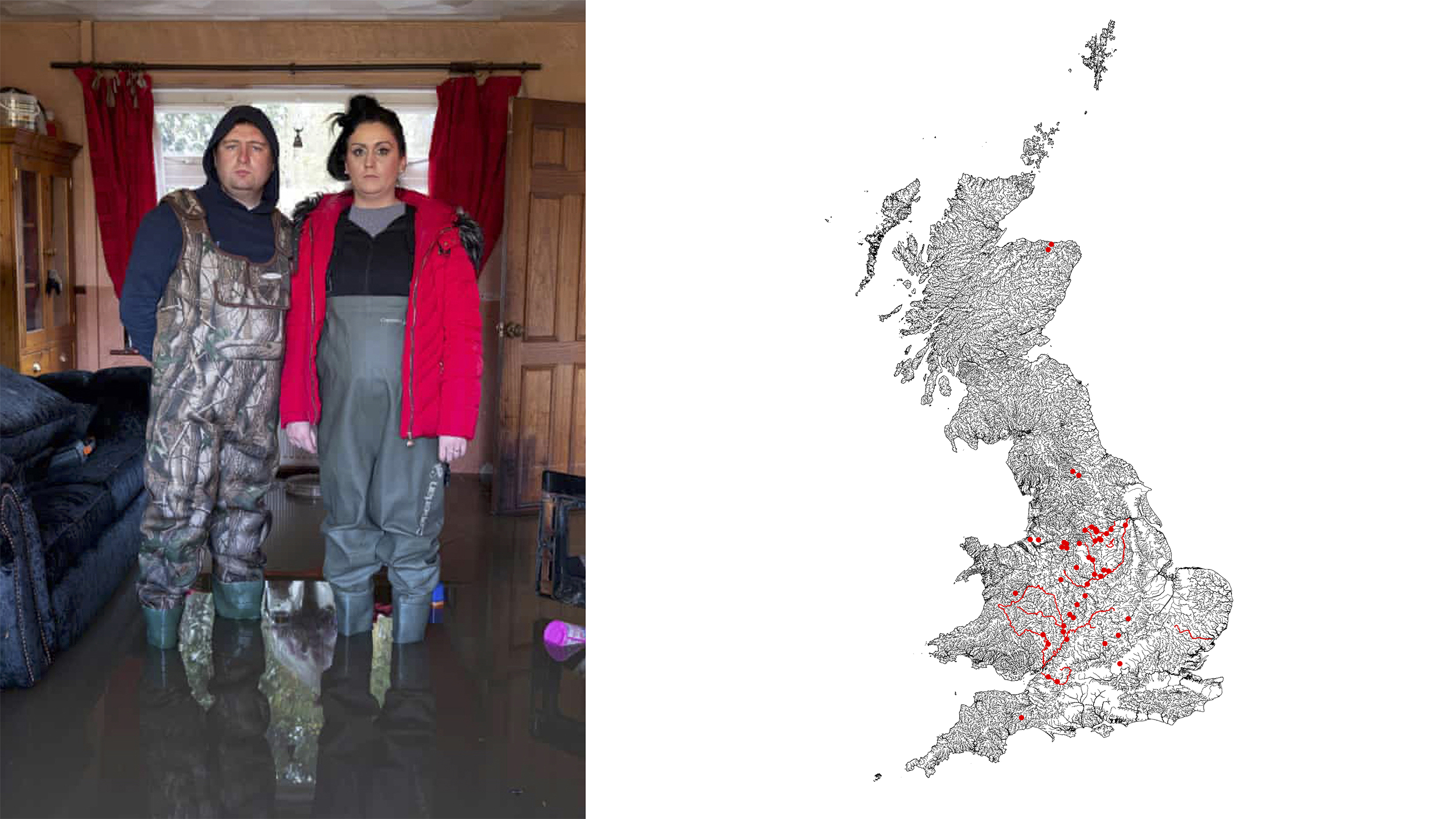
In 2019 in the UK, more rivers burst their banks than ever before. There are currently 5M Brits living on floodplains. They are becoming the UK's first climate refugees.
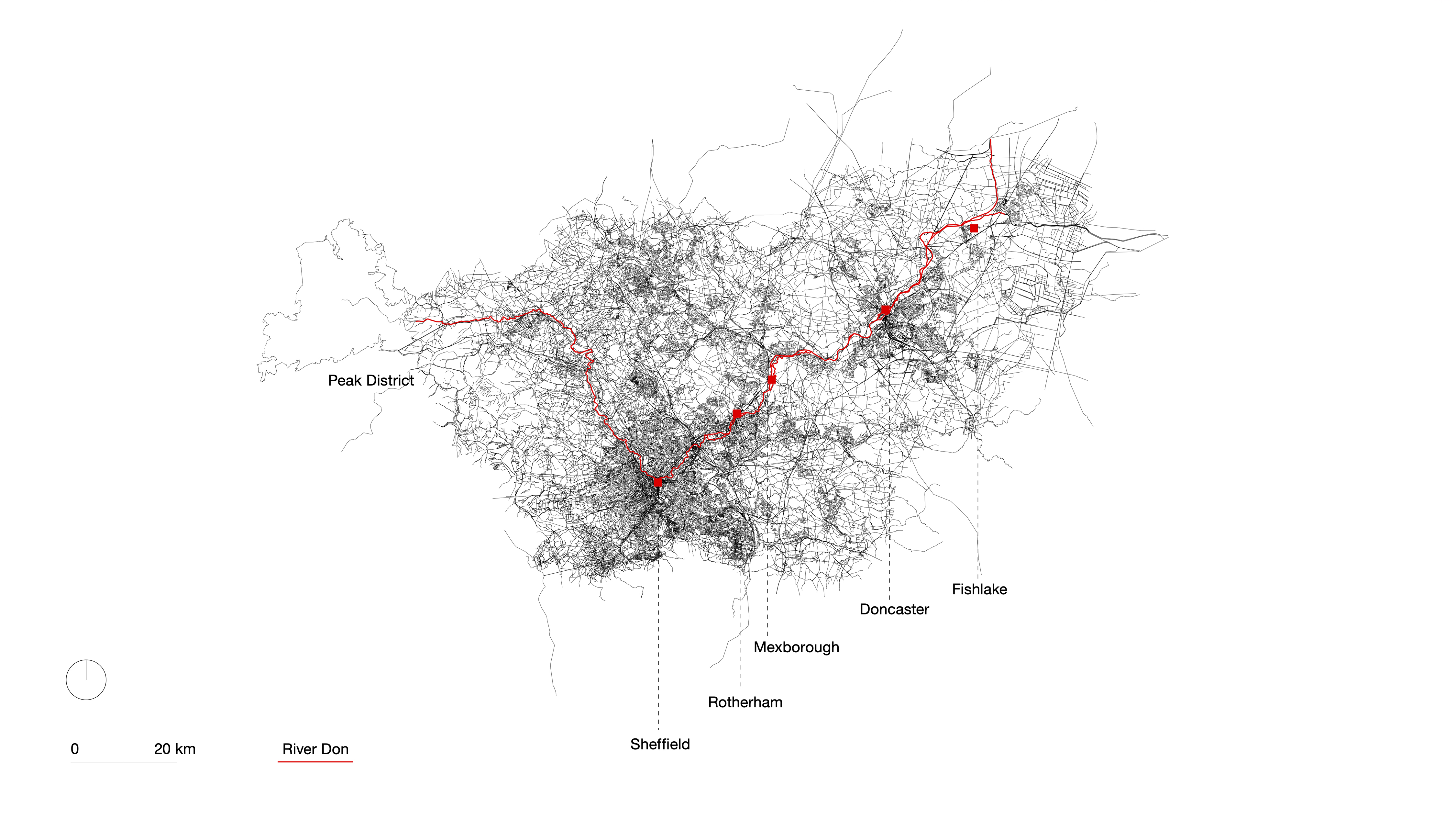
In 2019, the River Don in South Yorkshire burst its banks. Most towns of the valley were flooded. Sheffield was protected with flood barriers, but in reverse floods were more violent downstream.
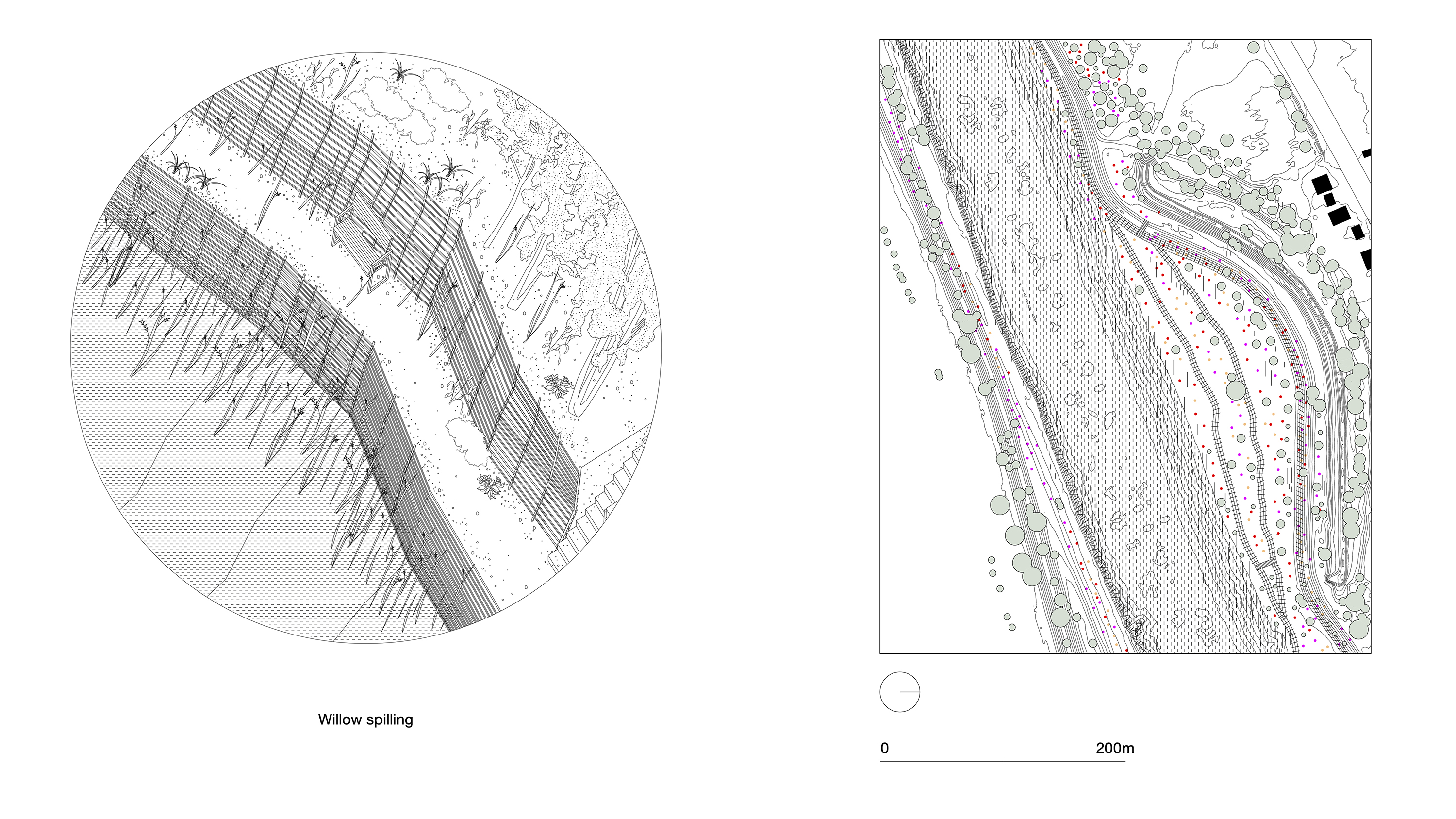
In Fishlake, Natural Flood Management aims to widen the river bed, restore the marshy area and build a willow spilling river bank. This slows erosion and ensures pedestrian access.
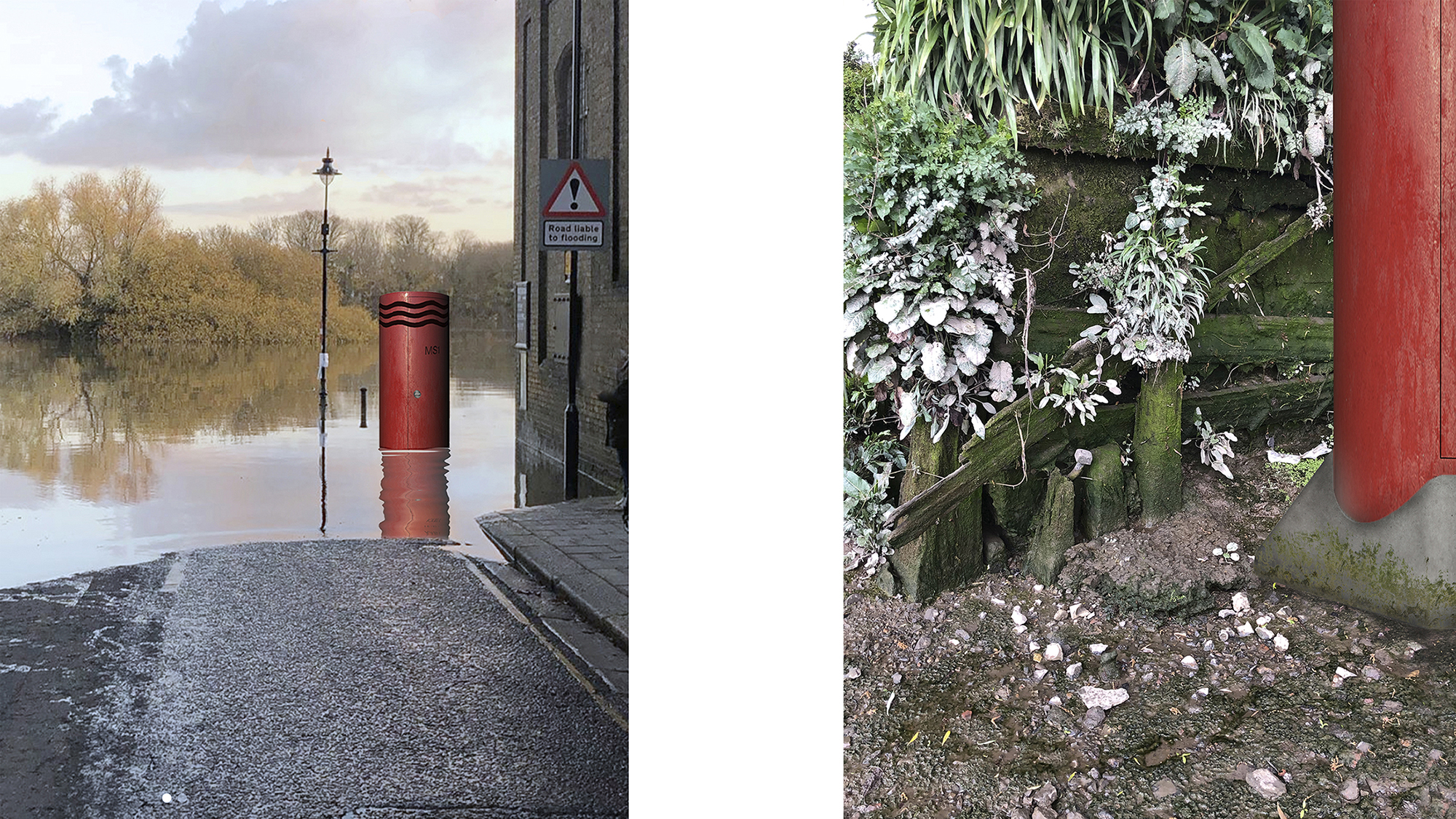
Adaptation of urban infrastructures is crucial. Electrical access boxes and adapted and become a landmark of the floodplain, similar to the postbox. It contains emergency numbers and life vests.
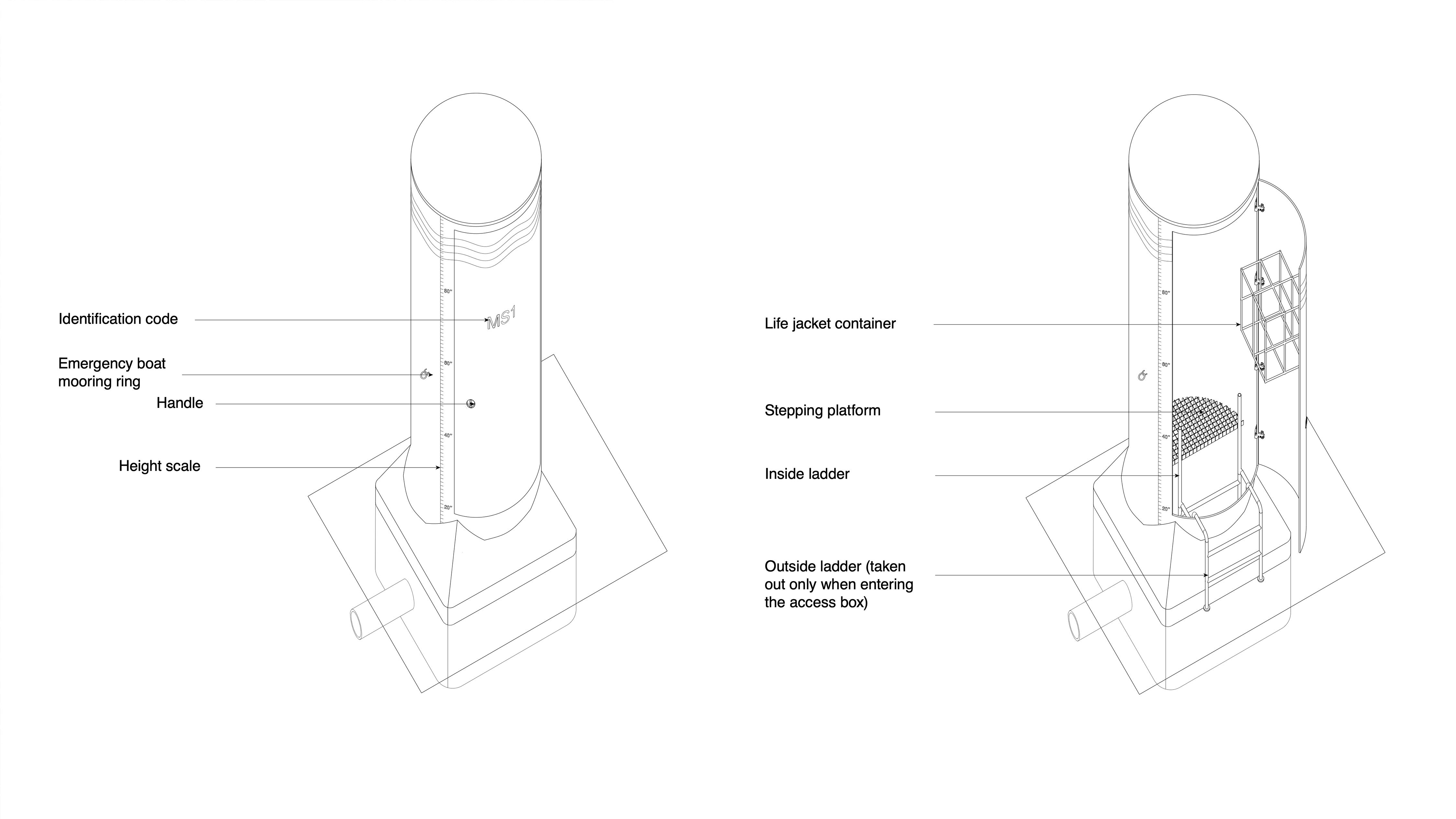
The new design is a 2m high metal cylinder, placed on top of the existing access boxes in the town. A water-tight door can be opened to access the pipes below.
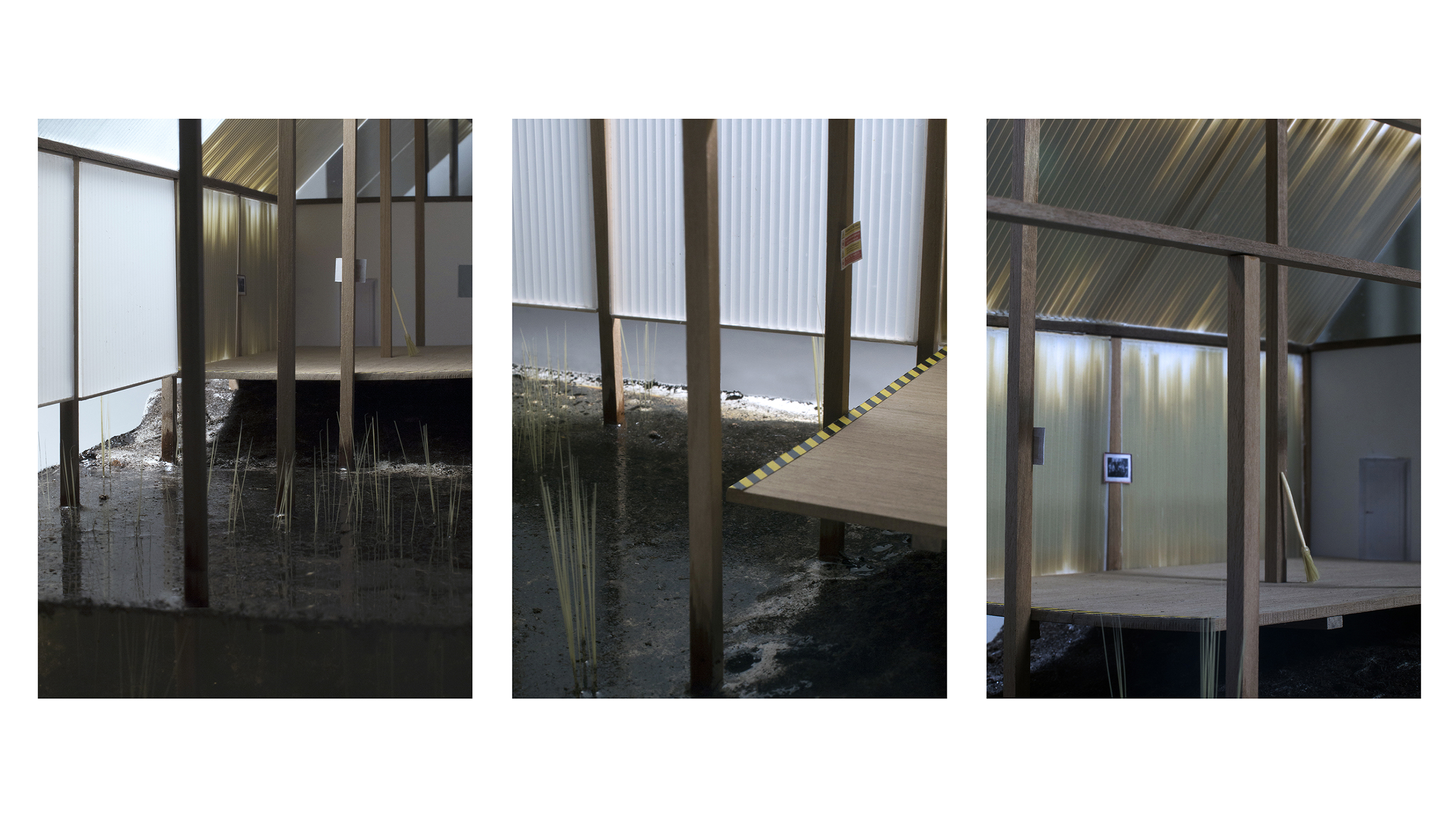
First experiment of a floodplain adaptive typology, a hybrid between a greenhouse and dwelling. Water reeds grow on the fertile floodplain thanks to alluvium. Floodplains can be productive lands.
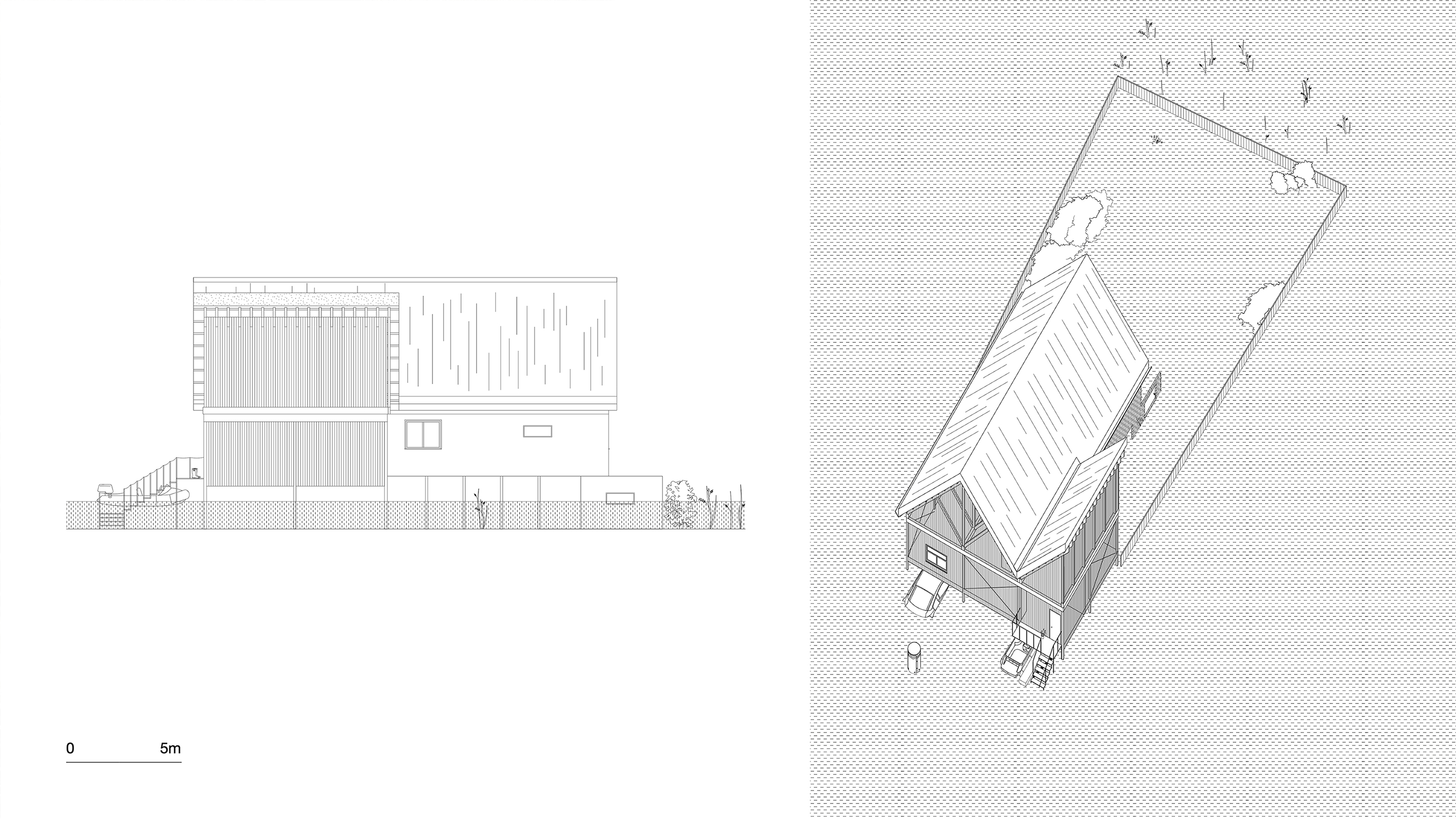
As floods worsen, it becomes structurally unsafe to flood-proof. The adaptation of the house is one overall design, elevated above the ground so as to be able to function even in times of floods.
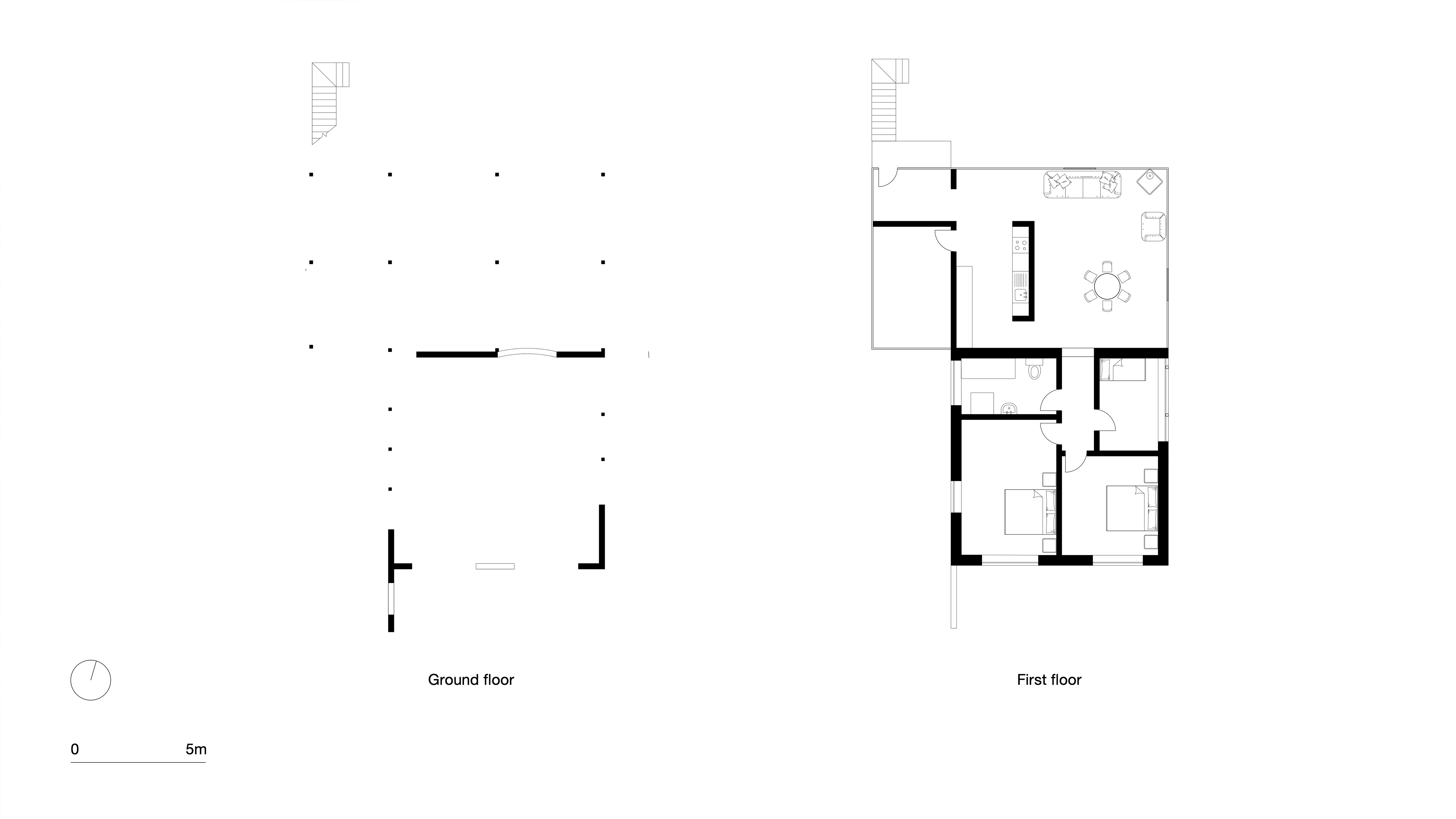
The ground floor is freed from its previous uses. The prosthesis is elevated on stilts, attached to the existing house and houses the living spaces.