We spend an increasingly raising amount of time occupying digital, as opposed to physical spaces. The way in which these two environments function; the forms of interactions they facilitate, have become entirely different. The digital world is becoming progressively less referential to the physical one. The study is based on a speculative premise, that this dichotomy will result in an emergence of a new type of dissociative disorder – Digital Dissociative Identity Disorder.
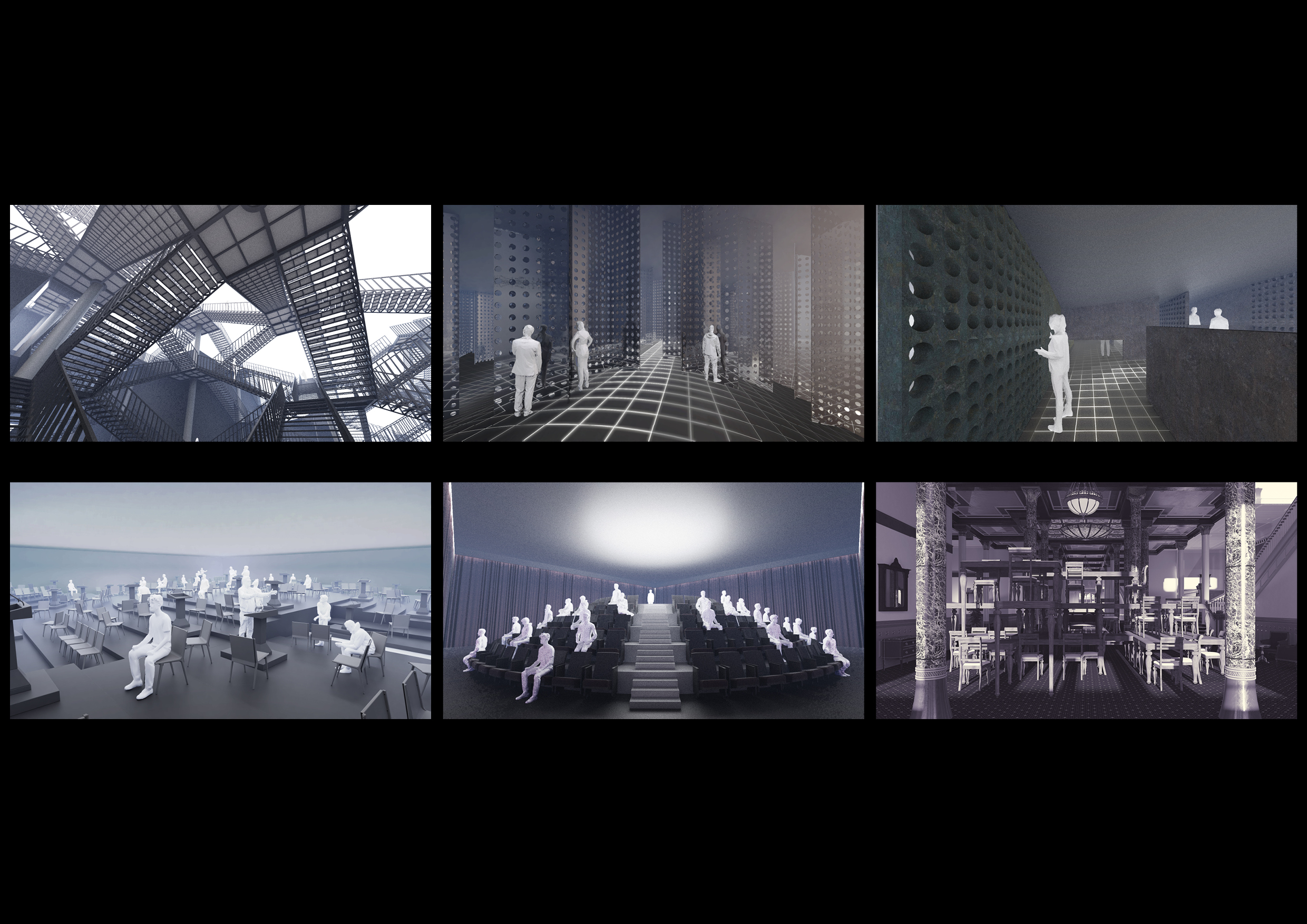
The project argues for a spatial threshold of digital and physical. It transcribes the parameters, which govern the digital world into spatial entities. The transcription is approached through an Atlas of Digital Constructs, as well as through a set of operations. The translations are a resultant of corruption, or re-appropriation of existing physical structures.
A combined architectural construct guides the user through six distinct programs – Dissociative Anonymity, Dissociative Imagination, Invisibility, Solipsistic Introjection, Hierarchical Dissolution, and Togetherness. It exists within the physical world, but in specific aspects, functions in ways the digital environments do, and therefore hosts a reconciliation of one’s digital and physical self.
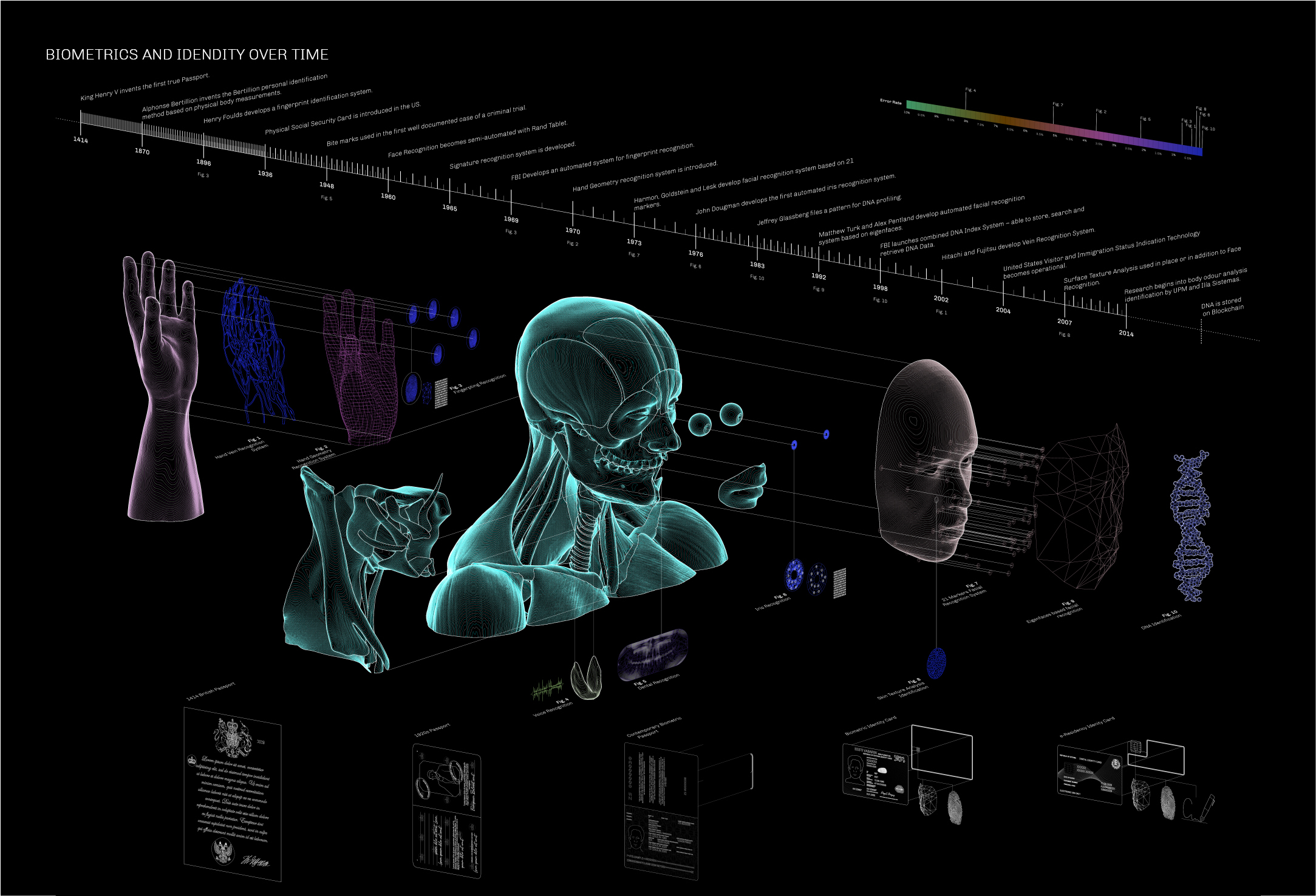
In the Eyes of the state an individual is a single, quantifiable unit. With technology we are able to measure the human body with an increasingly raising amount of accuracy. There are multitude of w

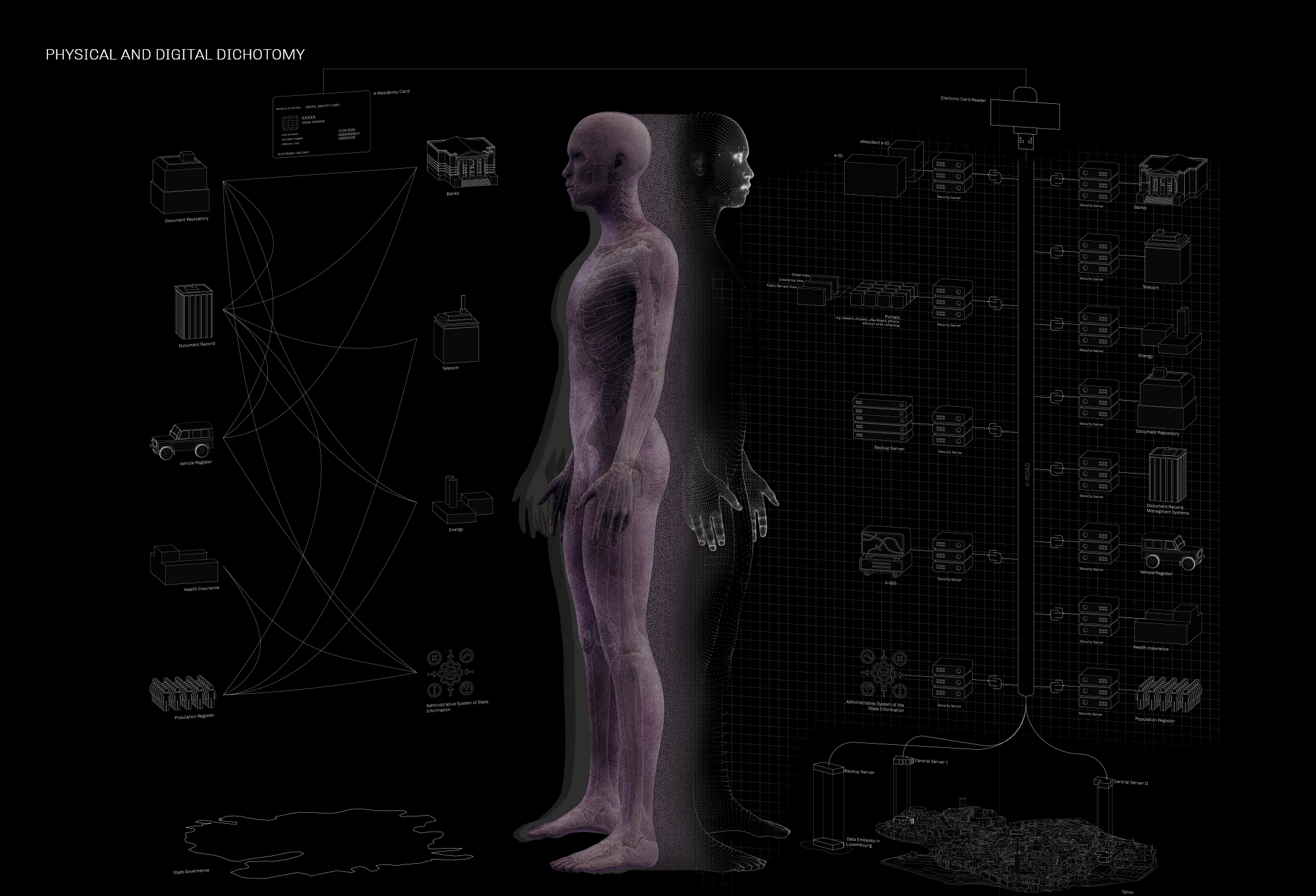
Dichotomy of a life of an e-Resident of Estonia - physical and digital self occupies entirely different environments.
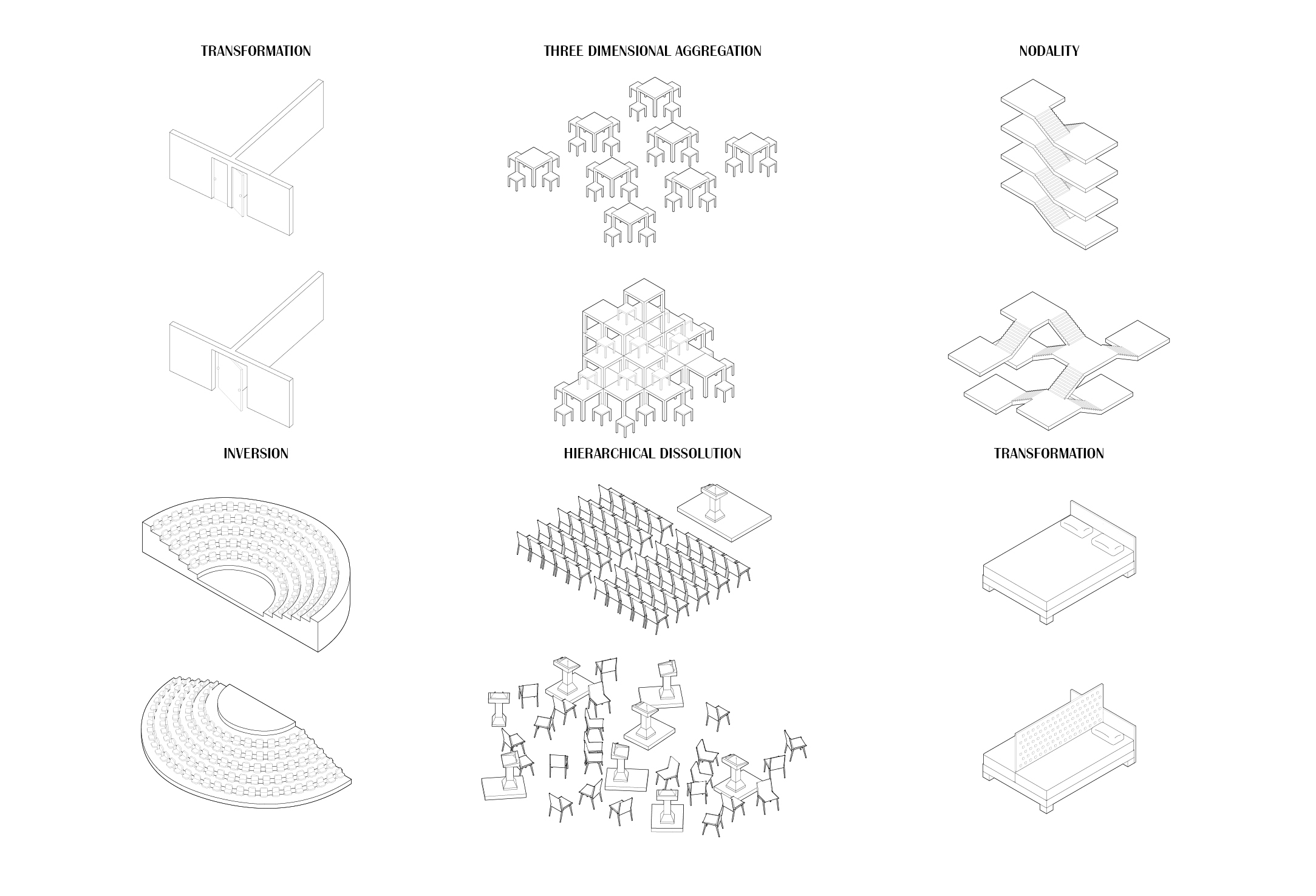
Operations, which transcribe the structures of digital world into physical entities.
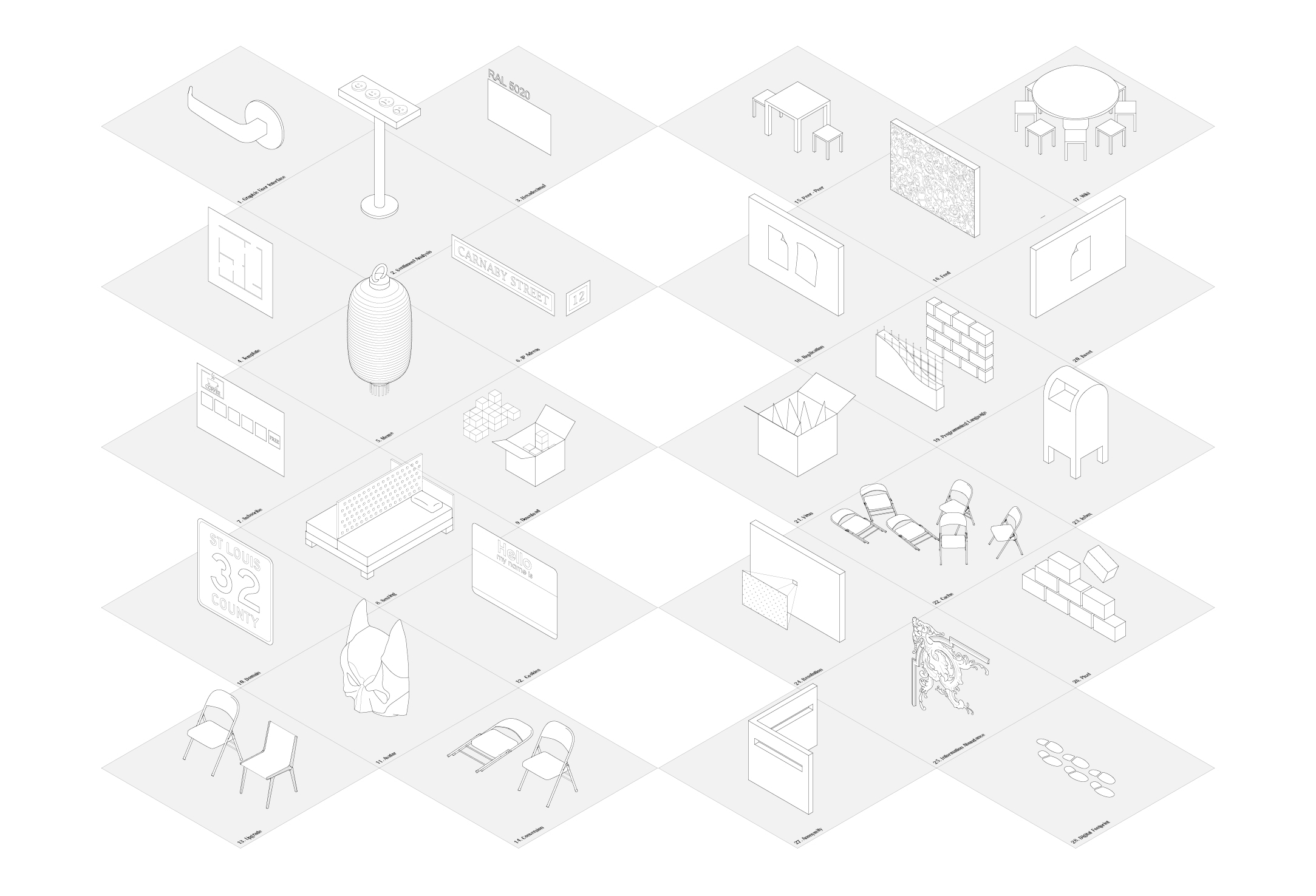
Atlas of Digital Constructs and their Physical Counterparts
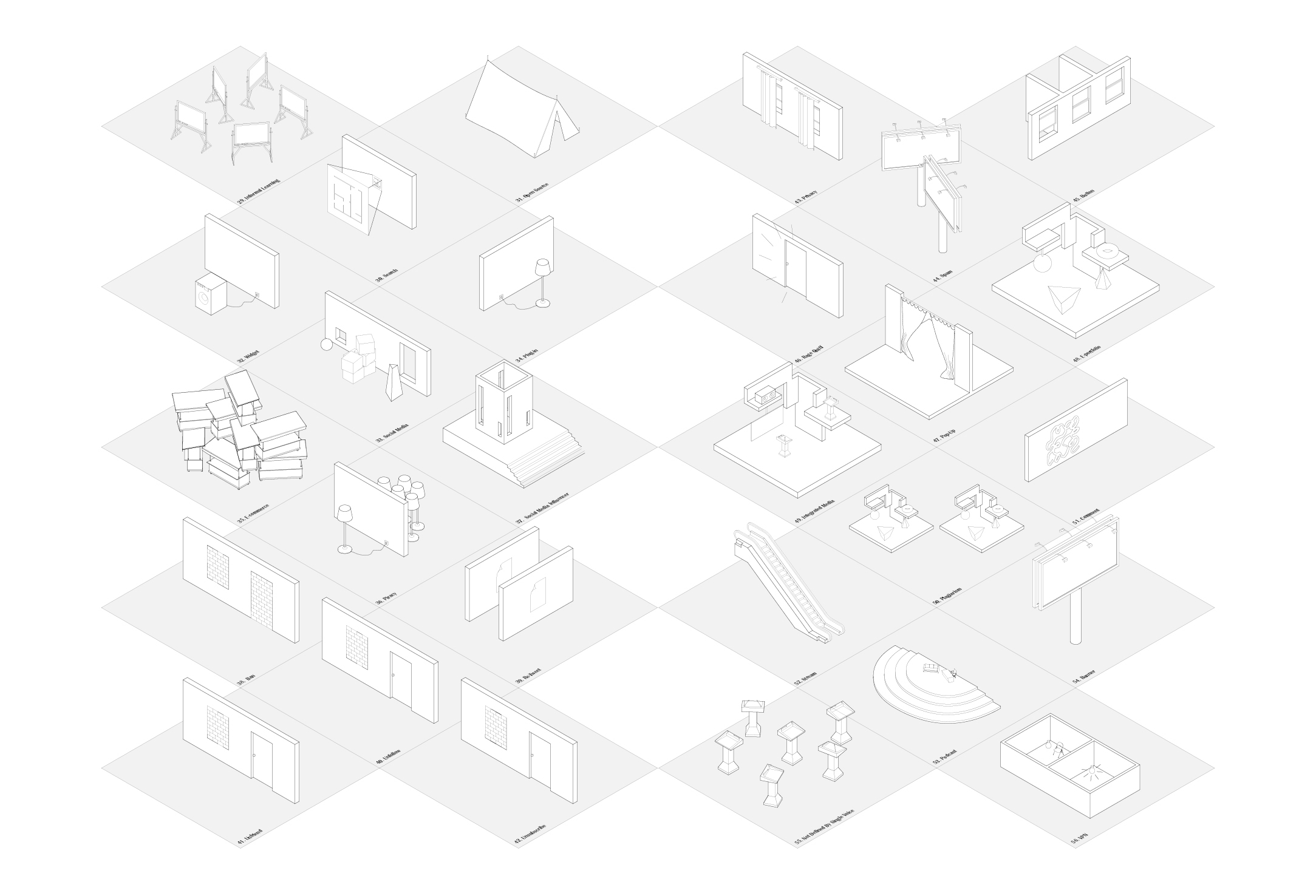
Atlas of Digital Constructs and their Physical Counterparts
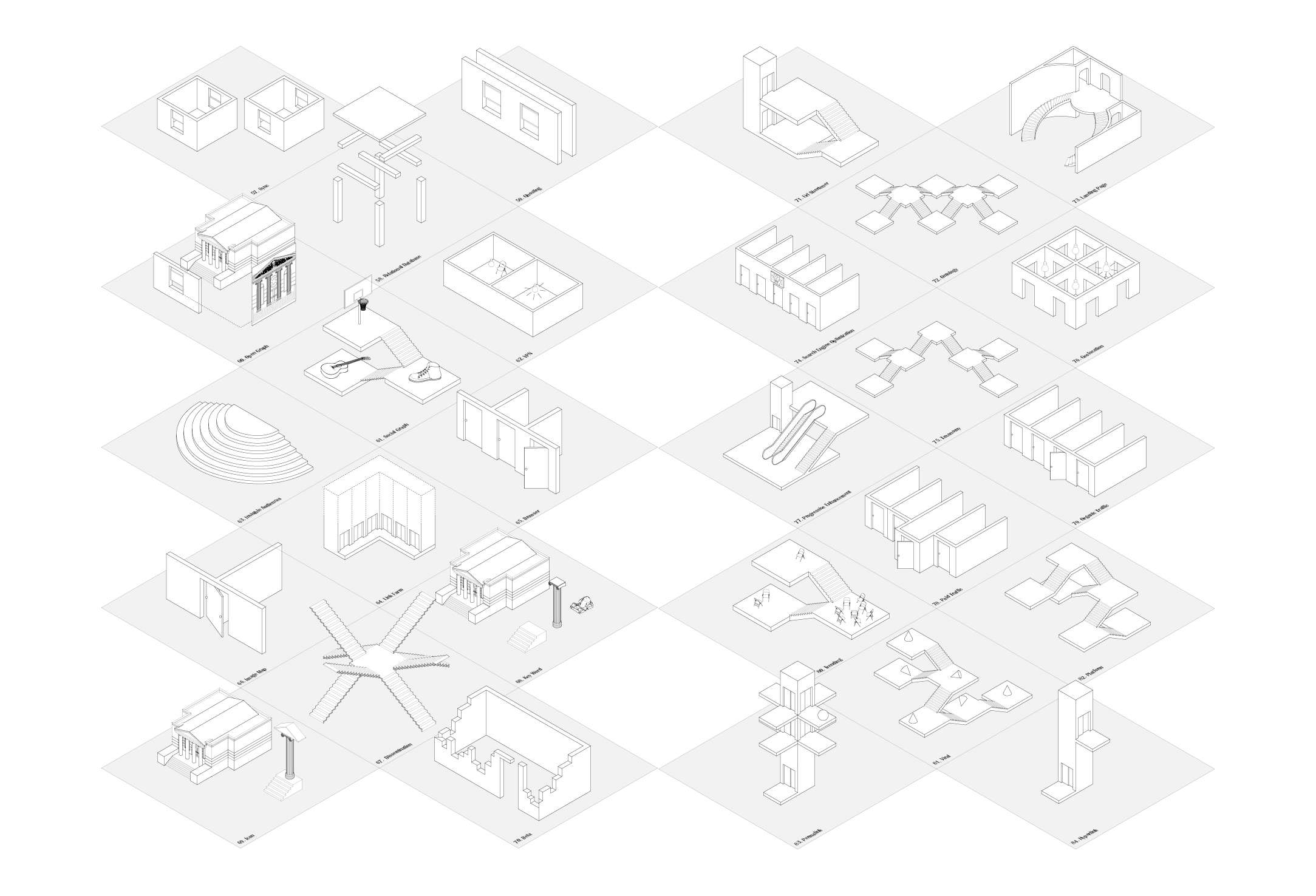
Atlas of Digital Constructs and their Physical Counterparts
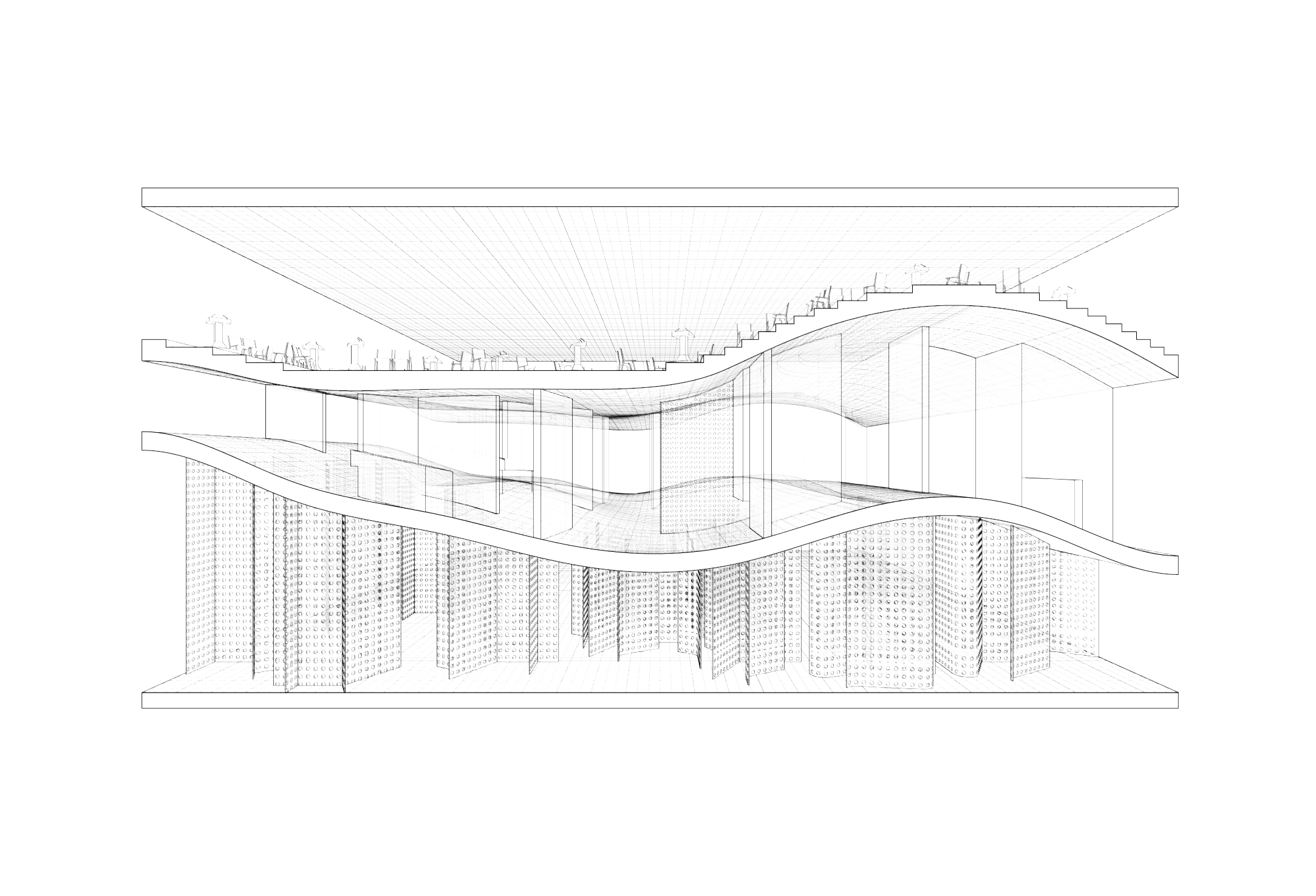
Topographical modifications to the plane nudge an individual towards a particular trajectory, namely - a peak, a valley or a lesser steep part of a slope.
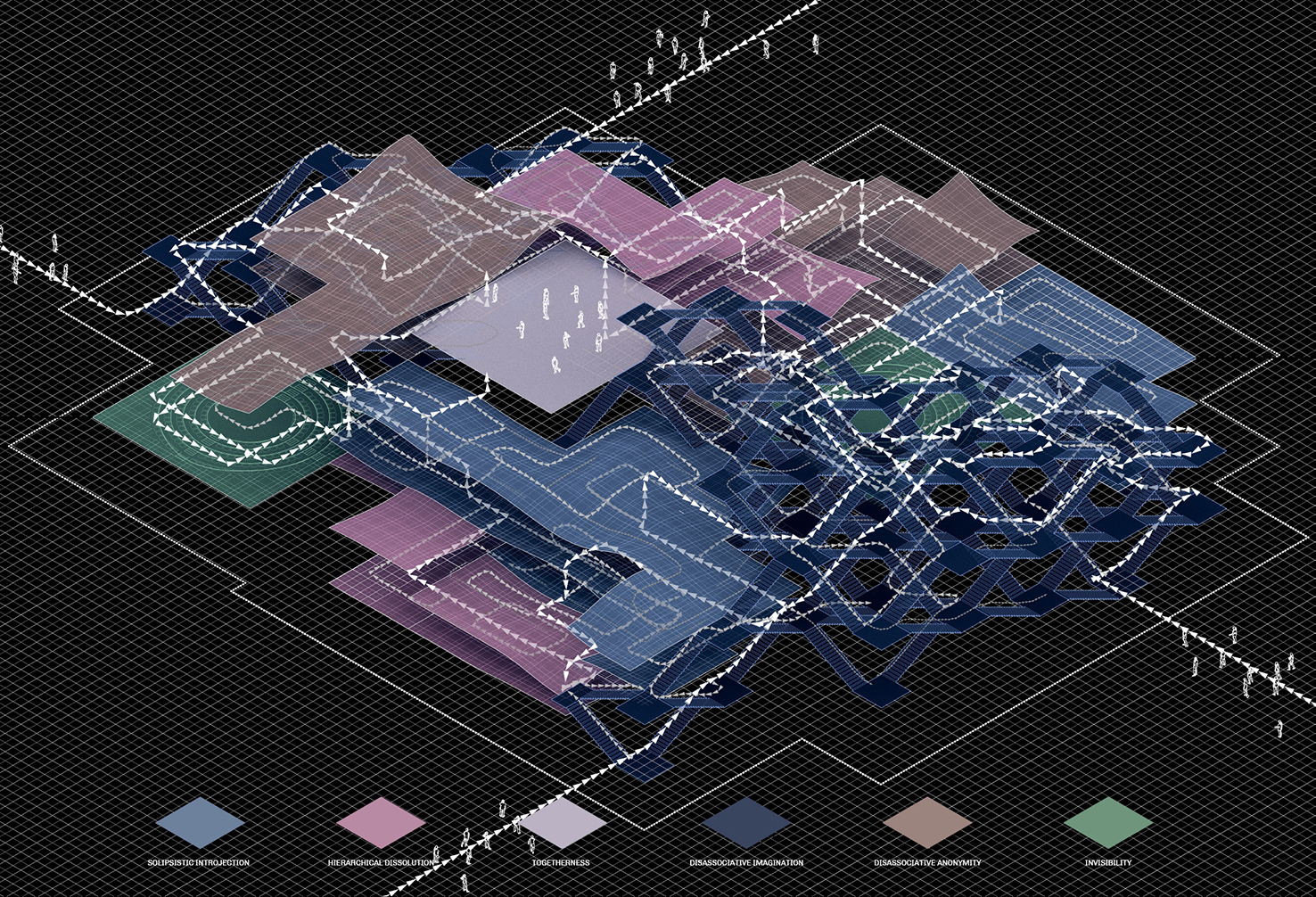
The trajectories through the combined architectural construct are asynchronous with each other. Distinction is made between the four primary trajectories, with an addition of secondary and tertiary.