Permesso
Fiona Cuypers-Stanienda, MArch (Year: 5)
‘Permesso’ is a film that started as a personal investigation into my relationship with Genoa. As I met different inhabitants, characters of the city, I gradually realized that I saw myself in them. Their reciprocal understanding of a city, similar to a human relationship, resonated with my understanding of what, against any movement of globalization, characterizes a city and its identity, and the way its history and culture impacts a locally specific domesticity.
From an intuition, I chose to use film as a process to identify, isolate and develop the causes of this personal echo, as an attempt to find the universal resonance within them.
The film argues that only by enabling ourselves to regain a position within the inside, can we tackle the complex intersecting impetus defining and refining the character of a city. Hence, as a reaction in constant transformation, this observation from an absolutely “present” position also prevents a romanticized, nostalgic standpoint.
This film is an attempt to find resonance and deepen the understanding of the human relationship with the city, through pursuing of the idea to look at a city as a human being.
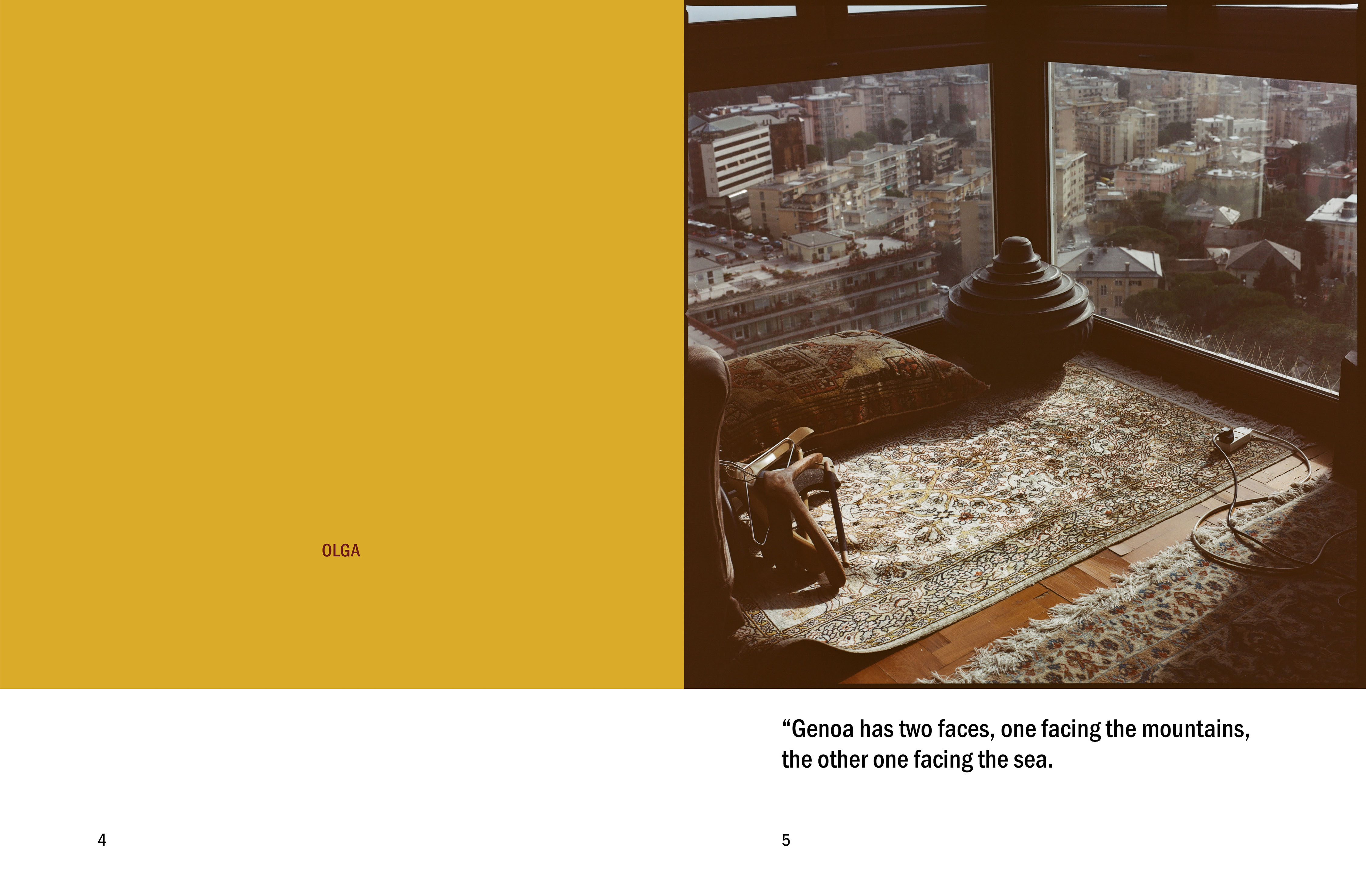
‘Permesso’ started as a personal investigation into my relationship with the city of Genoa, a city that has become my home. A city known for being aloof to outsiders.
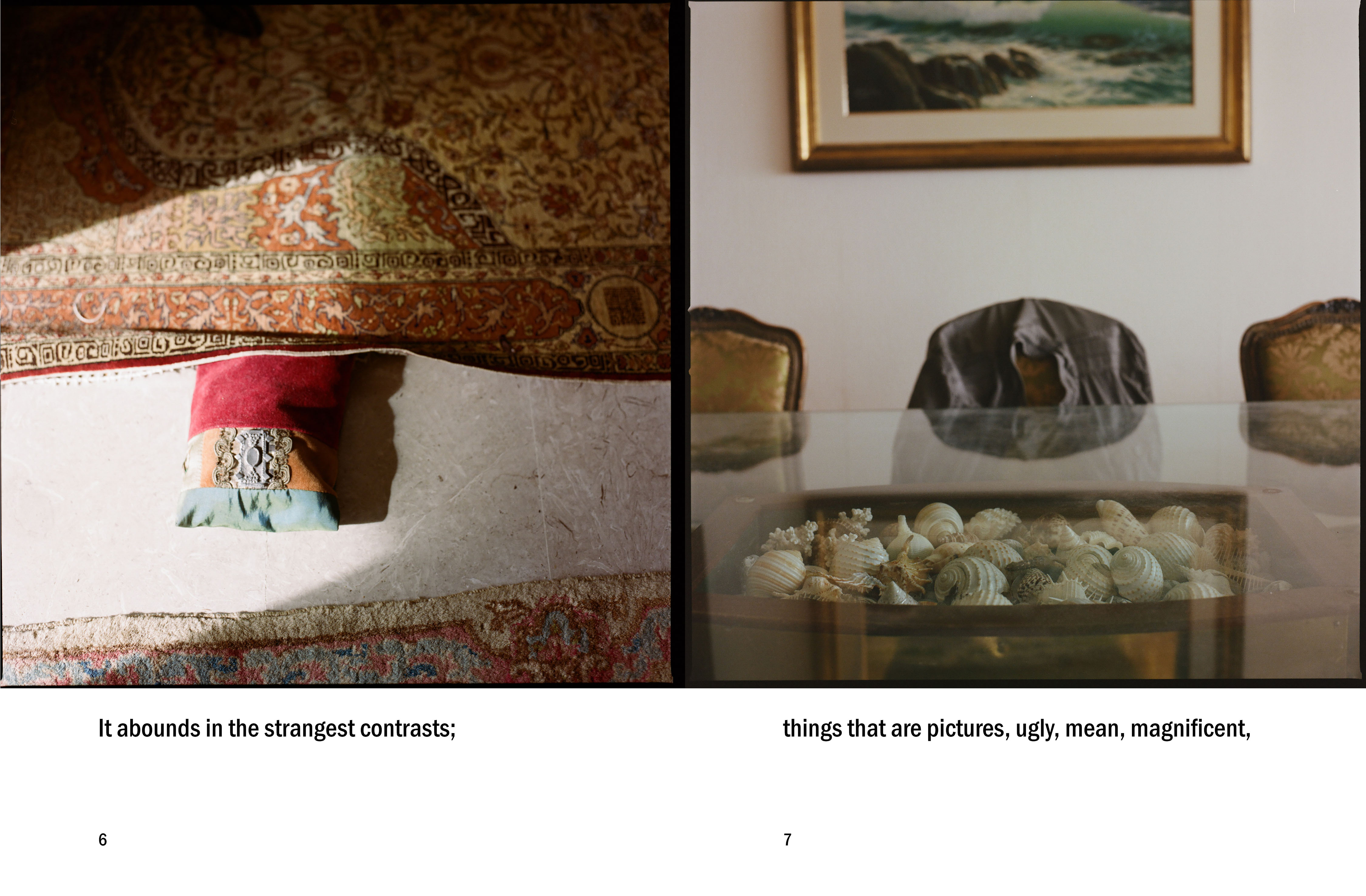
This film became my key into Genoas most private space; its homes. A reflection of its soul.
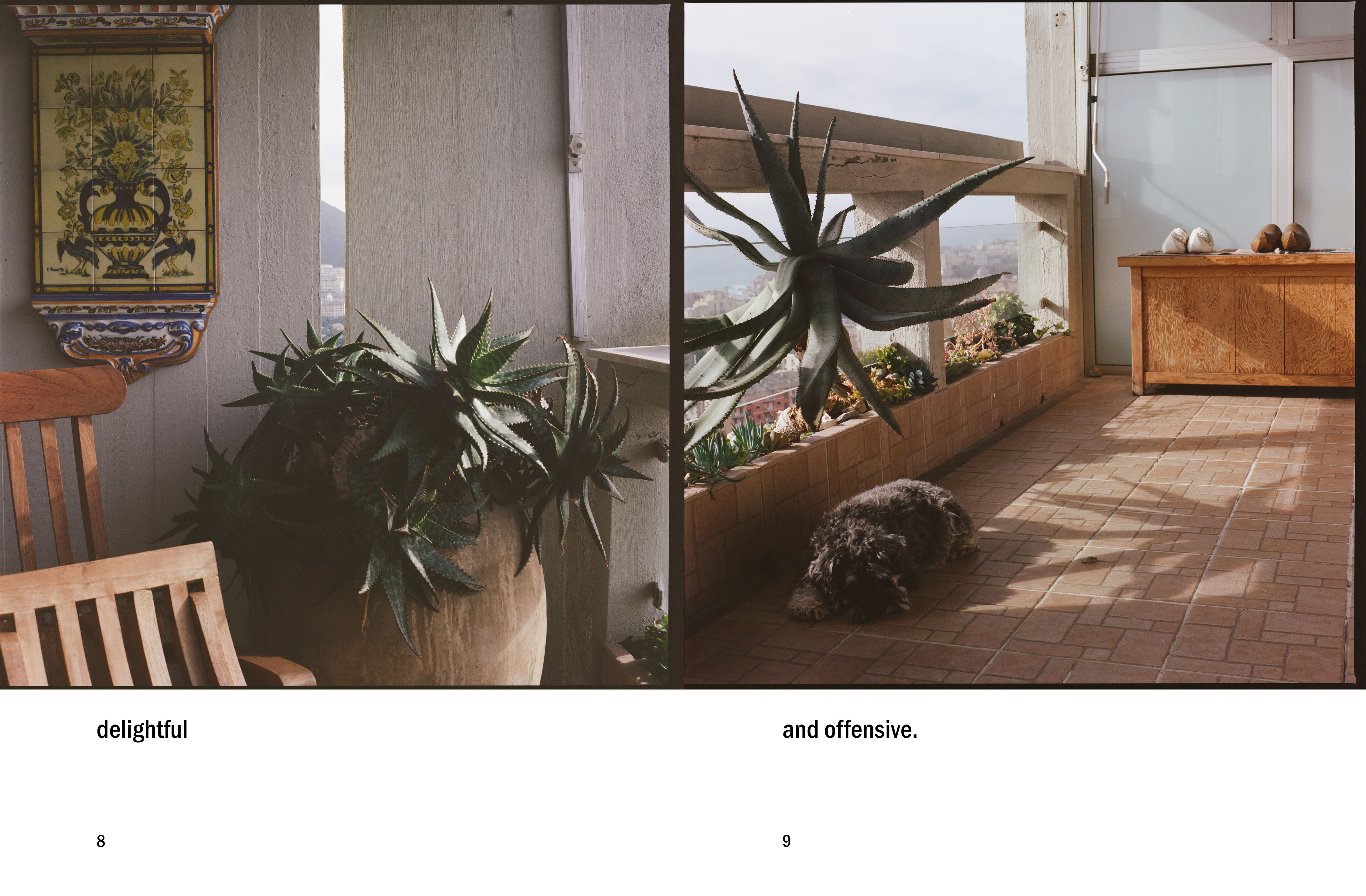
In the kitchens and living rooms I found the characters of this city opening up to me, with a level of depth and intimacy that I hadn’t been able to reach in the years prior.
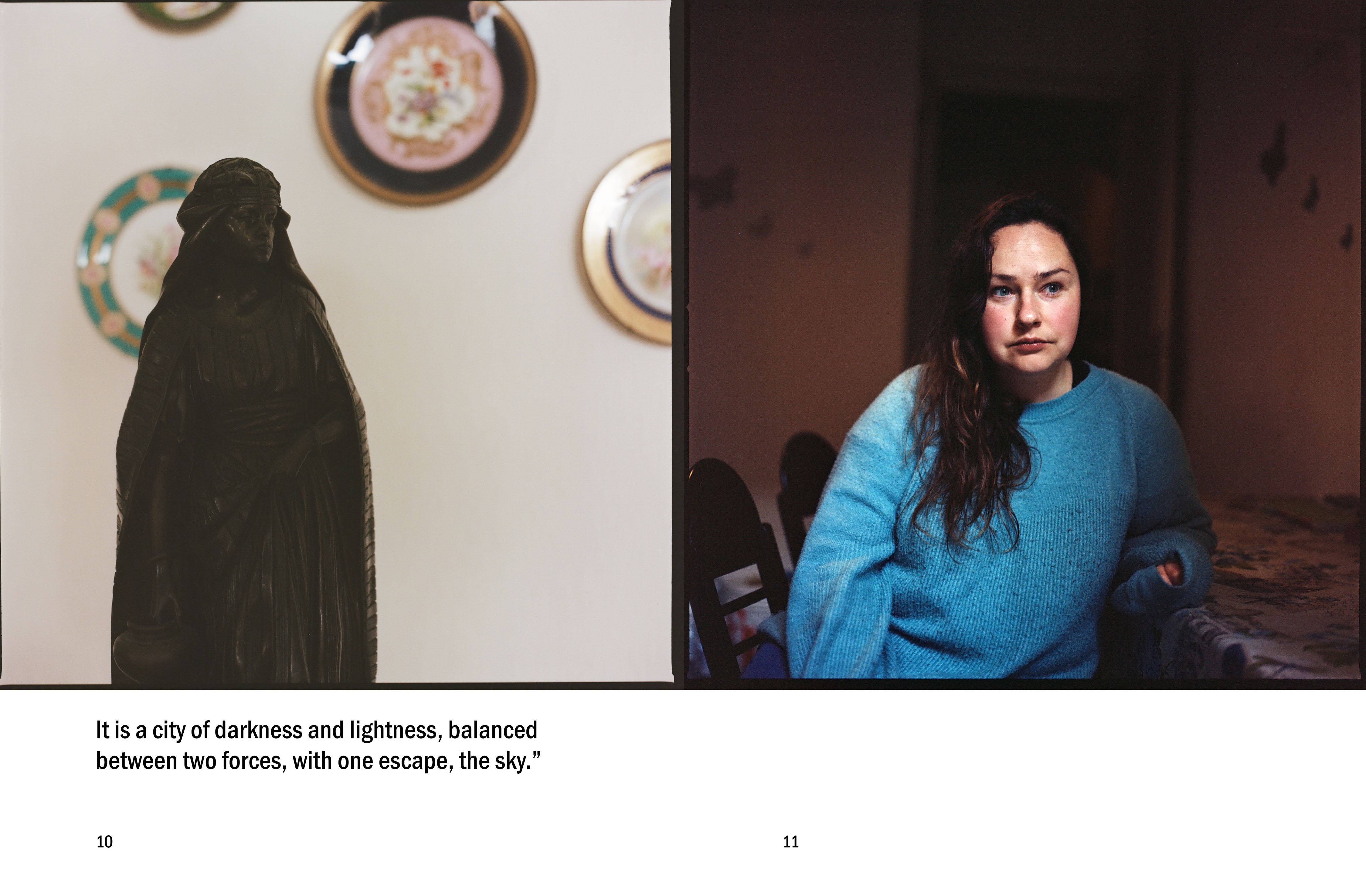
“The Genoese particularly know their city but are not ready to share its secrets. Only whom they see as trustworthy, they are ready to entrust their stories.” Natasha Pyataeva
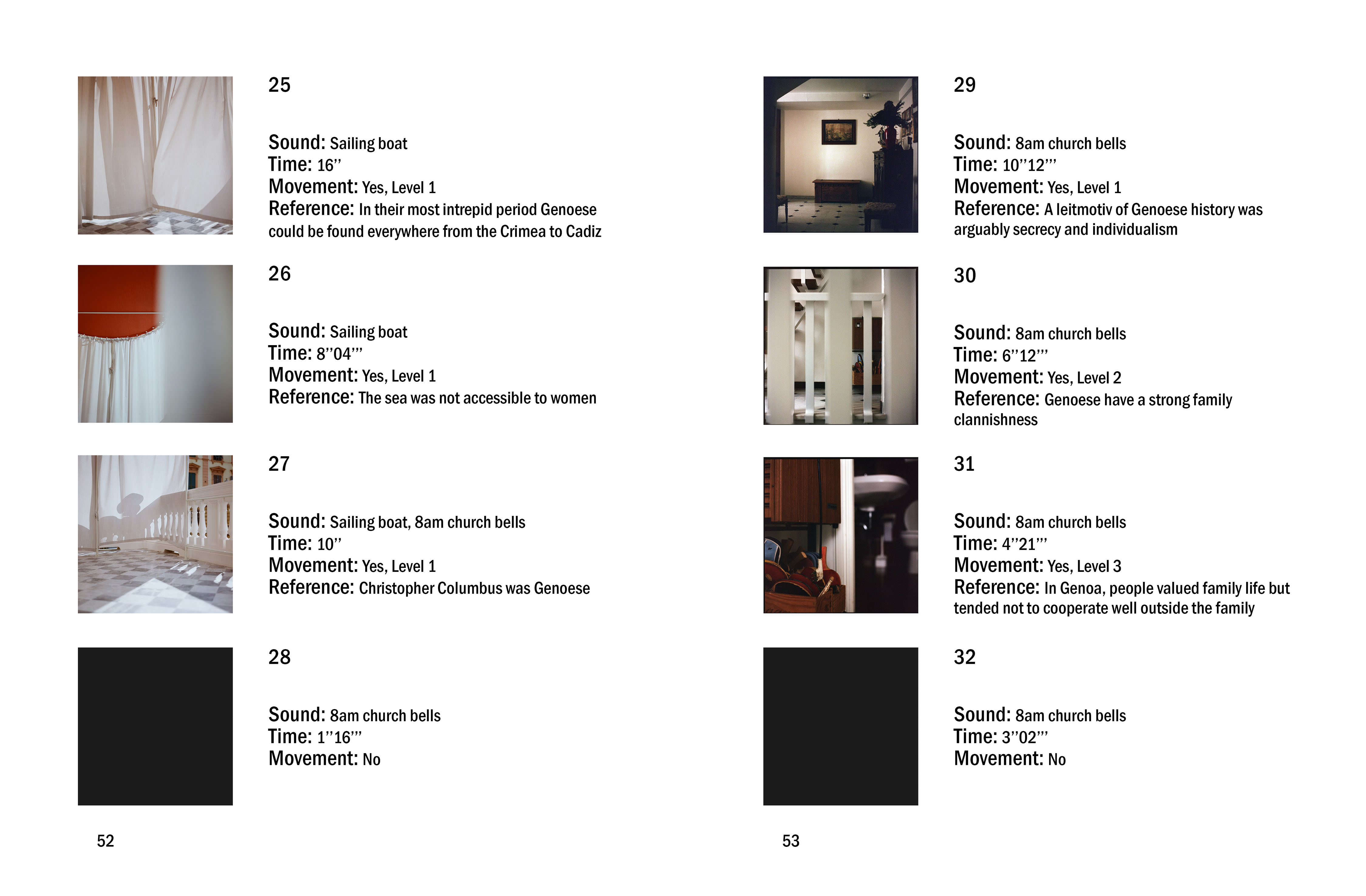
By focusing on the interior, the film looks beyond globalization, into what characterizes a city; its identity.
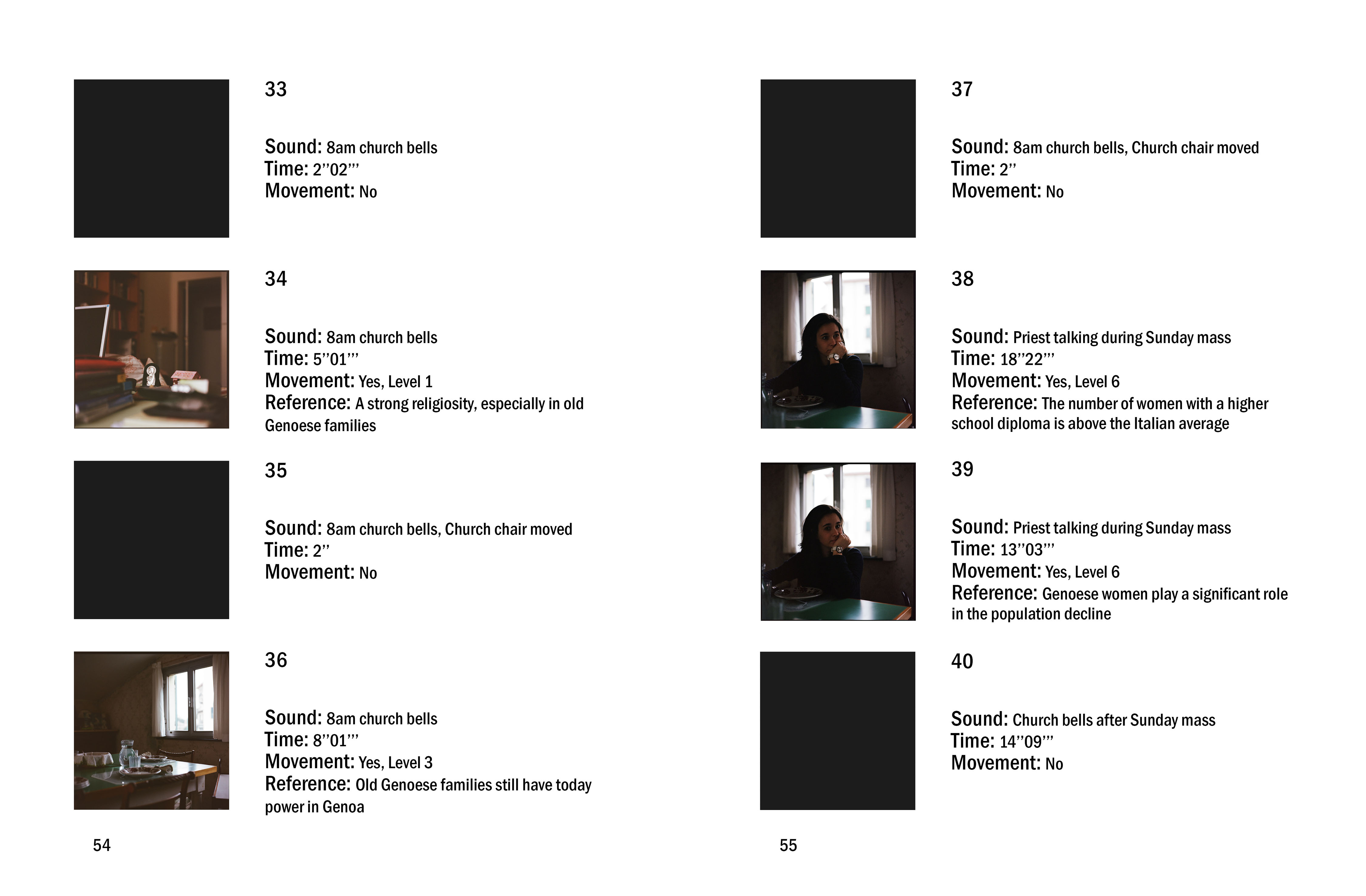
It is a film that explores the processes that identify, isolate and, most importantly, learn from the voices of the city, through their habits, stories and personality.
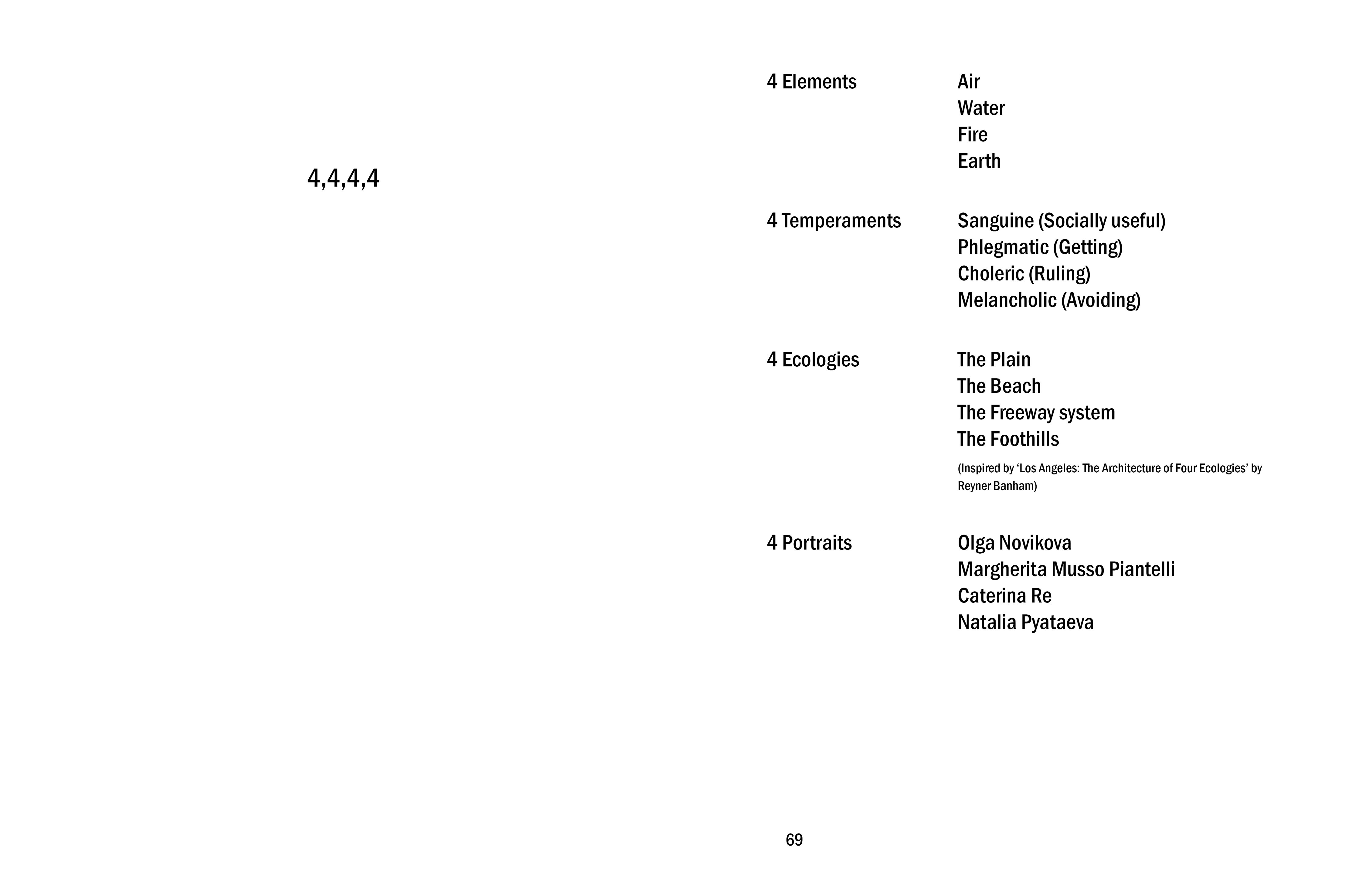
Not only its history and culture are important but ultimately the way in which the past affects the lives and habits of the constant flux of its inhabitants.
I believe that if we want to change cities we need time and the trust of its inhabitants. We need to see our relationship with a city as reciprocal.
This film should be seen both as a standalone piece as well as the beginning of a longer investigation.