PHASE 1_Hybrid Air
Angelina Kozhevnikova, Konuralp Senol, Kyungha Kwon, Ghida Khayat
Mass-homelessness caused by an increasing number of natural disasters is a global problem and requires a immediate, strategic, and thoughtful response.
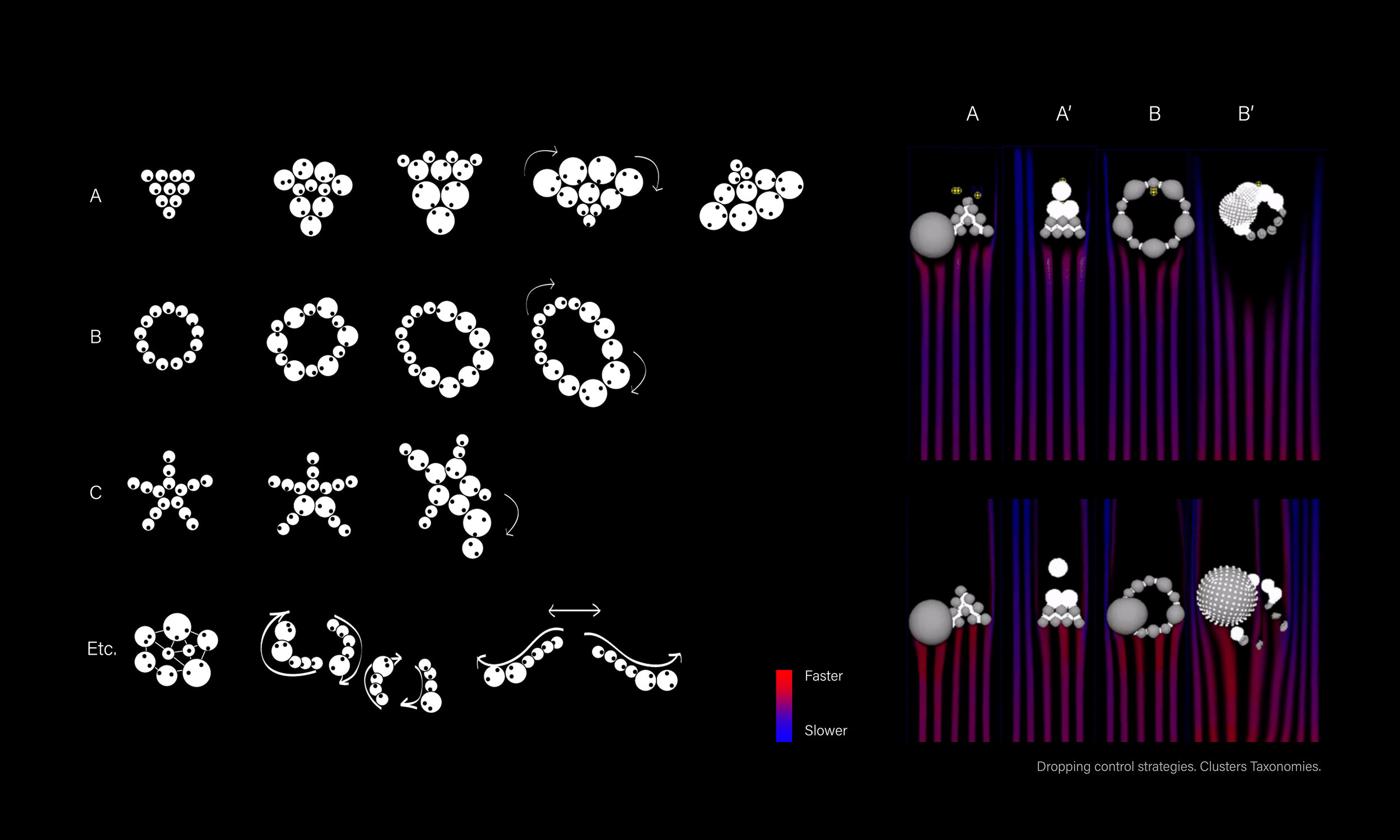
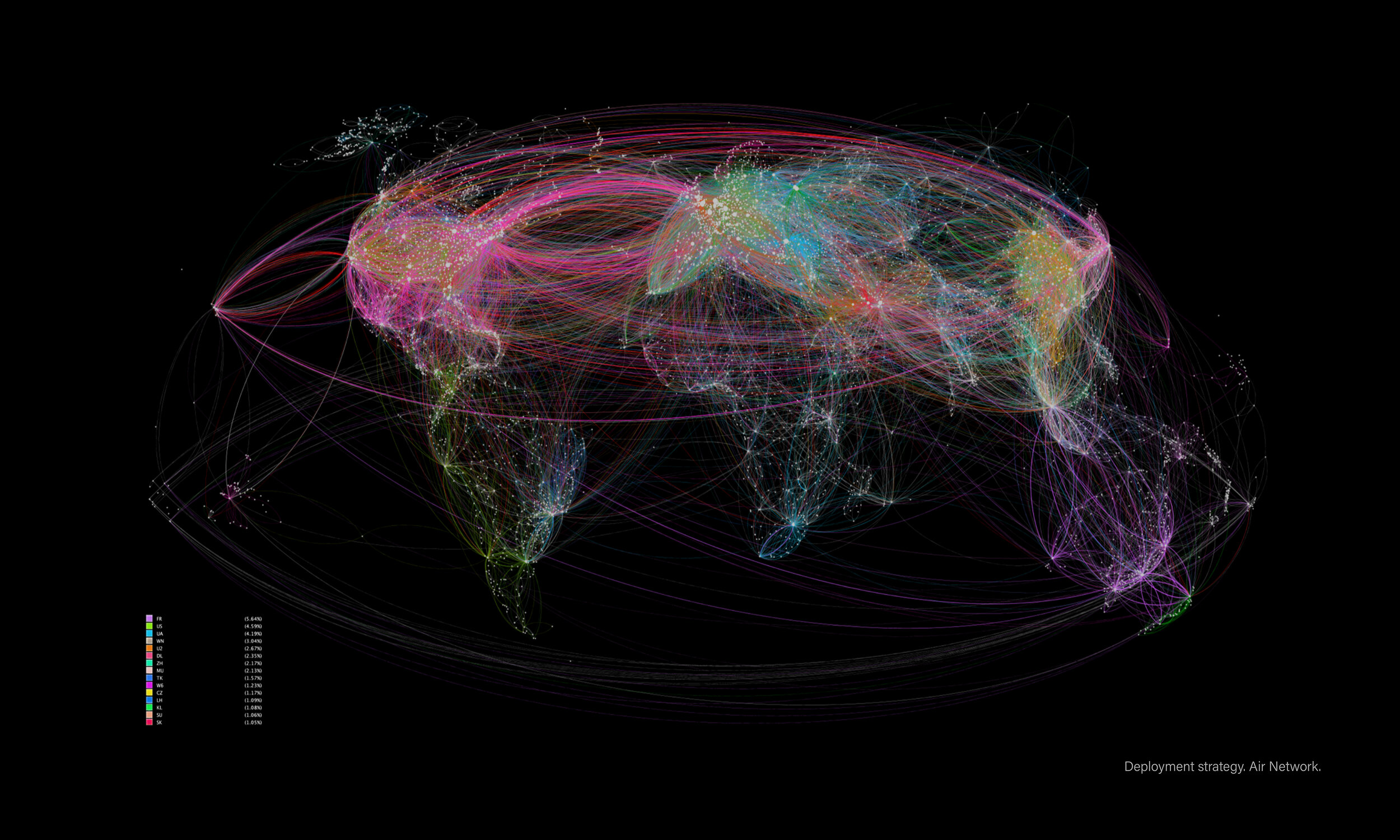
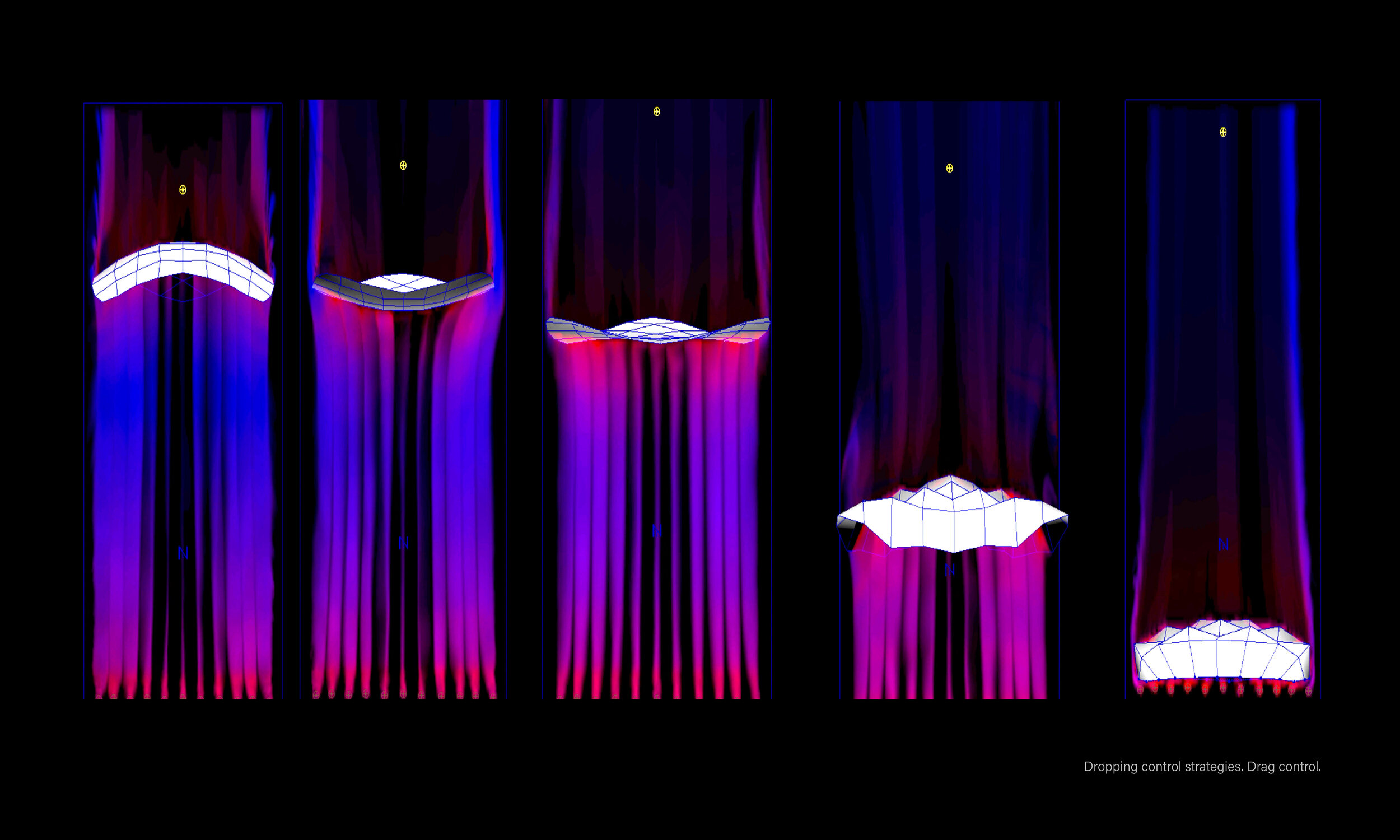
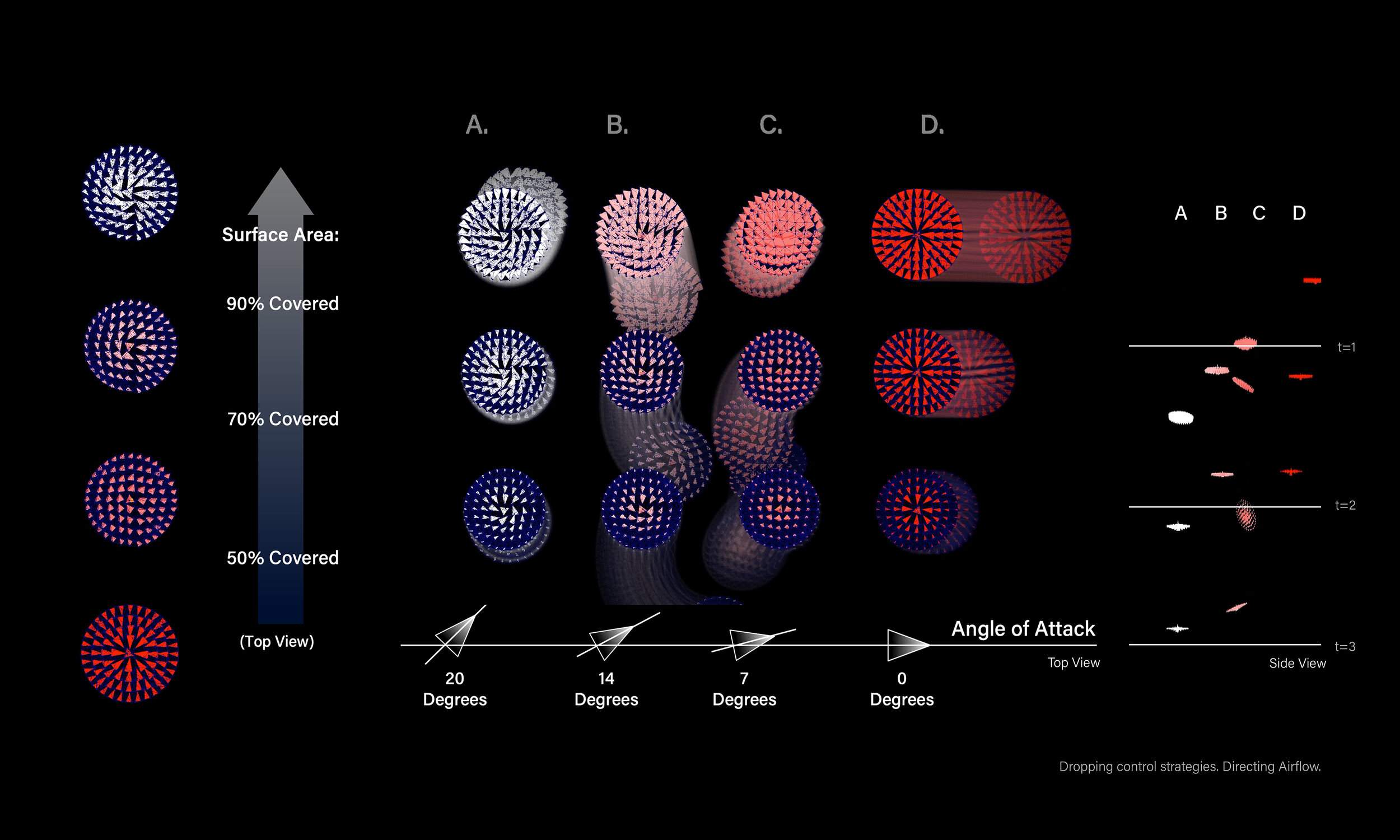
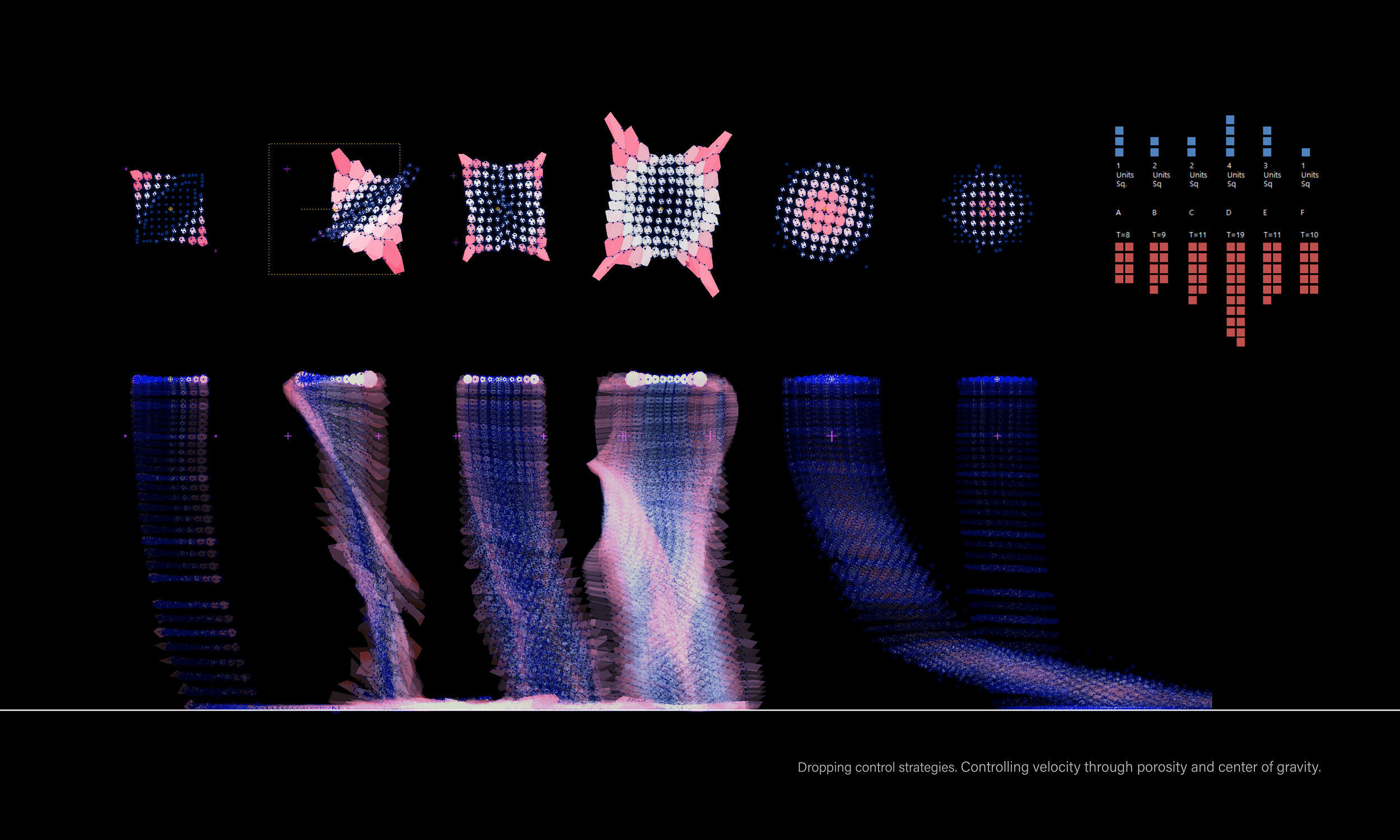
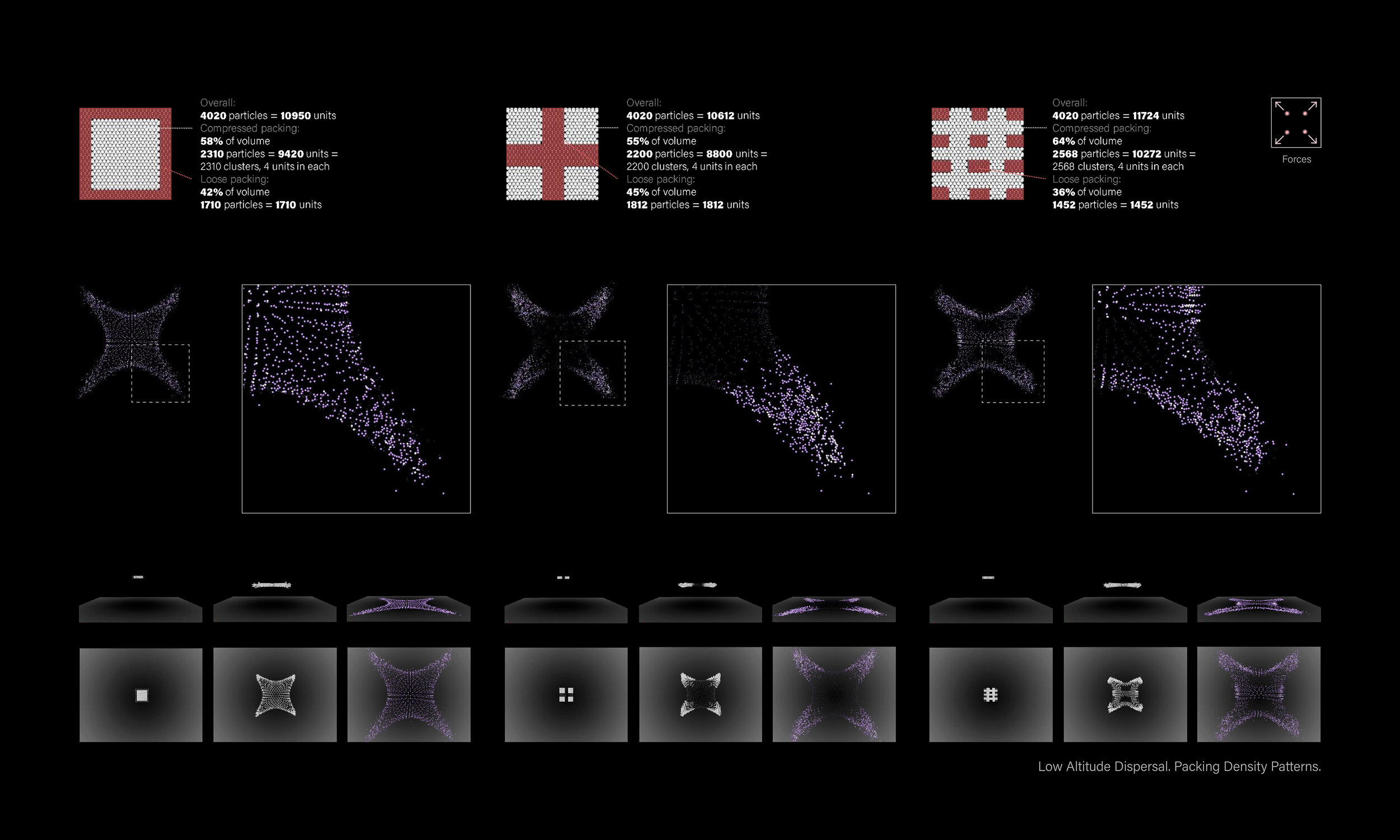
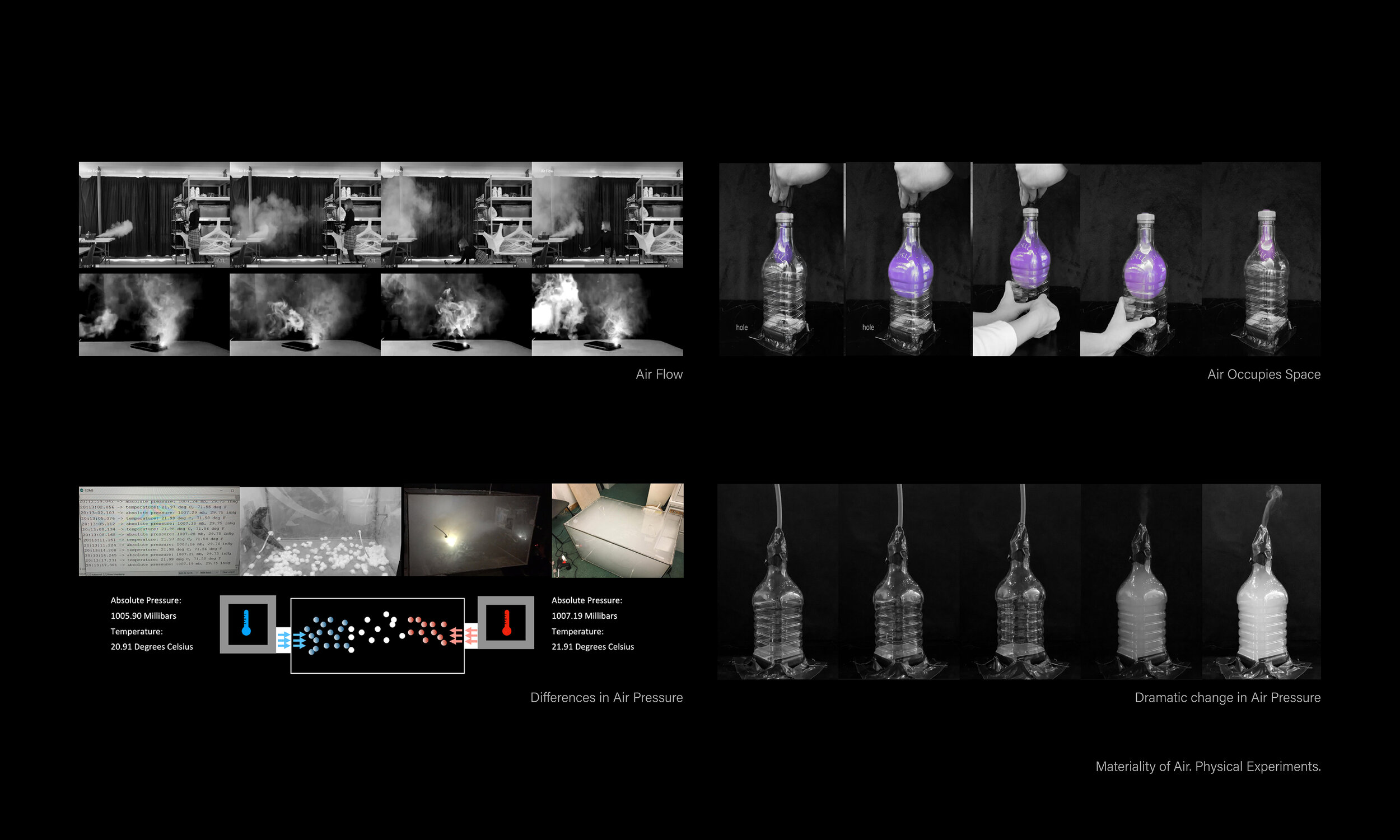
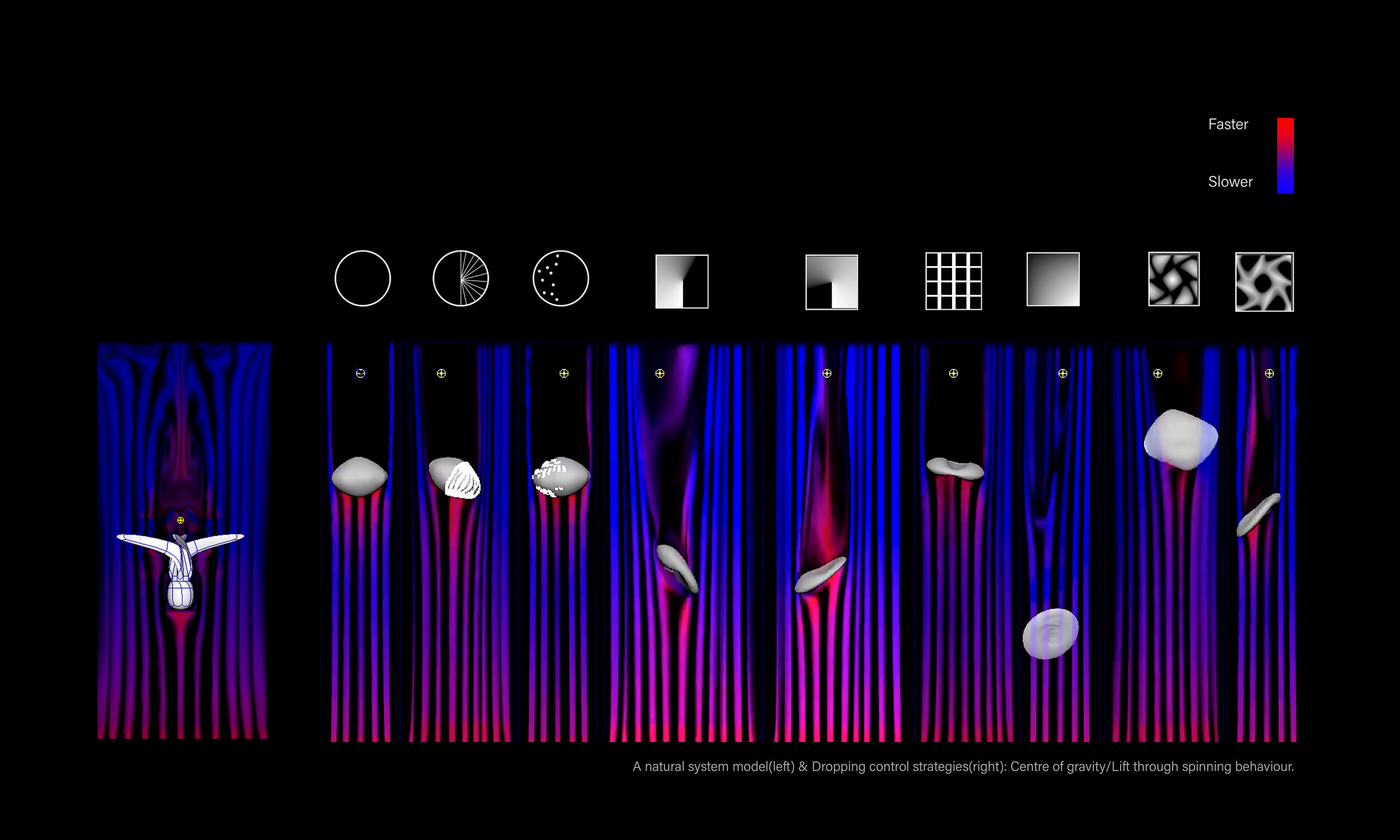
Hybrid Air project proposes a global system that provides emergency shelters with extended durability. The system consists of pneumatic structures that are inflated with a chemical substance leading to a reaction, the released energy of which is a source of auto-construction. The structures are dropped from air as a deployment strategy. Settlements, deployed through the proposed method, disperse according to a rudimentary first urban model, and adapt to the population needs, program changes and site variables.
The project opens new possibilities in post-disaster management and seeks to provide people with cheap but durable shelters with respect to human well-being and social norms. Through its main strategies, such as the chemical inflation that is self-activated on land and the airdrop deployment, the system avoids the typical problems of existing emergency shelter responses. These problems include a dependency on land infrastructure during transportation, which is often damaged after disasters, or assembly challenges during construction, when it is impossible to have enough human resources or professional workforce.
1
2
3
4
5
6
7