The project focuses on the on-going anxieties and insecurities arising from the prevailing method of delivering clean water in China. Projecting through large scale hydro-infrastructure, and reviving its history as a hydraulic civilisation.
China risks to continue the flattening of its historic social and cultural anchors in favour of less permanent, unequally distributed, water purification methods and resources, by submerging of its cities and rural villages, levelling landscapes and flattening cultures in a bid to provide access to safe water for drinking for water stressed regions in the North.
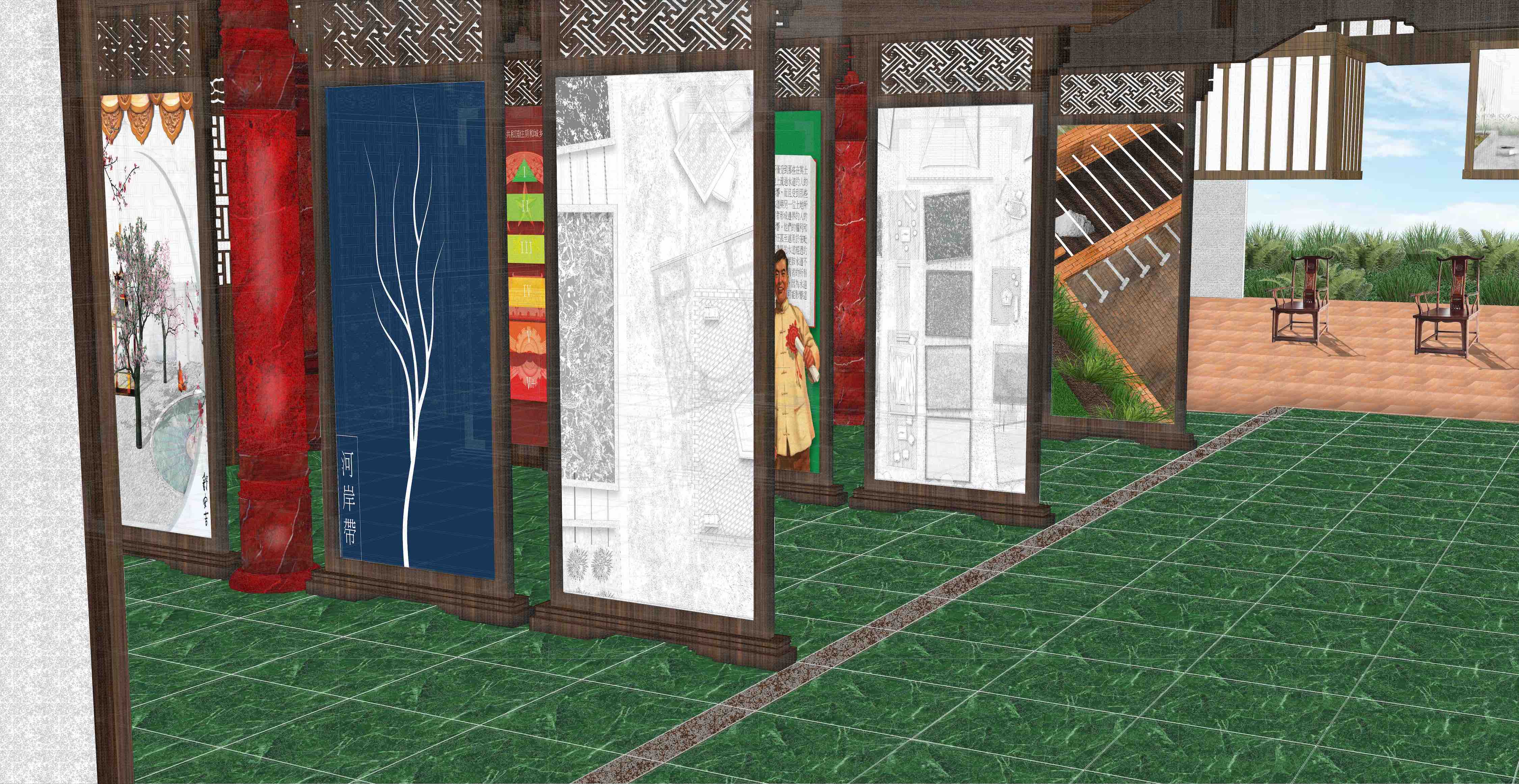
The project seeks to engineer Riparian Zones as a landscape shaping machine for the affected rural inhabitants. Naturally occurring, Riparian Zones are the interface between open waters and its surrounding uplands. Beyond its physical characteristics, Riparian Zones codify a system for allocating water among those who possess land along its path, where common land ownership can be organised into partition units, each with their own obligation to maintain and uphold the quality of their section.
Spatially coming to respond to 3 typical models of rural settlements, comes the proliferation of a new spatial paradigm of water purification, now, as their own owner and administrator of a Riparian Territory.
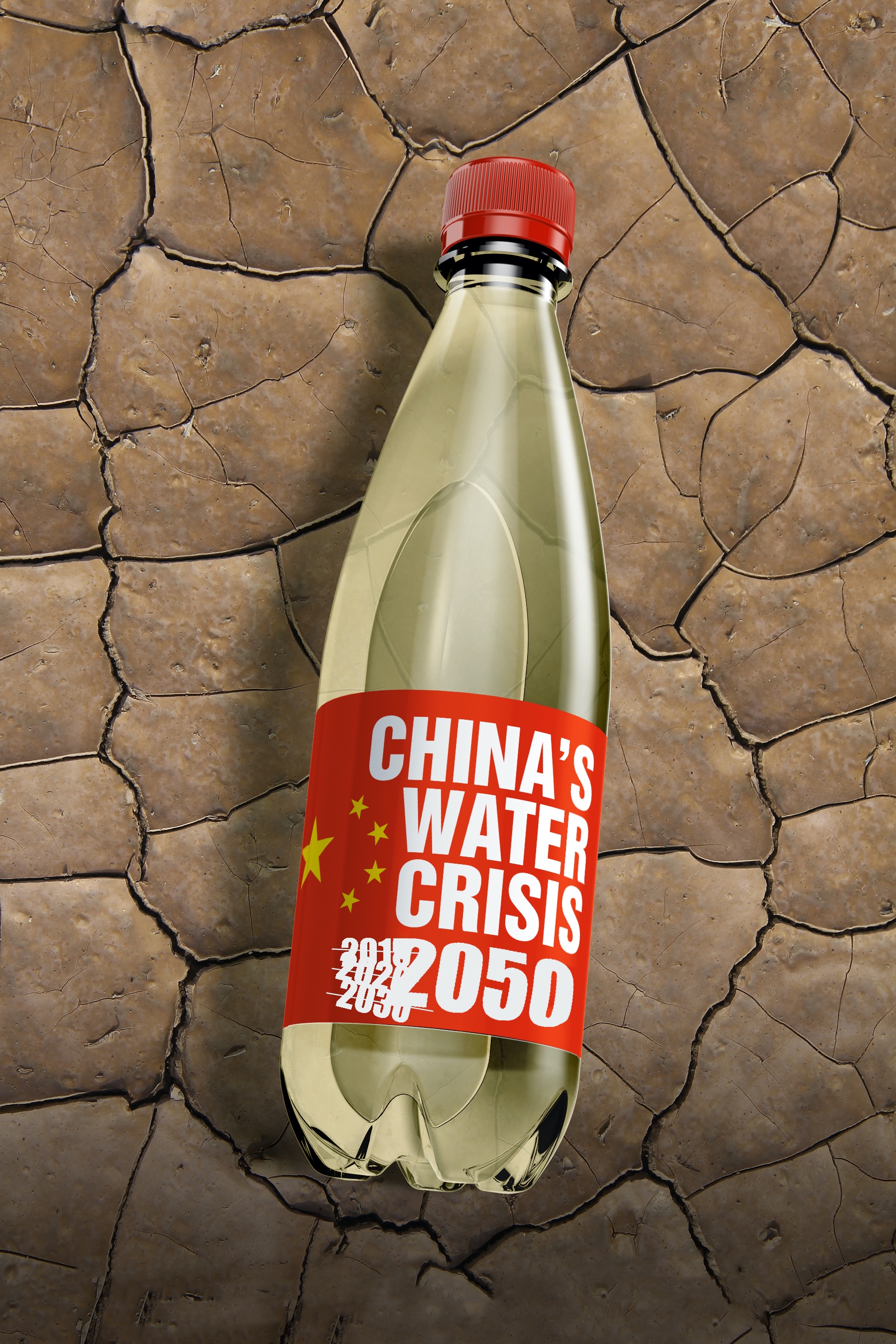
China's Water Crisis | Revival of a Hydraulic Civilisation
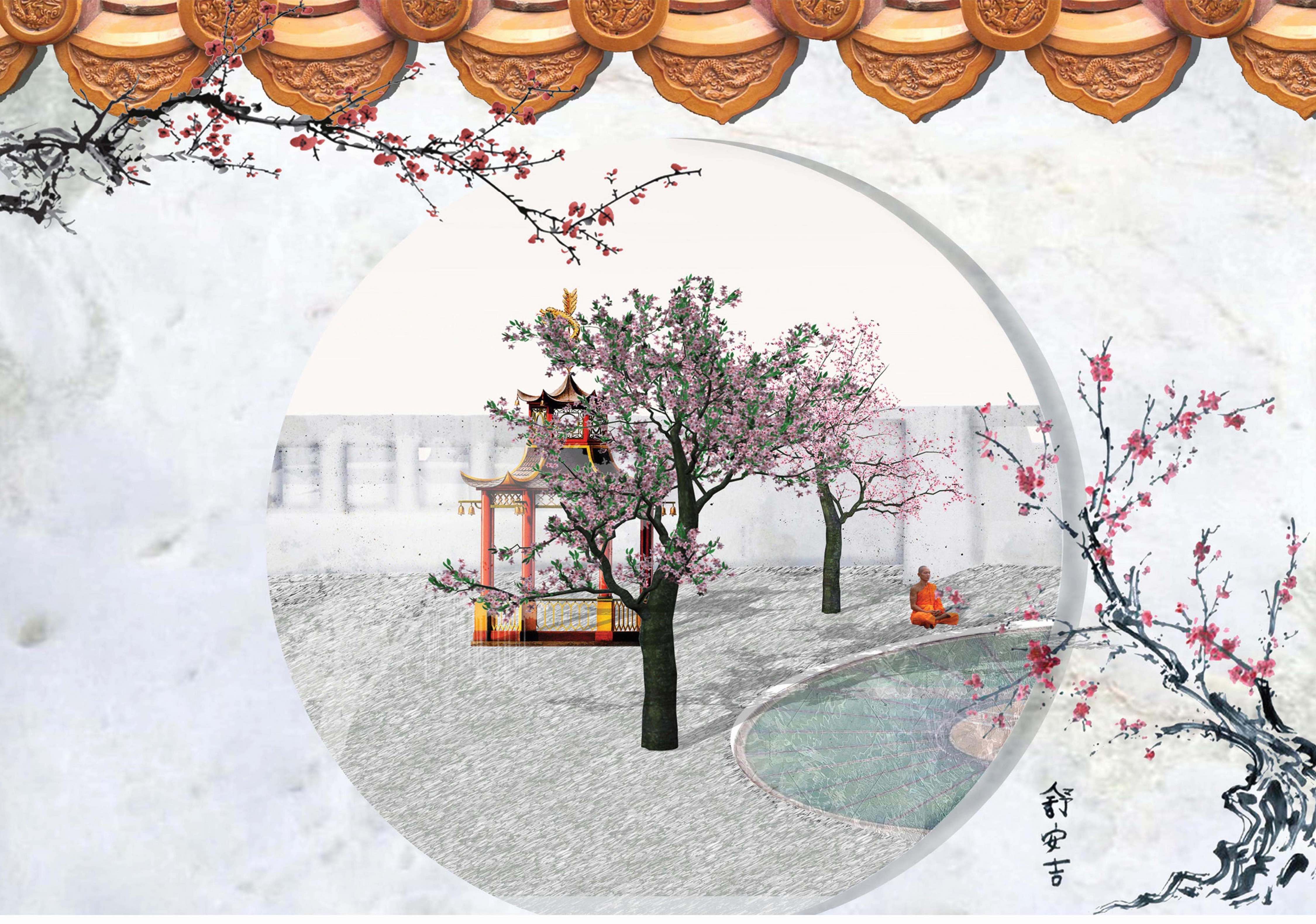
Hydro-infrastructural Projects | Levelled Landscapes, Flattened Cultures, Lost Dialects, Severed Rituals
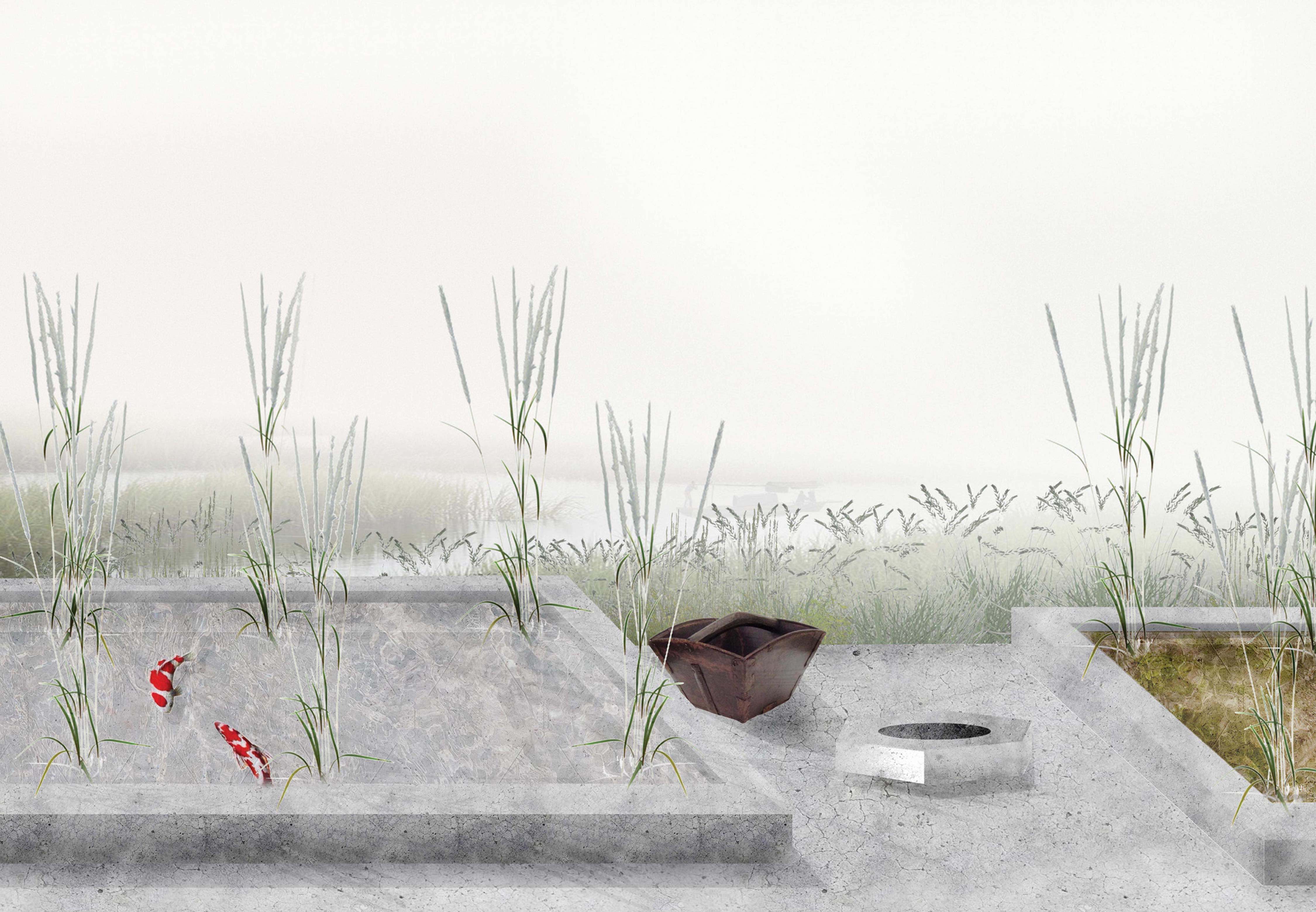
Engineered Riparian Zones | Water Purification Ponds
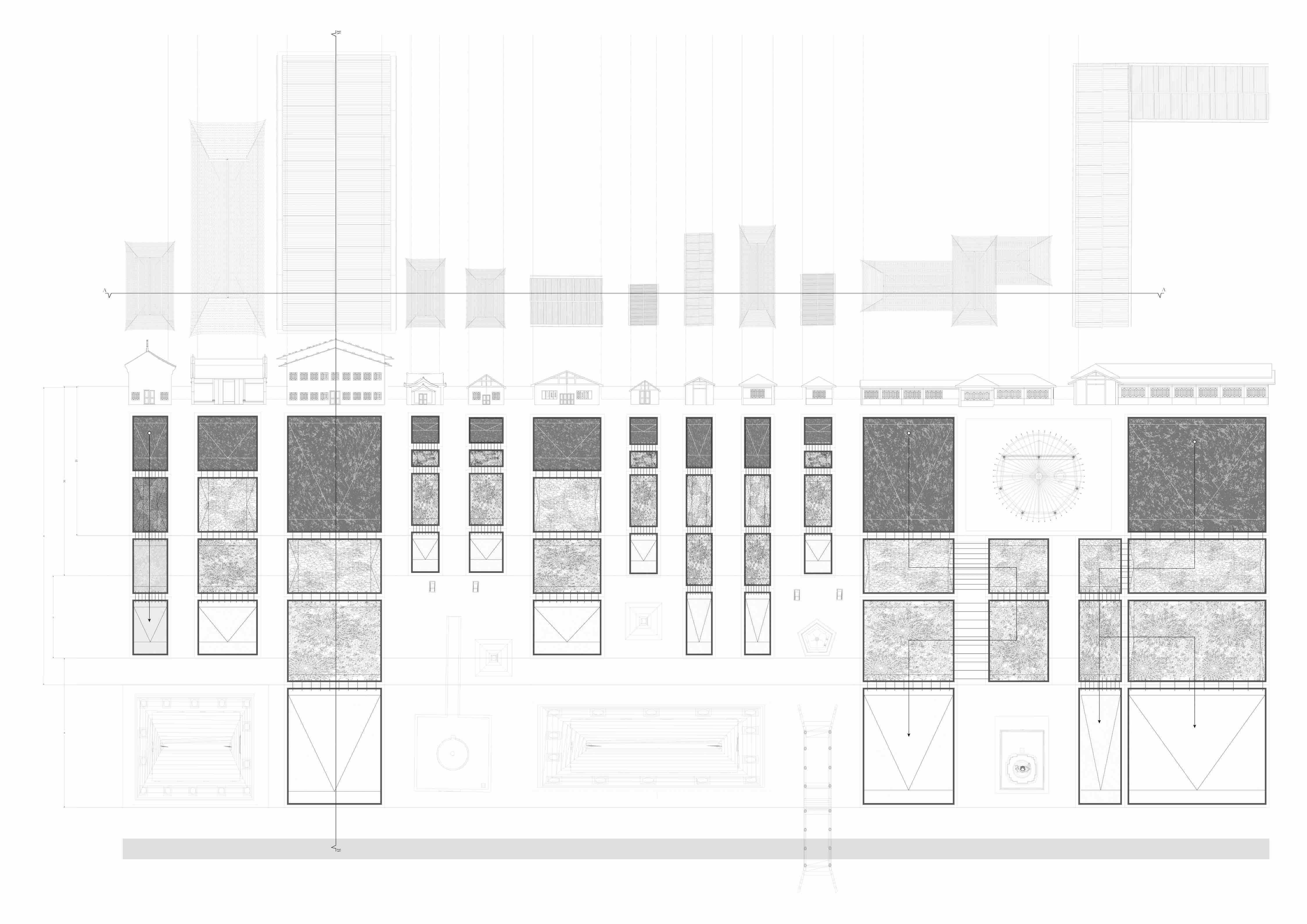
Riparian Codex | Common Land Ownership Partition Units
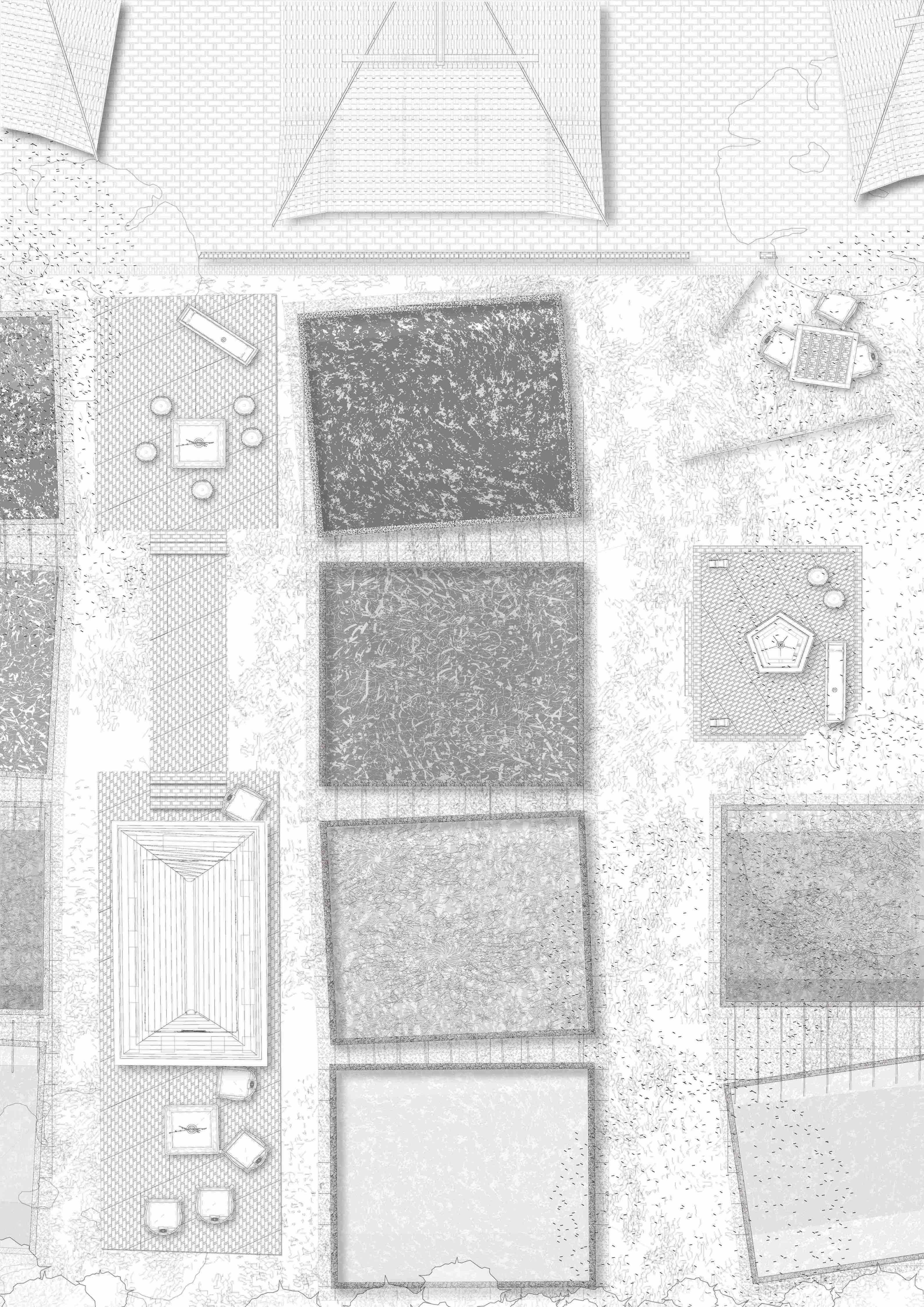
Allocation & Negotiation | Neighbouring Riparian Landscape
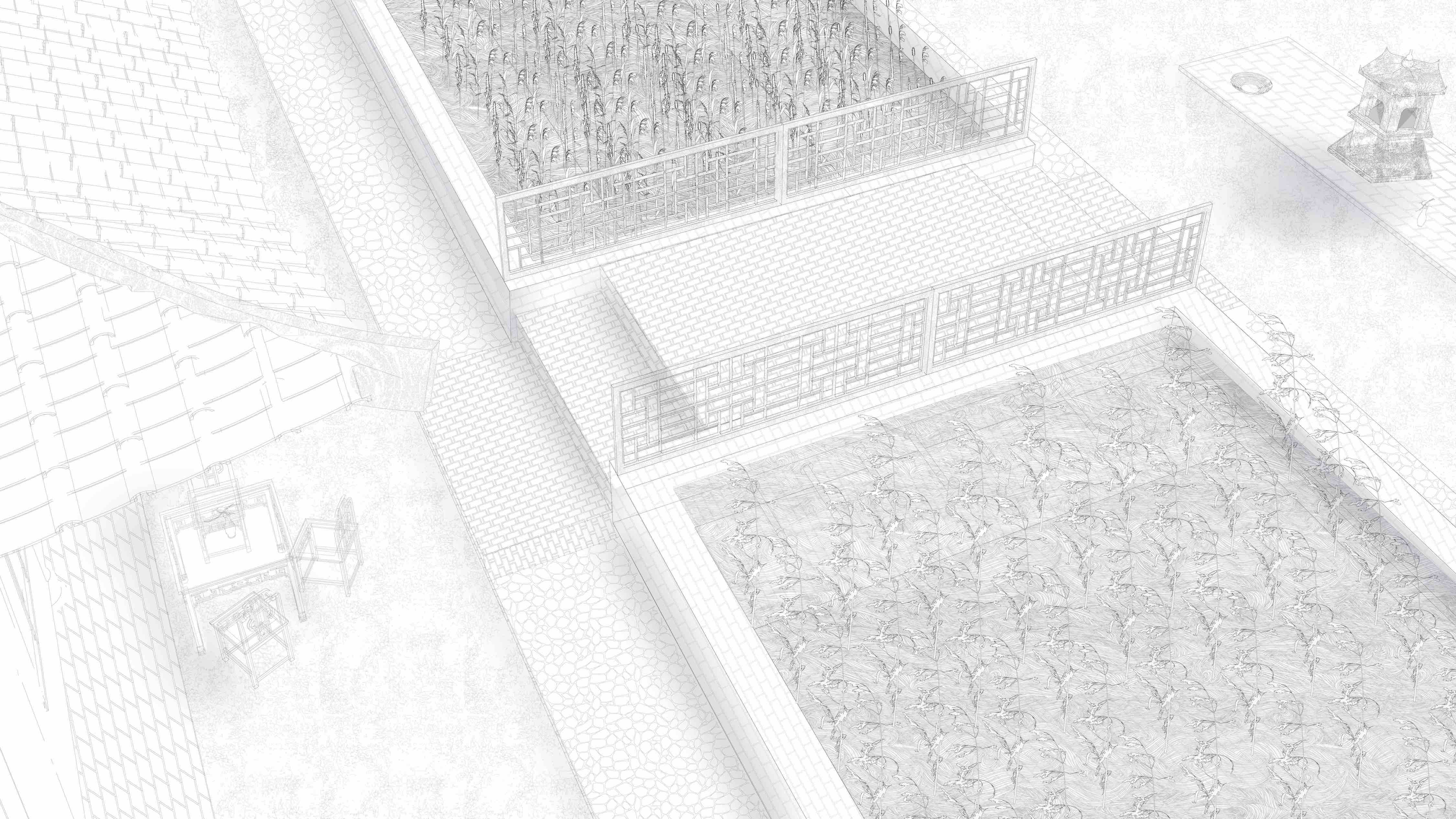
Cultural Reinvigoration | Social, Material & Engineering Consistency
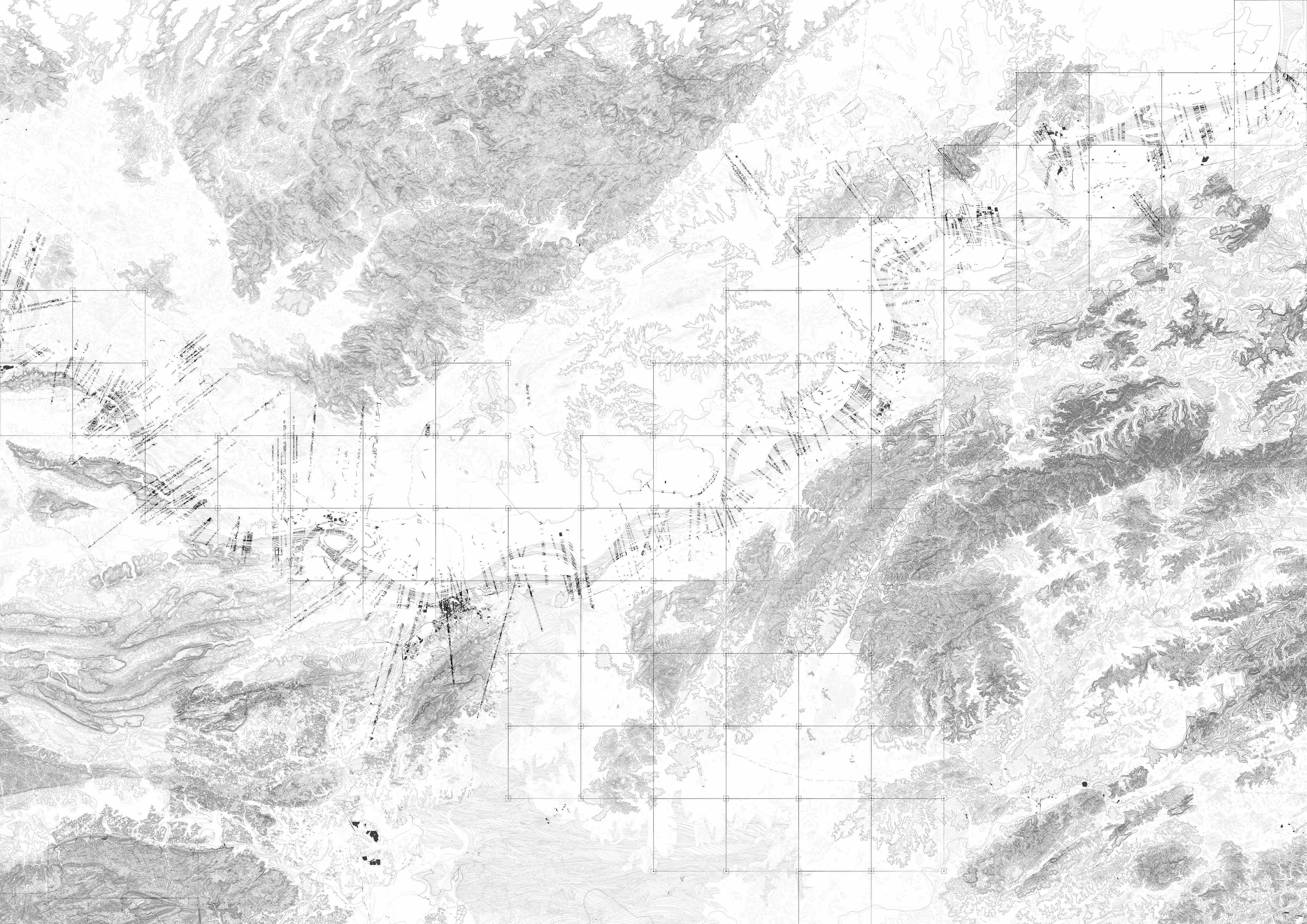
Ownership & Administration | Riparian Territories
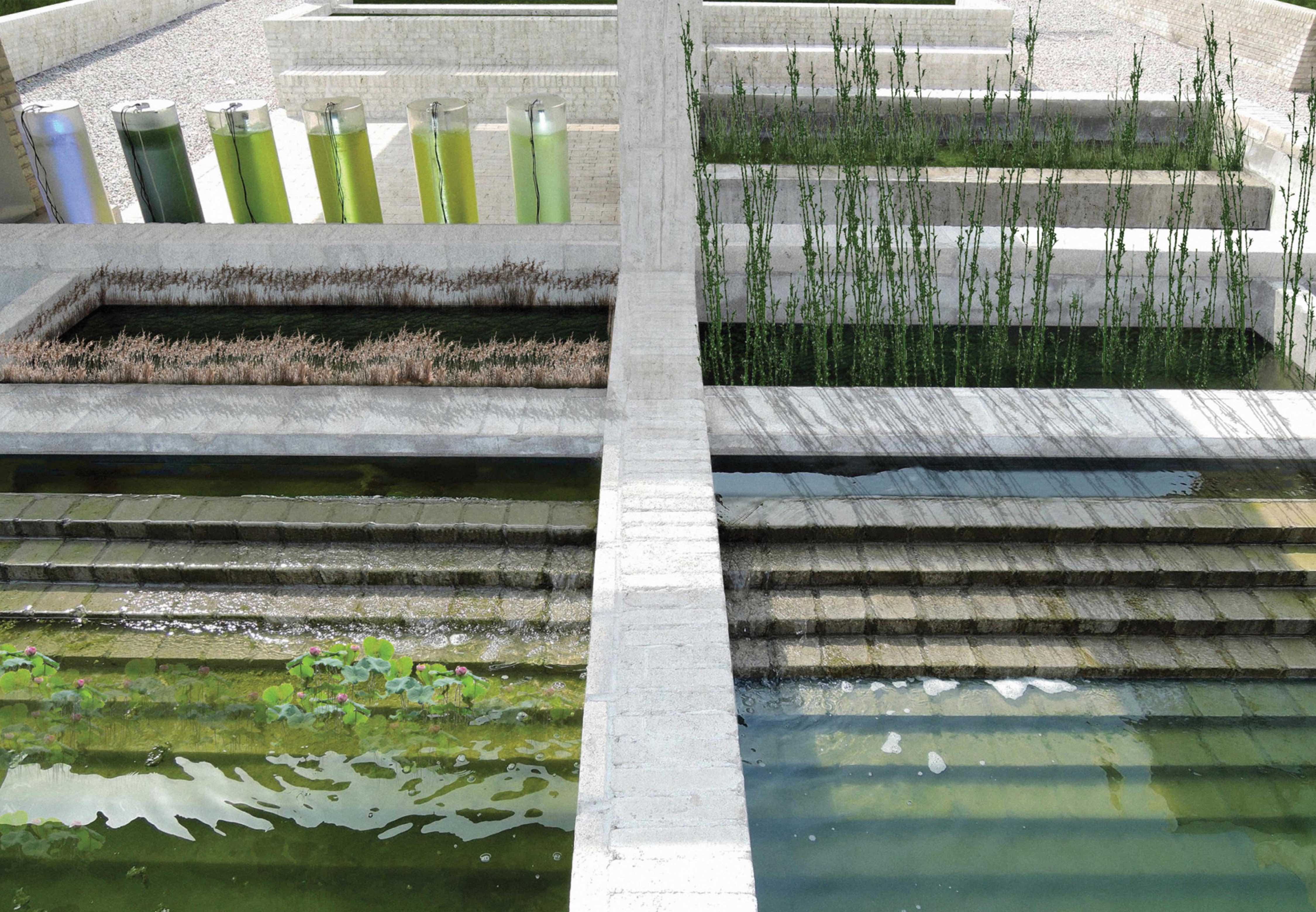
Engineered Riparian Zones | Water Purification Ponds
Crowdsourcing | Proliferation of a New Spatial Paradigm
Diploma 9 | World War | Engineering Riparian Zones
The project focuses on the on-going anxieties and insecurities arising from the prevailing method of delivering clean water in China. Projecting through large scale hydro-infrastructure, and reviving its history as a hydraulic civilisation.
China risks to continue the flattening of its historic social and cultural anchors in favour of less permanent, unequally distributed, water purification methods and resources, by submerging of its cities and rural villages, levelling landscapes and flattening cultures in a bid to provide access to safe water for drinking for water stressed regions in the North.
The project seeks to engineer Riparian Zones as a landscape shaping machine for the affected rural inhabitants. Naturally occurring, Riparian Zones are the interface between open waters and its surrounding uplands. Beyond its physical characteristics, Riparian Zones codify a system for allocating water among those who possess land along its path, where common land ownership can be organised into partition units, each with their own obligation to maintain and uphold the quality of their section.
Spatially coming to respond to 3 typical models of rural settlements, comes the proliferation of a new spatial paradigm of water purification, now, as their own owner and administrator of a Riparian Territory.
China's Water Crisis | Revival of a Hydraulic Civilisation
Hydro-infrastructural Projects | Levelled Landscapes, Flattened Cultures, Lost Dialects, Severed Rituals
Engineered Riparian Zones | Water Purification Ponds
Riparian Codex | Common Land Ownership Partition Units
Allocation & Negotiation | Neighbouring Riparian Landscape
Cultural Reinvigoration | Social, Material & Engineering Consistency
Ownership & Administration | Riparian Territories
Engineered Riparian Zones | Water Purification Ponds