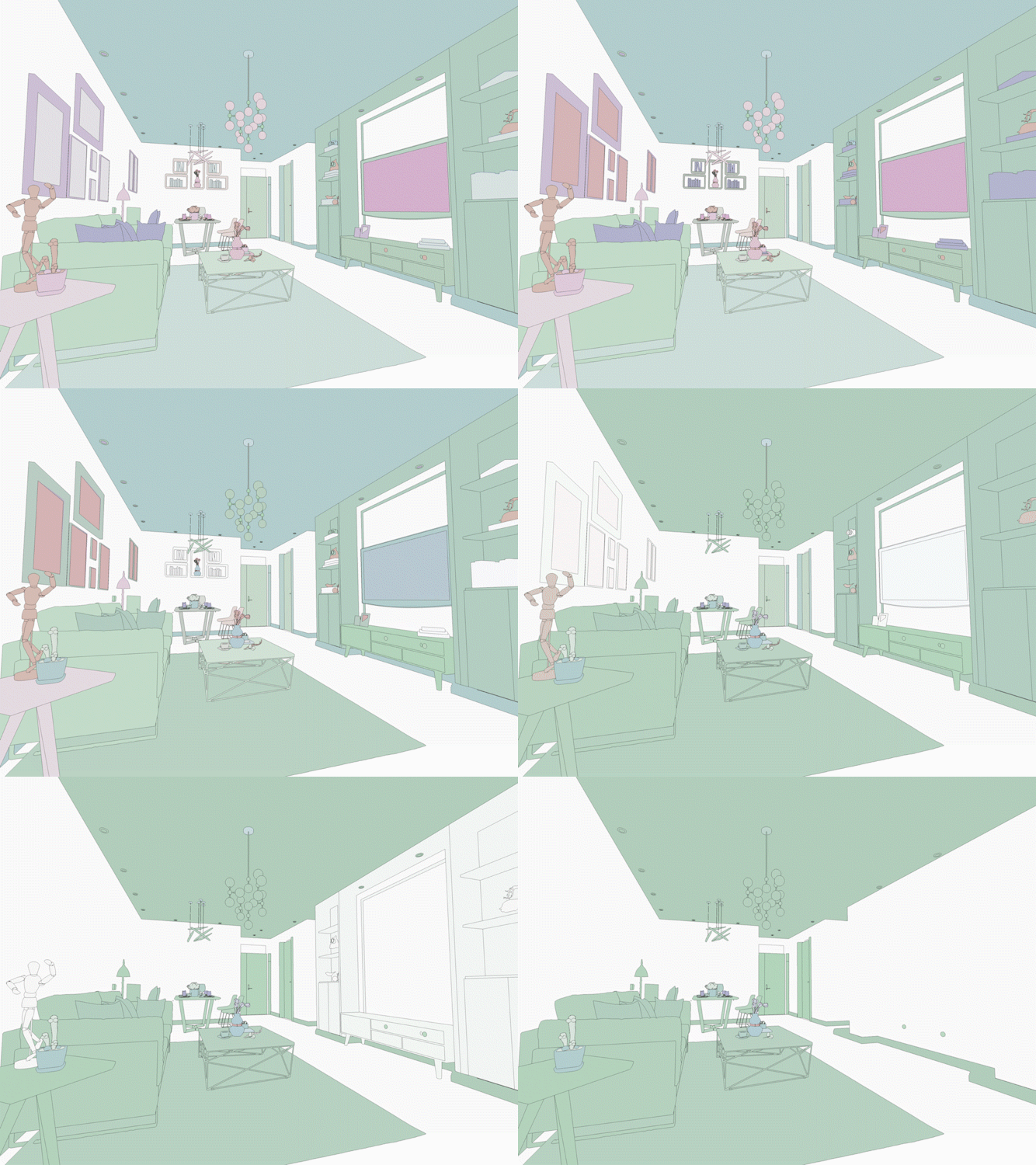
Hyper-place, the possibility of contentless architecture is a project that envisions the potential of architectural hyper-space made possible by the adoption of XR technology in the domestic space.
Domestic architecture has been heavily standardised. This means that the domestic space is becoming a non-place, a concept illustrated by Marc Auge (OJ). In order for the individual to express their identity, our society depends on consuming and accumulating objects to customise the interior spaces.
Apple and Facebook are expecting to release XR glasses aimed at replacing all everyday screen devices. This consumerist obsession can be accelerated with XR technologies, allowing individuals to consume more and therefore hyper-define their identities. This means architecture could be liberated from the burden of being the identity canvas of the world.
Digital technology in the domestic space is sometimes viewed in a negative light. However, the pandemic showed us how good our most recent technologies were, but it also dramatically showed how inefficient our architecture is. Mostly inefficient because of its incapacity to adapt; be it in its form, function or content. Rather than seeing technology as a problem for domestic space, we should explore how we can make architecture work in symbiosis with latest technologies.
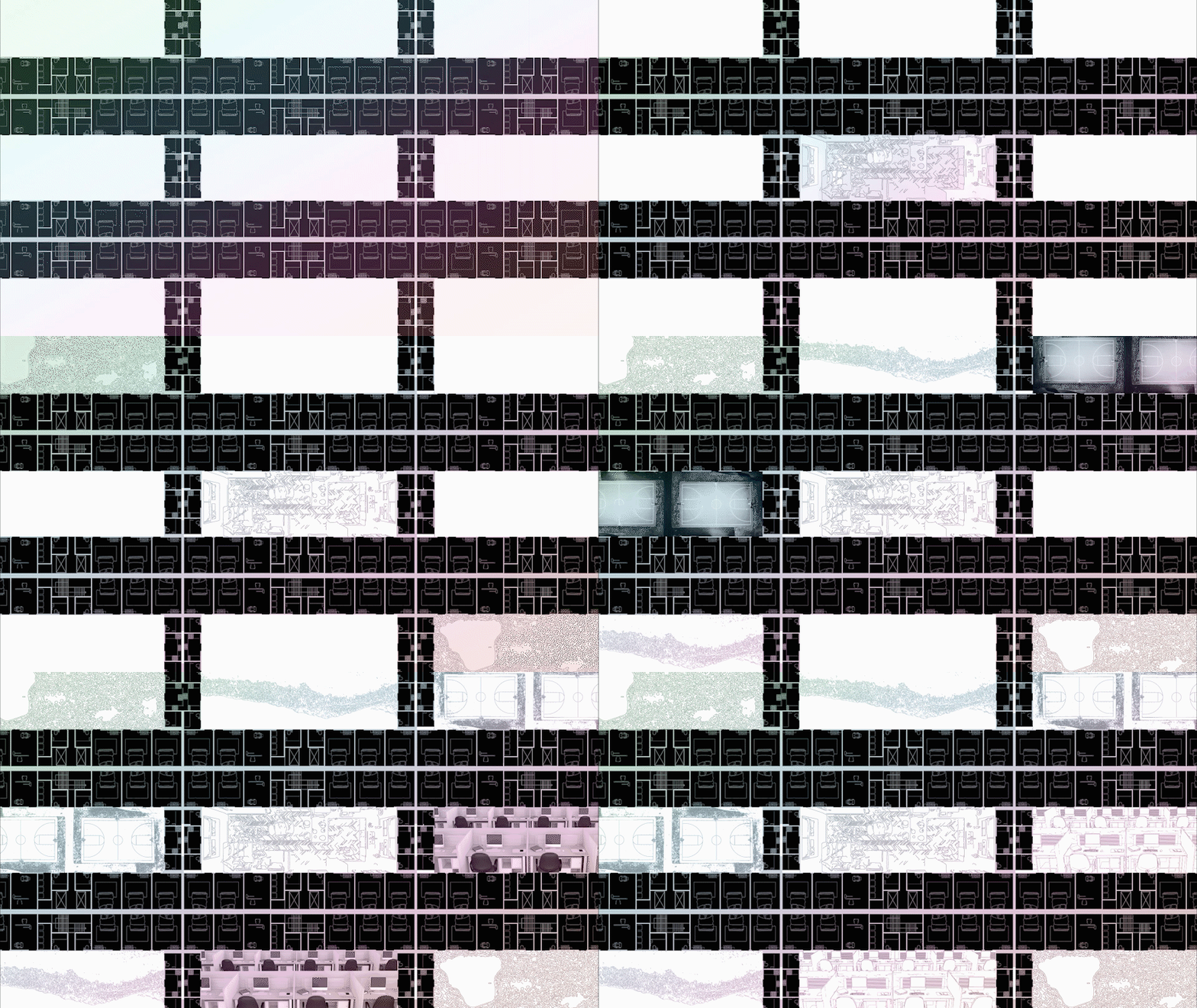
HyperPlace(s): places around the globe sharing spaces through technology

Neo-capitalism is ultimately the consumption of the planet
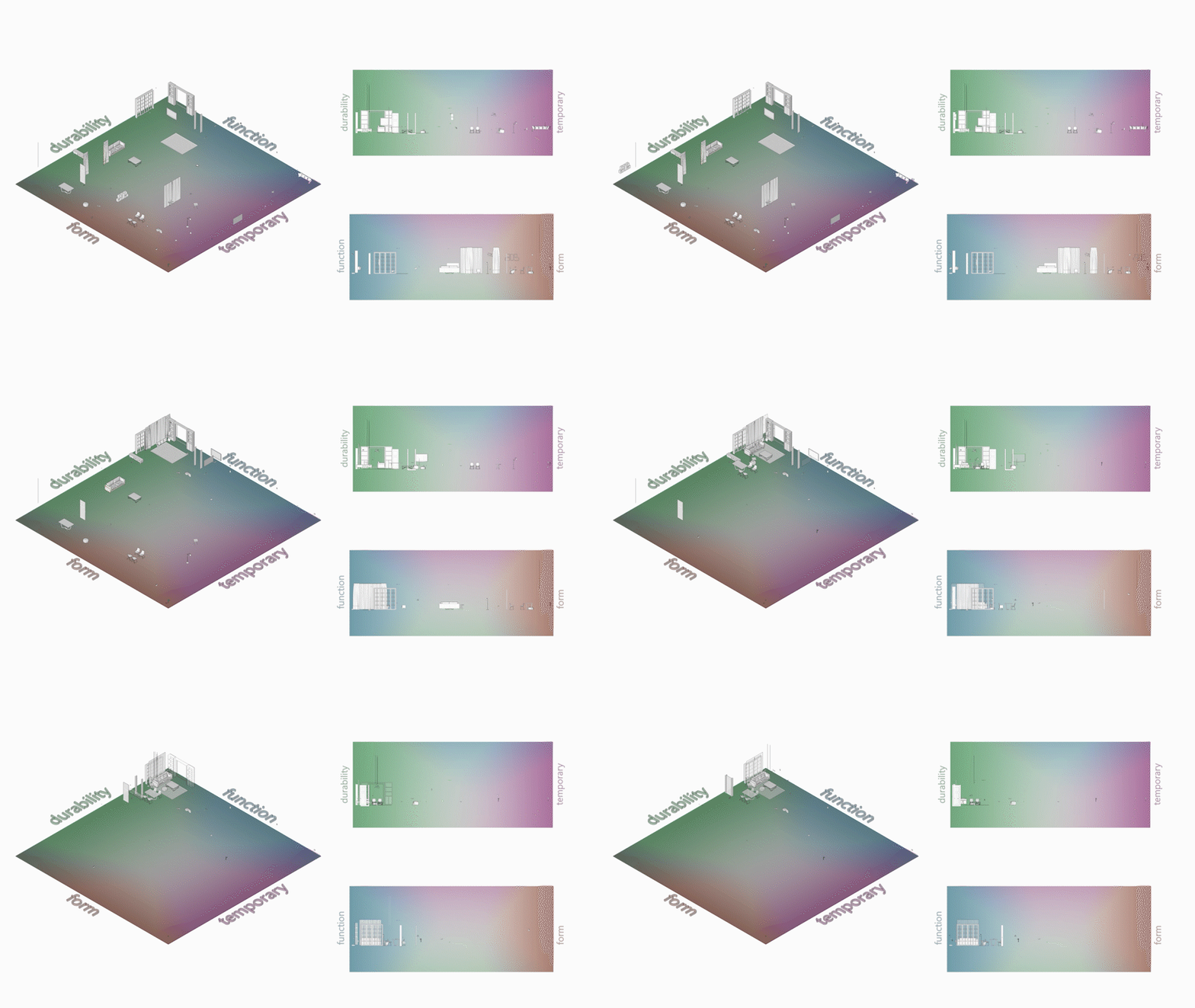
The digitalisation of domestic object